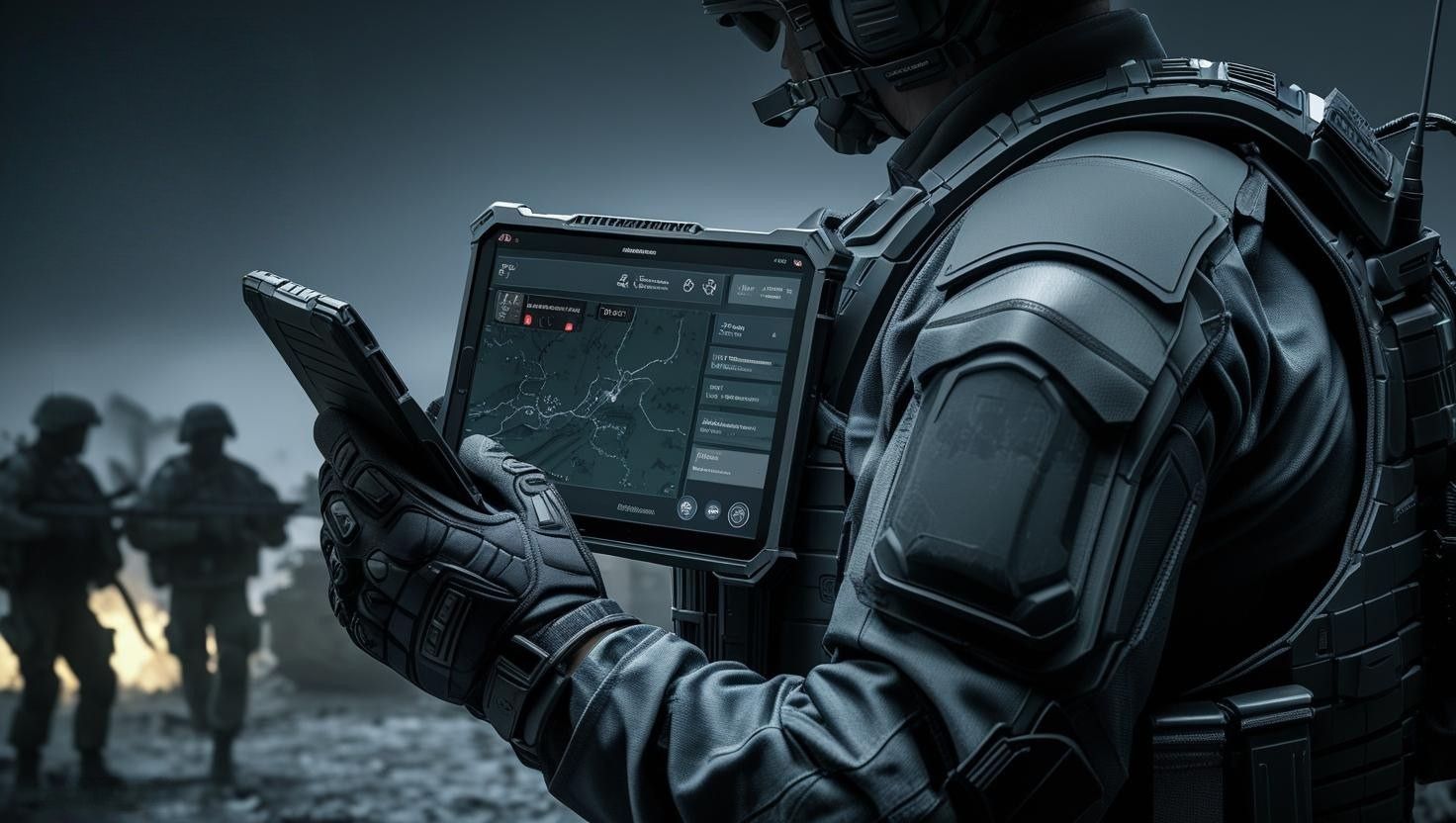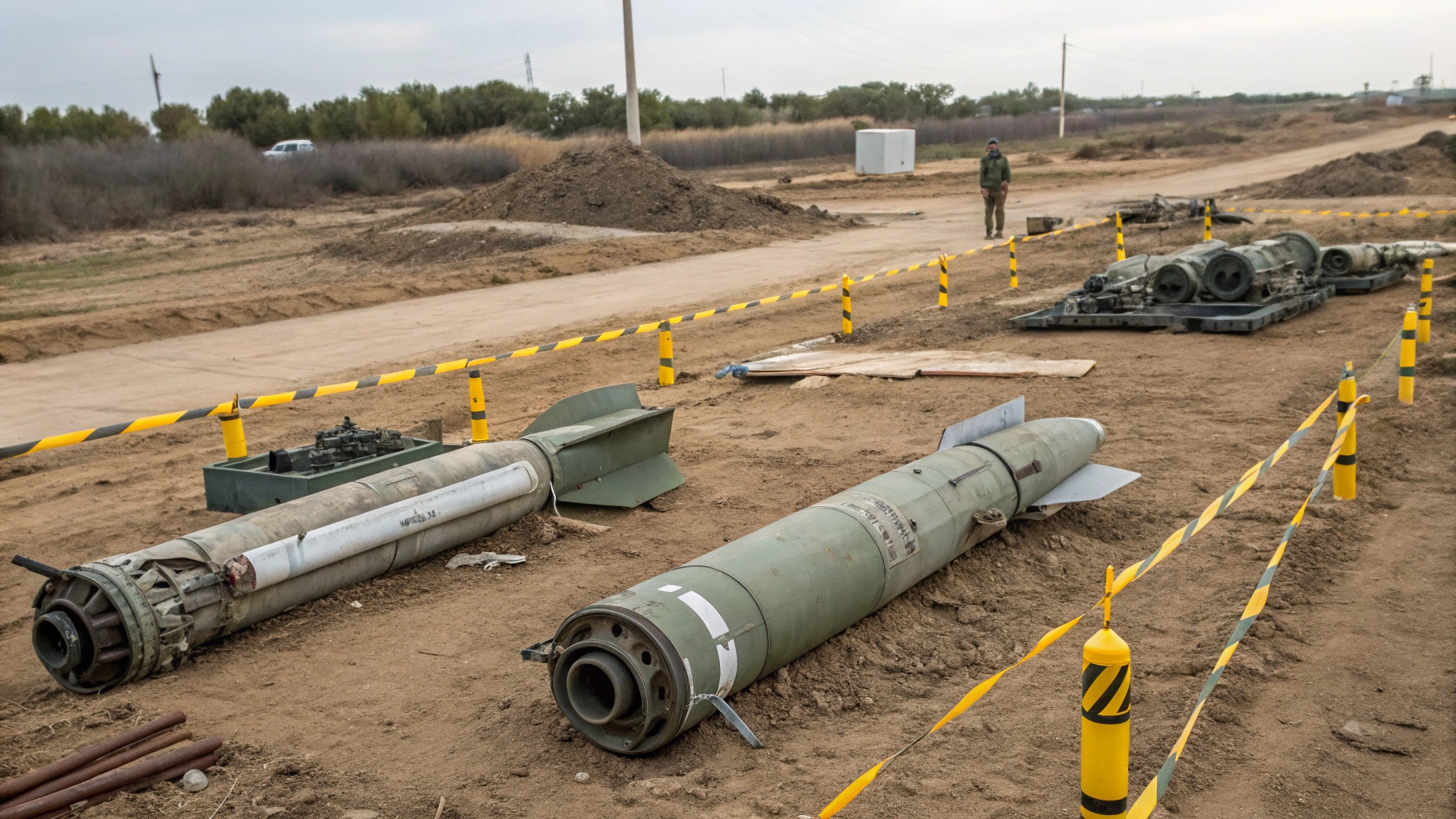

The US Army has awarded Leidos a $2.7-billion contract to transition critical hypersonic weapons programs from the development phase into full-scale production, combining two major initiatives under a unified manufacturing framework. The agreement merges the Thermal Protection Shield (TPS) and Common Hypersonic Glide Body (CHGB) programs into a consolidated production structure intended to accelerate delivery schedules and strengthen supply chain stability for hypersonic technologies.
Under the contract, Leidos will focus on expanding manufacturing readiness for key hypersonic weapon components, including advanced guidance systems, sensor technologies, and precision-strike integration capabilities. The effort is aimed at supporting rapid fielding of operational hypersonic systems while reducing production bottlenecks.
Leidos Defense President Cindy Gruensfelder described the contract as a significant milestone in accelerating delivery of hypersonic capabilities to frontline forces. The company has already played a central role in both programs, serving as the prime contractor for the TPS initiative since 2021 and for the CHGB program since 2019.
The award comes as the US military intensifies efforts to move hypersonic weapons from experimental prototypes into operational deployment across multiple branches of the armed forces. Earlier this year, Palladyne AI subsidiary GuideTech was selected to develop a long-range missile system designed to combine affordability with near-hypersonic strike performance.
In February, the Joint Hypersonics Transition Office issued six separate contracts to advance next-generation hypersonic technologies capable of traveling beyond Mach 5. Those efforts are focused on overcoming technical challenges such as extreme thermal conditions, high-speed maneuverability, and long-range precision targeting.
At the same time, the US Department of Defense is strengthening defenses against emerging hypersonic threats. The Defense Innovation Unit announced in February that it is seeking advanced sensing and tracking technologies capable of supporting interceptor operations against intercontinental ballistic missiles and hypersonic glide vehicles.