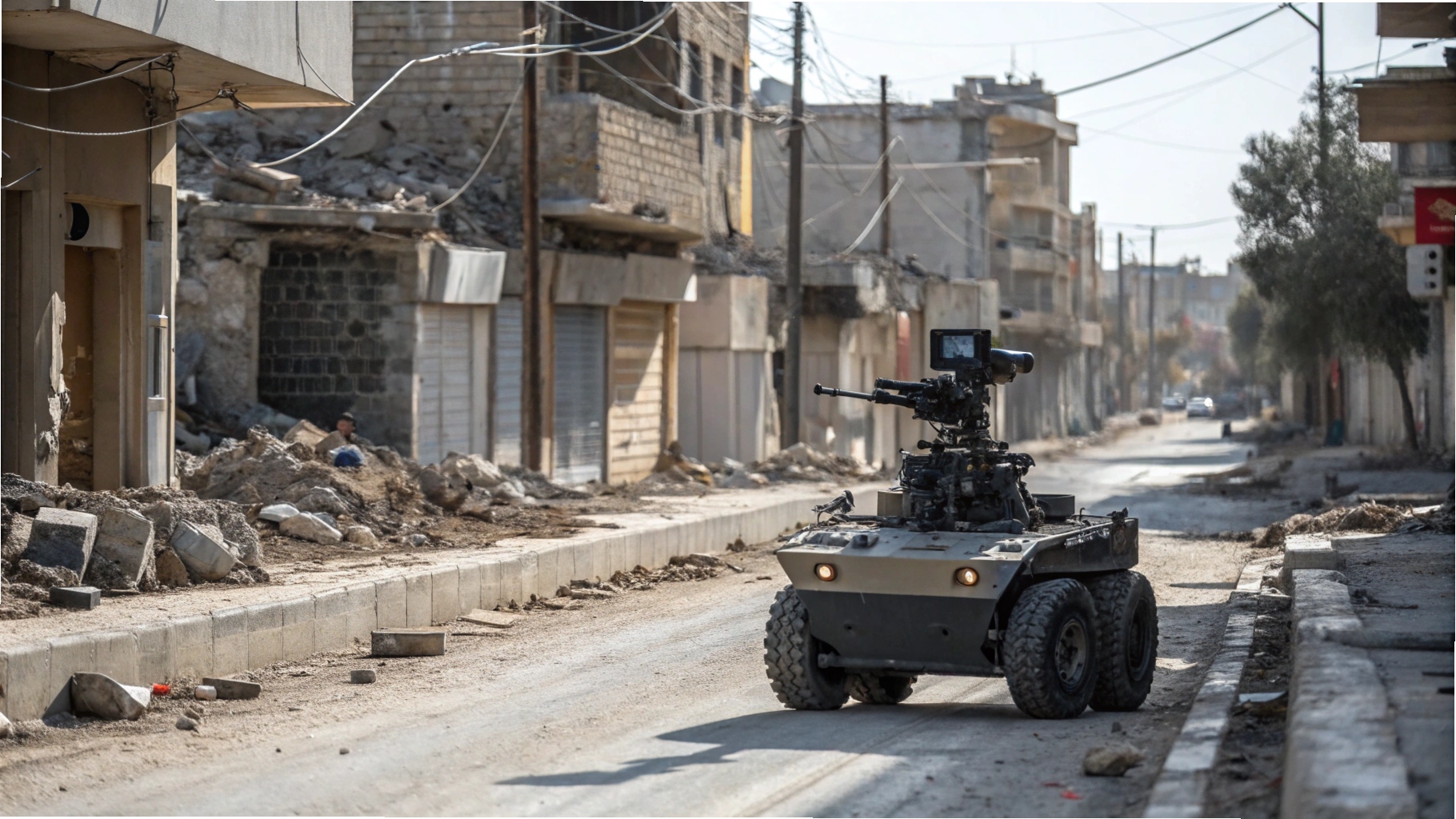

German land systems manufacturer KNDS and counter-drone specialist TYTAN Technologies have agreed to expand their cooperation on mobile counter-unmanned aerial systems (C-UAS) for military land platforms. The companies have signed a memorandum of understanding to deepen collaboration on drone defence solutions, building on previous integration efforts already demonstrated with the German Armed Forces.
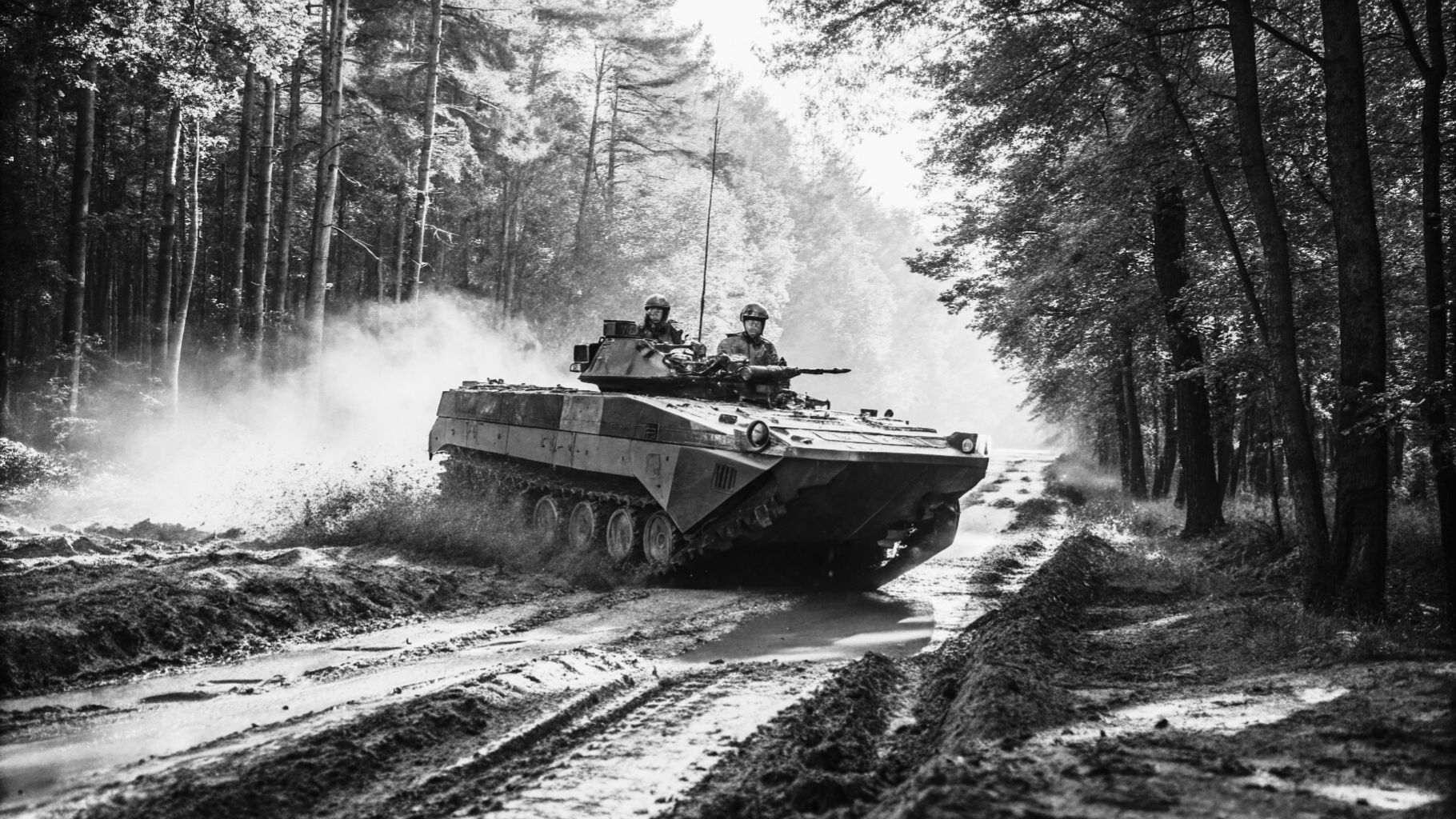
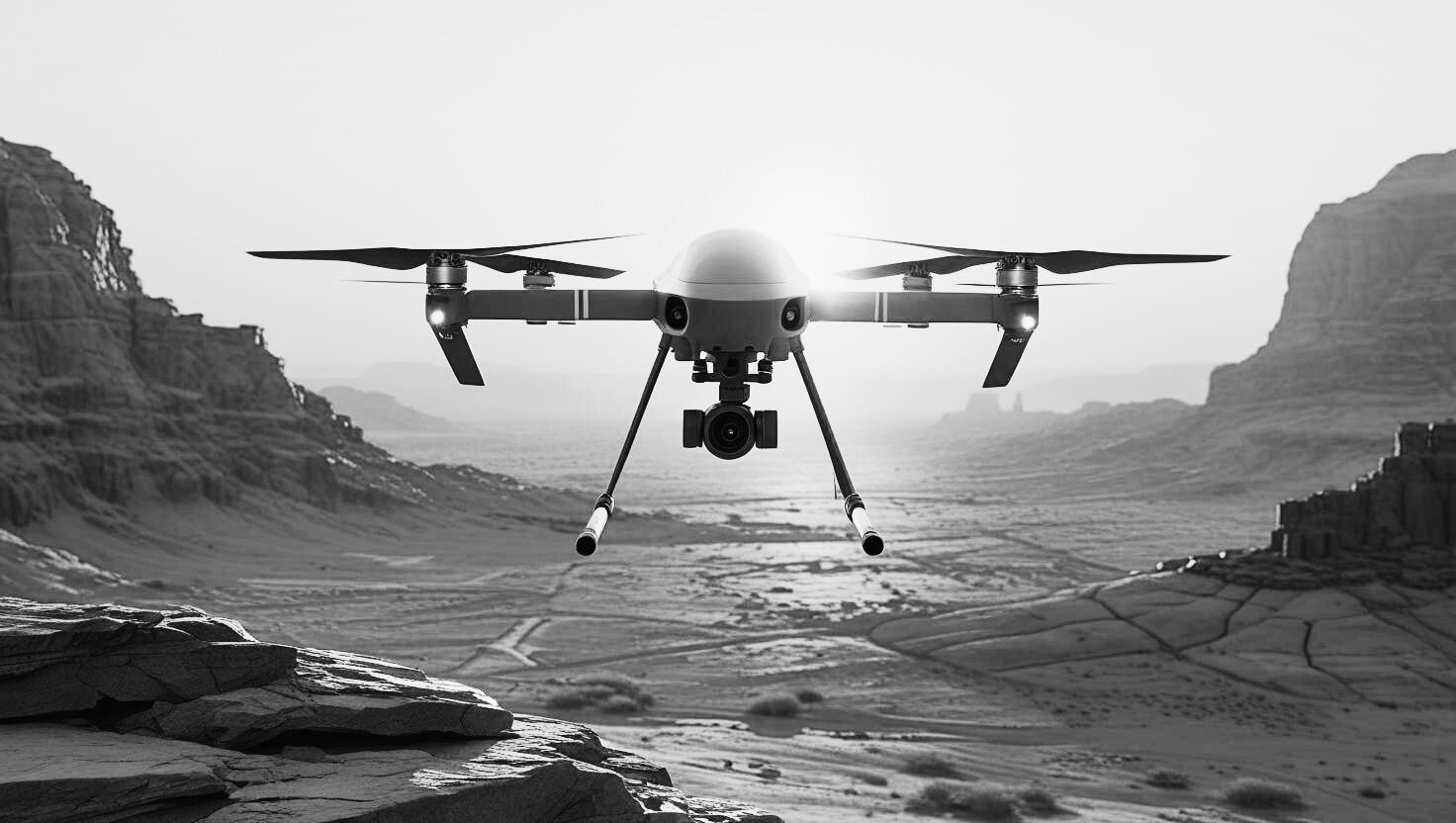
At the core of the partnership is TYTAN’s kinetic Interceptor-S system, which has been successfully integrated into the mission module of the BOXER RCT30. This configuration was previously showcased during Bundeswehr trials in Munster and Bergen, where emerging technologies are evaluated for potential operational deployment.
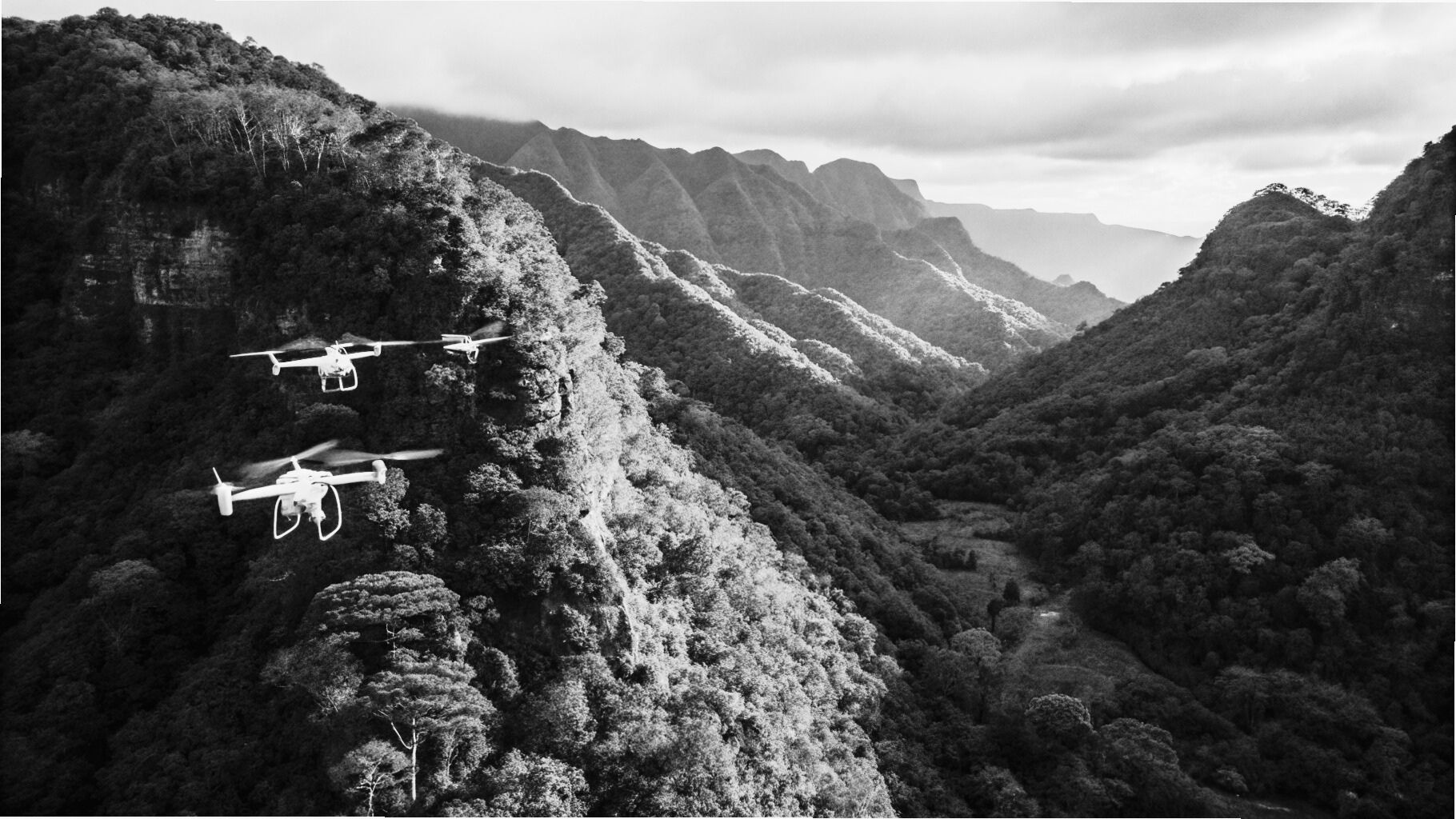
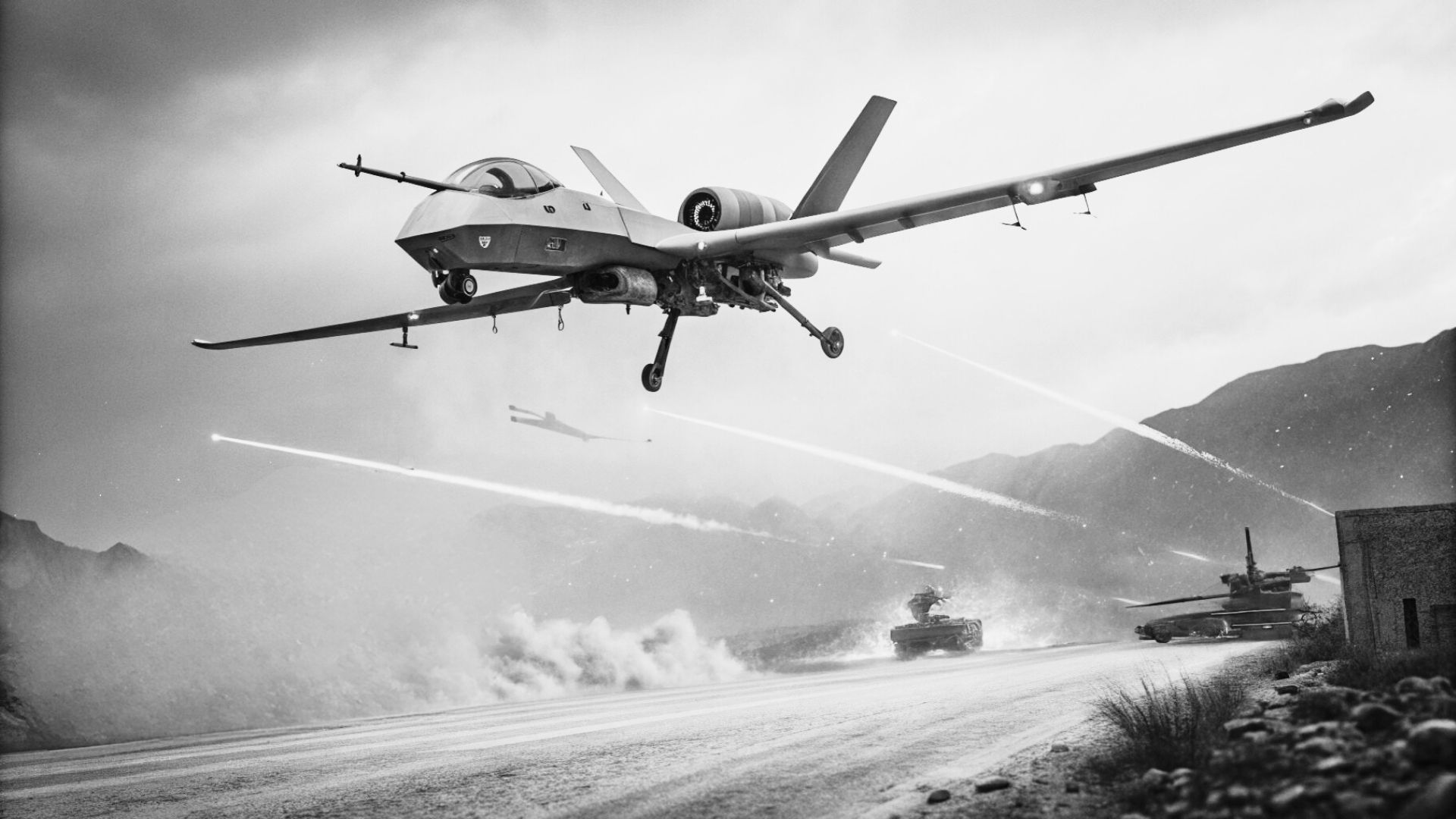
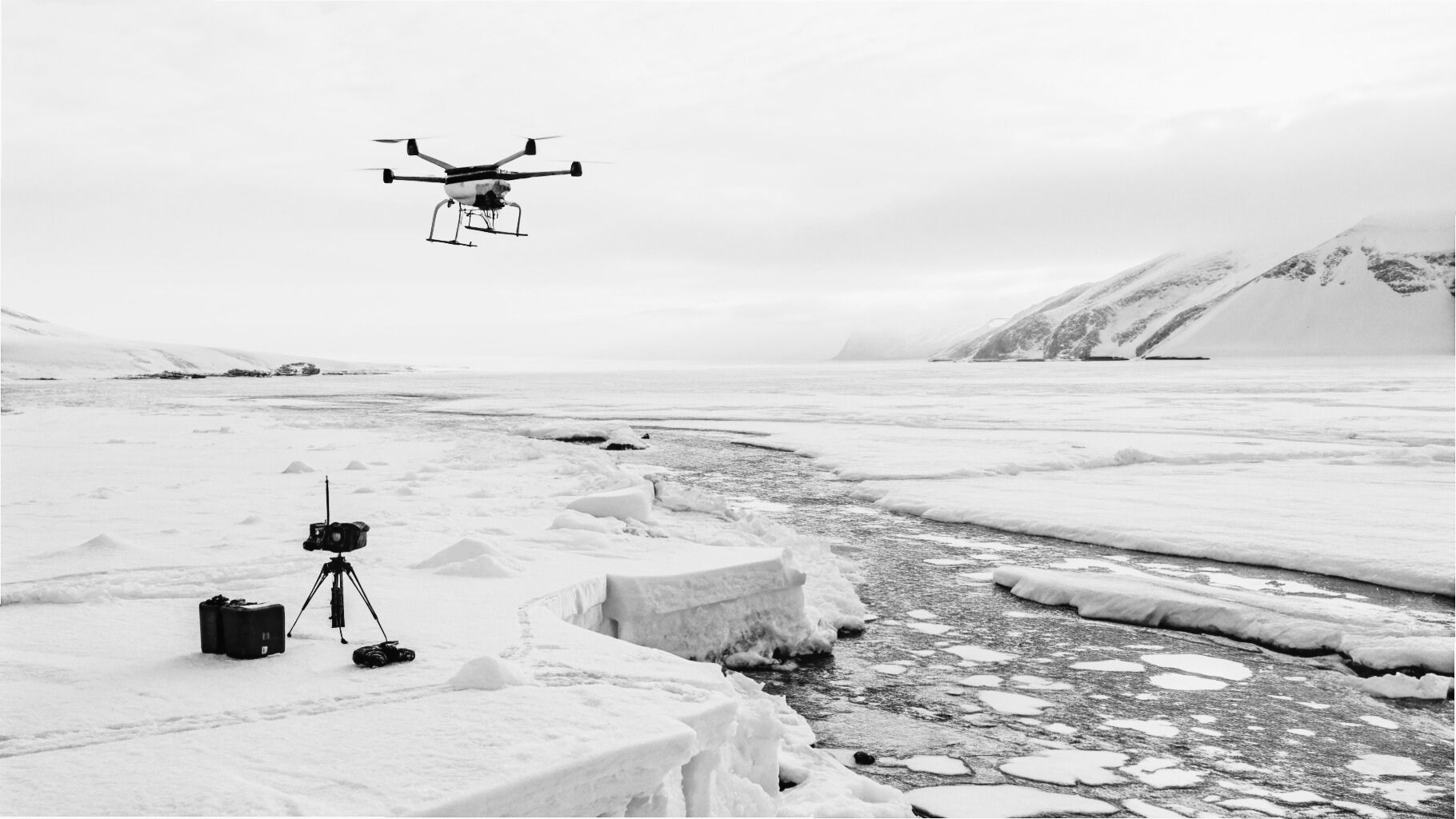
Through the expanded partnership, KNDS and TYTAN aim to field integrated counter-drone capabilities designed to protect armoured vehicles and their crews from unmanned aerial threats. The concept is based on drone-on-drone interception, a rapidly gaining operational preference as militaries adapt to the proliferation of low-cost, rapidly evolving aerial systems across the battlefield.
Beyond platform-level integration, the agreement also includes joint development work toward what the companies describe as a future European standard for mobile UAS launch solutions, indicating ambitions that extend beyond national programmes toward broader continental interoperability.
Strengthening Germany’s Counter-Drone Ecosystem
The KNDS–TYTAN collaboration forms part of a broader expansion of Germany’s counter-drone architecture, driven by the increasing operational threat posed by small unmanned aircraft. In 2023, Rheinmetall secured contracts linked to the Skyranger 30 mobile air defence system, which integrates radar, electro-optical sensors, and a cannon optimised for engaging drones and short-range aerial threats. Germany selected the system as part of its wider effort to rebuild short-range air defence capabilities after prolonged capability gaps.
Sensor specialist Hensoldt has also deepened its involvement in counter-UAS programmes. Between 2022 and 2024, the company delivered radar and sensor solutions optimised for detecting small, low-flying drones, supporting both base protection and mobile air defence missions, and recently entered into a cooperation agreement with TYTAN for counter-drone solutions.
Germany has also leveraged innovation from smaller technology firms. Dedrone, a German-founded counter-UAS company, supplied drone detection and identification systems for military and security evaluations, both before and after its acquisition by US firm Axon in 2024.