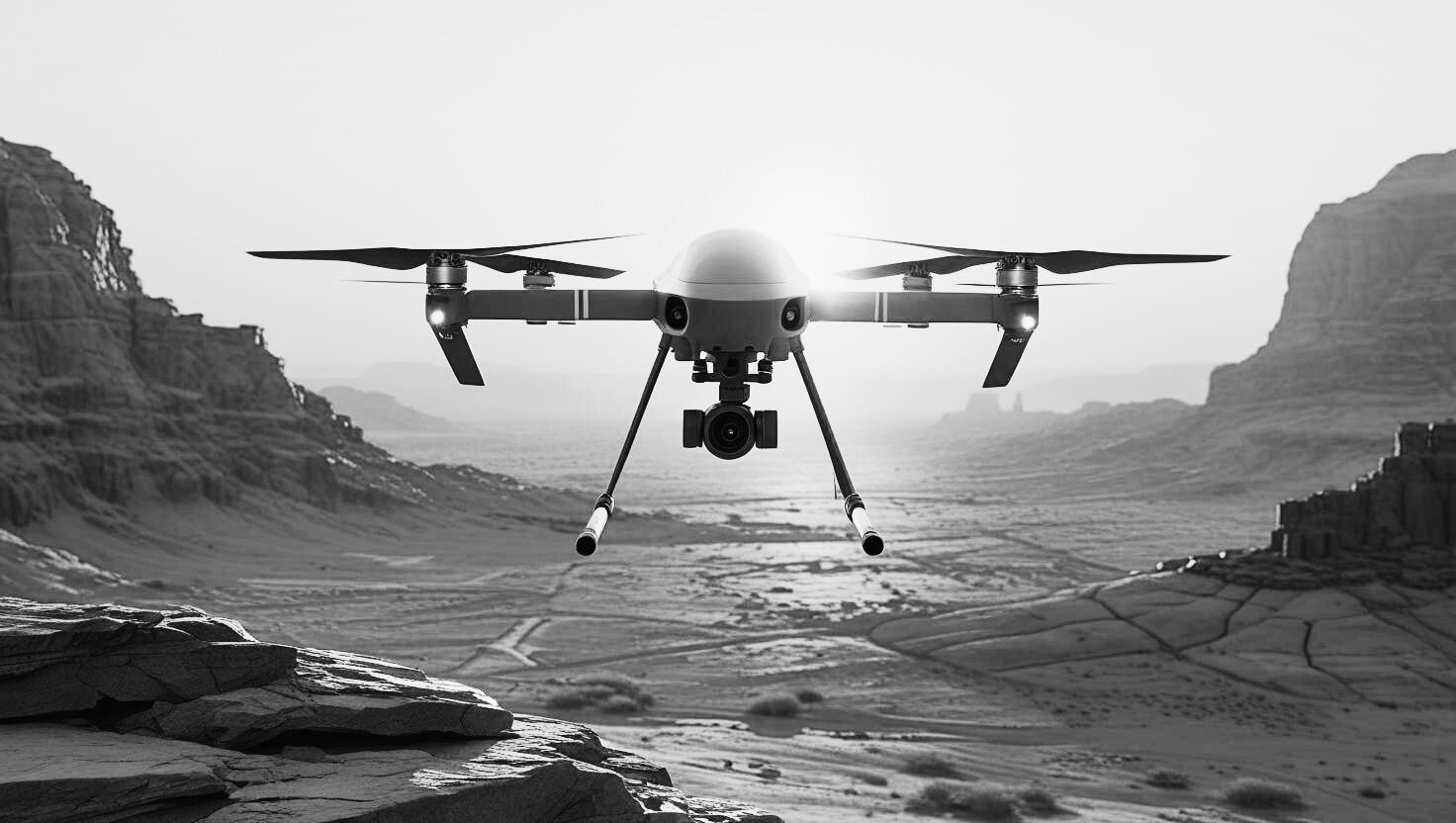

Estonia, Latvia, and Belgium have begun taking delivery of the BLAZE autonomous interceptor drone system developed by Origin Robotics, marking the first operational deployment of a domestically produced, fully autonomous counter-UAS interceptor across European NATO forces.
Following procurement announcements just months earlier, all three countries started receiving the BLAZE systems in January. Origin Robotics, a Latvia-based company, designed the platform with a STANAG-compliant warhead module and NATO interoperability in mind, enabling rapid integration into allied defence architectures.
Latvia initiated its procurement in early October 2025, Belgium followed in November with a €50 million ($59 million) Ministry of Defence allocation for counter-drone capabilities, and Estonia placed its order shortly thereafter. Deliveries are occurring in phased batches, with all three nations now entering the early integration phase within their national defence networks.
According to Origin Robotics, the interceptor drones are operational upon delivery and immediately deployable, offering a sharp contrast to traditional defence acquisition timelines that typically extend over multiple years. National assessment teams, including Latvia’s Autonomous Systems Competence Center, will conduct operational testing to determine optimal integration pathways into existing air defence structures.
Autonomous Interceptor Systems
Autonomous interceptor drones are AI-enabled unmanned systems that independently detect, track, and engage hostile UAVs using onboard sensors and algorithms, without continuous human control throughout an engagement. This model differs fundamentally from conventional manually piloted interception systems, as it enables real-time, in-flight decision-making in contested environments.
Comparable technologies are already emerging globally. US forces have fielded Fortem Technologies’ DroneHunter systems, which autonomously detect and intercept small drones using AI, radar, and net-capture mechanisms under Pentagon counter-drone initiatives. These systems can operate independently or in coordinated groups to protect controlled airspace.
In parallel, Ukraine and the UK have launched joint production of Octopus-100 autonomous interceptor drones, designed to autonomously detect and destroy enemy UAVs, with early manufacturing efforts strengthening allied industrial cooperation in 2025. Israeli defence firms have also demonstrated autonomous counter-UAS platforms during national trials, including radar-guided interceptor drones and AI-driven spatial systems capable of identifying and engaging aerial threats, with multi-company evaluations conducted throughout 2025.