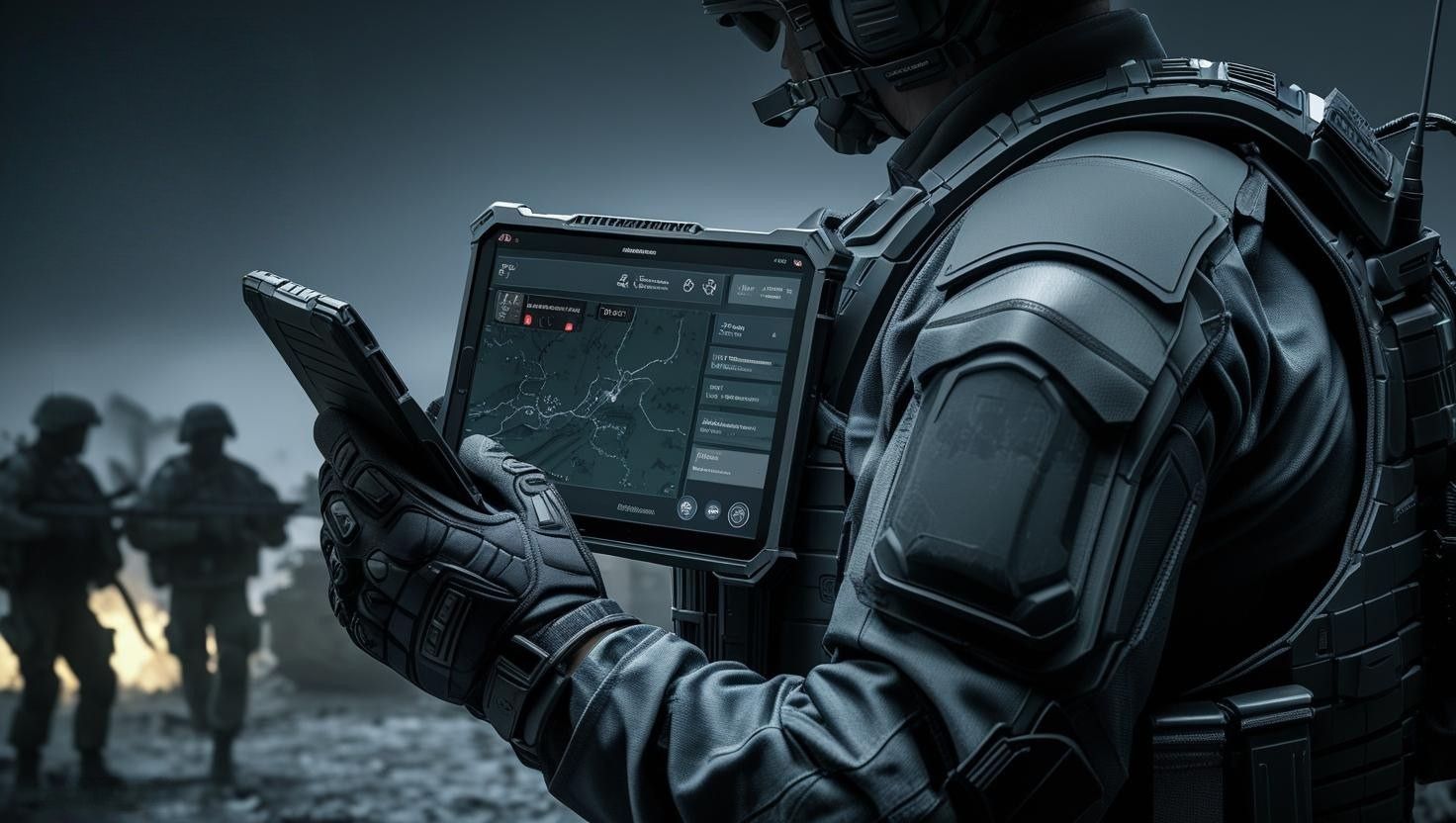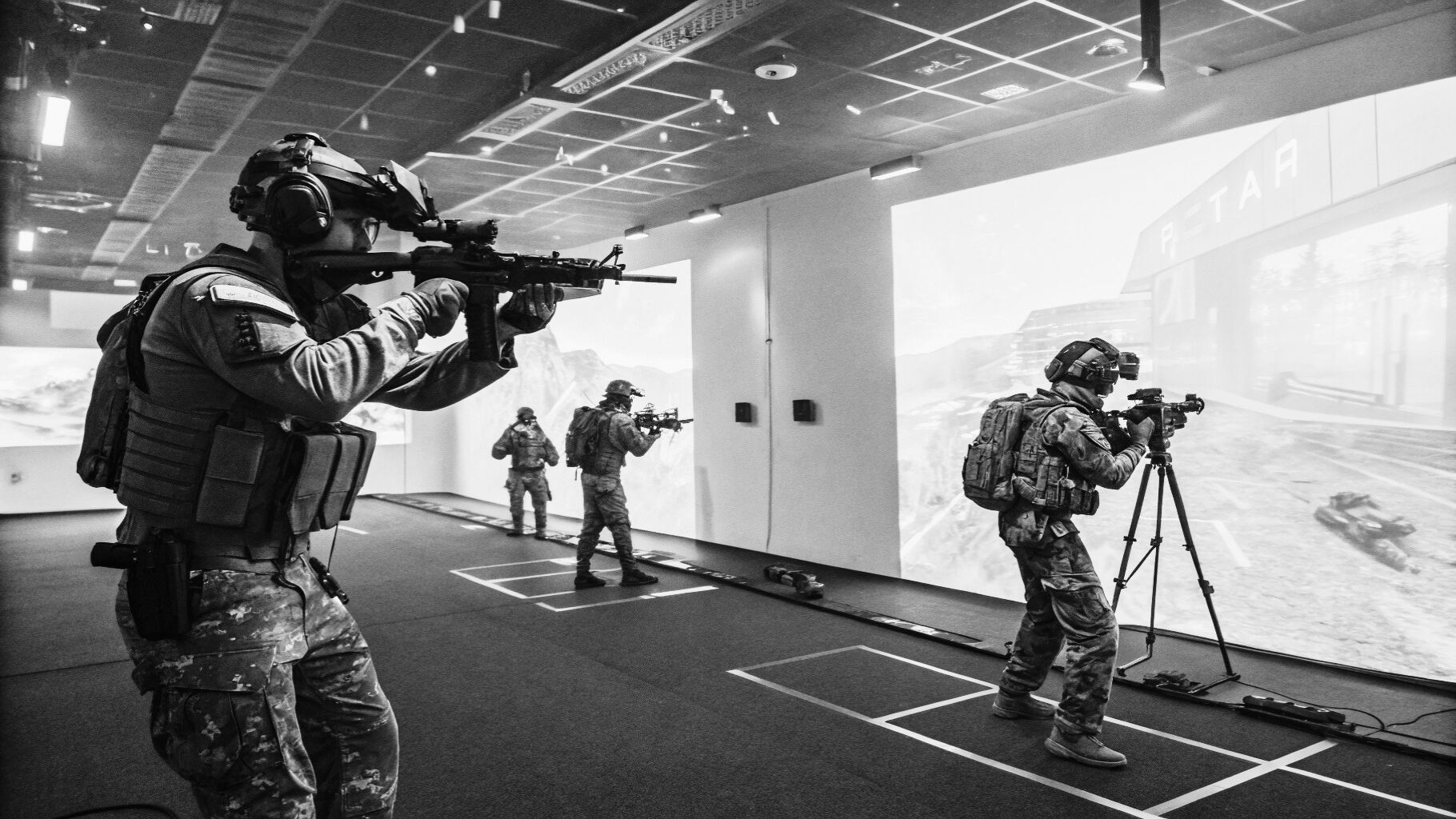

BAE Systems has revealed that its subsidiary OneArc has secured a five-year contract to modernize the Italian Army’s virtual training infrastructure.
As part of the agreement, the army will replace its legacy VBS3-based systems with VBS4, OneArc’s latest virtual simulation and mission rehearsal platform. The upgrade will also introduce Mantle, a high-fidelity terrain generation solution.
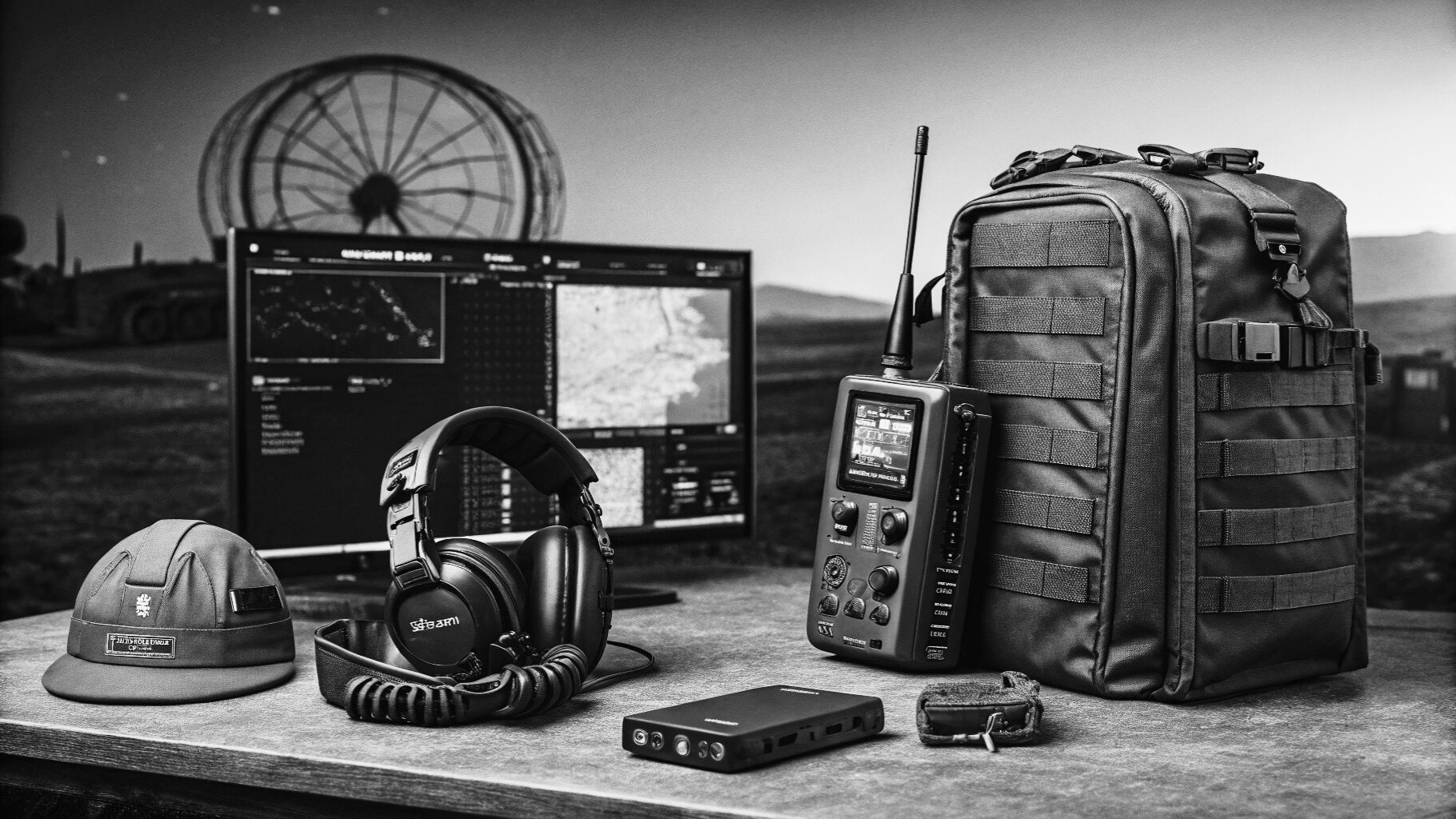
The contract scope includes the delivery of new training workstations, enhanced fire-integration features, and improved tools for building and managing digital operational environments.
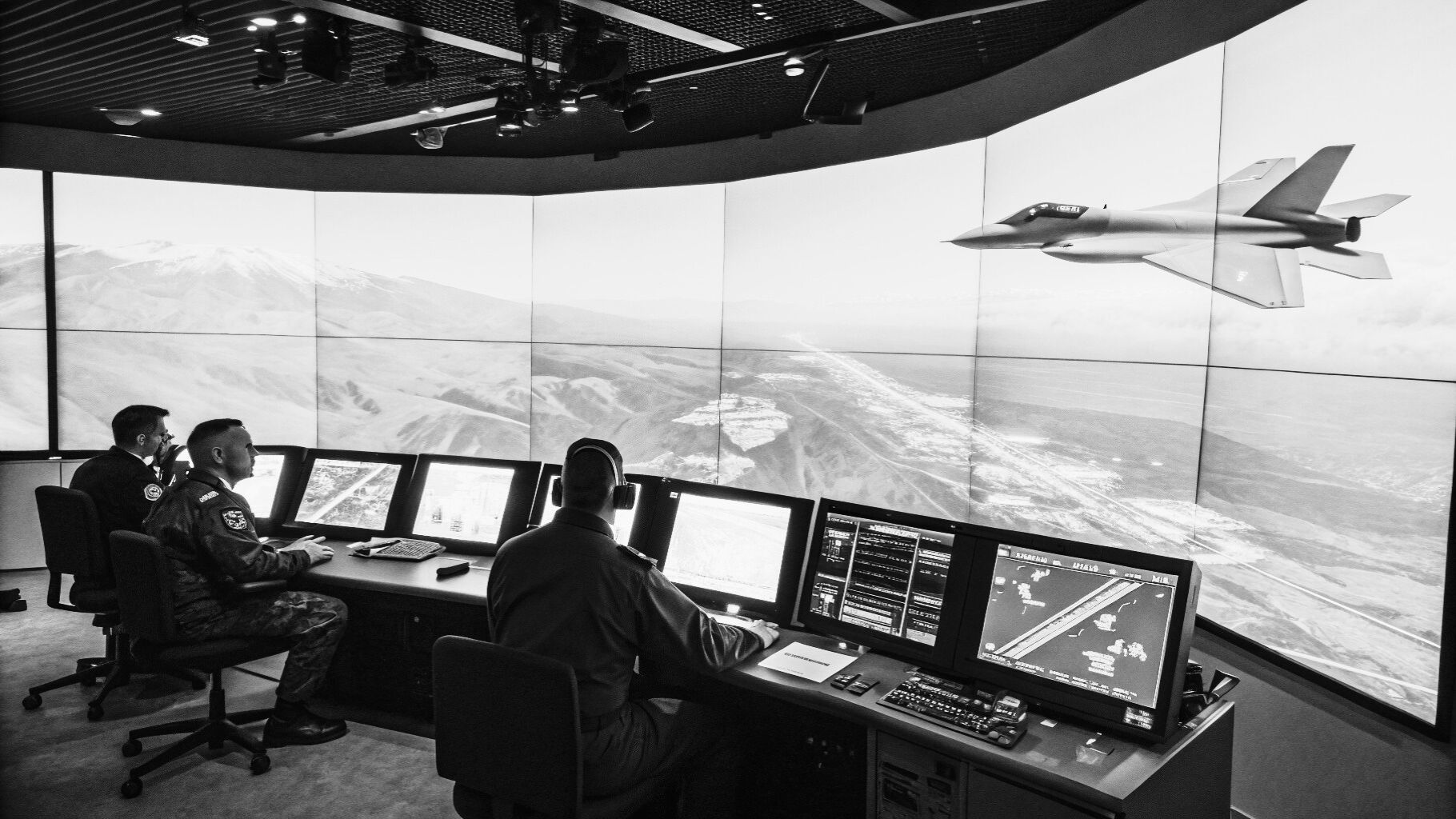
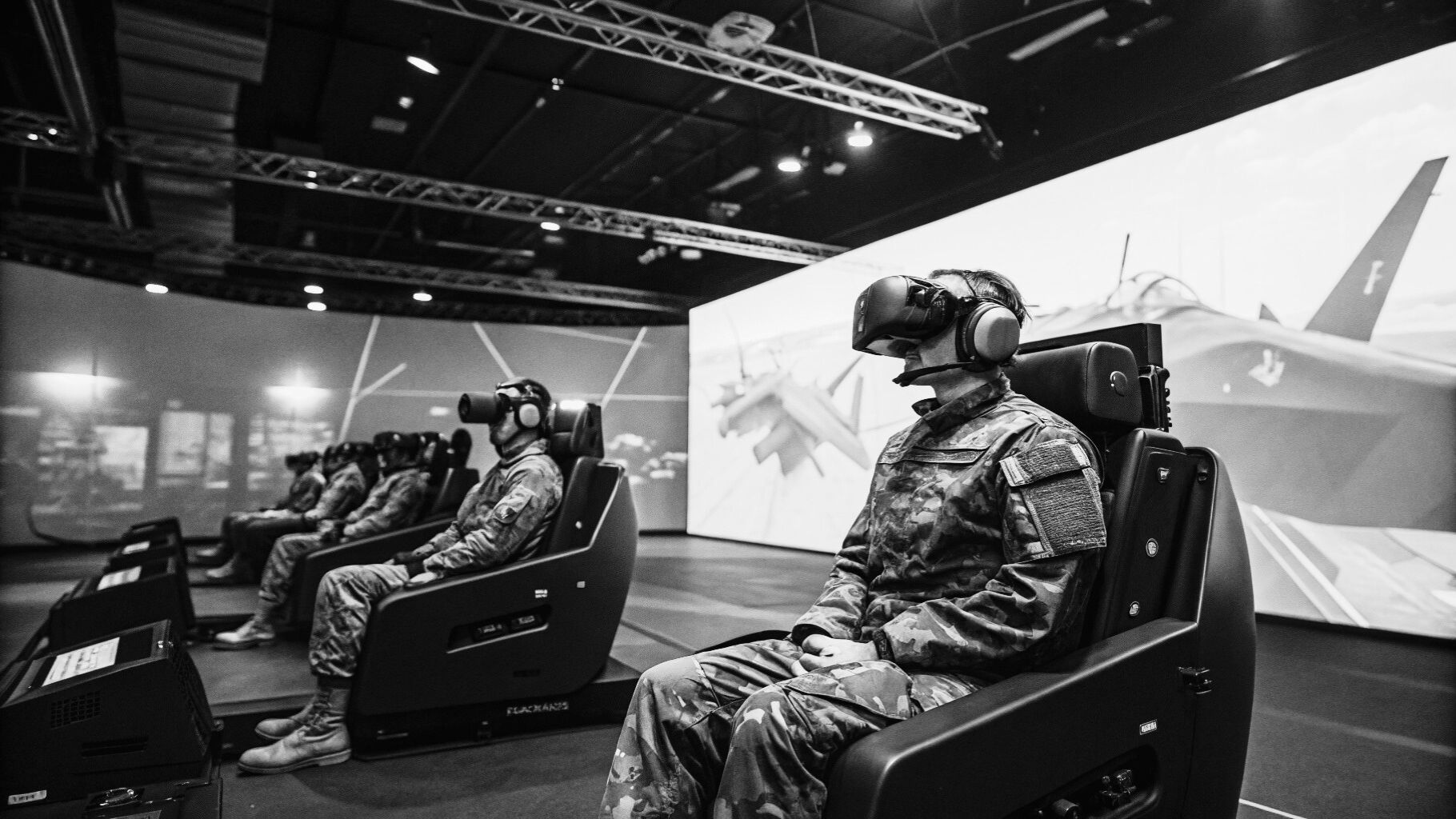
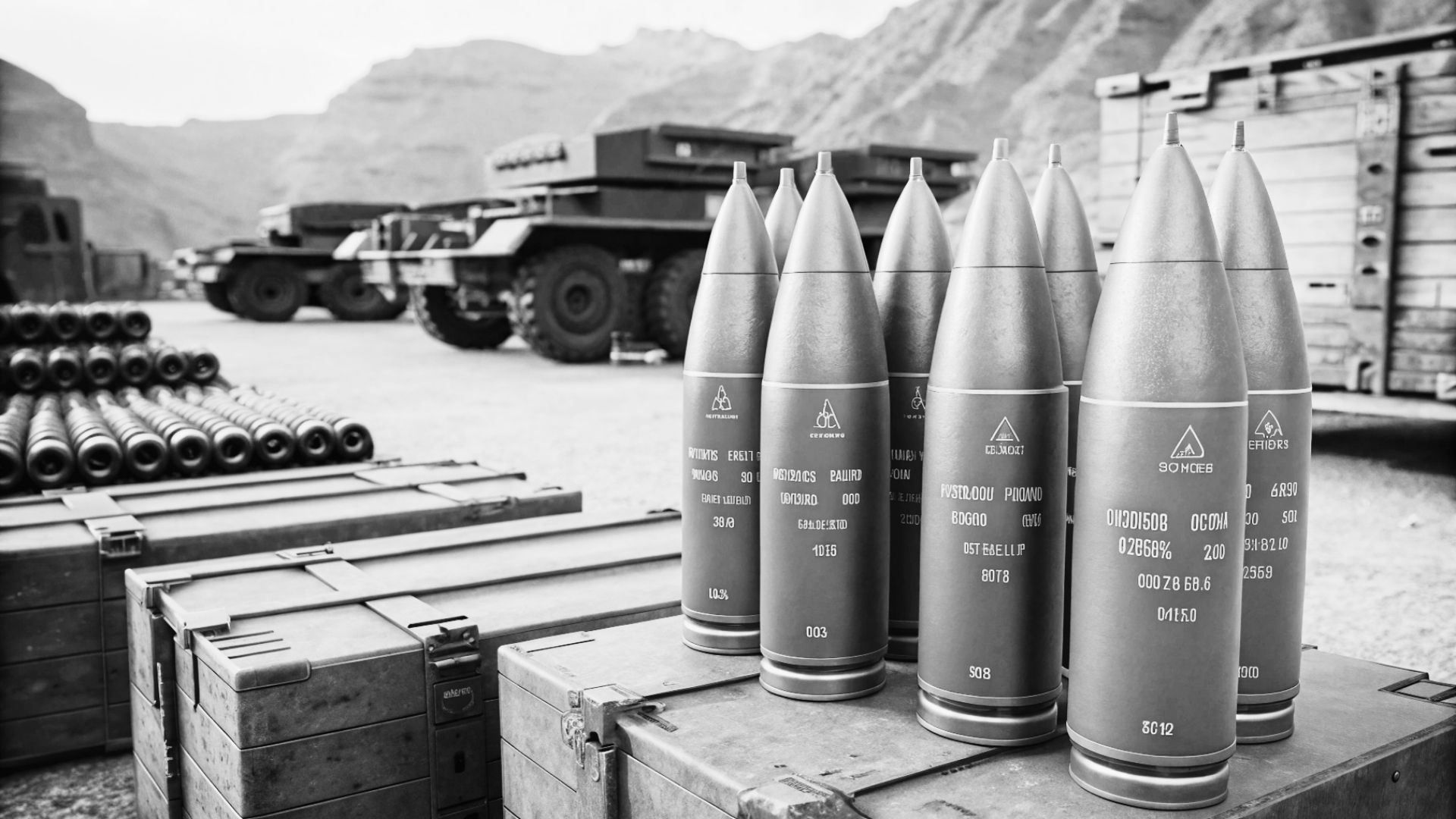
Italian forces rely on virtual simulation to sustain procedural and mission training for armored formations, aviation units, artillery personnel, snipers, and Joint Terminal Attack Controllers. The modernization effort is aimed at preserving these training activities while boosting system performance, supporting more advanced multi-domain exercises, and strengthening terrain modeling accuracy.
Additionally, the upgrade will help maintain interoperability with NATO allies that utilize comparable simulation technologies for mission rehearsal and collective training.
Advanced Training Capabilities
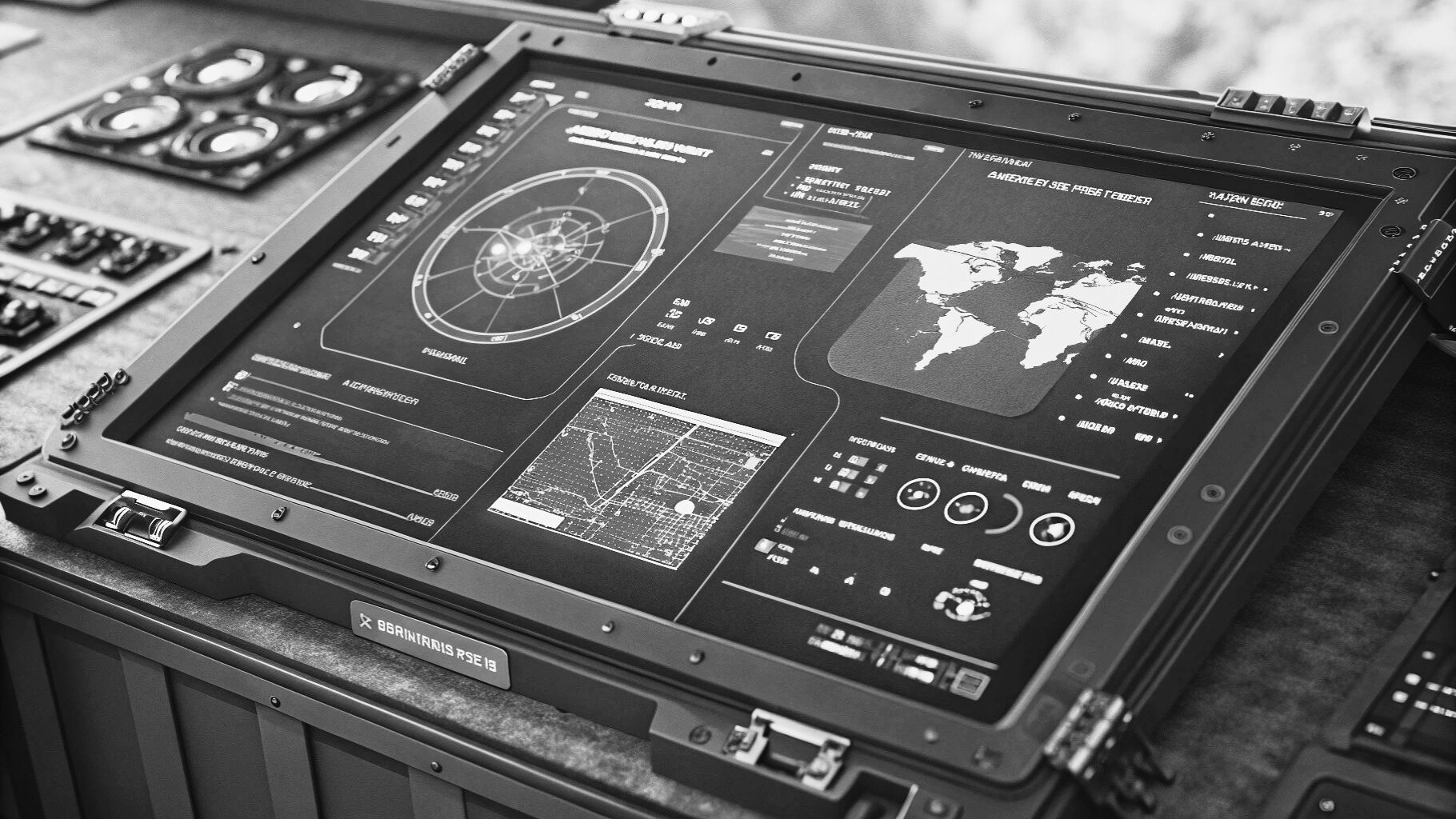
VBS4 is a desktop-based simulation and mission rehearsal system designed to generate realistic military scenarios within a fully digital framework.
It enables personnel to conduct training globally through access to an integrated worldwide terrain database enriched with procedural detail. Instructors and mission planners can directly edit terrain using user-friendly tools, eliminating the need for specialized geospatial skills.
The system also delivers detailed after-action reviews, allowing exercises to be replayed in both 2D and 3D from any viewpoint. Performance metrics are automatically recorded to support assessment and analysis.
Mantle enhances these capabilities by streamlining the development and management of digital terrain environments. It allows both technical specialists and general users to rapidly create, adjust, and deploy realistic settings.
By leveraging automation and procedural generation—such as constructing buildings from satellite imagery or placing vegetation according to biome data—Mantle reduces time, costs, and dependence on specialist personnel while enabling quick updates to reflect changing operational requirements.