Belarus has taken delivery of an additional batch of Russian-built Su-30SM2 multirole fighter jets, with officials indicating the aircraft could be placed on air-defense duty within weeks. The move further deepens Minsk’s military integration with Moscow and strengthens fighter coverage along NATO’s eastern flank.
State media reports, citing the Belarusian Ministry of Defense and Russia’s TASS news agency, confirmed the transfer as part of ongoing military-technical cooperation between the two allies. Belarusian officials said the newly delivered aircraft will undergo a short period of technical familiarization before entering active service, highlighting the country’s role as Russia’s closest military partner in Europe under longstanding joint defense arrangements.
The delivery reinforces Belarus’s position within the Union State framework and its participation in the joint regional air defense system established with Russia in 2012. This integrated structure is operationally significant given Belarus’s proximity to Poland, Lithuania, and Latvia, where fighter readiness and ground-based air defenses are closely linked to regional security dynamics.
Neither Minsk nor Moscow disclosed the number of aircraft delivered in the latest batch. However, independent Belarusian reporting suggests at least two Su-30SM2s were observed during transit, consistent with earlier paired deliveries. The handover builds on a 2017 contract reportedly worth around $600 million for 12 Su-30-family fighters, with initial deliveries beginning in 2019. Analysts note that Belarus had already received eight Su-30SM aircraft before transitioning to the upgraded SM2 variant.
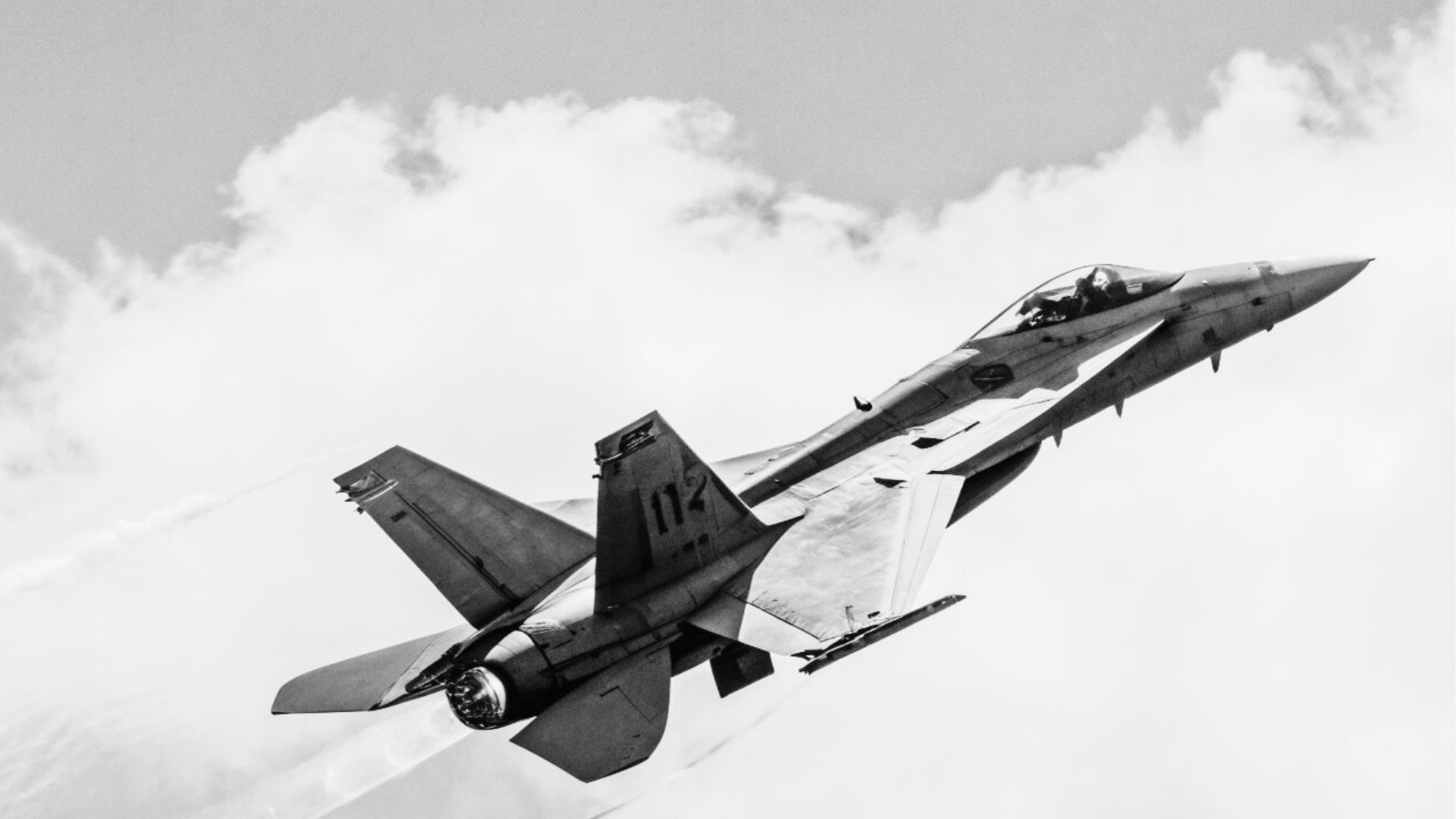
The Su-30SM2 is a modernized 4+ generation multirole fighter, incorporating upgrades aligned with Su-35-class subsystems. Enhancements reportedly include more powerful engines, upgraded radar and avionics, improved electronic warfare systems, and expanded compatibility with advanced Russian munitions. The aircraft retains hallmark Su-30 features such as a two-seat cockpit and high maneuverability enabled by thrust-vectoring, supporting complex air combat and strike missions.