The US Air Force has awarded Boeing a $2.04 billion contract to advance development of the B-52 Commercial Engine Replacement Program (CERP), a key element of the bomber’s long-term modernization effort.
The task order covers post–critical design review activities, including full system integration, as well as the modification and flight testing of two B-52 aircraft equipped with Rolls-Royce F130 engines and related subsystems. Program work will be carried out at facilities in Oklahoma City, Oklahoma; San Antonio, Texas; Seattle, Washington; and Indianapolis, Indiana, with completion scheduled for May 31, 2033.
An initial $35.8 million has been obligated under the contract, with additional funding expected to begin in fiscal year 2026 through research, development, test, and evaluation (RDT&E) accounts.
The engine replacement effort is part of a broader initiative to modernize the Air Force’s 76 B-52H Stratofortress aircraft to the B-52J configuration, which also includes upgrades to radar, communications, and navigation systems. As part of the program, the bomber’s legacy Pratt & Whitney TF33 engines will be replaced with Rolls-Royce F130 commercial-derivative engines, which completed critical design review in December 2024.
The F130 engines are expected to deliver improved reliability, lower sustainment costs, and greater fuel efficiency, while also providing increased electrical power, digital engine controls, and modernized cockpit displays to support future avionics and weapons integration.
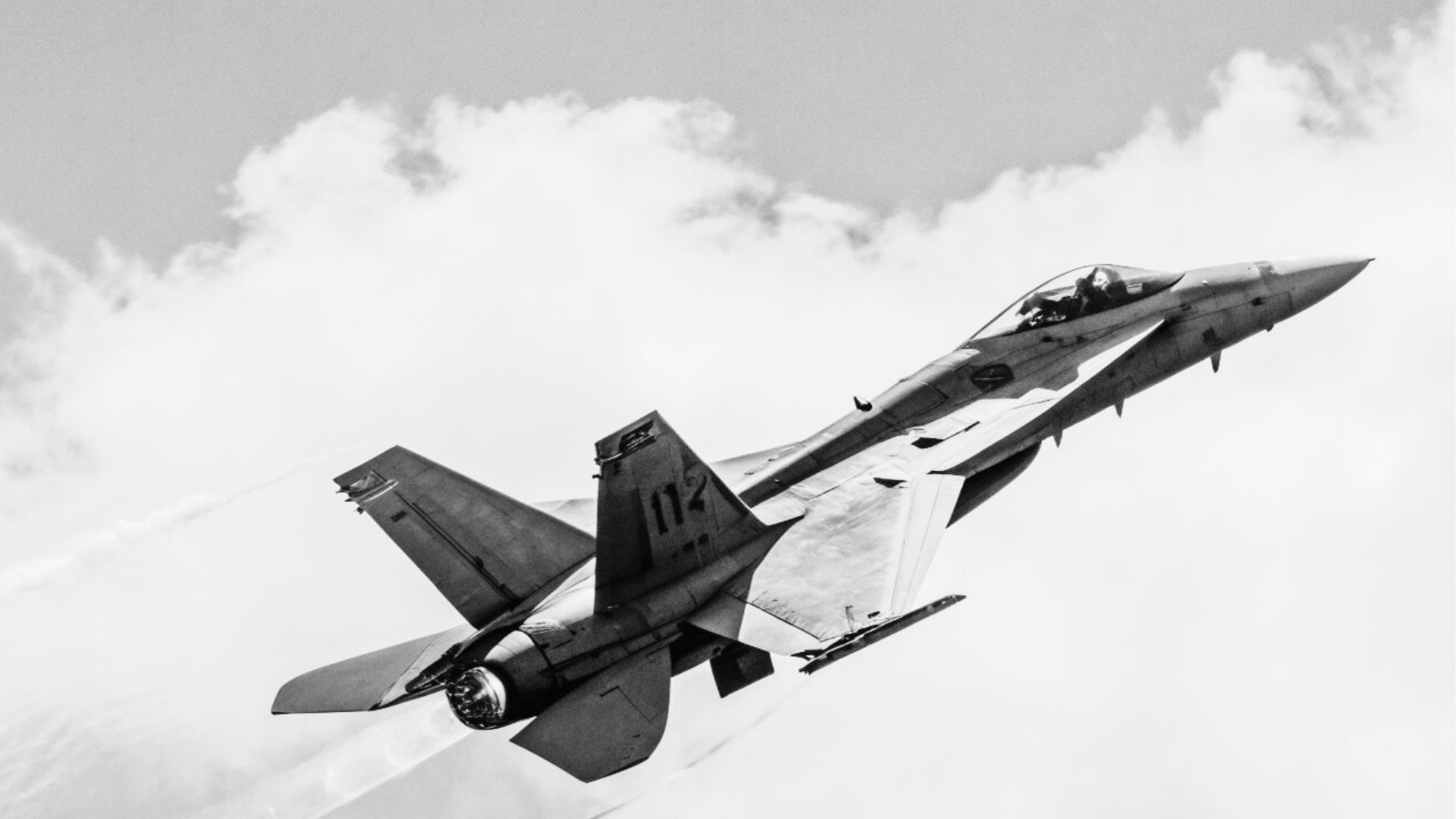
Complementing the propulsion upgrade, the B-52J will replace its AN/APQ-166 radar with the AN/APQ-188 active electronically scanned array (AESA) radar, derived from the AN/APG-79 used on the F/A-18E/F Super Hornet and incorporating technologies from the AN/APG-82 fielded on the F-15E and F-15EX. The new radar enhances multi-mode performance, including synthetic aperture radar, ground-moving target indication, and air-to-air sensing, while improving range and maintainability.
Beyond engines and radar, the B-52J program includes structural enhancements and a comprehensive avionics refresh, ensuring the iconic bomber remains operational through at least 2050.