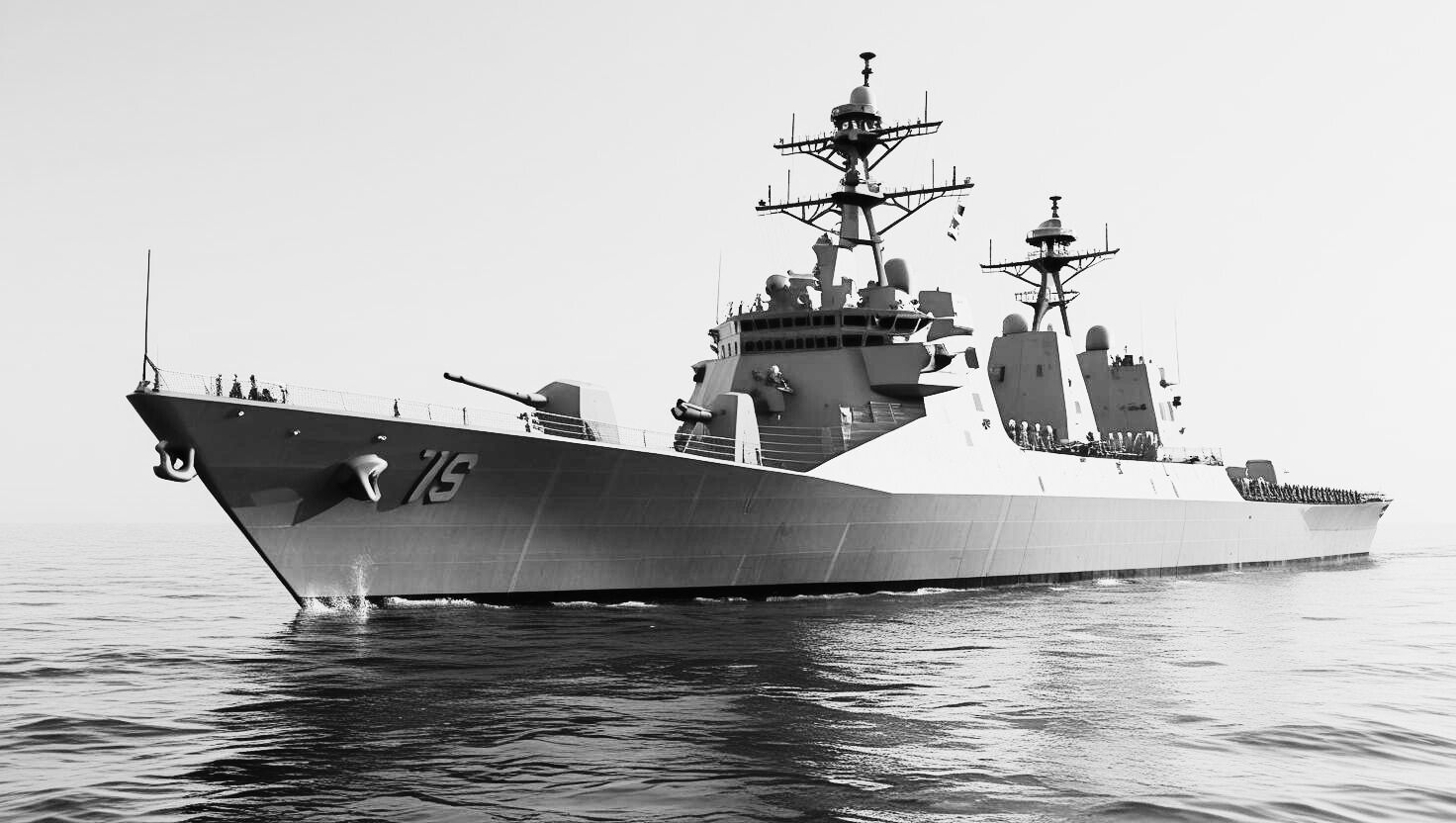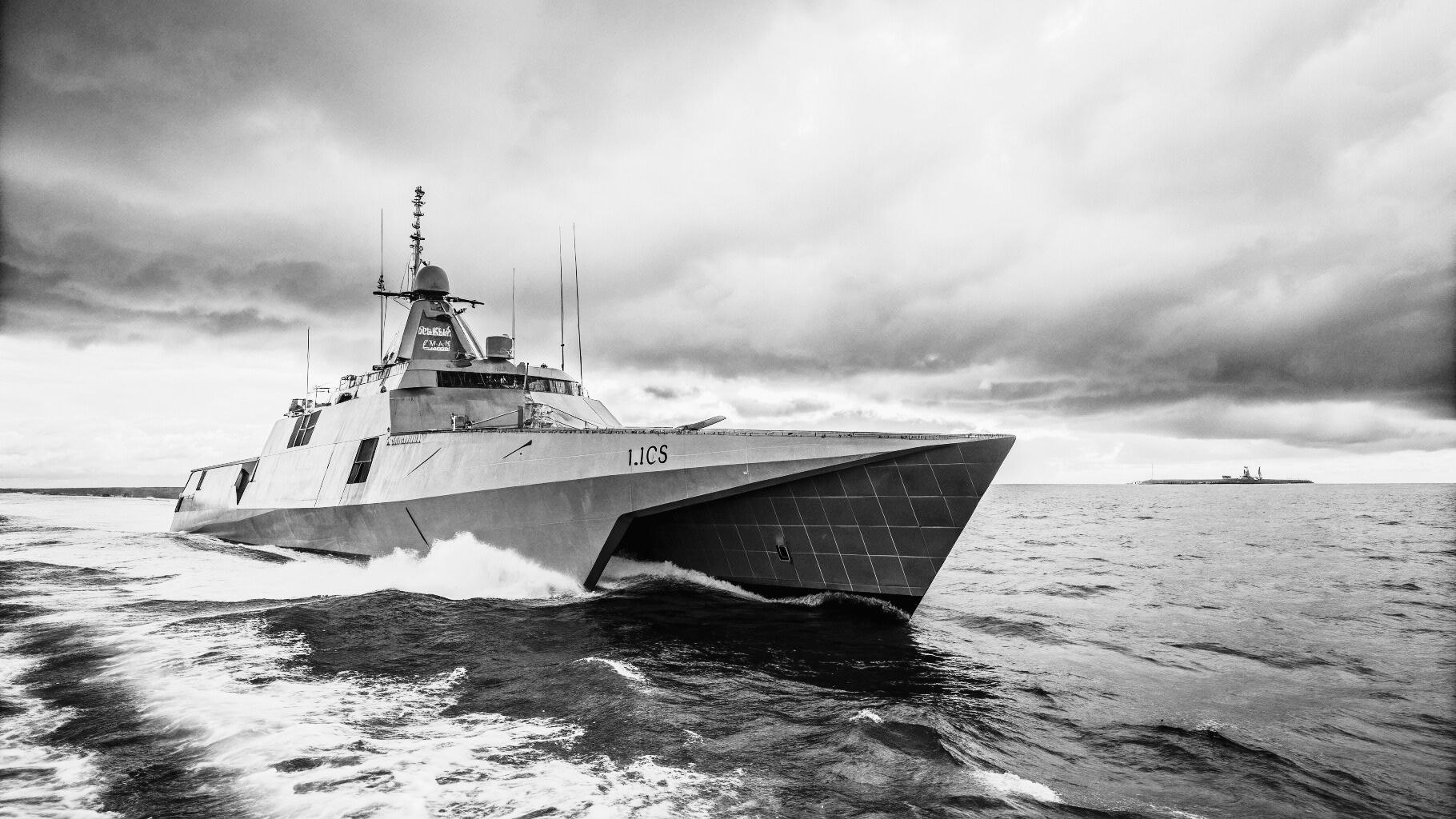
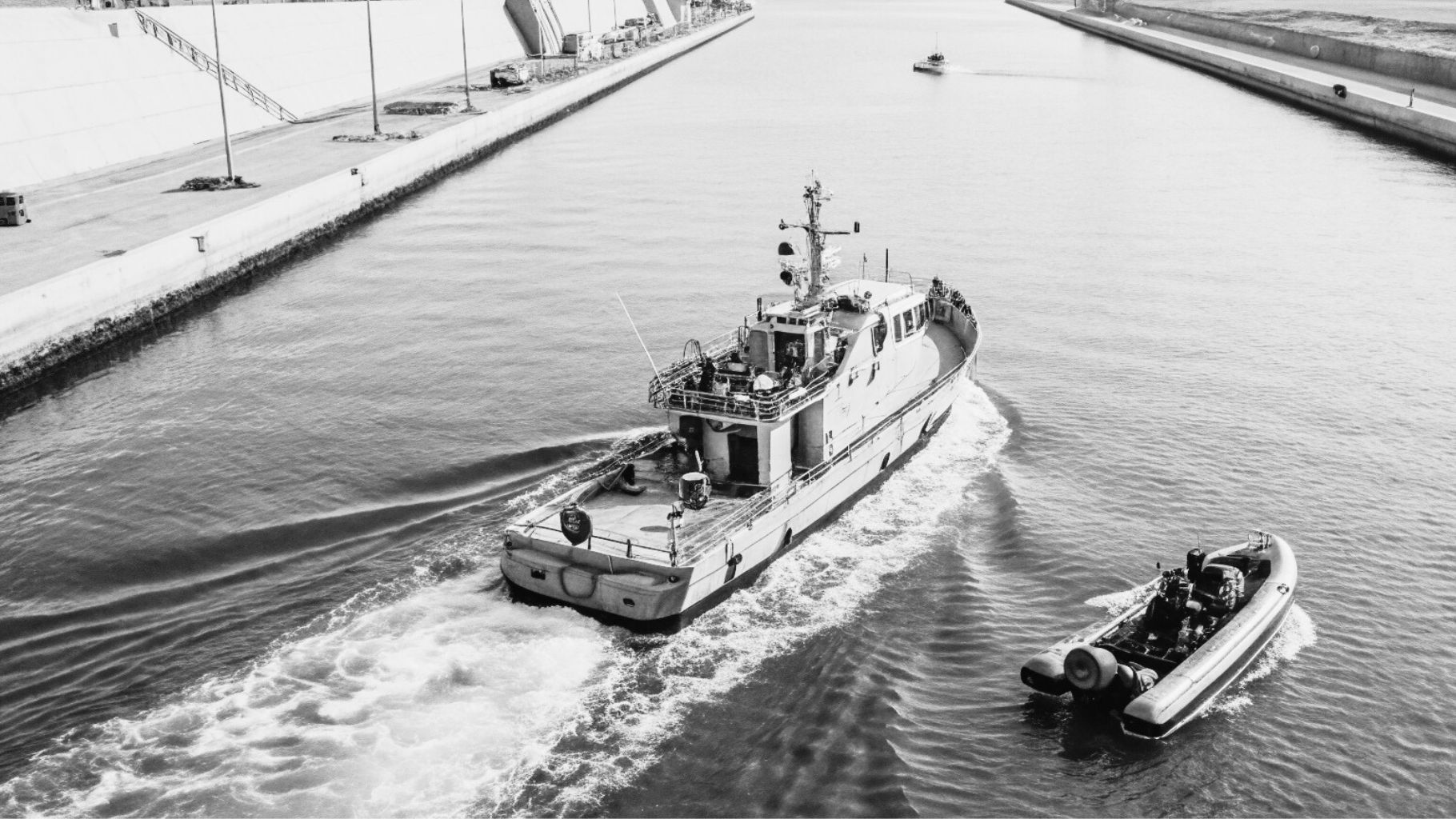
The Royal Netherlands Navy has received its first mine countermeasure vessel under the Belgian-Dutch Replacement Mine Countermeasures (rMCM) program.
The initiative covers 12 ships in total—six Vlissingen-class vessels for the Netherlands and six City-class vessels for Belgium. All are expected to enter service by 2030, replacing both nations’ aging minehunting fleets.
Although Vlissingen is the first Dutch vessel in the program, it is the second ship delivered overall, following the handover of the Belgian Navy’s Oostende (M940) in November 2025.
Next-Generation Mine Warfare Platforms
The rMCM contract was awarded in 2019 to Belgium Naval & Robotics, a consortium formed by French defense firms Naval Group and Exail.
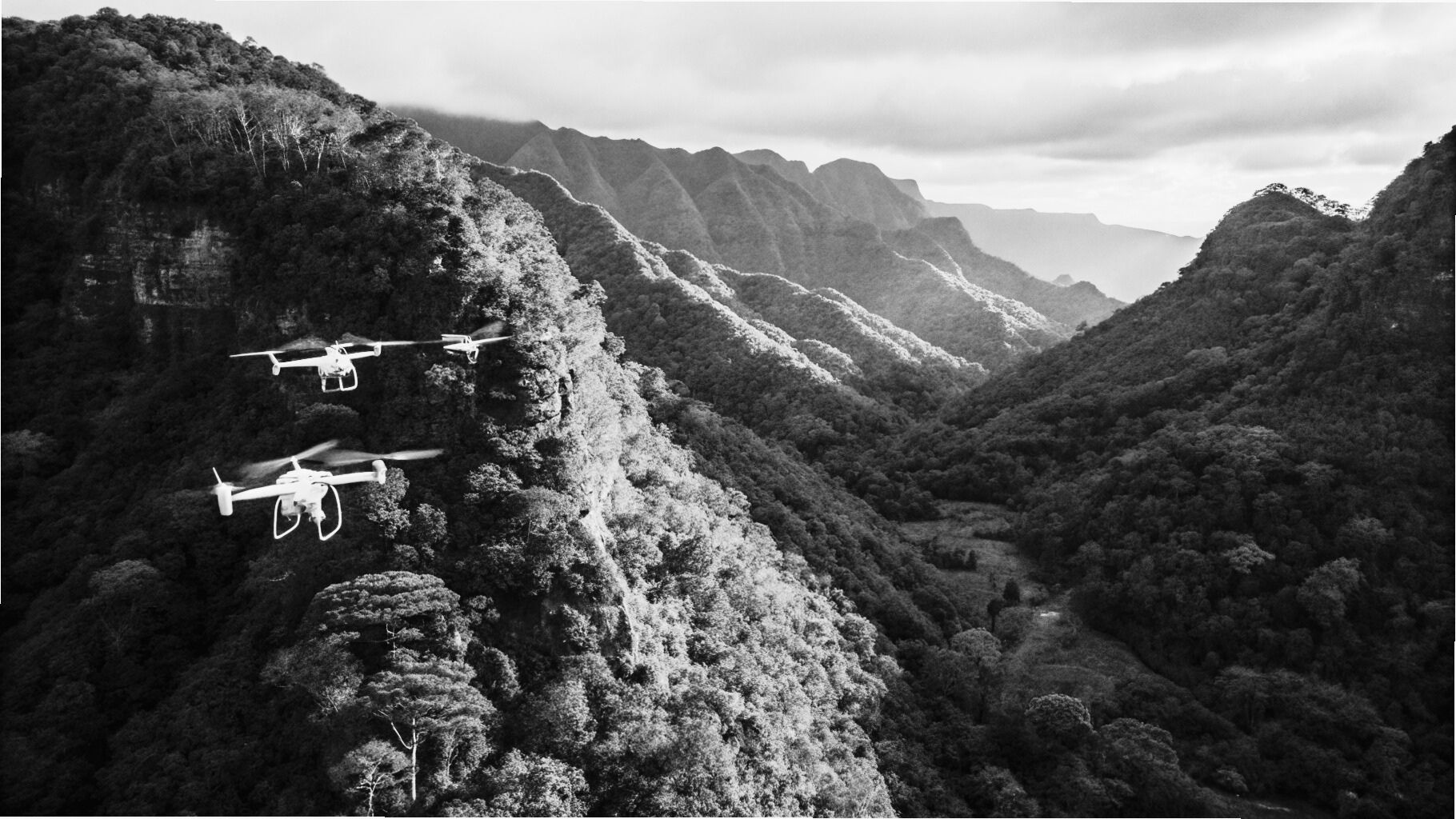
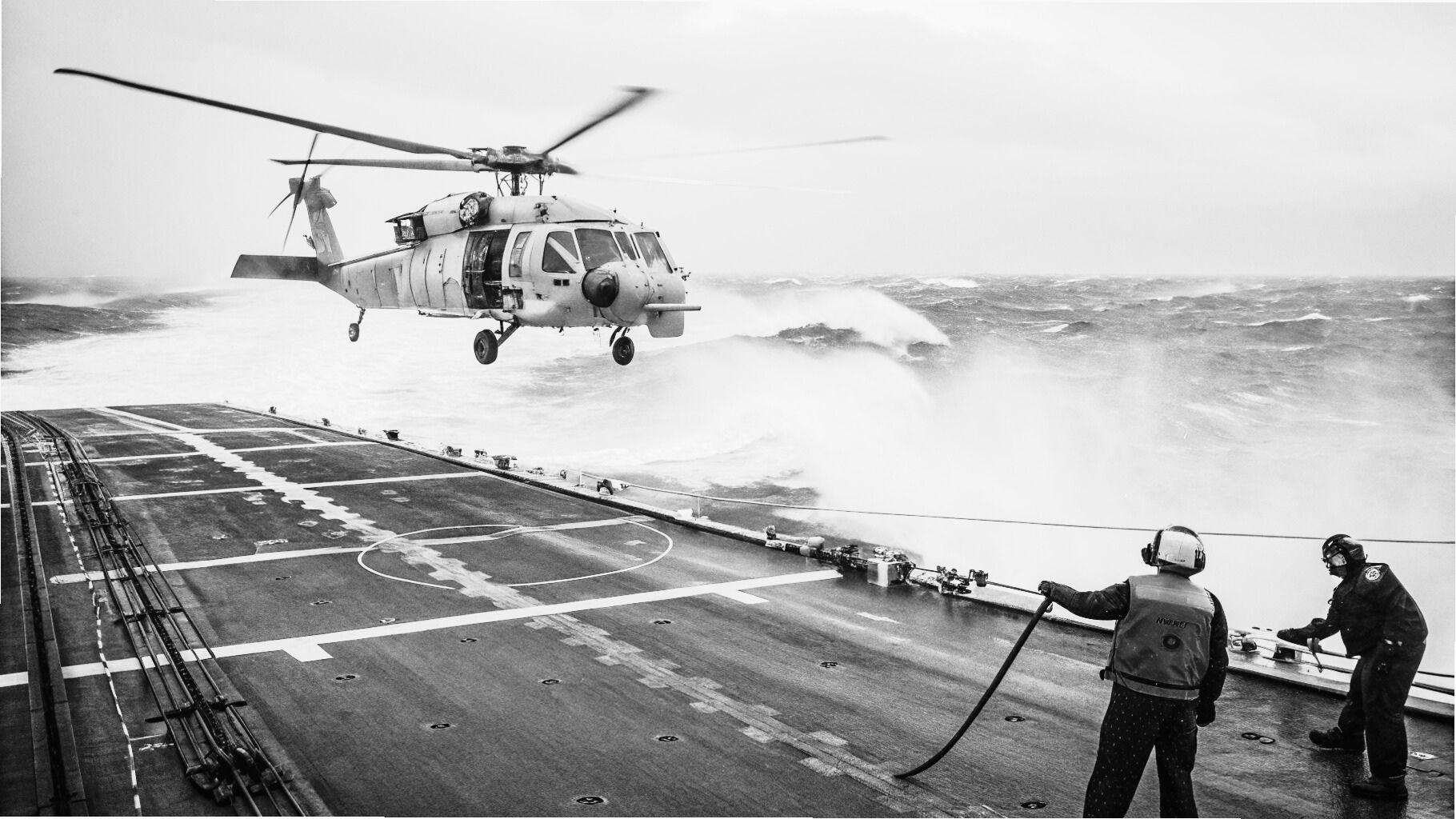
These vessels are designed to deploy a suite of uncrewed systems supplied by Exail, including two Inspector 125 uncrewed surface vehicles and three A-18 autonomous underwater vehicles. They are also equipped with two V200 Skeldar unmanned aerial systems from Saab.
In addition, the ships feature a robotic mine warfare system capable of detecting, classifying, identifying, and neutralizing naval mines.
Each platform measures 82.6 meters in length and 17 meters in width, accommodating a crew of up to 63 personnel. With a displacement of 2,800 tons, the vessels can reach a maximum speed of 15.3 knots and operate over a range of 3,500 nautical miles.
Naval Group is responsible for the ship design, while Exail oversees delivery of the drone systems and manages integration, testing, and commissioning of the mission suite. Construction and assembly are carried out by French shipbuilder Piriou under the industrial management of Kership, a joint venture between Naval Group and Piriou.
In 2023, France, Belgium, and the Netherlands formalized cooperation in mine warfare through a trilateral agreement. Rather than acquiring rMCM vessels, France will leverage the program’s design and technologies for its own mine warfare mothership initiative under the SLAM-F program.