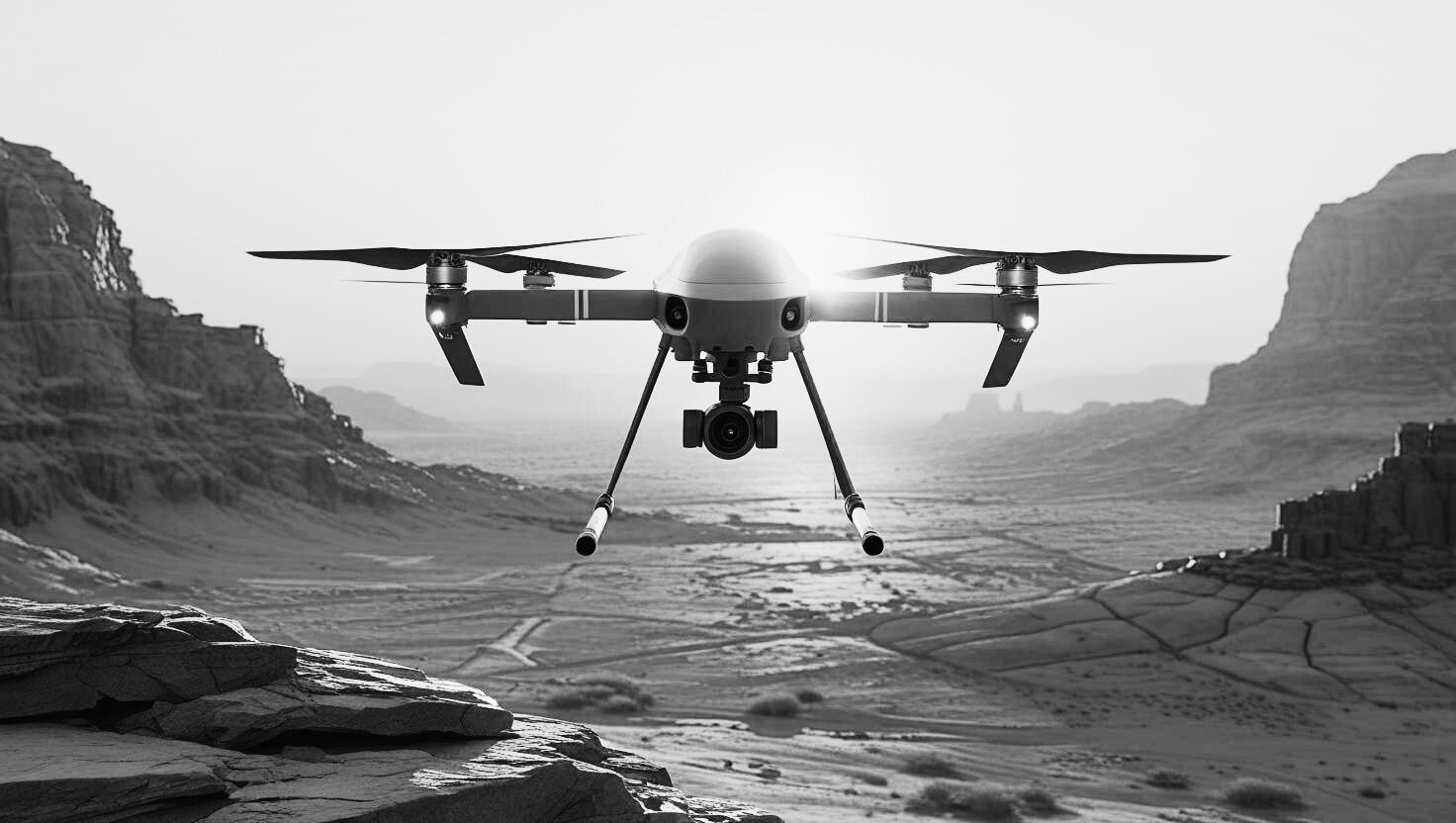
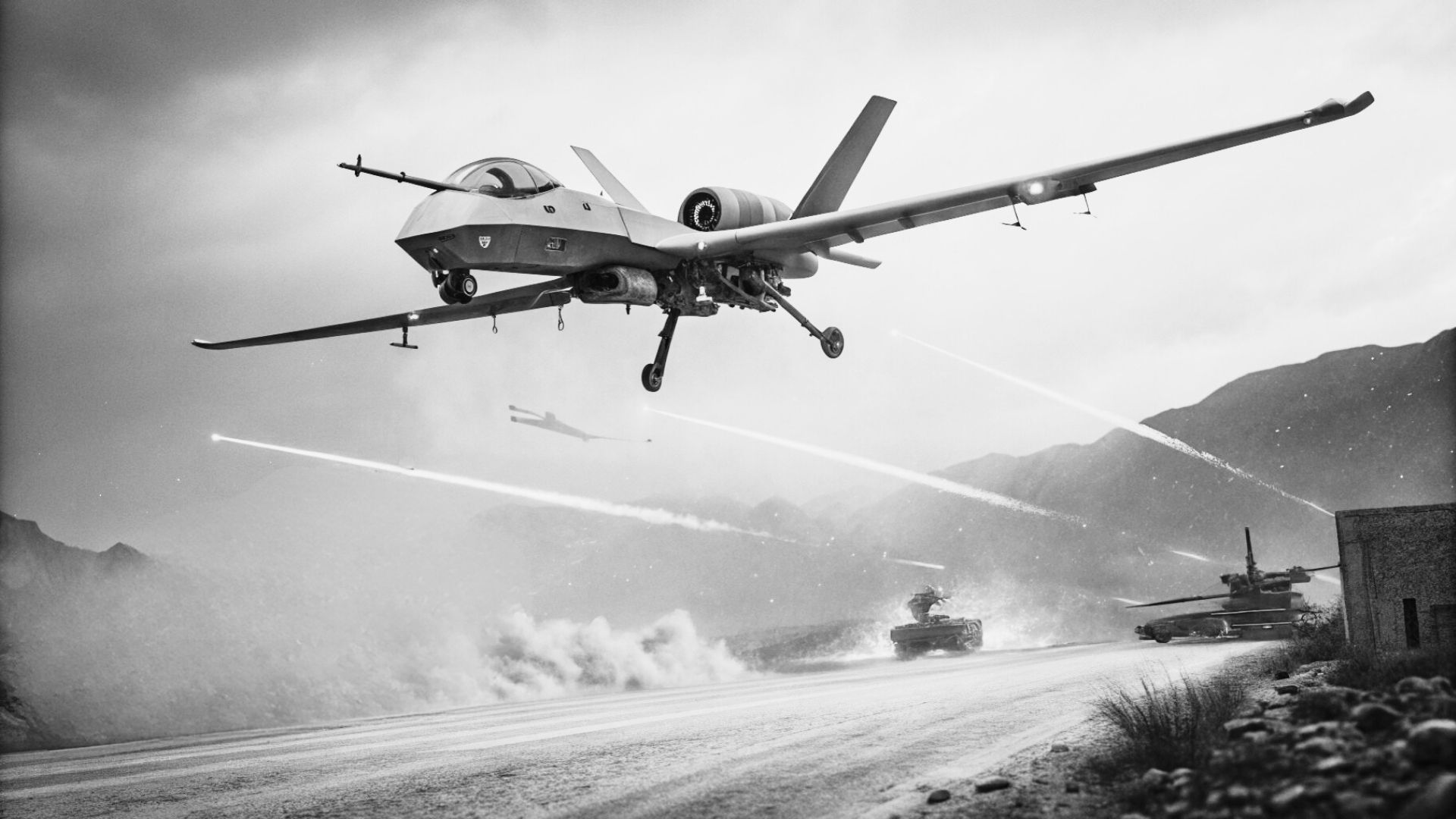
Greece is advancing its unmanned aerial capabilities through four new contracts focused on combat drone development.
The agreements were signed by the Hellenic Centre for Defence Innovation following extensive trials conducted during the National Joint Exercise PARMENION and involve collaboration between government research institutions and private industry.
One of the contracts was awarded to the Hellenic Research Technological Development and Innovation Center to develop kamikaze drones. The remaining three agreements cover the development of domestically produced Category I unmanned combat aerial vehicles designed for near-term deployment by the Greek Armed Forces.
According to the Ministry of National Defence (Greece), the projects represent a shift toward a sustainable, innovation-driven framework that links research efforts directly with production and operational military needs. The initiative is also intended to strengthen the country’s defense innovation ecosystem while aligning it more closely with frontline requirements.
Nikos Dendias, Greece’s defense minister, has highlighted innovation as a key response to evolving regional threats, noting that the establishment of the HCDI in 2023 played a crucial role in advancing domestic technological capabilities.
Modernizing Greece’s Drone Capabilities
In recent years, Greece has expanded its unmanned systems portfolio through a combination of foreign acquisitions and domestic development programs.
Earlier modernization plans included procuring Switchblade 300 and Switchblade 600 loitering munitions from the United States through a foreign military financing arrangement, strengthening tactical strike options for ground forces.
For surveillance missions, Athens selected four Patroller UAV systems produced by Safran in 2025. These aircraft are expected to enhance intelligence and reconnaissance coverage across strategic areas, including the Aegean Sea and the country’s northern borders.
Greece has also boosted domestic drone production capacity. The 306 Telecommunications Base Factory near Athens has been converted into a drone manufacturing facility capable of producing more than 1,000 units annually, with plans to establish similar production capabilities at other regional sites such as Xanthi.
Further efforts toward technological independence include a 24-million-euro program launched in 2025 to develop indigenous cargo UAVs with enhanced lifting capacity and autonomy beyond current surveillance platforms.
Additionally, the government announced in September 2025 that a new drone and counter-drone training school would be established in Tripoli, Peloponnese, Greece.