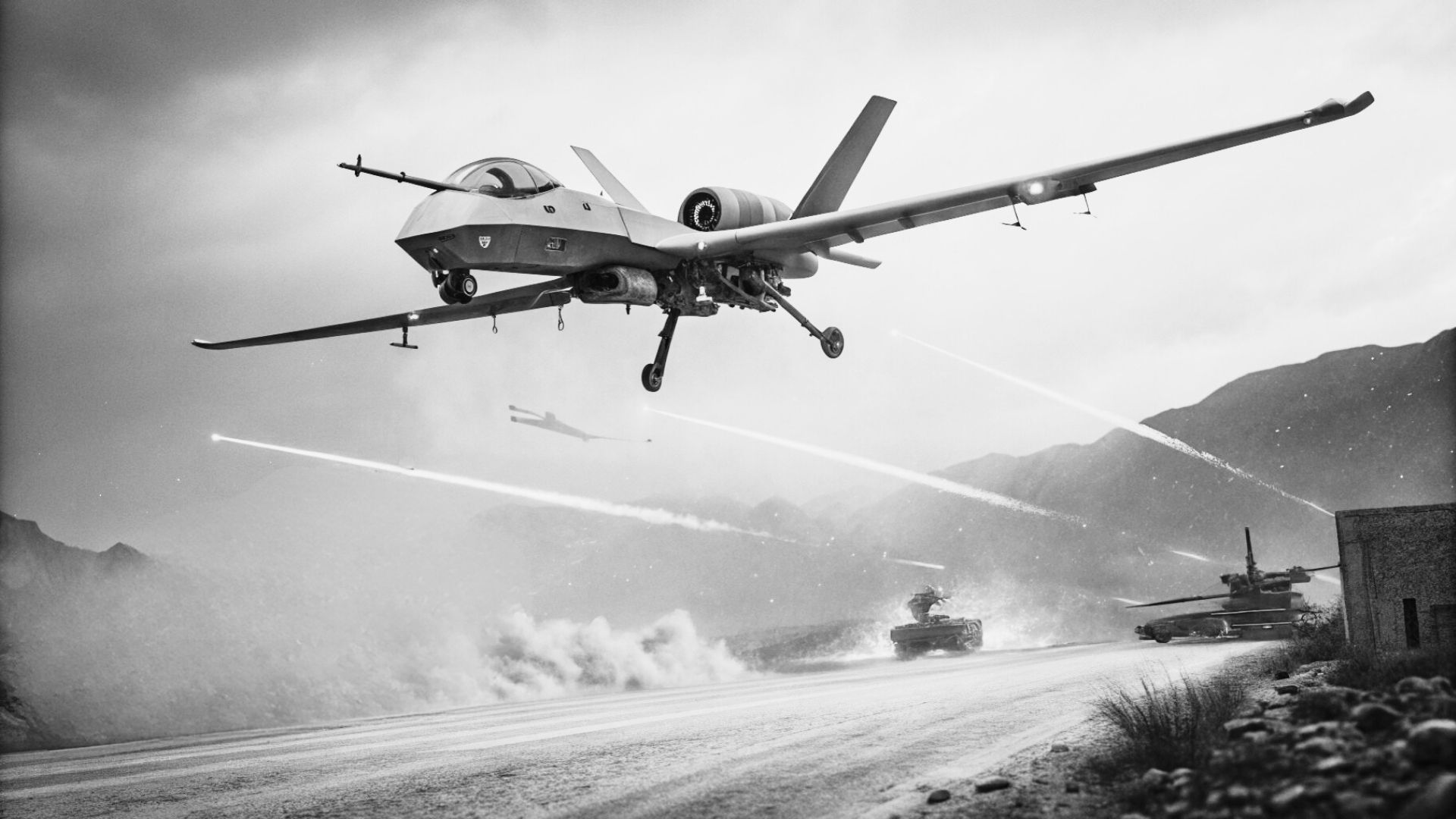

The German Armed Forces have placed an order with General Atomics for eight MQ-9B SeaGuardian unmanned aerial systems to support naval operations.
The aircraft will significantly strengthen the German Navy’s long-range maritime surveillance and anti-submarine warfare (ASW) capabilities, with deliveries expected to commence in 2028.
According to Hartpunkt, the procurement is valued at approximately 1.52 billion euros ($1.78 billion), funded through a combination of special defense allocations and the regular military budget.
The contract covers spare parts and flight crew training for the first two years of operation, while the aircraft are expected to receive upgrades to a full ASW configuration in 2031 and 2032.
Operations will be conducted by Naval Air Wing 3 “Graf Zeppelin” based at Nordholz, where the MQ-9B will complement the navy’s manned Boeing P-8A Poseidon maritime patrol aircraft.
Germany ordered eight P-8A Poseidons in 2021 and took delivery of the first aircraft in October.
While the P-8A offers higher speed — reaching up to 900 kilometers per hour (559 miles per hour) — and greater sensor and weapons capacity, the MQ-9B provides far greater endurance.
With a 20-meter wingspan and a length of approximately 10 meters, the MQ-9B can remain airborne for up to 30 hours, compared to around 10 hours for the P-8A.
The unmanned aircraft can carry payloads of up to 2,000 kilograms, including electro-optical sensors, maritime surveillance radar, and sonobuoy dispensers for submarine detection.
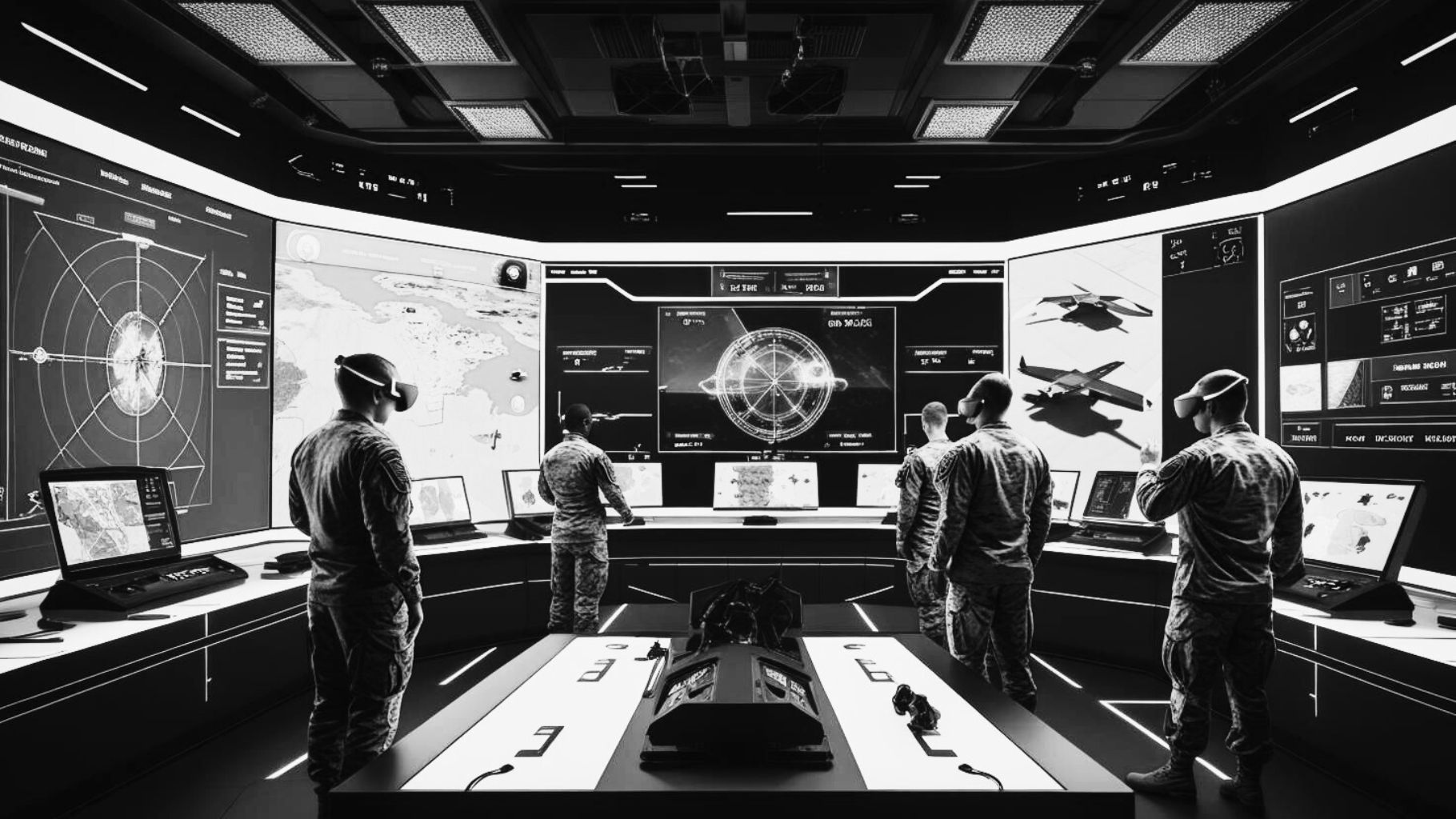
Sensor data is transmitted to ground control stations and can be shared with naval vessels, other aircraft, and allied forces.
The German Armed Forces noted that several preparatory measures, including crew training and infrastructure development, must be completed before flight operations begin in 2028.