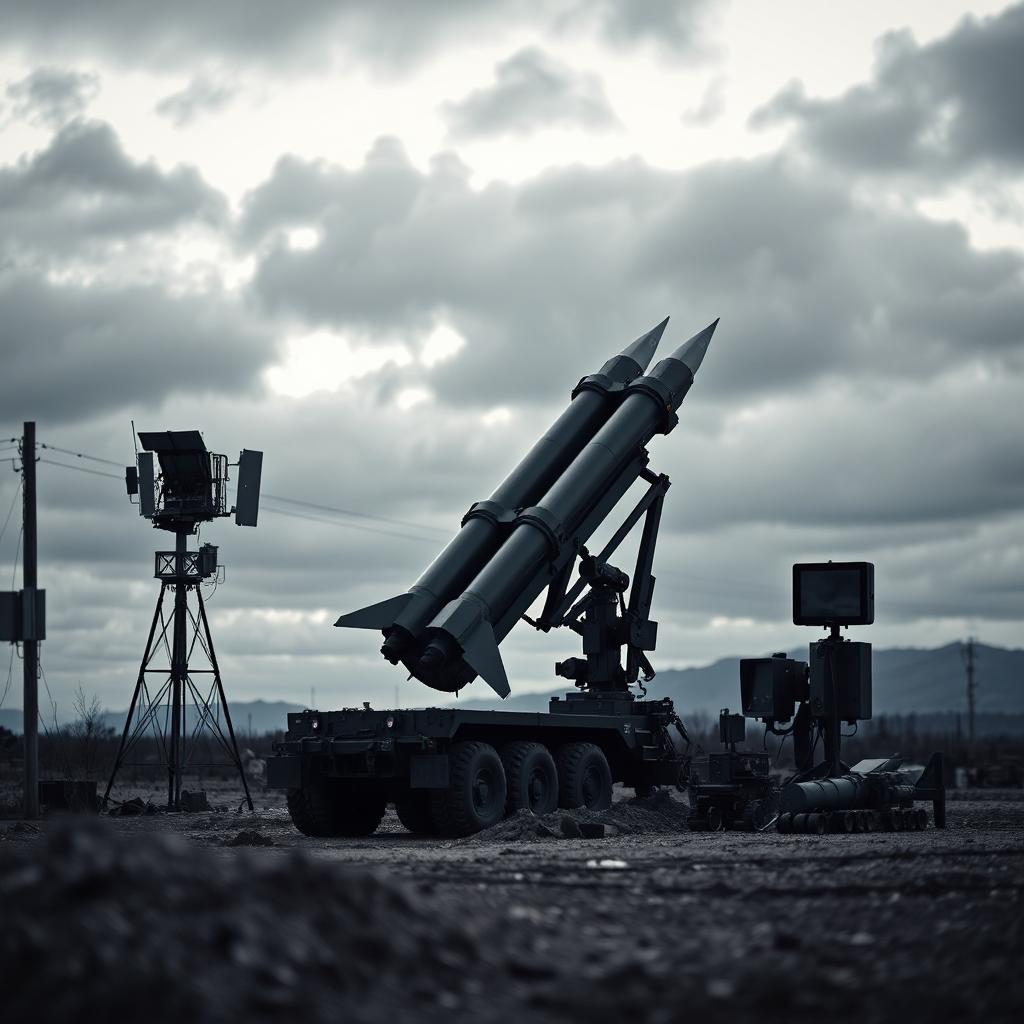
In a development that could significantly enhance India’s long-range strike capabilities, Israel has reportedly proposed supplying the Golden Horizon Air-Launched Ballistic Missile (ALBM) to New Delhi. If discussions advance, the system would represent a new category of air-delivered firepower focused on hardened, high-value strategic targets rather than conventional battlefield objectives.
The proposal emerges as the Indian Air Force continues to broaden its stand-off strike arsenal, building a layered capability that spans tactical munitions to extended-range strategic weapons.
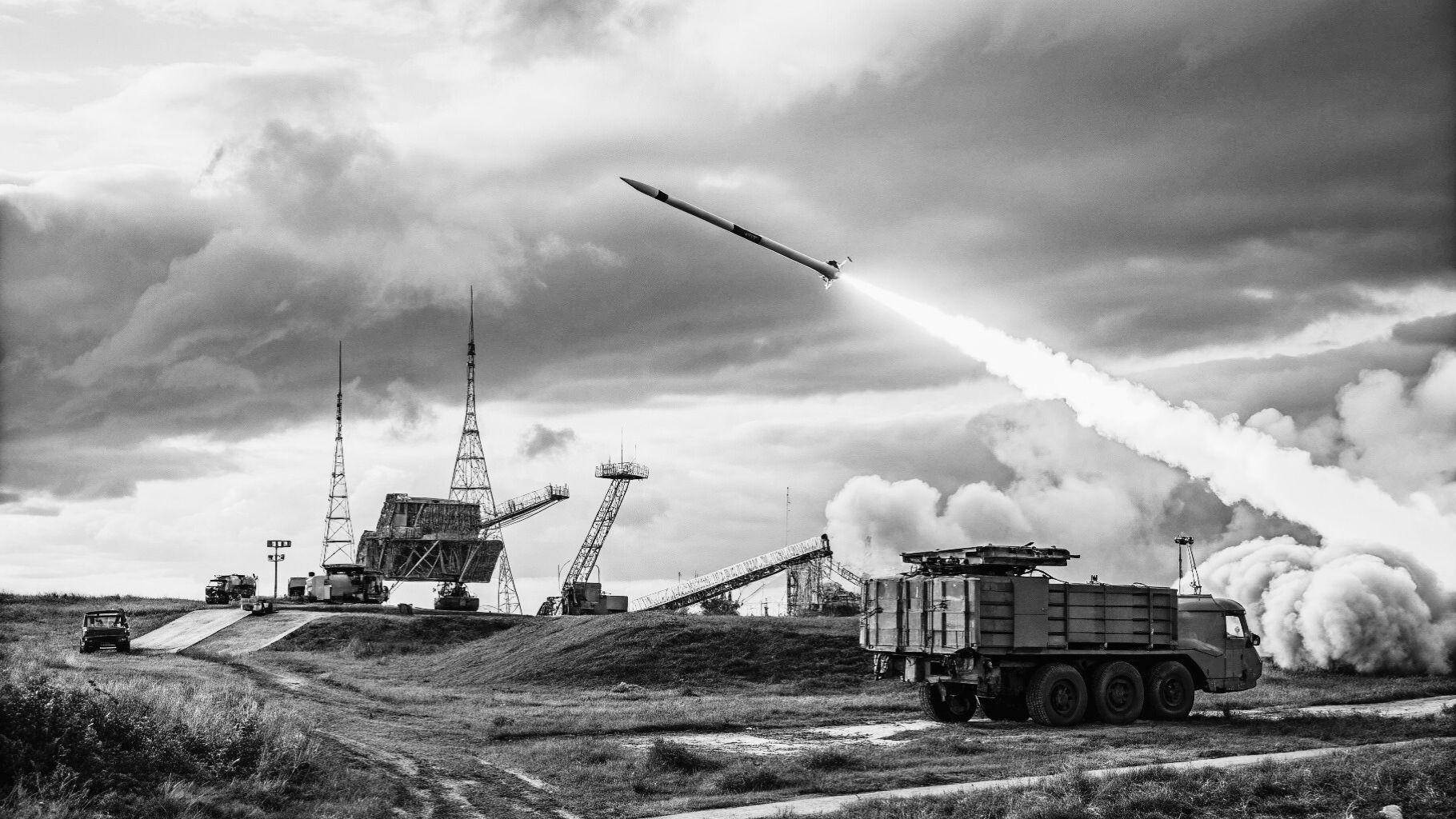
Golden Horizon is believed to be derived from Israel’s Silver Sparrow target missile, a system measuring roughly eight metres in length and weighing close to three tonnes. The Silver Sparrow has traditionally been employed as a ballistic target during missile defence trials, simulating advanced threat scenarios.
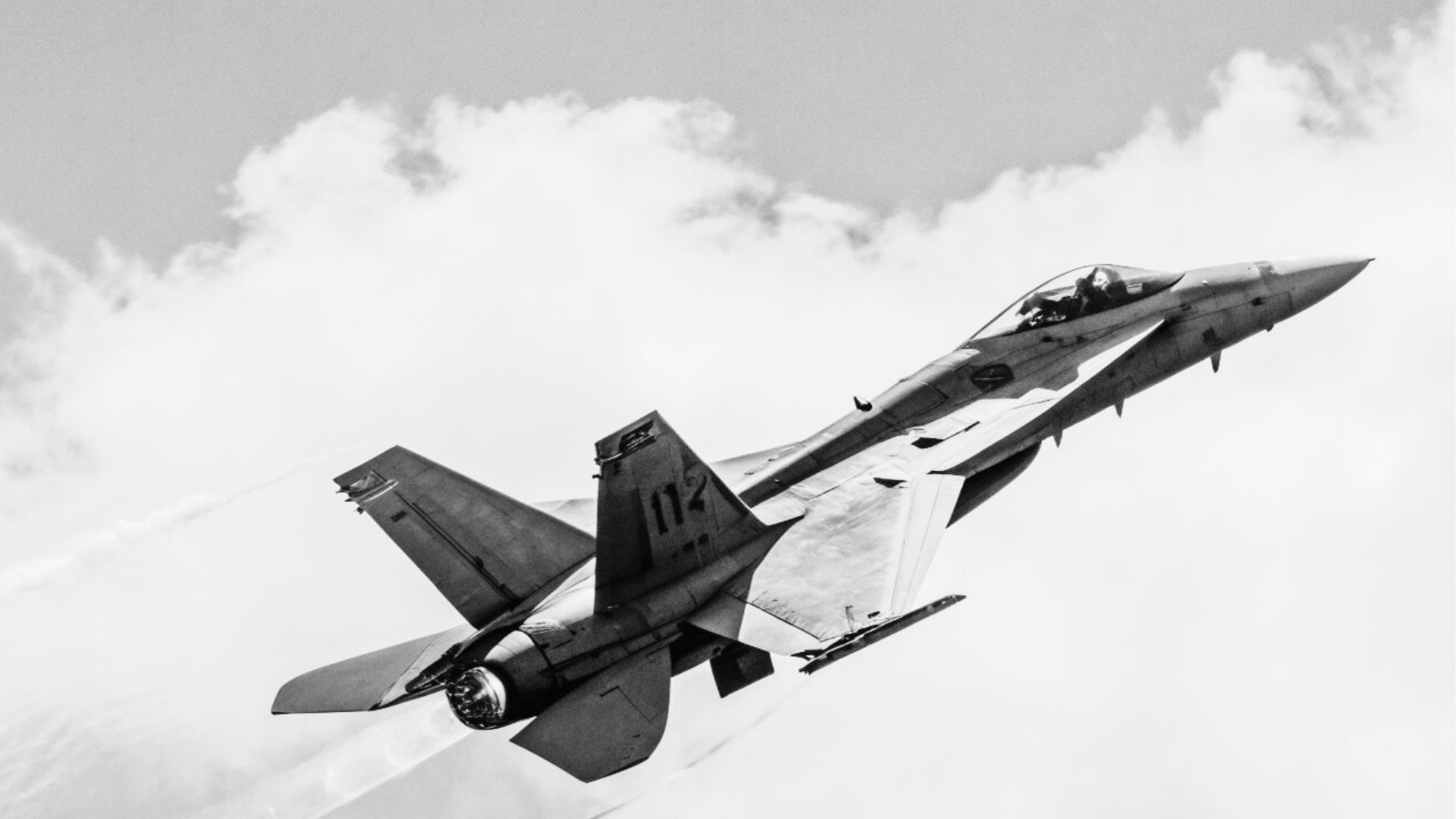
Adapting this platform into an operational ALBM transforms its purpose entirely. Instead of acting as a test vehicle, Golden Horizon would serve as a combat-ready deep-strike weapon deployable from fighter aircraft.
Although official performance data remains undisclosed, intelligence assessments suggest the missile’s range could vary depending on launch altitude and aircraft speed. Under optimal conditions, estimates place its reach between 1,500 and 2,000 kilometres. Even conservative projections indicate a strike radius of around 1,000 kilometres—substantially exceeding most conventional air-launched systems.
Israel already offers India precision strike options such as the Air LORA, with a range of roughly 400 kilometres, and the Rampage, capable of about 250 kilometres. These weapons are optimised for high-value tactical targets, including radar sites, air defence batteries, ammunition depots, and command centres.
Golden Horizon, however, would operate in a distinctly higher tier. While Air LORA and Rampage are tailored for precise battlefield engagements, Golden Horizon is reportedly engineered to strike deeply buried and heavily fortified strategic installations, including reinforced bunkers, nuclear facilities, and hardened command-and-control nodes.
As an air-launched ballistic missile, it would follow a ballistic trajectory after release, ascending before descending at extremely high speeds. Its terminal phase is expected to approach hypersonic velocity, complicating interception efforts even for sophisticated air defence networks.
The high-speed terminal descent also amplifies kinetic energy on impact, significantly improving penetration capability. Against fortified or underground structures, impact velocity can be as decisive as explosive payload.
Modern hardened targets are typically shielded by thick concrete, underground placement, or geographic barriers. Neutralising them requires a combination of precision guidance and sheer impact energy—attributes Golden Horizon appears designed to deliver.
While no formal procurement decision has been announced and discussions remain preliminary, the missile’s potential inclusion in India’s evaluation framework reflects the evolving nature of long-range strike doctrine.
Where Air LORA and Rampage address tactical precision needs, Golden Horizon would be intended for rare but strategically consequential missions—those targeting deeply protected, high-value assets beyond the effective reach of conventional stand-off weapons.