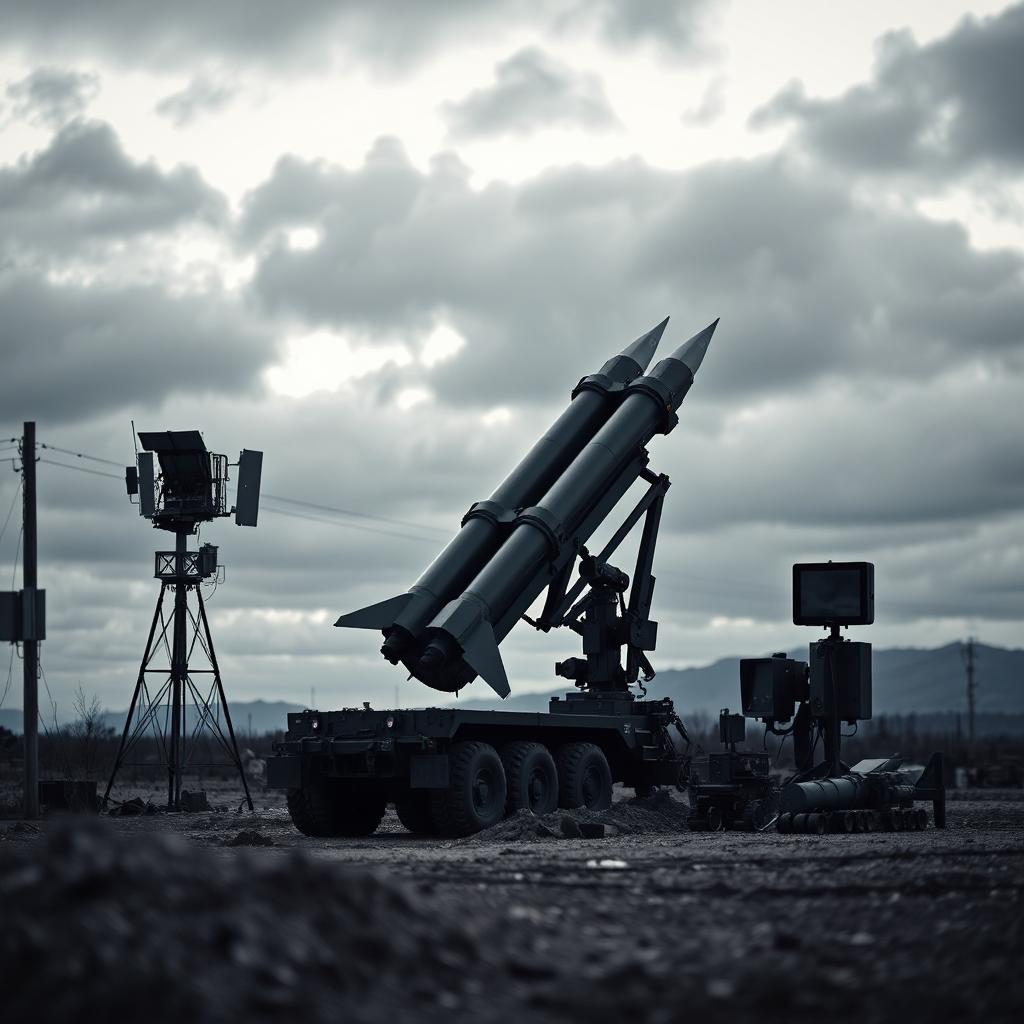
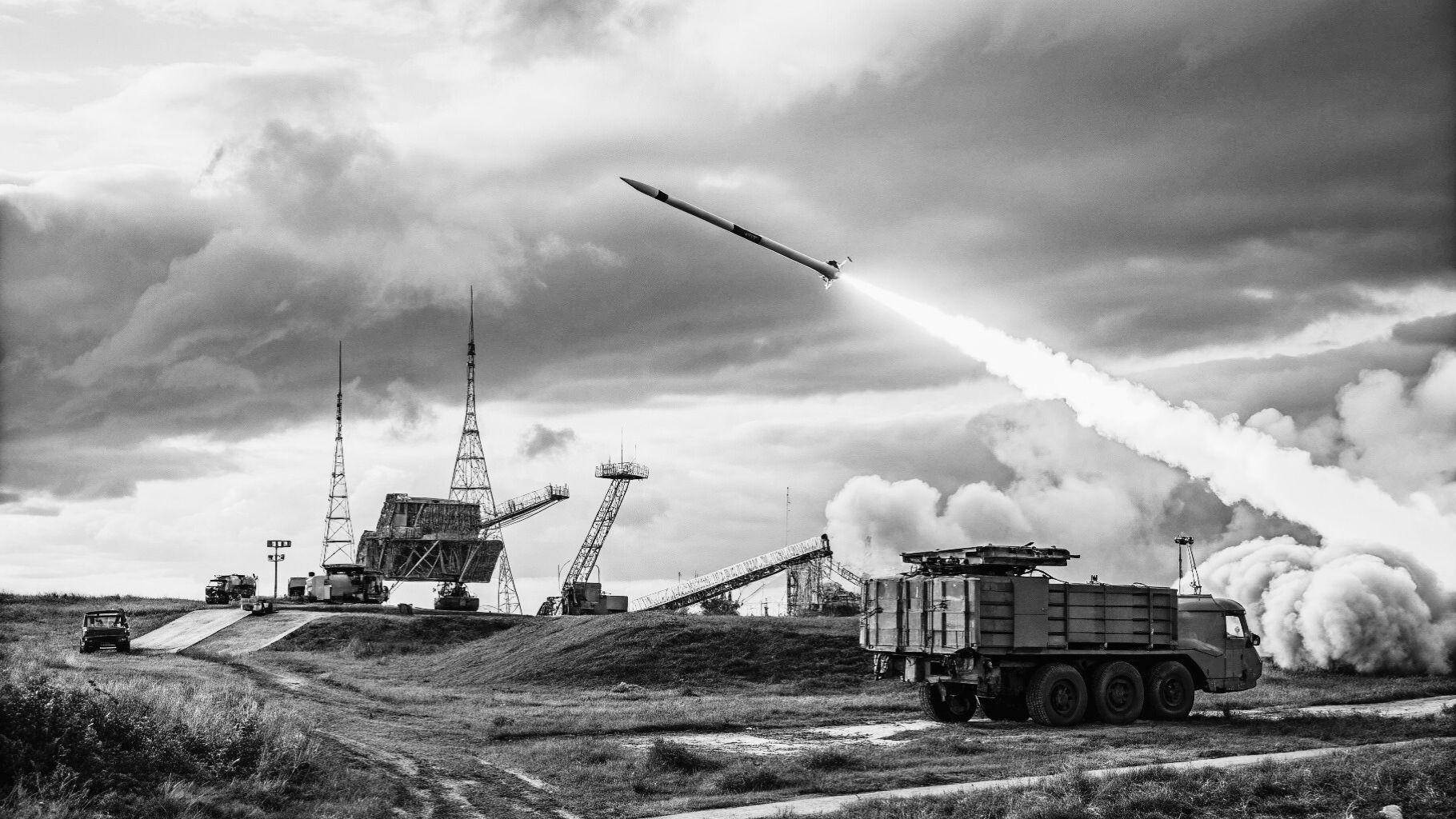
Japan is quietly engaging the Philippines in early discussions about a possible export of the Type 03 Chu SAM medium-range surface-to-air missile system, signaling Tokyo’s intent to dismantle long-standing restrictions that have barred lethal weapon sales. Should the transfer proceed after Japan’s rules are revised, it would represent a major milestone in Tokyo’s evolution into a regional security contributor and bolster Philippine air defense capabilities amid rising Chinese pressure in the South and West Philippine Seas.
Officials in Tokyo and Manila are holding preliminary talks on transferring the Japan Ground Self-Defense Force’s Type 03 Chu SAM system to the Philippines, a move that would push the boundaries of Japan’s gradually easing arms-export framework. These conversations coincide with Prime Minister Sanae Takaichi’s plan to eliminate the decades-old “five category” limitation, which has restricted Japanese defense exports to non-lethal roles such as transport, surveillance, patrol, and rescue. The discussions also align with deeper Japan–Philippines security coordination aimed at countering increasingly assertive Chinese activity in the South China Sea.
Under Japan’s current Three Principles on Transfer of Defense Equipment and Technology and their associated guidelines, defense exports are only permitted when the equipment fits into specific functional categories—mainly surveillance, rescue, patrol, minesweeping, or transport. Full lethal systems are generally prohibited, aside from tightly controlled exceptions like the re-export of licensed components back to the original manufacturing nation. Despite this narrow framework, recent policy documents and government explanations have reaffirmed these limits even as Japan expands defense-industrial partnerships with Europe and the United States.