Navantia has stepped forward to establish itself as a long-term industrial partner for Denmark’s upcoming naval procurement programs, presenting a cooperation proposal during a rare visit of the Spanish Navy’s most advanced frigate to Copenhagen.
The Spanish shipbuilder stated it is prepared to back Danish naval initiatives with deliveries starting in 2030. Its proposed partnership model highlights strong involvement of Denmark’s local industry, comprehensive life-cycle support, and training programs supported by the Spanish Navy.
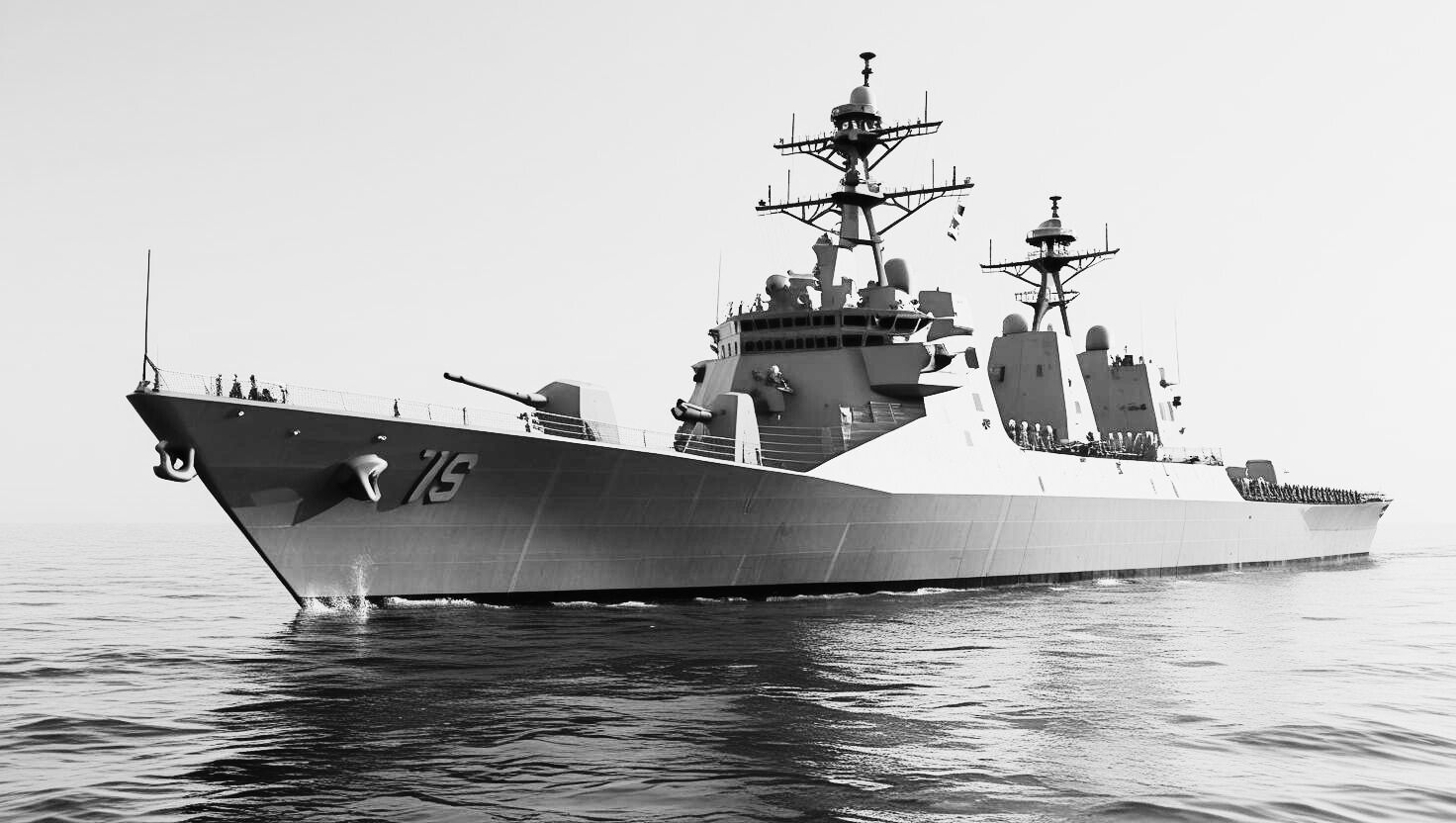
The proposal coincided with the visit of the frigate F105 while it was deployed in the Baltic Sea as part of NATO’s Steadfast Dart 26 exercise.
The port call also provided an opportunity to demonstrate Navantia’s leading surface combatant capabilities. The F105, the latest ship in the F100 Álvaro de Bazán-class, is considered among the most capable air defense frigates currently operating within NATO fleets.
Navantia noted that its offer to Denmark draws on decades of experience delivering complex naval platforms internationally, including technology transfer initiatives and industrial partnerships that date back to its first major export contract in Australia in 2007.
Denmark’s Naval Modernization Drive
Denmark has continued to strengthen its maritime defense posture through significant procurement efforts.
In March 2025, Copenhagen signed a contract worth approximately 2.1 billion kroner ($306 million) with Norway’s Kongsberg Defence & Aerospace for Naval Strike Missiles and associated systems to equip its Iver Huitfeldt-class frigates, replacing Harpoon missiles previously donated to Ukraine.
This government-to-government agreement was designed to expand the Royal Danish Navy’s strike capabilities while maintaining NATO interoperability.
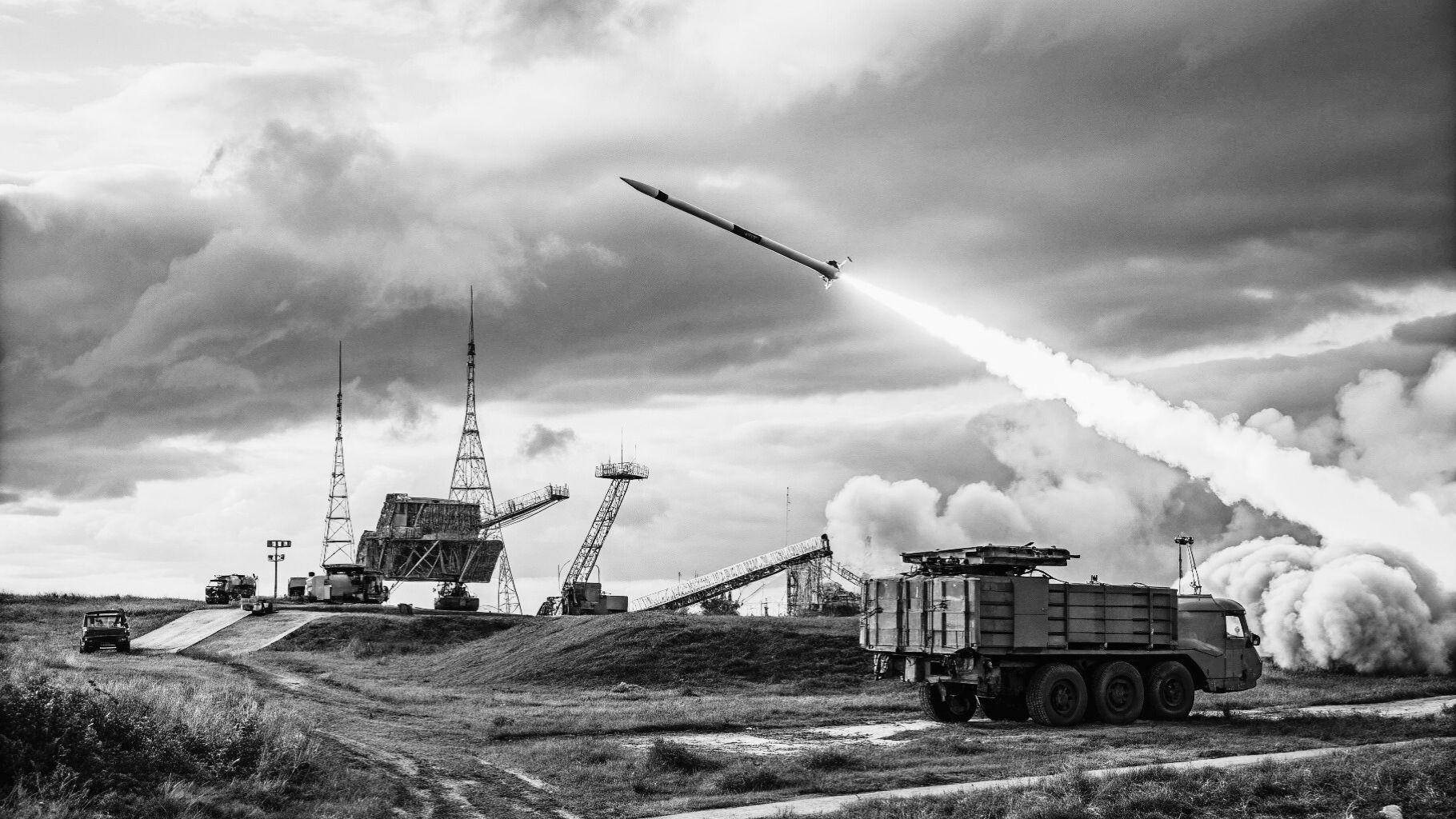
In December 2025, Denmark further reinforced its defenses by concluding a deal exceeding 100 million euros ($117 million) with Kongsberg for a Naval Strike Missile Coastal Defence System.
The land-based system—comprising NSM launchers, advanced fire-control units, and integrated sensors—enhances Denmark’s ability to control key maritime corridors, including the Danish Straits and the western Baltic Sea.