The third and final day of the Unmanned Systems Exhibition (UMEX) and the Simulation and Training Exhibition (SIMTEX) in Abu Dhabi concluded with three additional contracts awarded to UAE defence firms, together valued at approximately AED 1.26 billion ($342 million).
Speaking at a media briefing on Thursday, Tawazun Council for Defense Enablement spokesperson Manea Abdulkarim Al Mansoori said two of the Ministry of Defence contracts were signed with EDGE Group, the UAE’s flagship defence company, though detailed specifications were not disclosed.
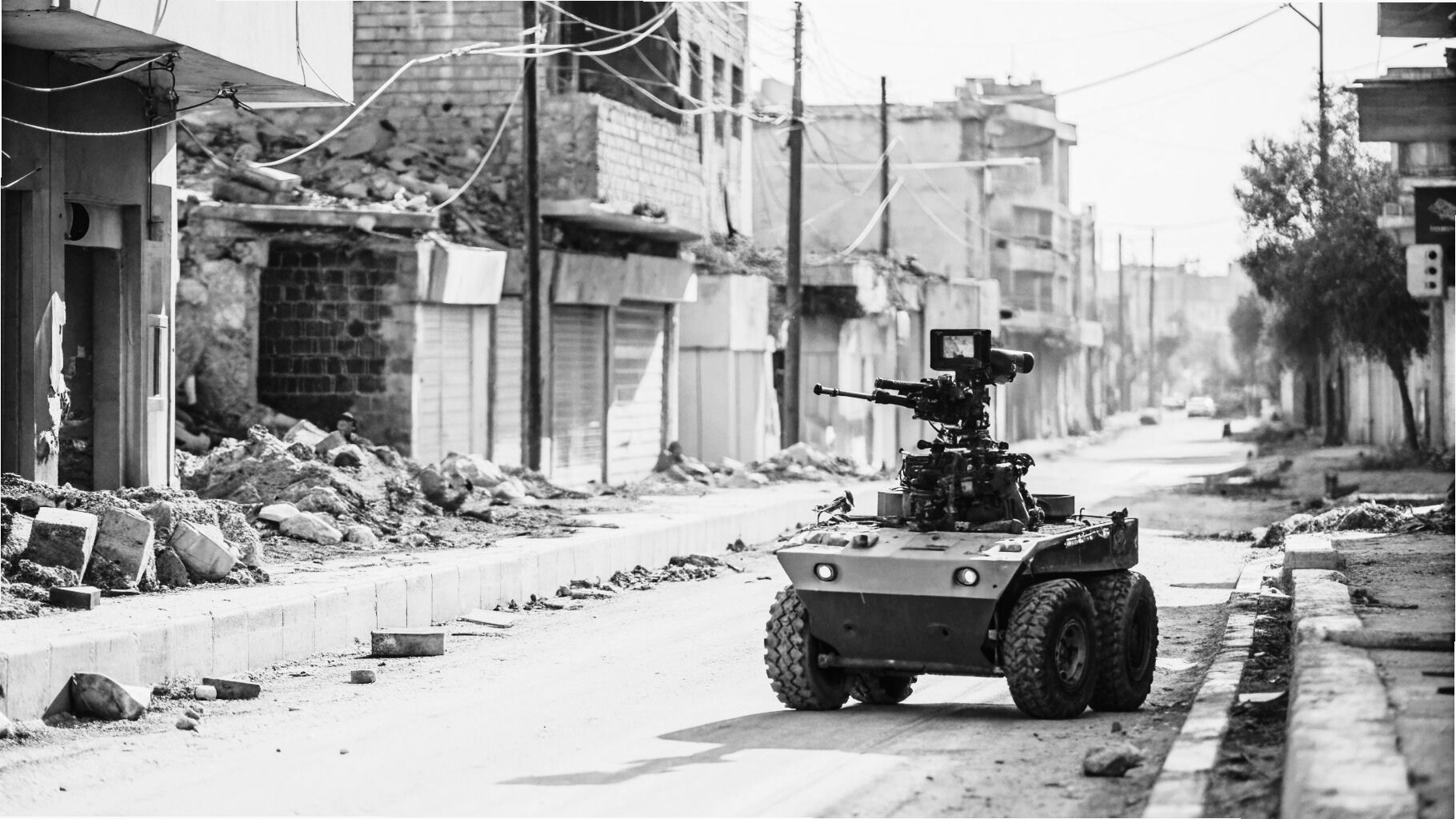
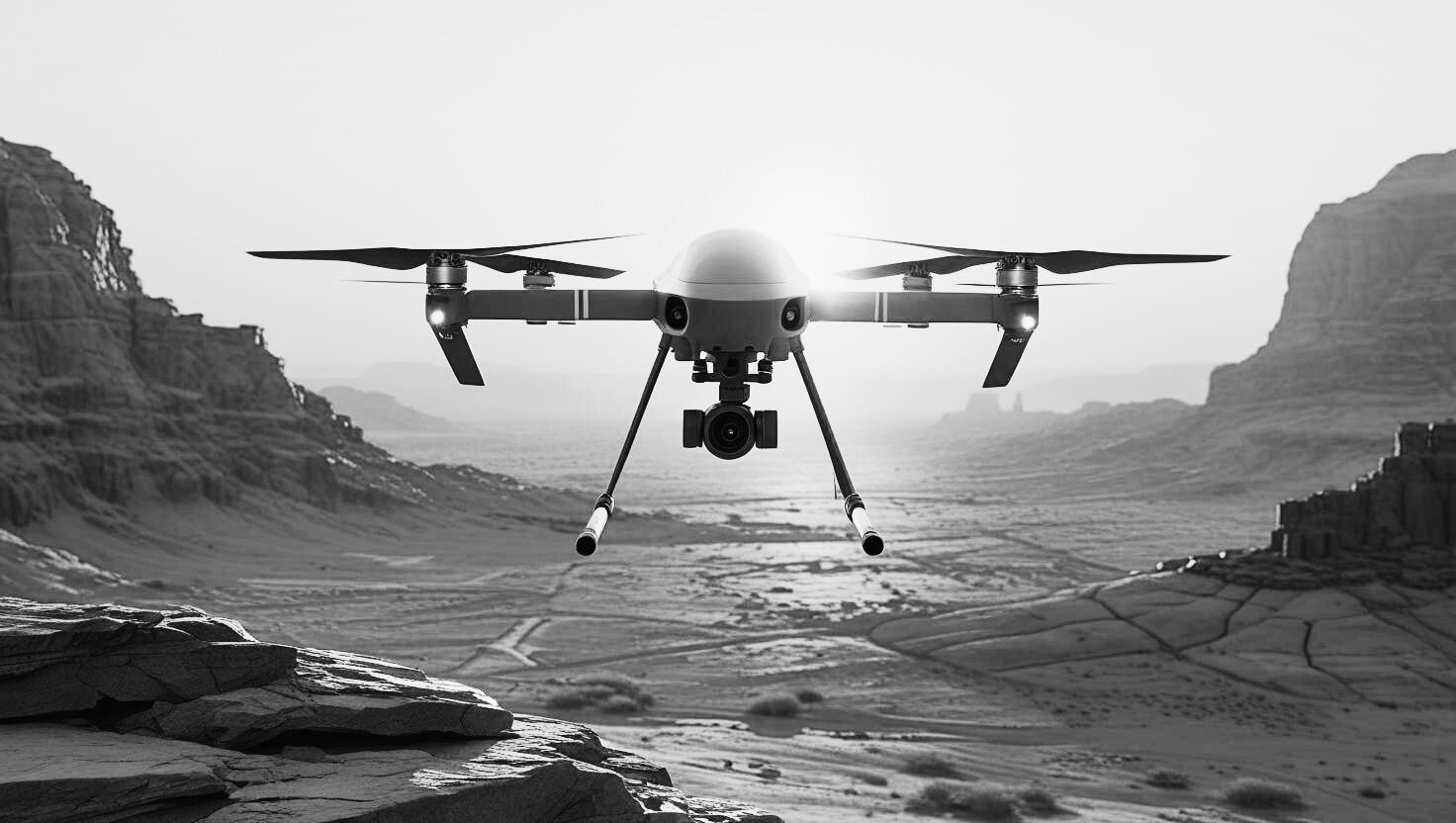
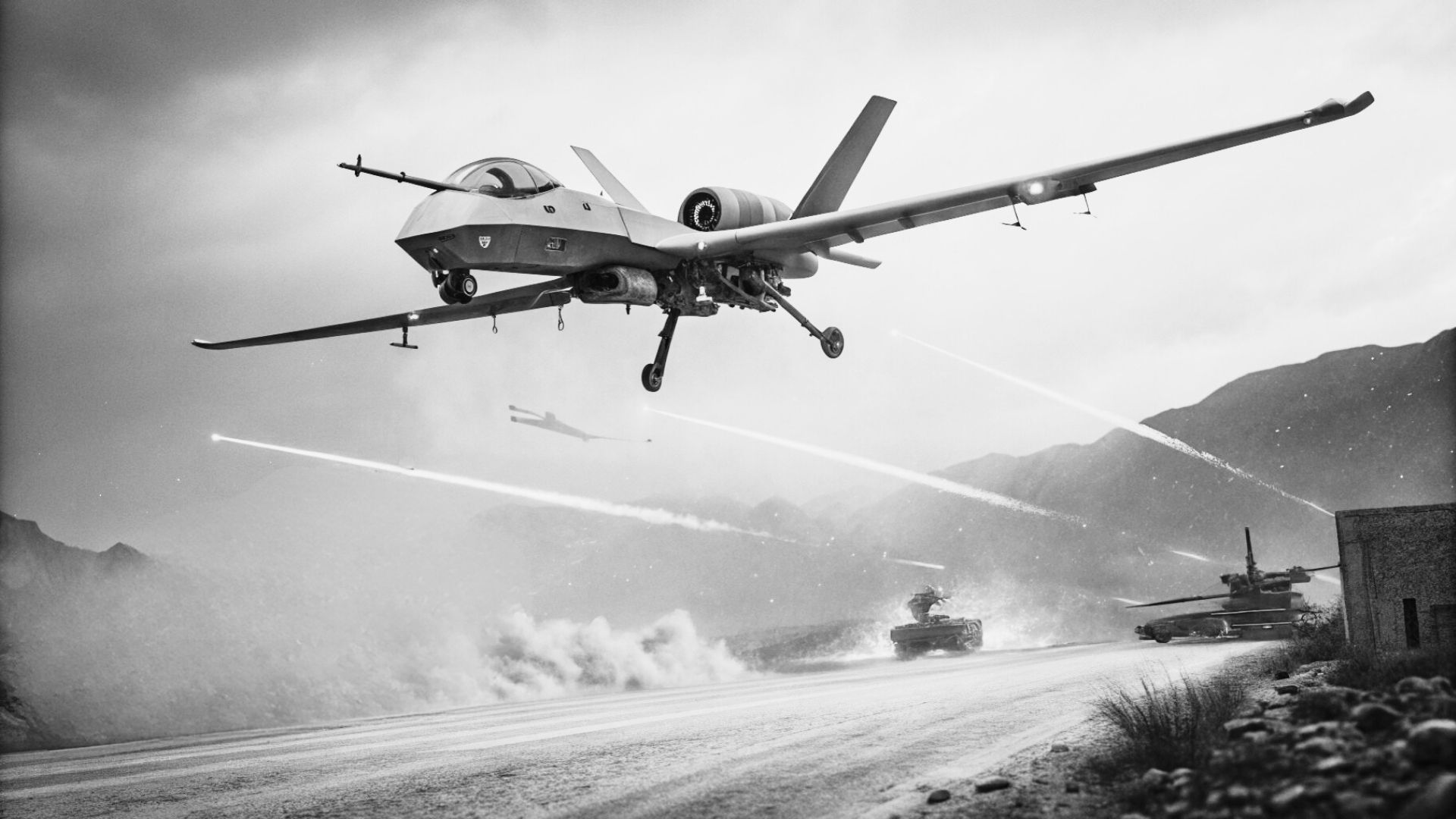
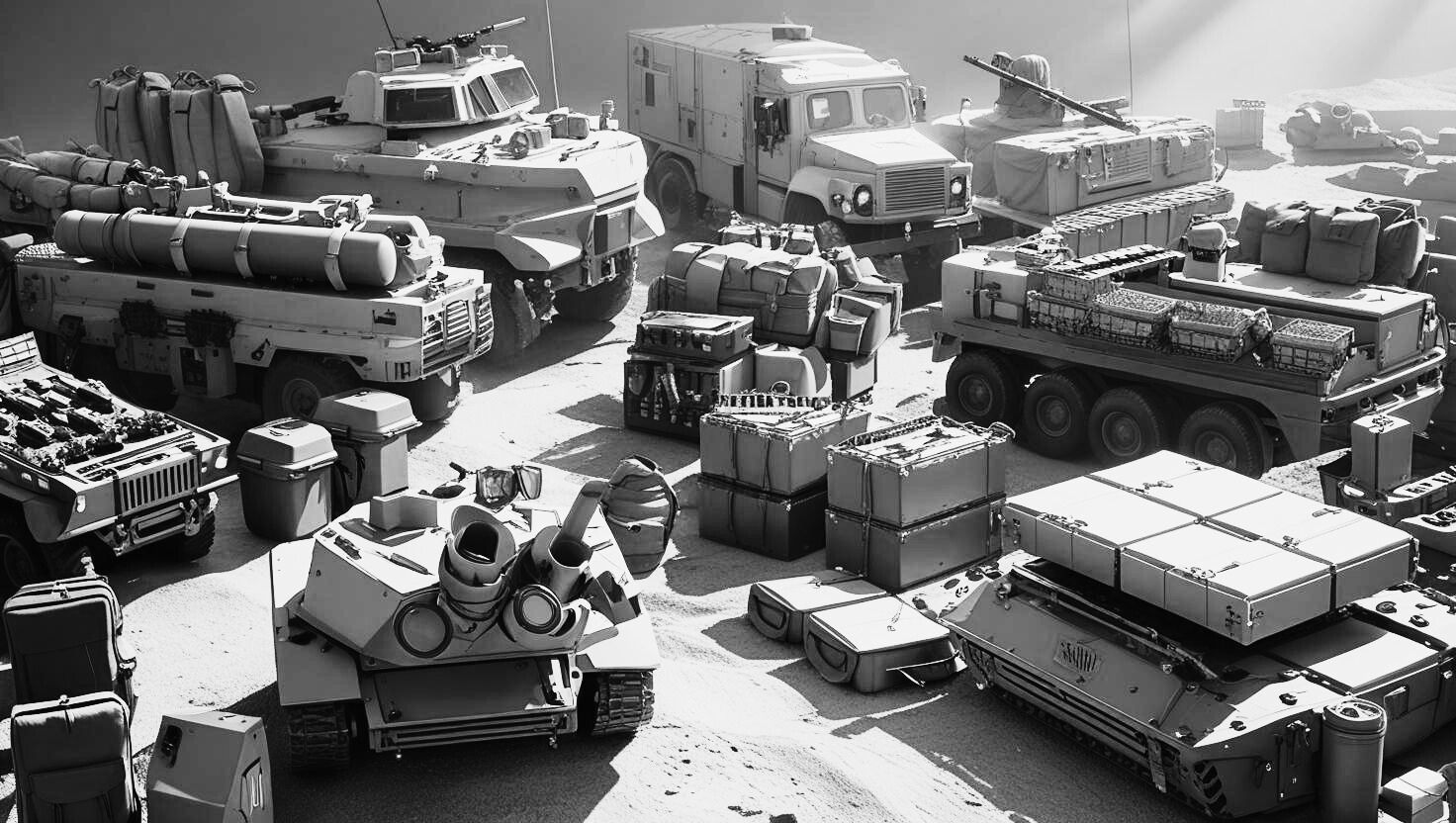
The first EDGE agreement covers the development of jet-powered unmanned aerial vehicles (UAVs) and is valued at AED 385.7 million ($105 million). The second, worth AED 525.2 million ($143 million), involves the procurement of tracked robotic combat vehicles (RCVs) and the THeMIS unmanned ground system.
While Al Mansoori did not specify the UAV models or quantities, EDGE showcased a mock-up of its jet-powered combat drone, the Adasi Jeniah, at the exhibition. The group also manufactures the Shadow 25 jet-powered loitering munition.
Details of the tracked RCV and THeMIS systems were also limited, though the deal may follow the UAE military’s UMEX 2024 purchase of 60 Milrem Robotics-built THeMIS vehicles armed with 30 mm cannons. Milrem Robotics is an Estonia-based subsidiary of EDGE.
A further contract, valued at AED 345.3 million ($94 million), was signed with Caracal International, another EDGE subsidiary, for the supply of unspecified remote-controlled weapon systems.
In total, the UAE concluded 11 contracts with local companies during UMEX, amounting to $980 million — a 20 percent increase over the 2024 exhibition. Al Mansoori said the rise reflects growing confidence in the UAE’s domestic defence industry.
3D-Printed USVs
Maritime unmanned systems emerged as a key theme at UMEX, with strong interest in both surface and underwater drones. Several companies highlighted growing naval interest in unmanned surface vessels (USVs) produced using 3D-printing technology.
Wontaek Shin, UAE business lead for South Korea’s LIG, said 3D printing offers significant cost advantages and allows easier platform customization. He added that LIG is offering the South Korean Navy USVs for ISR, combat roles, and one-way attack missions.
The trend is gaining traction in the UAE as well. Piotr Zbigniew Targowski, head of boatbuilding at Abu Dhabi-based Al Seer Marine, said the UAE Navy has inquired about 3D-printed USVs. While scalable adoption requires substantial investment, Targowski noted that 3D printing is particularly well suited for producing large numbers of low-cost “suicide” USVs during periods of conflict.