The Indian Ministry of Defence has acquired the Soviet-origin Tunguska mobile air defence system from Russia under a contract valued at ₹4.45 billion (around $47 million), aiming to enhance protection against low-altitude threats such as drone swarms and cruise missiles. The agreement, signed with Rosoboronexport, does not disclose the number of units or delivery schedule.
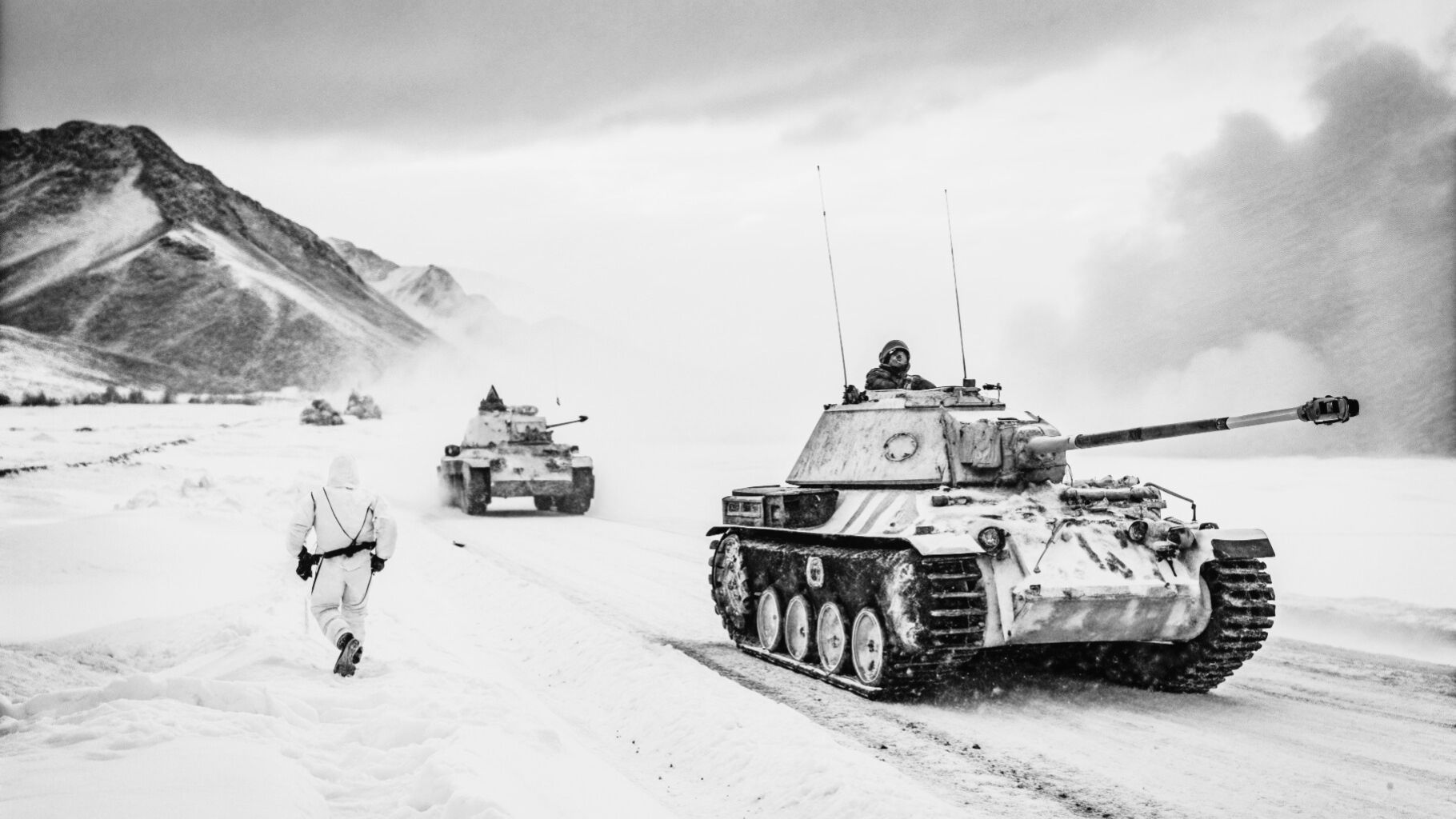
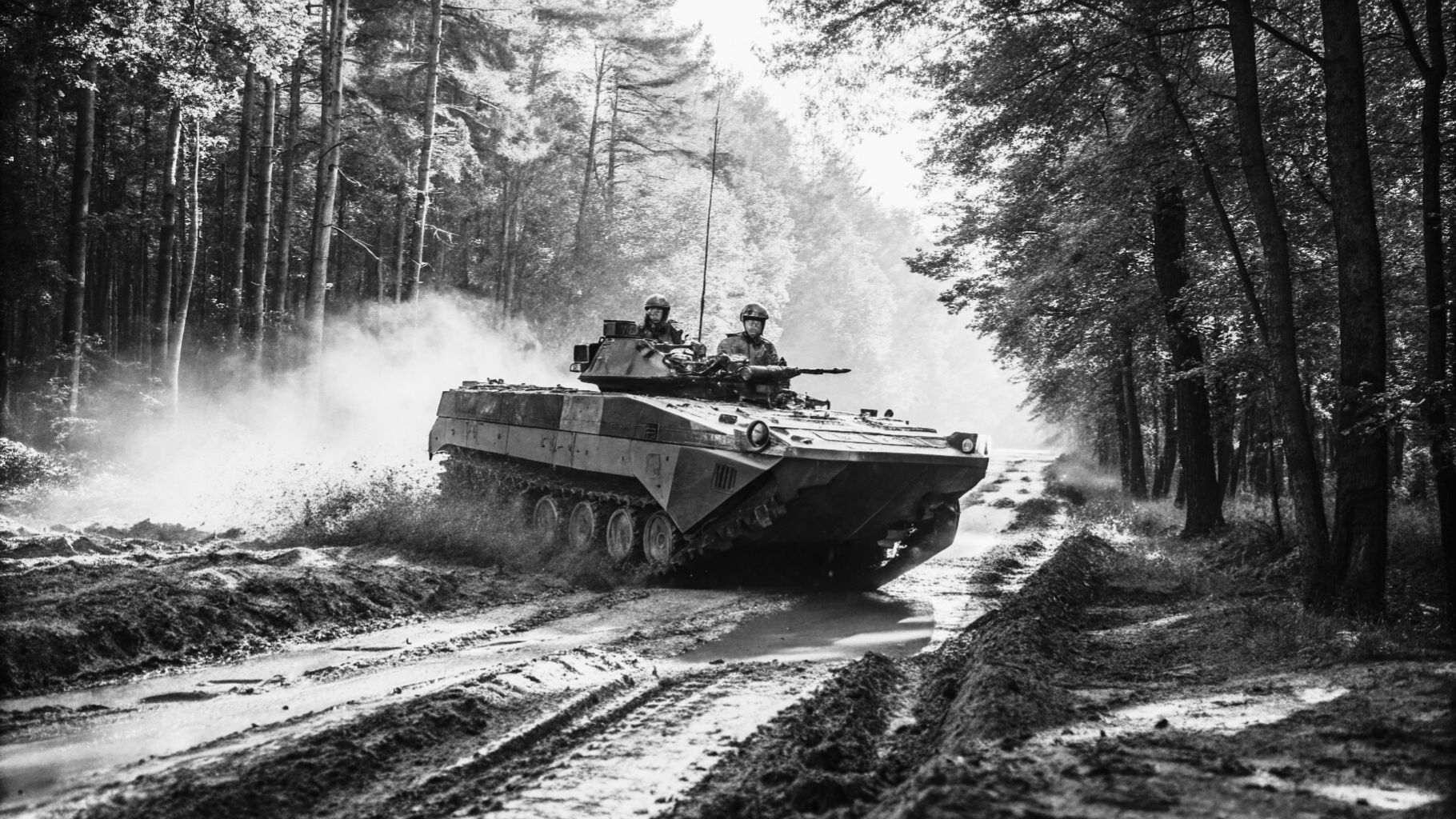
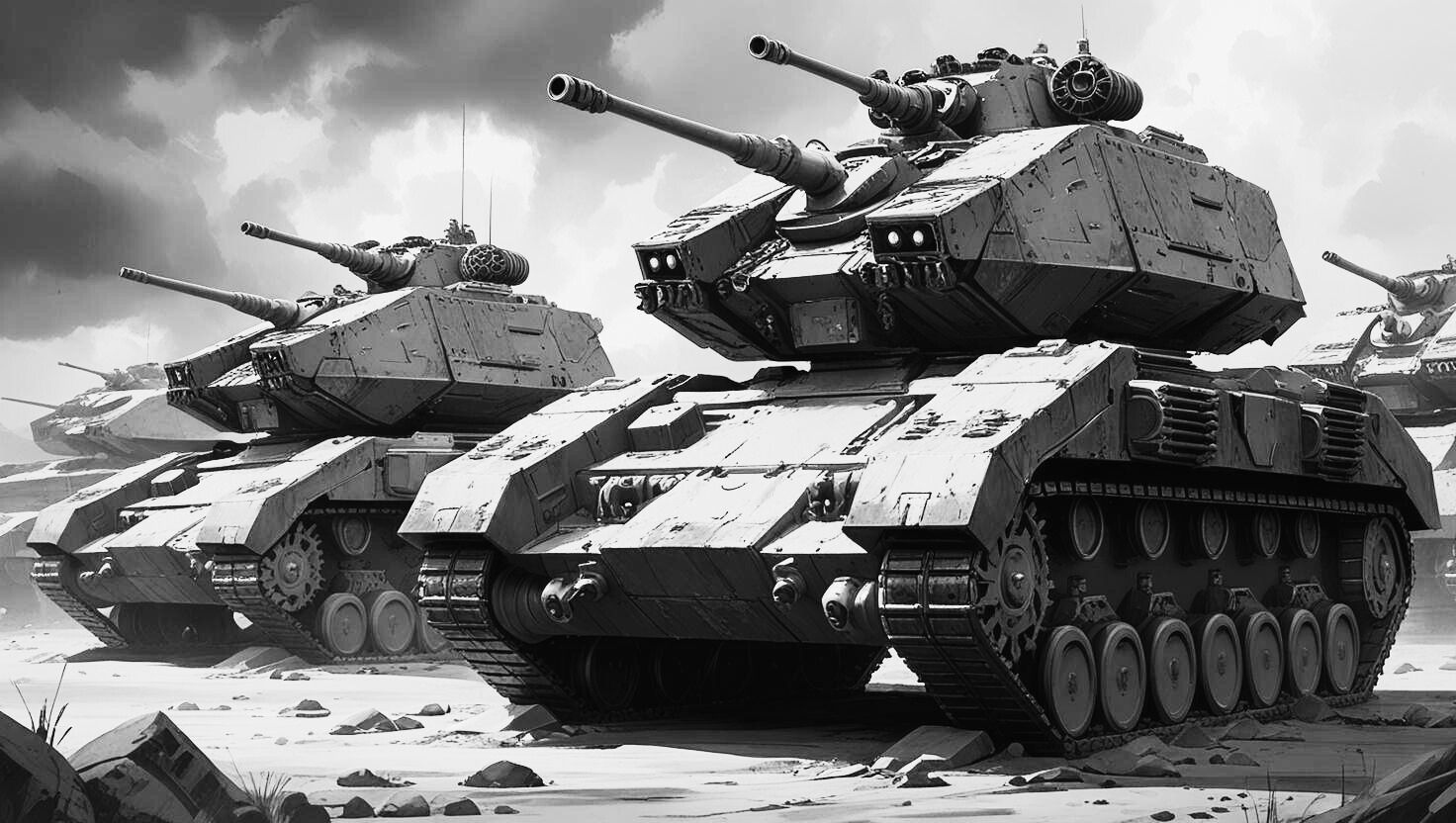
Originally developed in the 1980s, the Tunguska is a tracked, self-propelled system that integrates short-range surface-to-air missiles with twin 30 mm autocannons, enabling it to engage fast-moving, low-flying targets. Its induction follows India’s broader approval of ₹2.38 trillion in defence procurements, which also includes additional S-400 air defence systems.
The Tunguska is expected to complement long-range systems like the S-400 by addressing gaps against low-altitude threats, including loitering munitions. It can also provide close-in protection to high-value assets such as S-400 launchers and radar units, particularly against saturation drone attacks, while accompanying armored formations to deliver mobile air defence coverage.
Equipped with 9M311-series missiles, the system can engage targets at ranges of 8–10 km and altitudes up to 3,500 meters using radio-command guidance. Its twin cannons deliver a high rate of fire between 3,900 and 5,000 rounds per minute for close-range engagements. Supported by a 360-degree acquisition radar with a detection range of up to 18 km, along with tracking radar and digital fire-control systems, the platform is capable of operating in electronic warfare environments and includes optical tracking modes for jam-resistant operation. Mounted on a tracked chassis, it offers high mobility and can be integrated into layered air defence networks, with upgraded variants featuring enhanced performance and reliability.