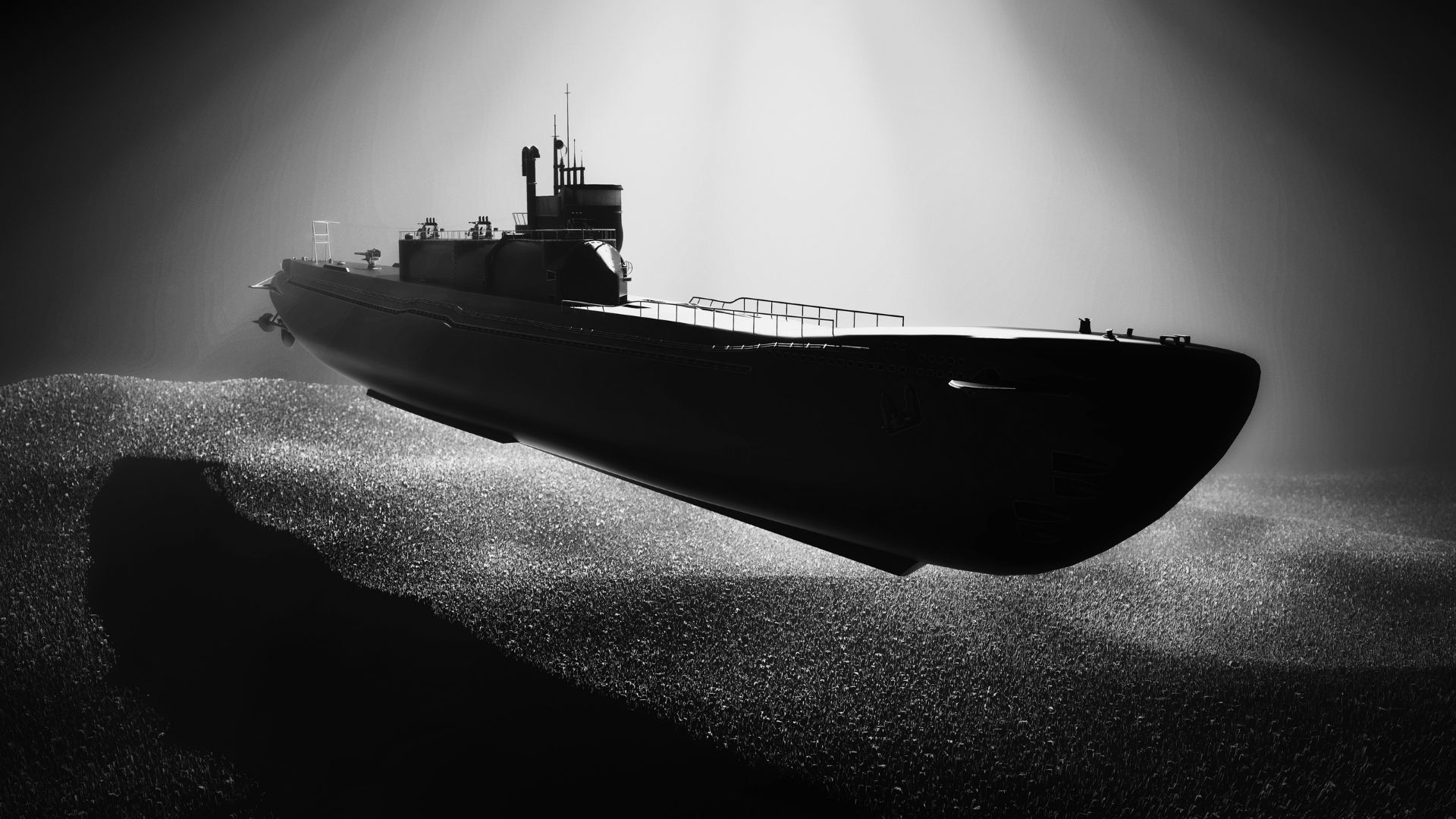
The Norwegian government has approved the acquisition of two additional Class 212CD submarines for the Royal Norwegian Navy, increasing the country’s planned fleet to six boats.
The decision follows a recommendation from Chief of Defence General Eirik Kristoffersen and is intended to enhance operational availability and ensure a sustained undersea presence.
To support the expanded procurement, the government has proposed an additional 46 billion Norwegian kroner ($4.77 billion) in funding.
Norway is already under contract with thyssenkrupp Marine Systems (TKMS) for four 212CD submarines, with construction of two units currently underway in Germany. The lead submarine is scheduled to enter operational service in 2029.
When combined with Germany’s existing commitments, the joint German–Norwegian 212CD programme has now reached its planned ceiling of 12 submarines.
As part of the expansion, Norway will contribute funding toward the establishment of a second production line in Germany, a step considered necessary to maintain delivery schedules for the additional boats.
The joint programme is designed to deliver efficiencies through shared research and development, training, crewing, logistics, and maintenance, while ensuring full NATO interoperability and suitability for demanding operational environments, including the Arctic.
The 212CD design represents a significant increase in size over the earlier Type 212A, measuring approximately 73 metres in length compared with 56 metres for its predecessor. Displacement has also grown to around 2,500 tonnes, up from roughly 1,524 tonnes.
Enhanced sensors, extended range, and a reduced acoustic signature are key features of the new design, supporting stealthy and long-endurance operations.
Armament will include DM2A4 heavyweight torpedoes and Atlas Elektronik’s SeaSpider anti-torpedo system, with options being evaluated for a submarine-launched Naval Strike Missile and a newly co-developed supersonic strike weapon.
The programme could later expand to include up to 12 submarines for Canada, with TKMS collaborating with its German and Norwegian partners as part of the ongoing competitive selection process.