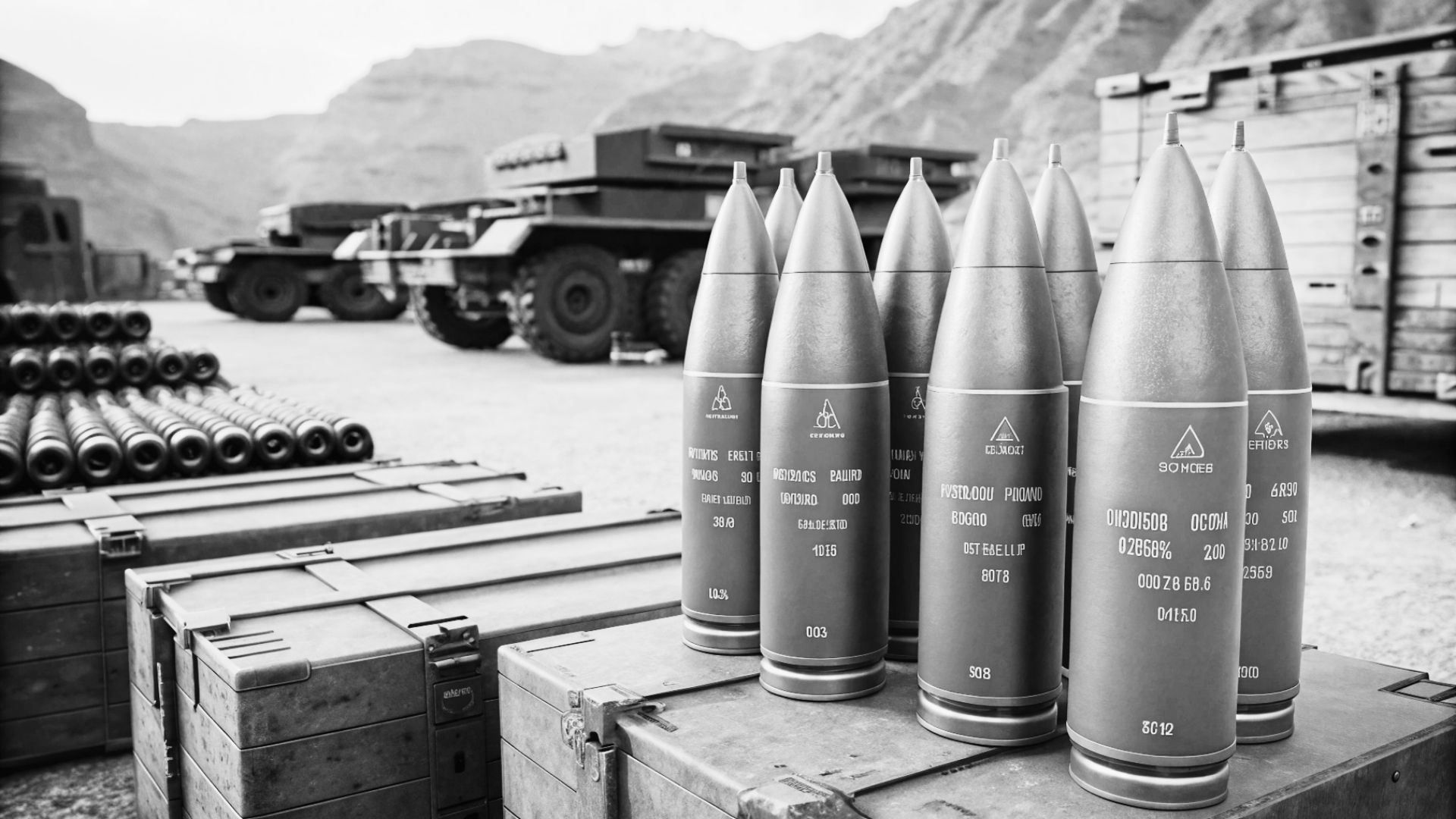

Lockheed Martin and the US Department of Defense have finalized a framework agreement that would more than triple production of the Patriot PAC-3 Missile Segment Enhancement (MSE) interceptor over the next seven years.
Under the deal, annual PAC-3 MSE output is planned to increase from roughly 600 missiles to about 2,000. The agreement aligns with the Pentagon’s Acquisition Transformation Strategy, which seeks to provide industry with longer-term demand visibility to support investment in manufacturing capacity and workforce expansion.
The strategy also introduces a collaborative financing model intended to maintain initial cash neutrality, enabling companies to scale production with greater confidence.
While the framework agreement has been signed, the production ramp-up remains dependent on additional congressional funding in fiscal year 2026, which has yet to be approved. Defense officials indicated that discussions with lawmakers are ongoing and conceptually aligned, but the request is still under review.
The PAC-3 MSE interceptor, used within the Patriot air and missile defense system, is operated by 17 partner nations, including Bahrain, Poland, and Ukraine. Compared to earlier variants, it features a dual-pulse rocket motor, improved maneuverability, and enhanced hit-to-kill performance against ballistic, cruise, and hypersonic threats.
To address rising demand, Lockheed Martin has already expanded PAC-3 MSE production by more than 60 percent over the past two years, delivering 620 missiles in 2025—around 20 percent more than the previous year. The company also secured a $9.8-billion US Army contract in September 2025 for nearly 2,000 missiles and partnered with Diehl Defence to bolster supply chain resilience.
Company executives noted that further growth will depend on advanced manufacturing methods, workforce expansion, and supplier diversification, including replacing or supplementing underperforming vendors. The Pentagon added that it may extend similar long-term agreements to key PAC-3 suppliers and apply the same model to other high-demand munitions programs.