The Turkish Navy has formally inducted the domestically developed Sancar armed unmanned surface vehicle (USV) into active service, enhancing its capabilities in unmanned maritime warfare.
The platform was jointly developed by Havelsan and Yonca Shipyard, and incorporates mission autonomy based on the ADVENT combat management system architecture. This framework enables automated decision-support functions and network-centric operations.
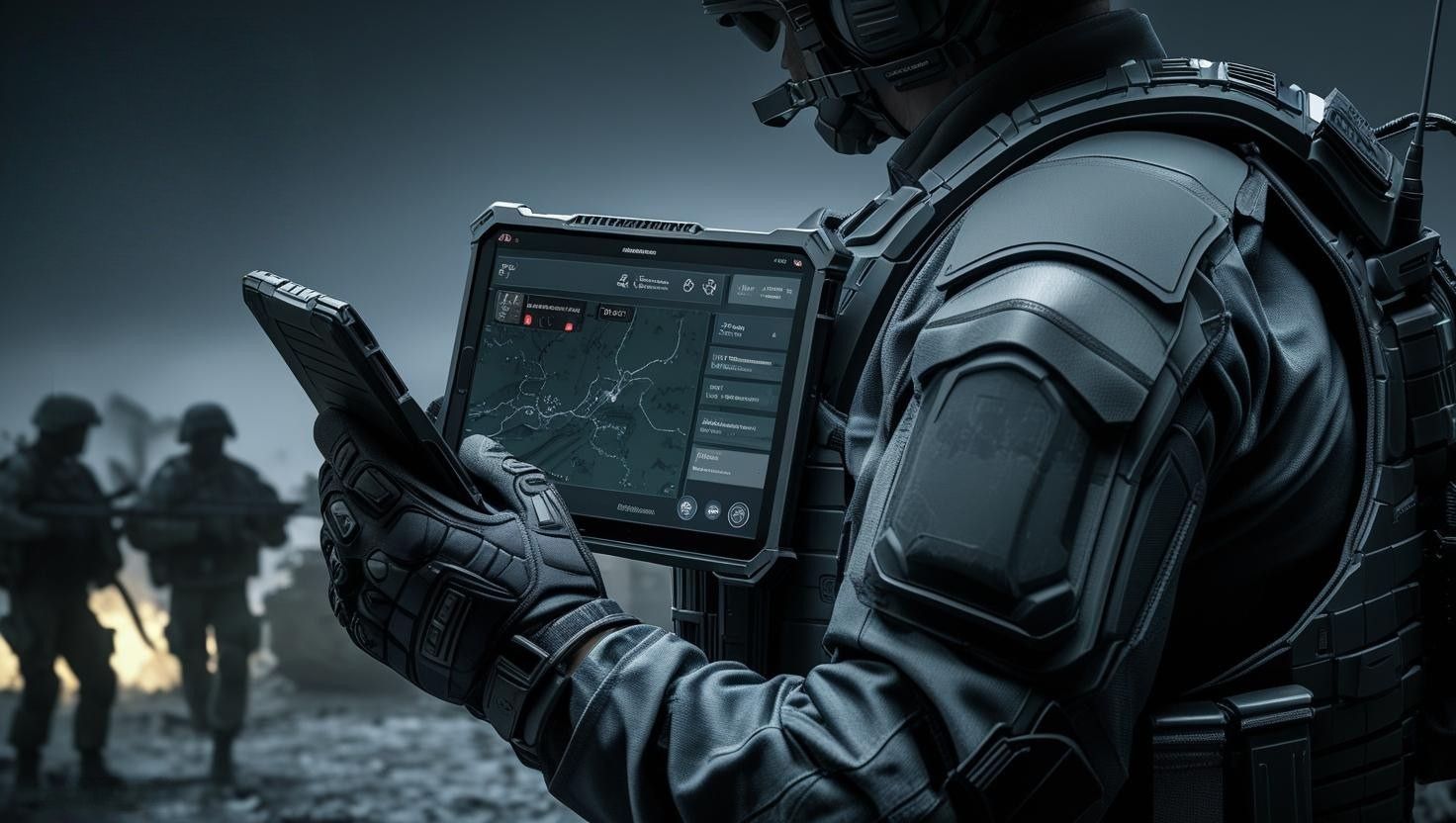
ADVENT allows Sancar to be controlled from mobile ground stations and integrated with other naval assets in line with NATO standards, including coordinated swarm missions. The system is also equipped with AI-driven image processing and secure communication links.
Sancar USV Capabilities
Designed with a modular architecture, the armed USV can integrate various sensors and weapons to conduct reconnaissance, surveillance, intelligence gathering, surface warfare, and maritime infrastructure protection missions.
It can deploy unmanned underwater vehicles and support mine countermeasure tasks through an optional stern launch-and-recovery system. The platform can also operate from next-generation minehunter vessels, enabling off-board missions in contested maritime environments.
The 12.7-meter (41.6-foot), 9-tonne USV is powered by twin diesel engines with waterjet propulsion, reaching speeds above 40 knots. It offers a range of 400 nautical miles at 10 knots and can operate in Sea State 4 conditions.
For anti-surface engagements, Sancar carries Roketsan’s KMC launcher capable of firing UMTAS and Cirit missiles, along with Aselsan’s SMASH 200 12.7mm remote-controlled weapon station.