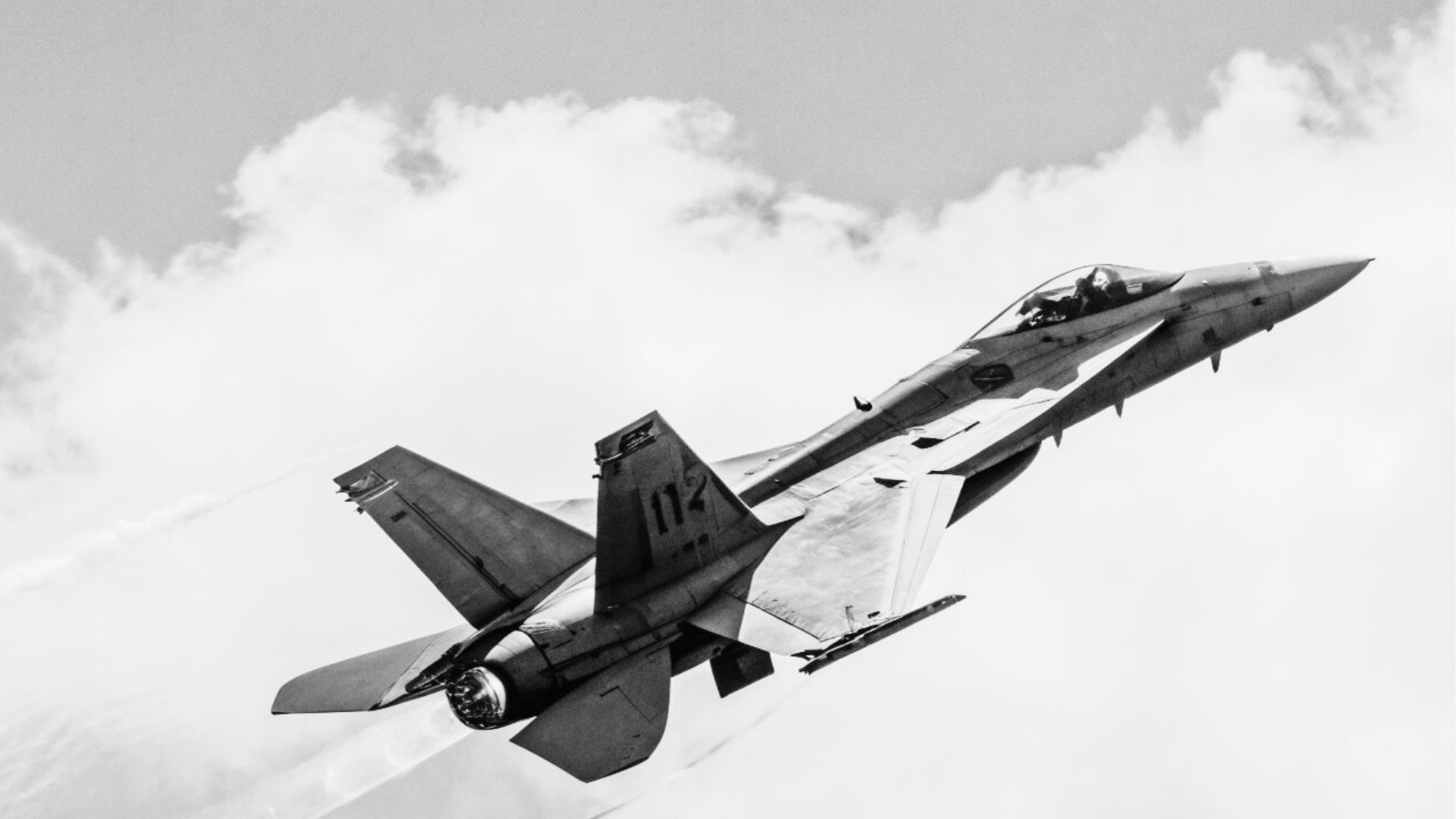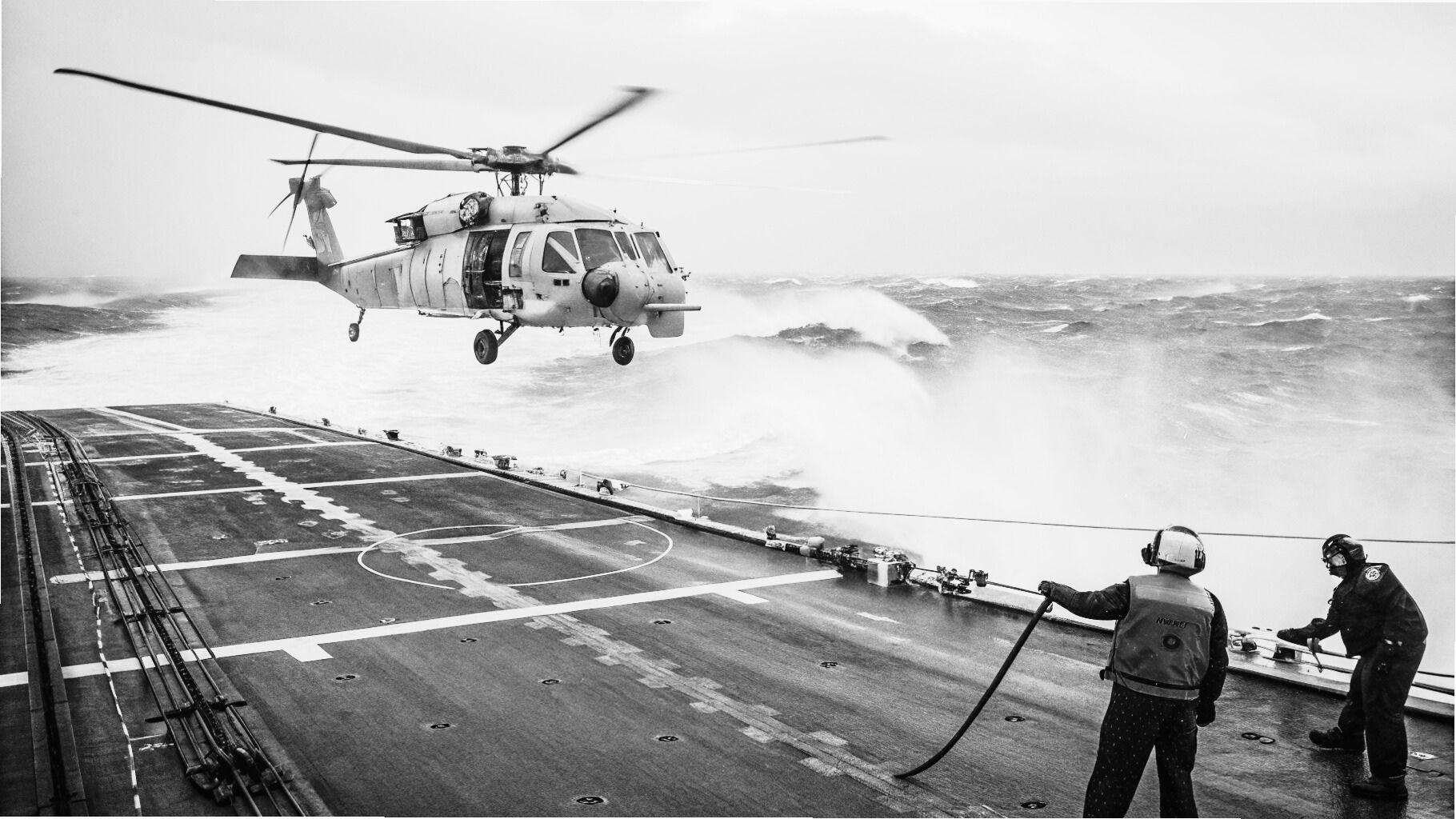
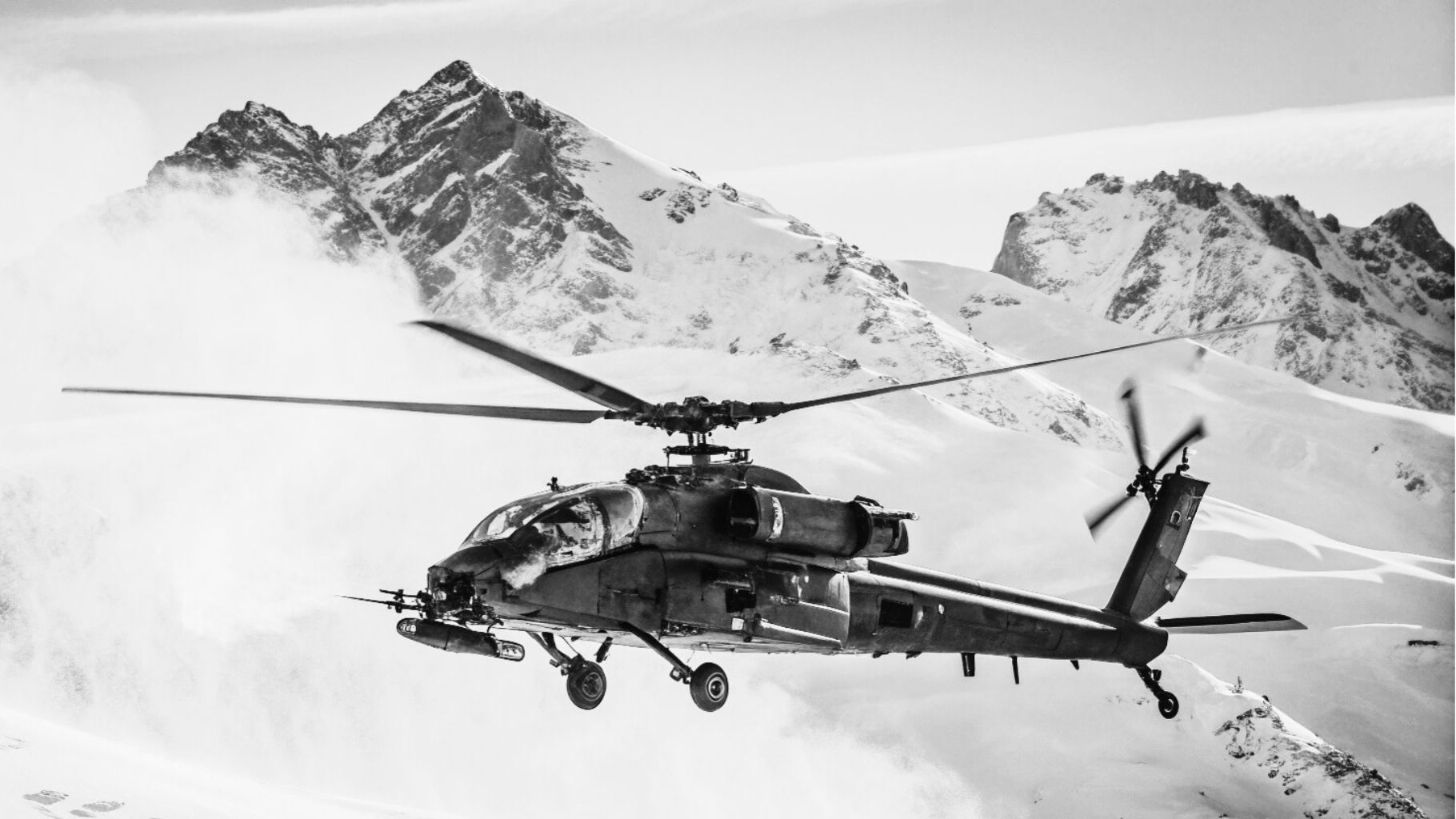
Sikorsky, a Lockheed Martin subsidiary headquartered in Stratford, Connecticut, has received a $433.2 million contract modification under the Black Hawk Multi-Year Ten programme. The modification, designated P00087 to contract W58RGZ-22-C-0010, provides full funding for Program Year Five and covers the delivery of nine UH-60M utility helicopters and 15 HH-60M medical evacuation helicopters, along with associated programme management support.
This action falls under a five-year multiyear procurement agreement signed in June 2022 at Redstone Arsenal, Alabama, between the U.S. Army Program Executive Office Aviation and Sikorsky. That agreement set out the acquisition of 120 H-60 Black Hawk helicopters with an estimated value of approximately $2.3 billion, while also including options for up to 135 additional aircraft for the U.S. Army, other U.S. government agencies, and foreign military sales customers. If all options are exercised, the total potential value of the programme could reach about $4.4 billion.
The Multi-Year Ten contract marks the tenth multiyear procurement for the H-60 family and underscores the U.S. Army’s continued reliance on the Black Hawk as a core element of its aviation force. Multiyear contracting supports stable production rates, delivers cost efficiencies compared to annual purchases, and enables ongoing modernisation of the rotary-wing fleet while sustaining a critical industrial base.
Under the MY10 framework, annual aircraft quantities are determined by congressional appropriations and Department of Defense acquisition priorities. Deliveries began in July and are scheduled to continue through 2027, providing flexibility to align production with evolving operational needs and force structure requirements.
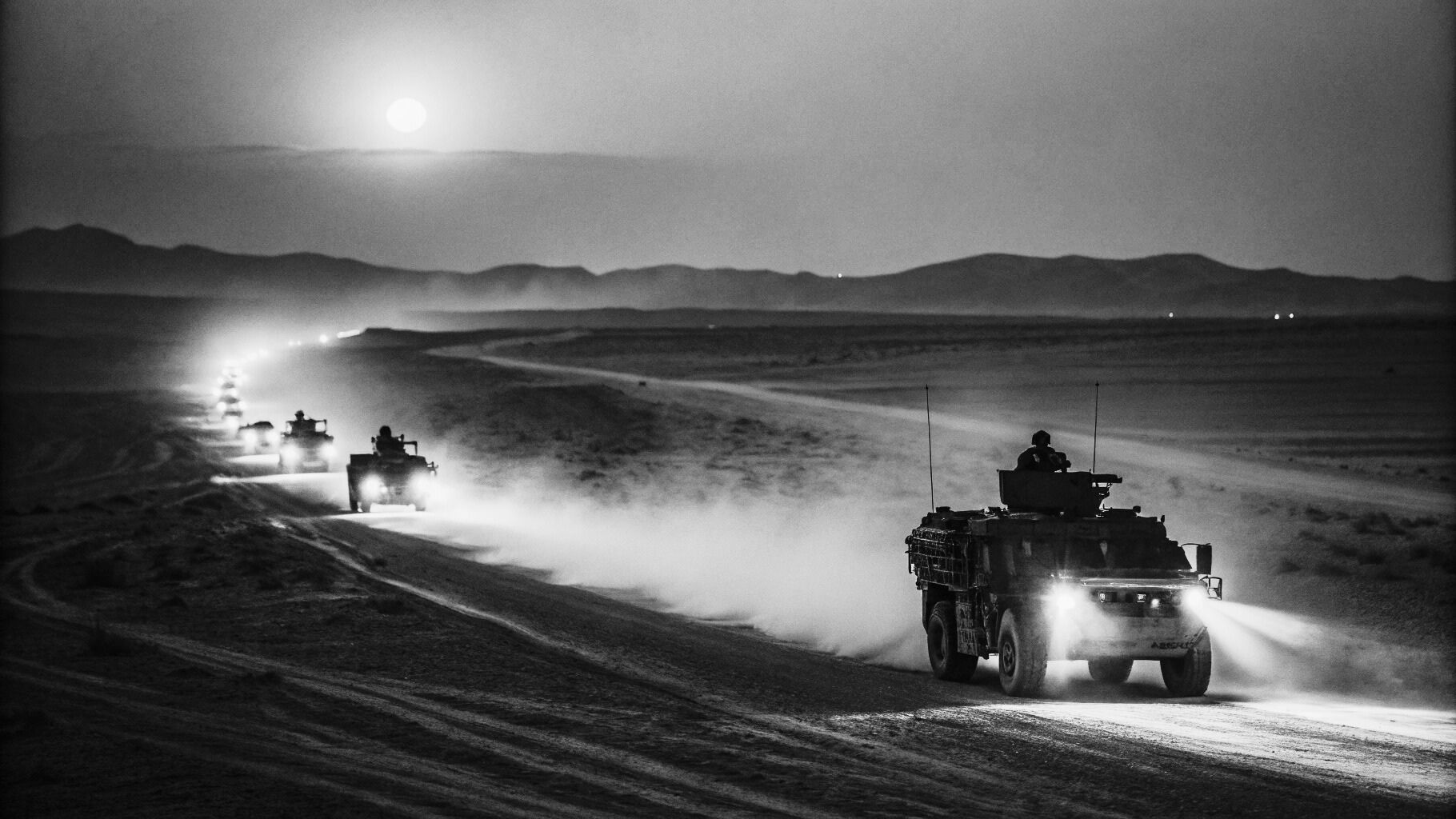
The UH-60M remains the U.S. Army’s principal tactical utility helicopter, supporting a wide spectrum of missions including air assault, troop and equipment transport, internal and external cargo lift, command-and-control support, and resupply of forward-deployed forces. Its ability to operate from austere and unprepared landing zones enables rapid manoeuvre and sustained operations across complex and widely dispersed battlefields.