
Singapore and US-based firm Epirus have signed a memorandum of understanding to jointly explore high-power microwave technologies aimed at countering unmanned aerial systems (UAS).
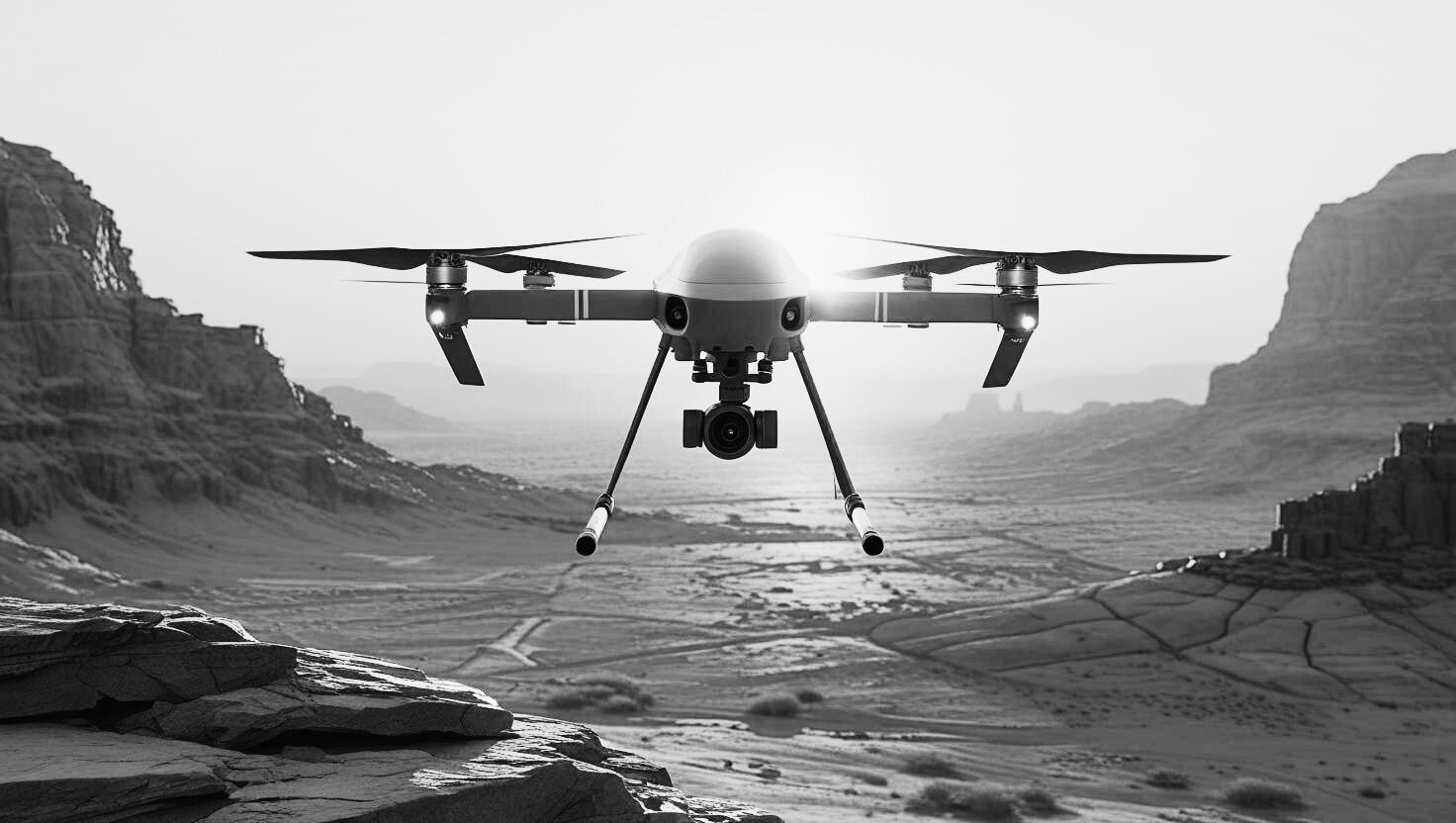
The collaboration, which includes Singapore’s Defence Science and Technology Agency (DSTA), will focus on assessing microwave-based systems that generate electromagnetic interference capable of disrupting or disabling drone electronics. The capability is intended to counter emerging threats from so-called “dark drones,” including fiber-optic guided and AI-enabled systems that can evade conventional electronic warfare techniques.
Under the partnership, DSTA and Epirus will conduct technical knowledge exchanges and joint trials to evaluate system performance across multiple operational scenarios. Planned testing will assess effectiveness against both individual drones and coordinated swarm attacks in varied environments, supporting Singapore’s efforts to strengthen counter-electronics capabilities and protect critical infrastructure.
The agreement follows Epirus’ December 2025 demonstration in which its proprietary Leonidas counter-UAS system neutralized a fiber-optic guided drone during a live-fire test at a US government facility. Epirus stated the event marked the first known operational use of weaponized electromagnetic interference to defeat a fiber-optic guided unmanned system.
Fiber-optic first-person-view drones, widely employed in the Ukraine conflict, do not depend on radio-frequency command links, making them resistant to jamming and spoofing. According to Epirus, the Leonidas system disables onboard electronics using directed, non-ionizing electromagnetic energy rather than kinetic effects.