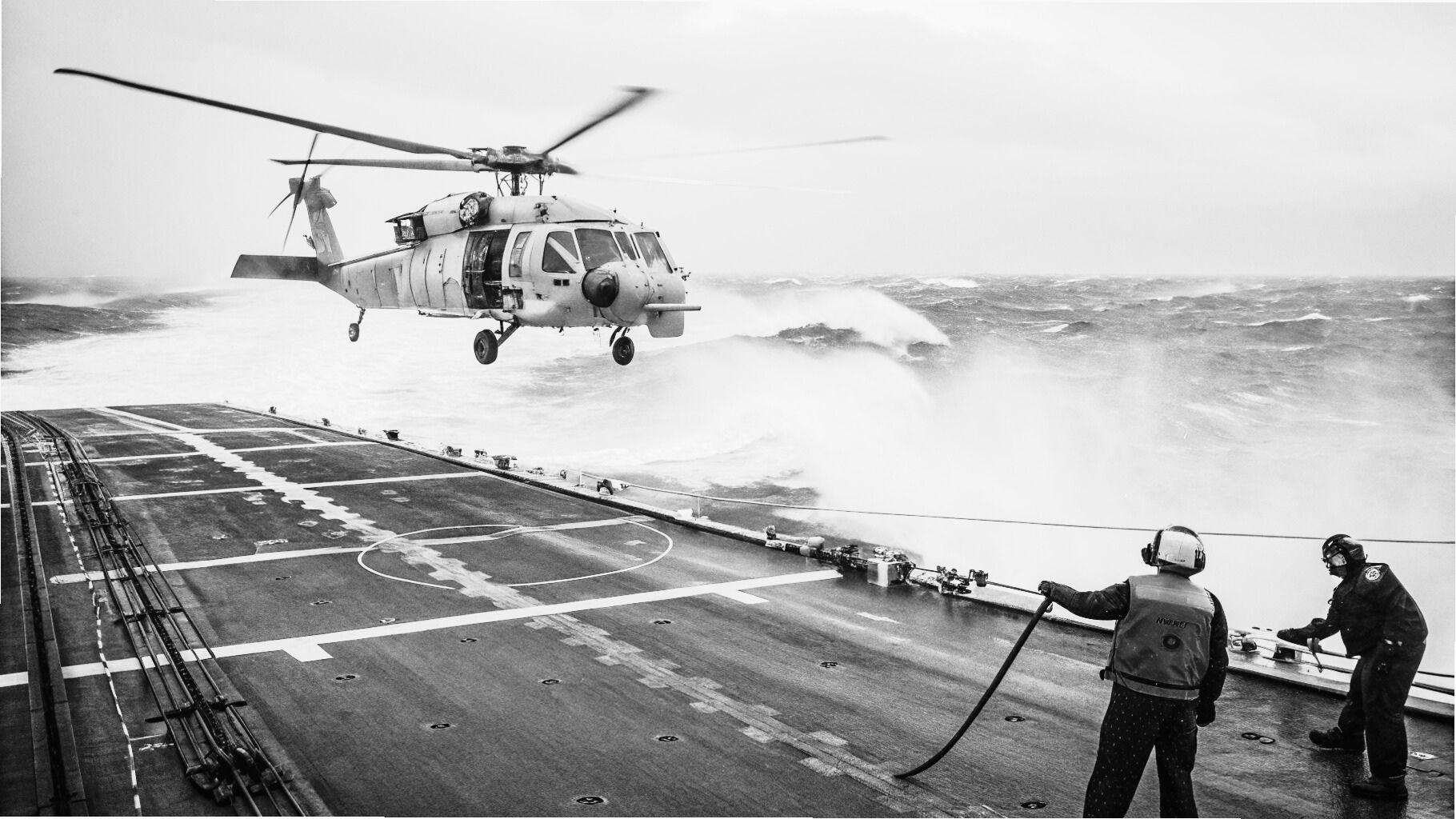
Sikorsky and the US Defense Advanced Research Projects Agency (DARPA) have handed over an experimental UH-60Mx optionally piloted Black Hawk to the US Army for advanced operational testing, marking a significant milestone in the pursuit of autonomous flight and reduced-crew operations. Developed under DARPA’s long-running Aircrew Labor In-Cockpit Automation System (ALIAS) program, the aircraft highlights the maturity of Sikorsky’s Matrix autonomy suite, designed to integrate advanced automation into existing platforms for improved mission flexibility and safety in contested environments.
The Matrix system functions as the aircraft’s core autonomy and flight control architecture, enabling end-to-end mission execution—from takeoff to landing—either autonomously or under remote supervision. It incorporates features such as automated landing zone identification, obstacle avoidance, and real-time terrain awareness, enhancing survivability while reducing pilot workload. Its open architecture also lowers maintenance and lifecycle costs, allowing crews to focus on critical mission decisions.
Matrix has already been demonstrated across multiple platforms, including the unmanned S-70 UAS U-Hawk and the UH-60A optionally piloted variant, both of which have accumulated extensive flight testing hours. The UH-60Mx is the first in the Army’s fleet to combine full fly-by-wire controls with optional piloting capability. Moving forward, US Army personnel will evaluate the aircraft’s performance in complex missions, while also using it as a testbed for the Strategic Autonomy Flight Enabler program aimed at scaling autonomy across future rotorcraft.