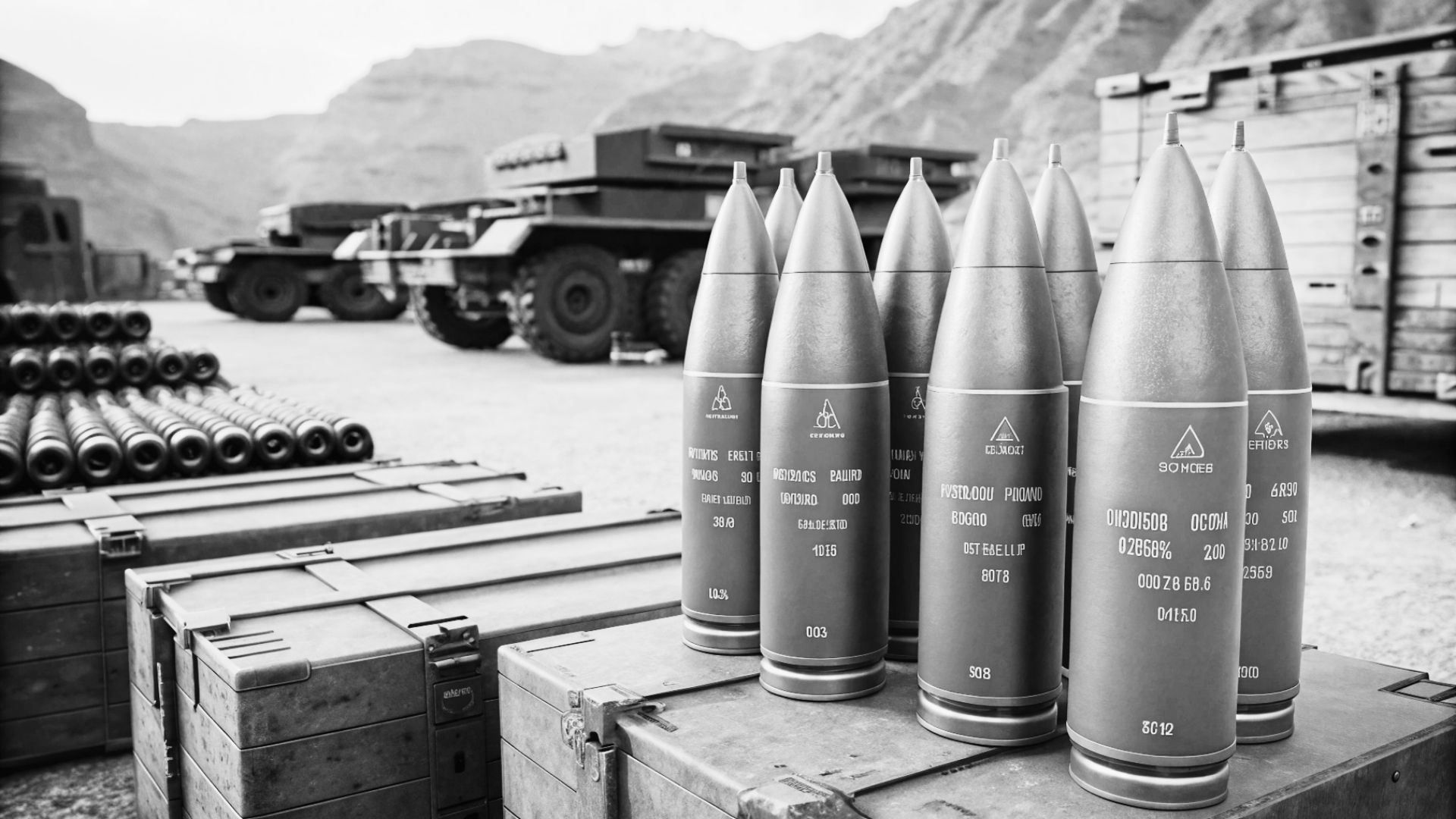
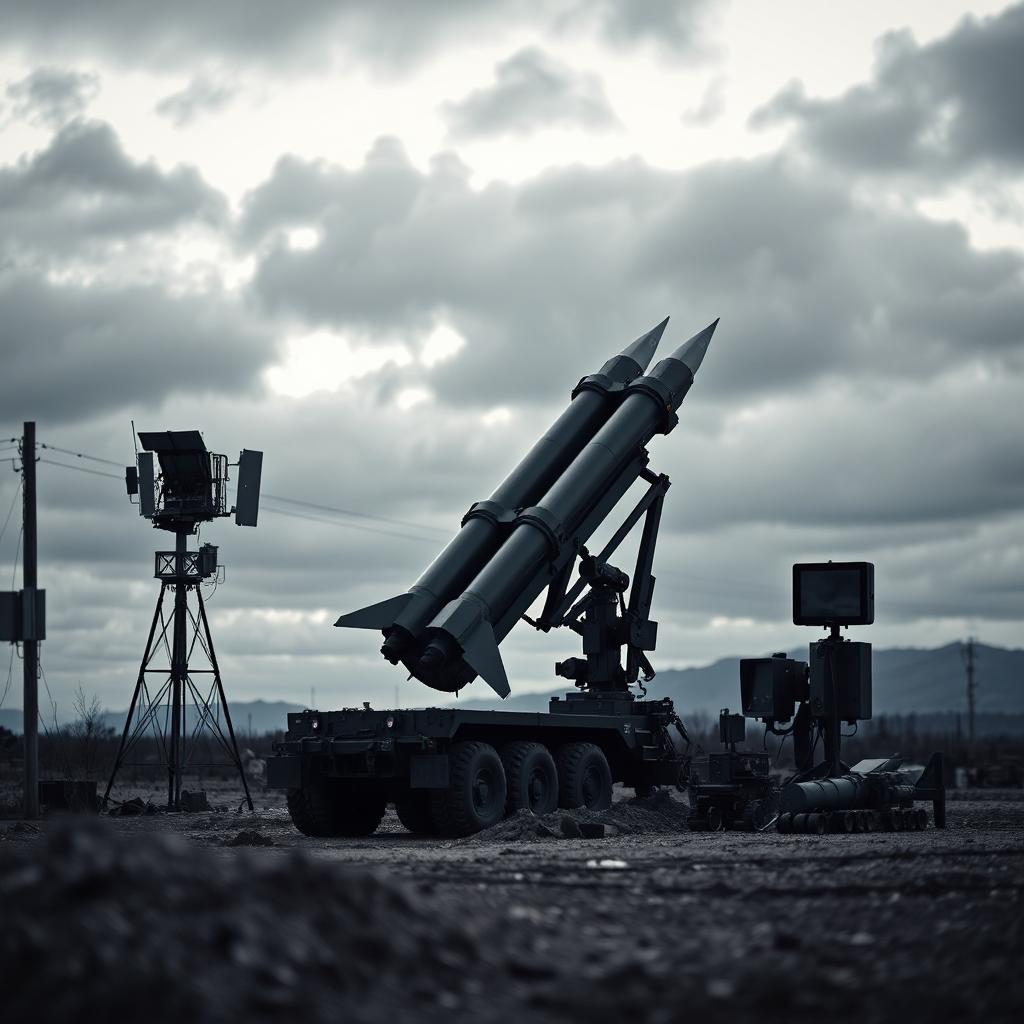
The United States has cleared a potential $9.0 billion Foreign Military Sale to Saudi Arabia aimed at significantly expanding the Kingdom’s stock of Patriot PAC-3 Missile Segment Enhancement interceptors. The approval highlights Washington’s continued focus on reinforcing Gulf air and missile defence capabilities in the face of sustained ballistic missile and unmanned aerial threats.
The U.S. Department of Defense, through the Defense Security Cooperation Agency, confirmed that it has formally notified Congress of the proposed sale to Saudi Arabia. Valued at an estimated $9.0 billion, the package authorises a major enhancement of the Kingdom’s Patriot air and missile defence inventory centred on the PAC-3 MSE interceptor, while triggering the statutory congressional review process required for large-scale arms transfers.
Under the proposed deal, Saudi Arabia would acquire 730 PAC-3 MSE missiles, a figure consistent with the size and operational demands of its existing Patriot force. According to The Military Balance 2025, the Kingdom operates 108 M902 Patriot PAC-3 launchers, placing it among the world’s largest Patriot users. These launchers are deployed across multiple fire units tasked with protecting critical energy infrastructure, key military installations, and major population centres, with particular emphasis on the eastern oil-producing region and the southern areas exposed to missile and drone attacks.
Saudi Patriot units have operated continuously in combat conditions over the past decade, intercepting ballistic missiles and long-range aerial threats during periods of regional escalation. U.S. officials indicate that the scale of the PAC-3 MSE request reflects both the need to replenish missiles expended during operational use and the requirement to sustain a dense defensive posture across a large launcher fleet. With more than 100 launchers in service, maintaining deep interceptor inventories is essential to preserve readiness against saturation attacks and to ensure layered defence of high-value assets.
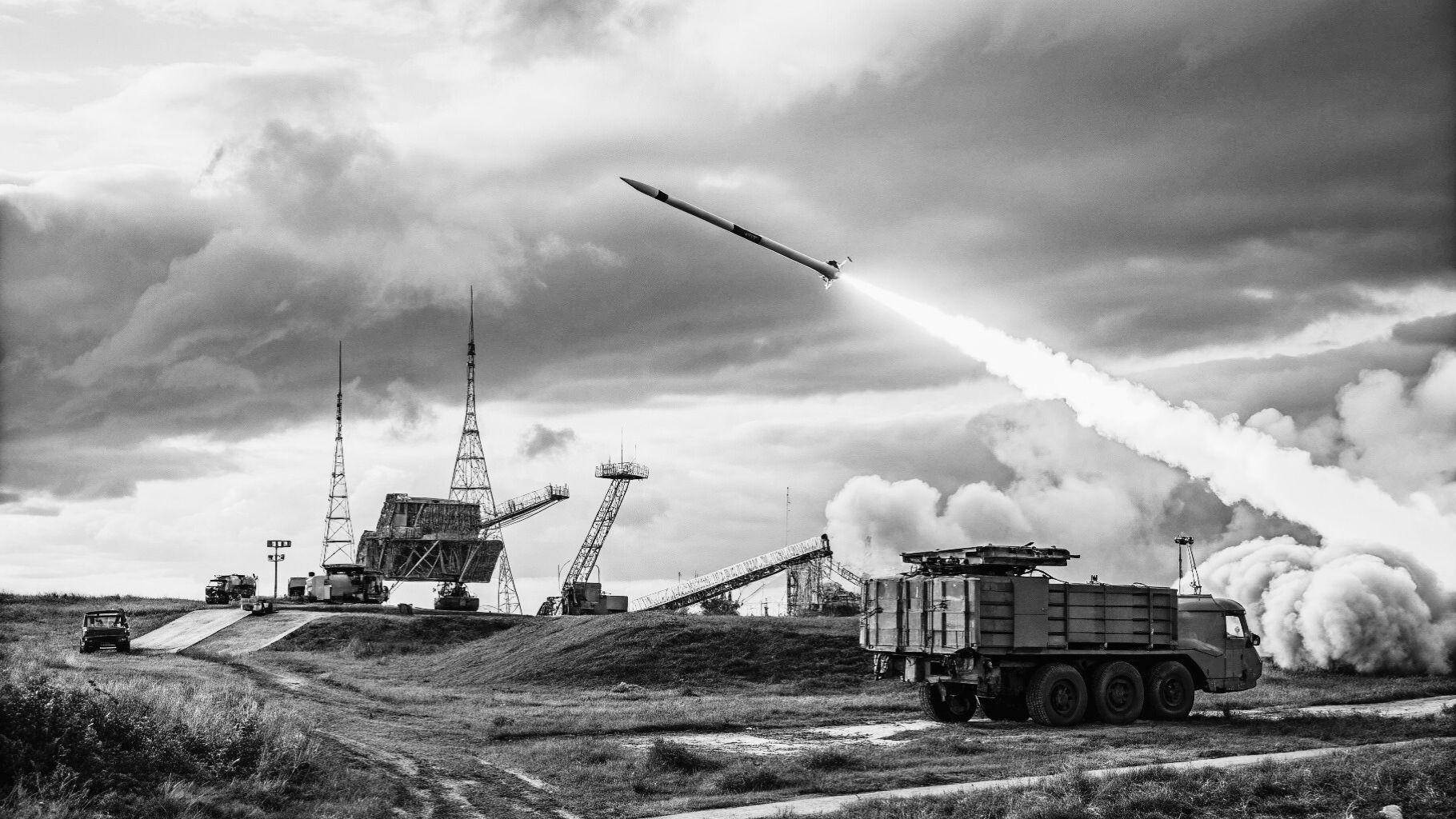
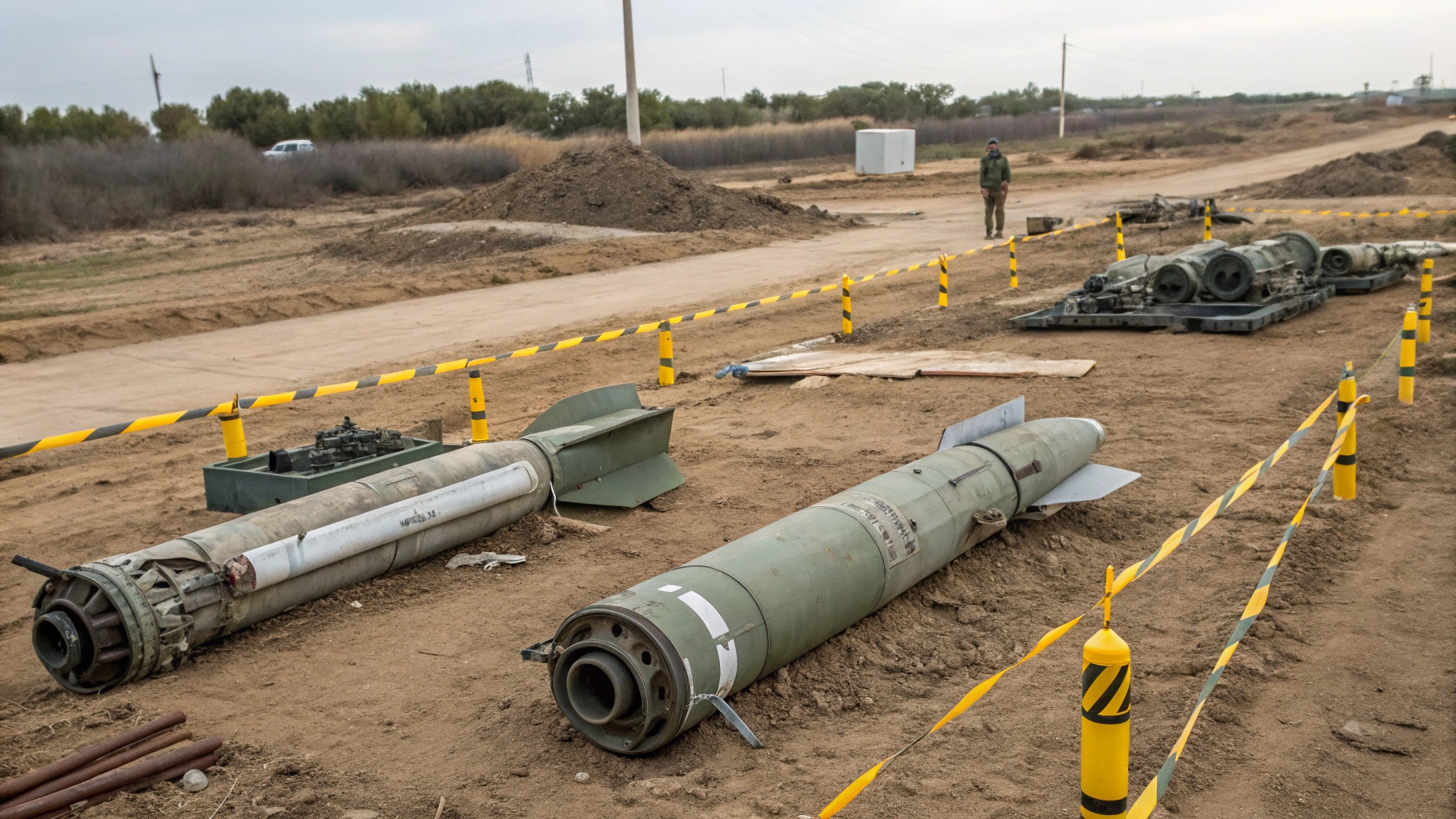
From a technical perspective, the PAC-3 Missile Segment Enhancement interceptor represents a marked improvement over earlier Patriot variants. Unlike the proximity-fused, blast-fragmentation PAC-2 missile, the PAC-3 MSE employs a hit-to-kill kinetic mechanism that destroys targets through direct impact. Its larger dual-pulse solid rocket motor extends engagement range and altitude while providing enhanced terminal-phase manoeuvrability. These characteristics significantly improve performance against short- and medium-range ballistic missiles, manoeuvring re-entry vehicles, cruise missiles, and other advanced threats.
Enhanced guidance, control systems, and seeker performance allow the PAC-3 MSE to operate effectively in electronically contested environments and to integrate seamlessly into modern, networked air and missile defence architectures. In Saudi service, the interceptor works in concert with upgraded Patriot radars and command-and-control systems, enabling earlier detection, multiple simultaneous engagements, and an expanded defended footprint per launcher—an important advantage for a country with extensive territory and widely dispersed critical infrastructure.