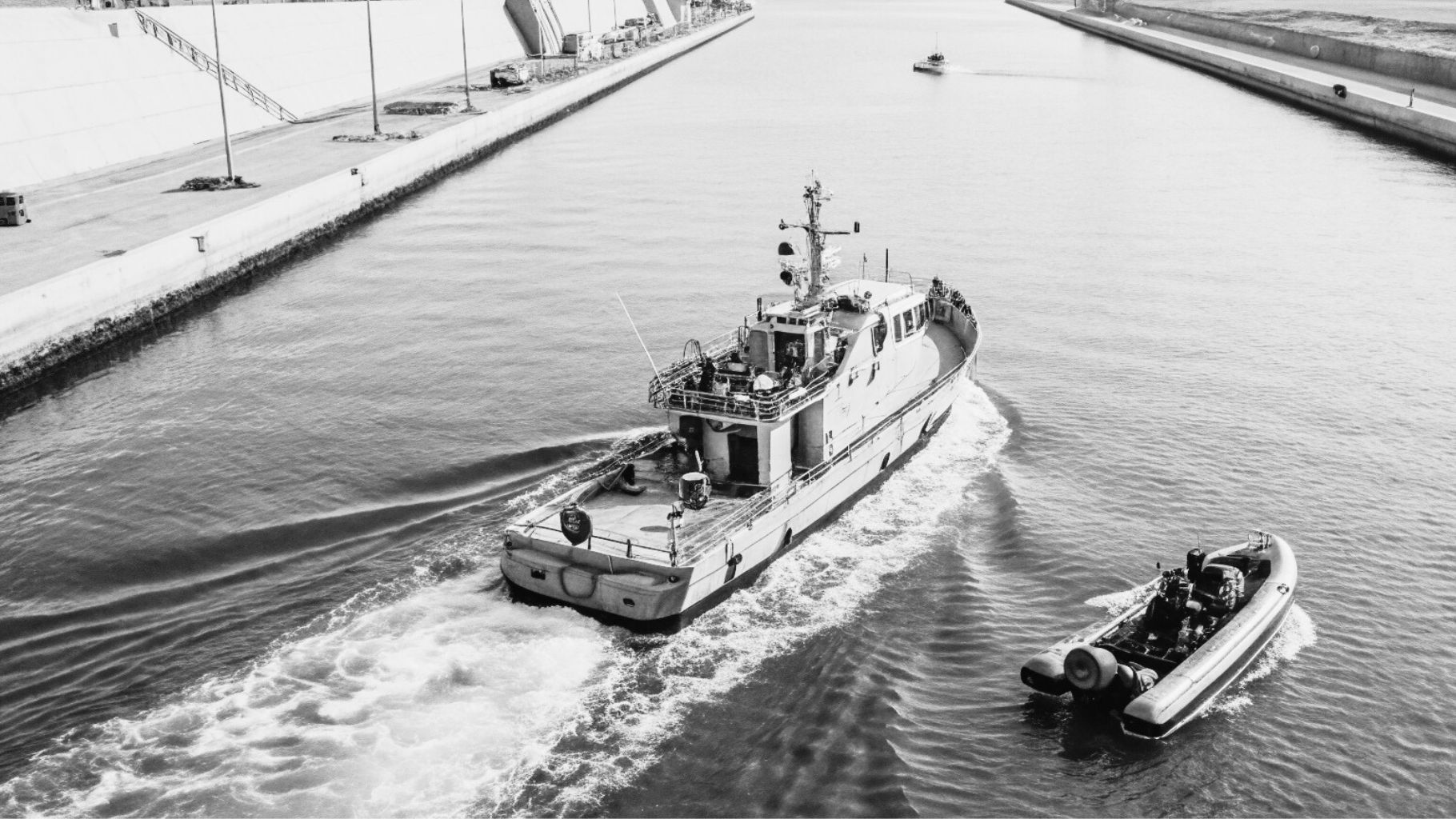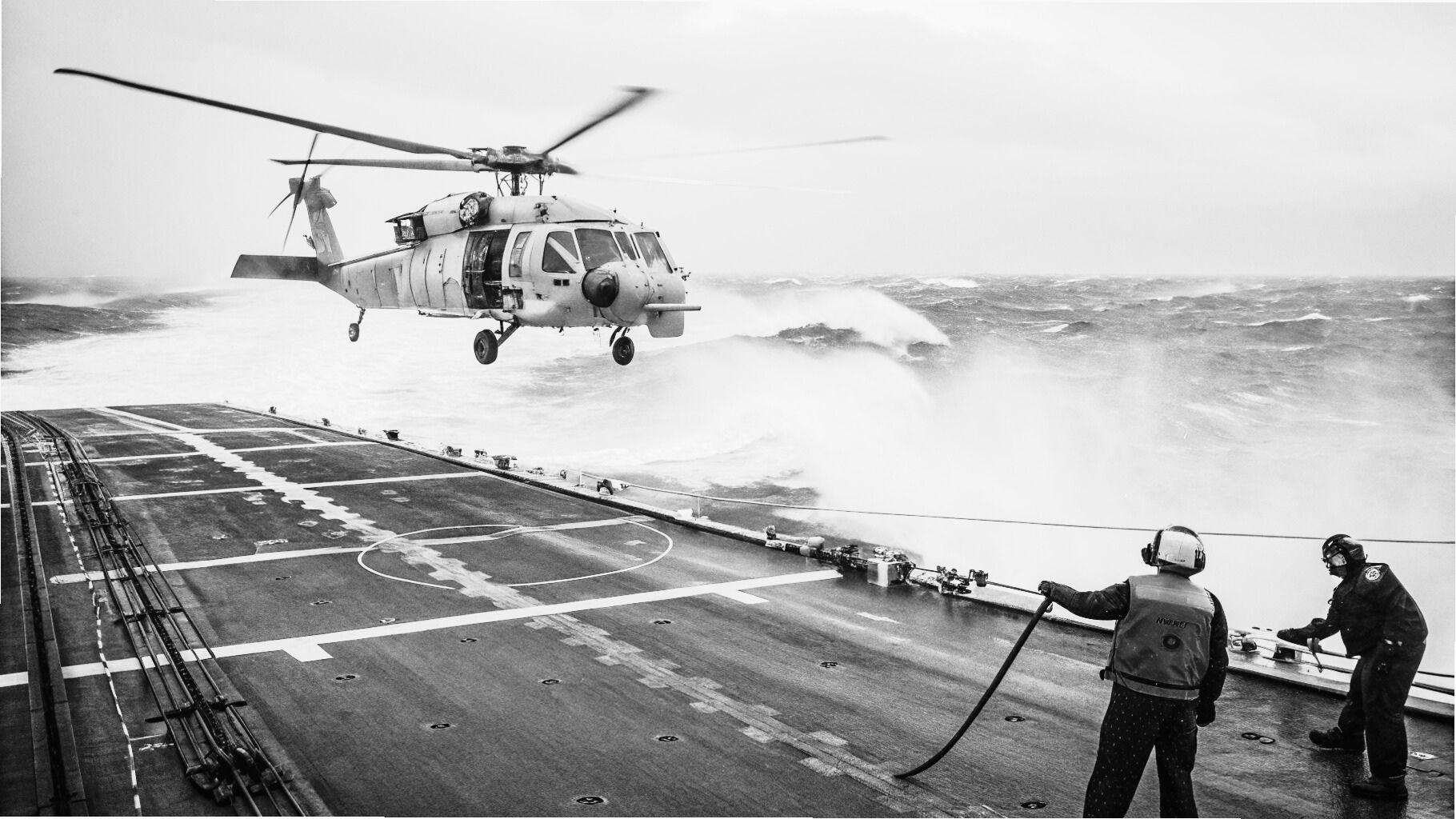
Airbus has announced that the European Maritime Safety Agency (EMSA) has selected its Flexrotor uncrewed aerial system under a new framework contract for maritime surveillance services. The award marks the first operational use of Flexrotor in Europe and comes as EU coast guard authorities face increasing demands to monitor expansive maritime areas affected by irregular migration, illegal fishing, environmental incidents, and maritime crime. By centralising drone-based surveillance services at the EMSA level, the European Union aims to provide national authorities with a shared, real-time aerial picture of their maritime approaches, signalling a shift toward routine employment of tactical UAS as a core coast guard capability rather than an experimental tool.
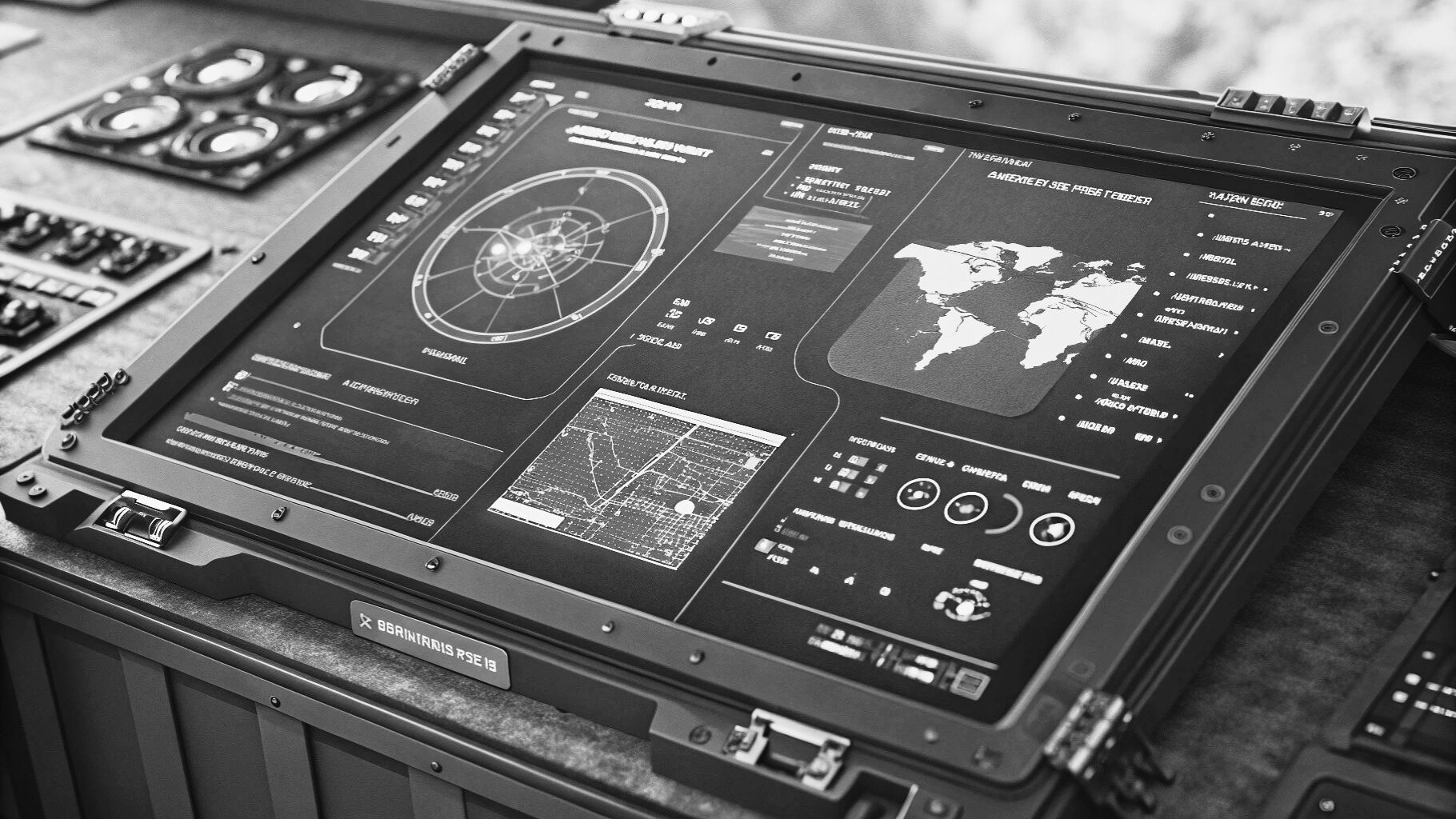
The framework contract, valued at €30 million (approximately $35 million), covers the provision of Remotely Piloted Aircraft System (RPAS) services using Flexrotor for multipurpose maritime surveillance. The agreement includes an initial two-year period with options for two additional one-year extensions, allowing operations to continue for up to four years. Services are scheduled to begin in 2026 and will be delivered by French operator Extensee. Under the contract, Airbus will support flight operations providing electro-optical and infrared imagery, along with radar data, streamed in real time to the EMSA RPAS Data Centre. This will enable national coast guards and relevant EU bodies to monitor missions live. The service will be available to EU member states as well as Norway and Iceland, with the option for two simultaneous deployments from different launch sites and the ability to add further detachments if required. EMSA stated that the missions will support search and rescue, fisheries inspection, environmental monitoring, and the detection of illicit maritime activity.
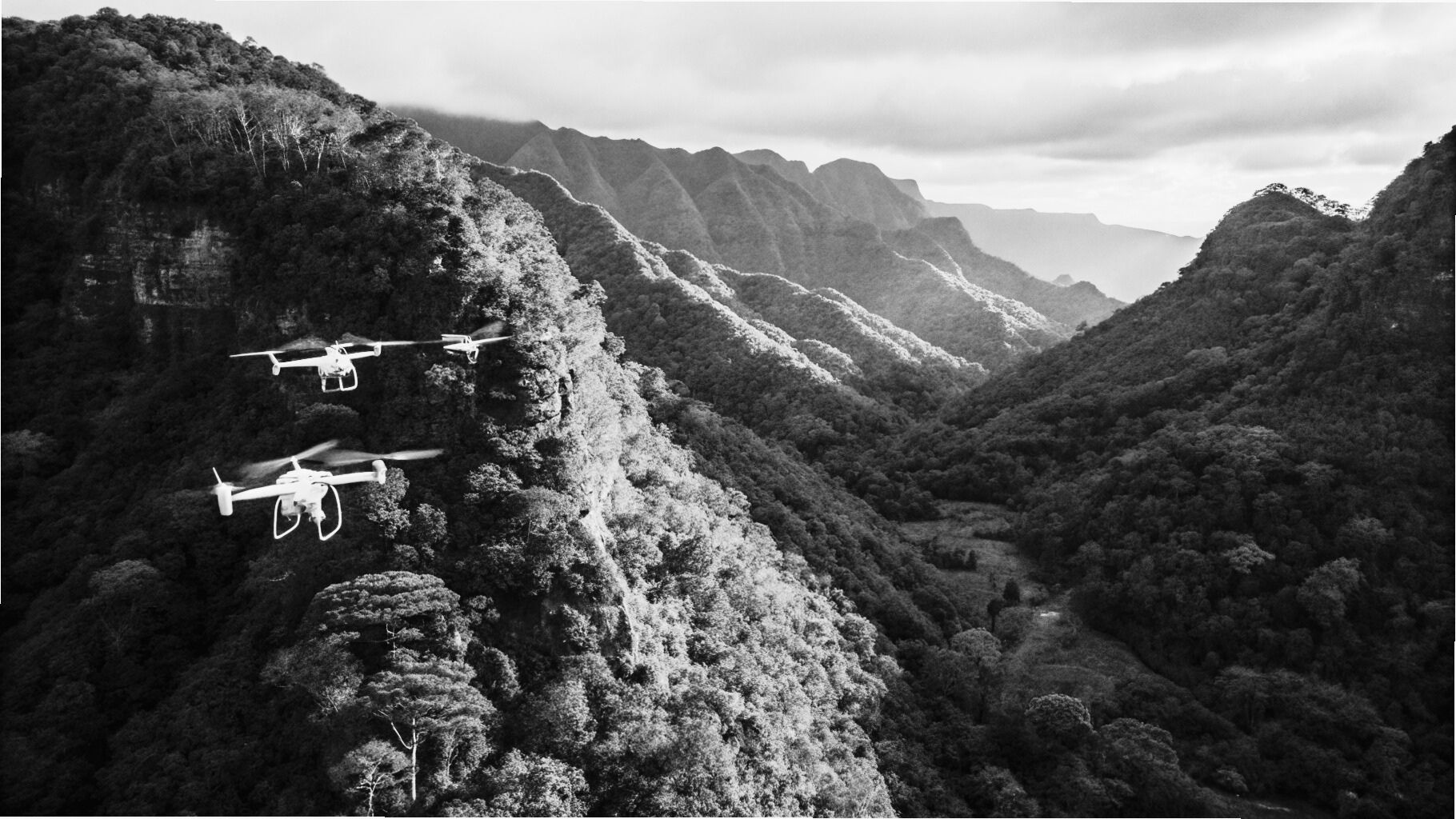
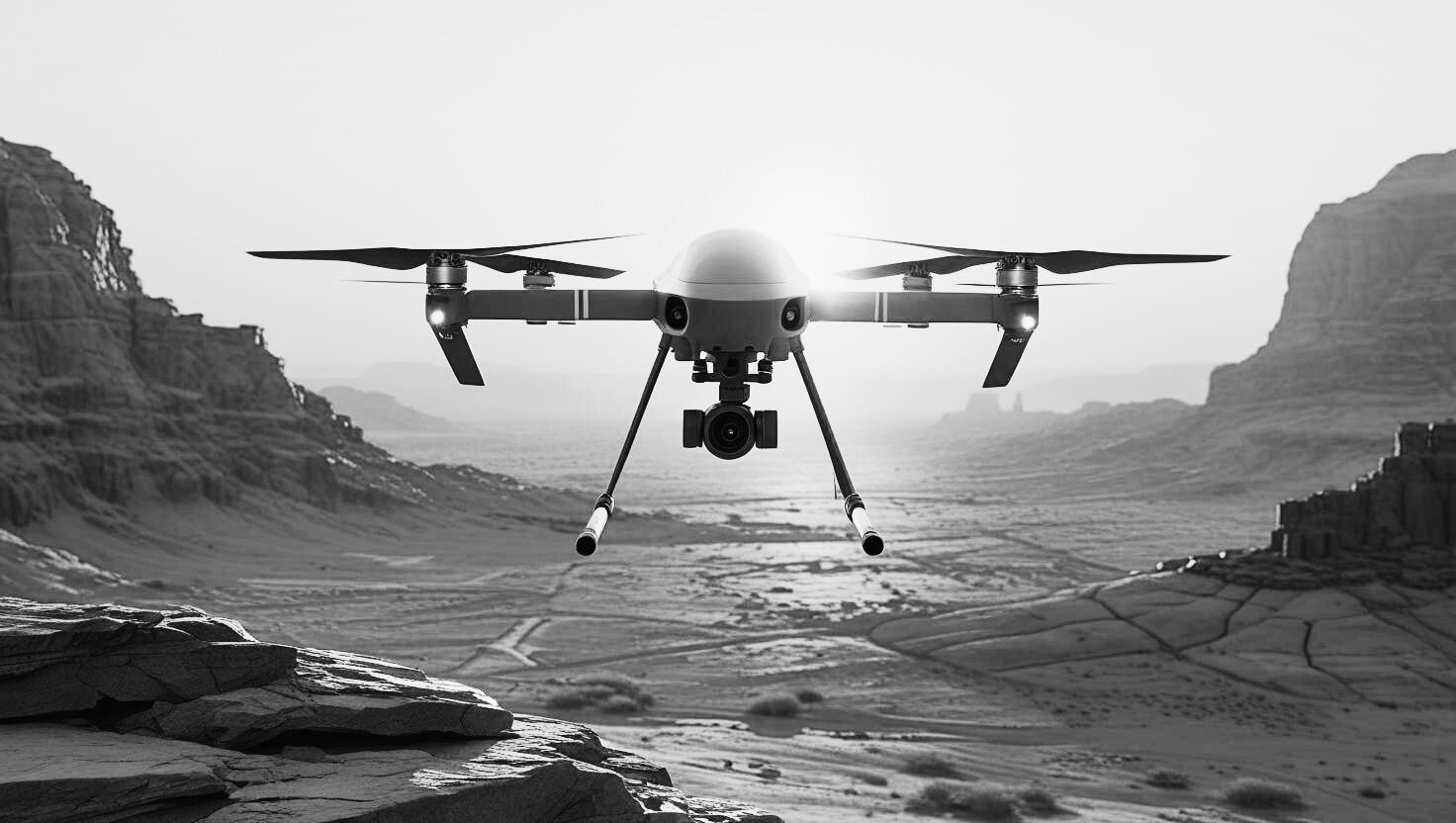
Flexrotor is classified as a Group 2 small tactical vertical take-off and landing uncrewed aircraft system. It has a maximum take-off weight of 25 kg, a wingspan of roughly 3 metres, and a rotor diameter of 2.2 metres, with payload capacity of up to 8 kg. Powered by a 28 cc two-stroke engine, the aircraft can achieve dash speeds of around 140 km/h and typically offers endurance of 12 to 14 hours, with approximately 10 hours expected in the EMSA configuration. Optimised for intelligence, surveillance, target acquisition, and reconnaissance missions, Flexrotor carries EO/IR sensors and radar, while its payload-agnostic design allows integration of additional sensors as required. A key feature for maritime users is its ability to autonomously launch and recover from land or sea within a 3.7 × 3.7 metre footprint, enabling operations from small vessels, limited shore facilities, or austere coastal locations, with the system capable of deploying from stowage to flight in under 30 minutes.