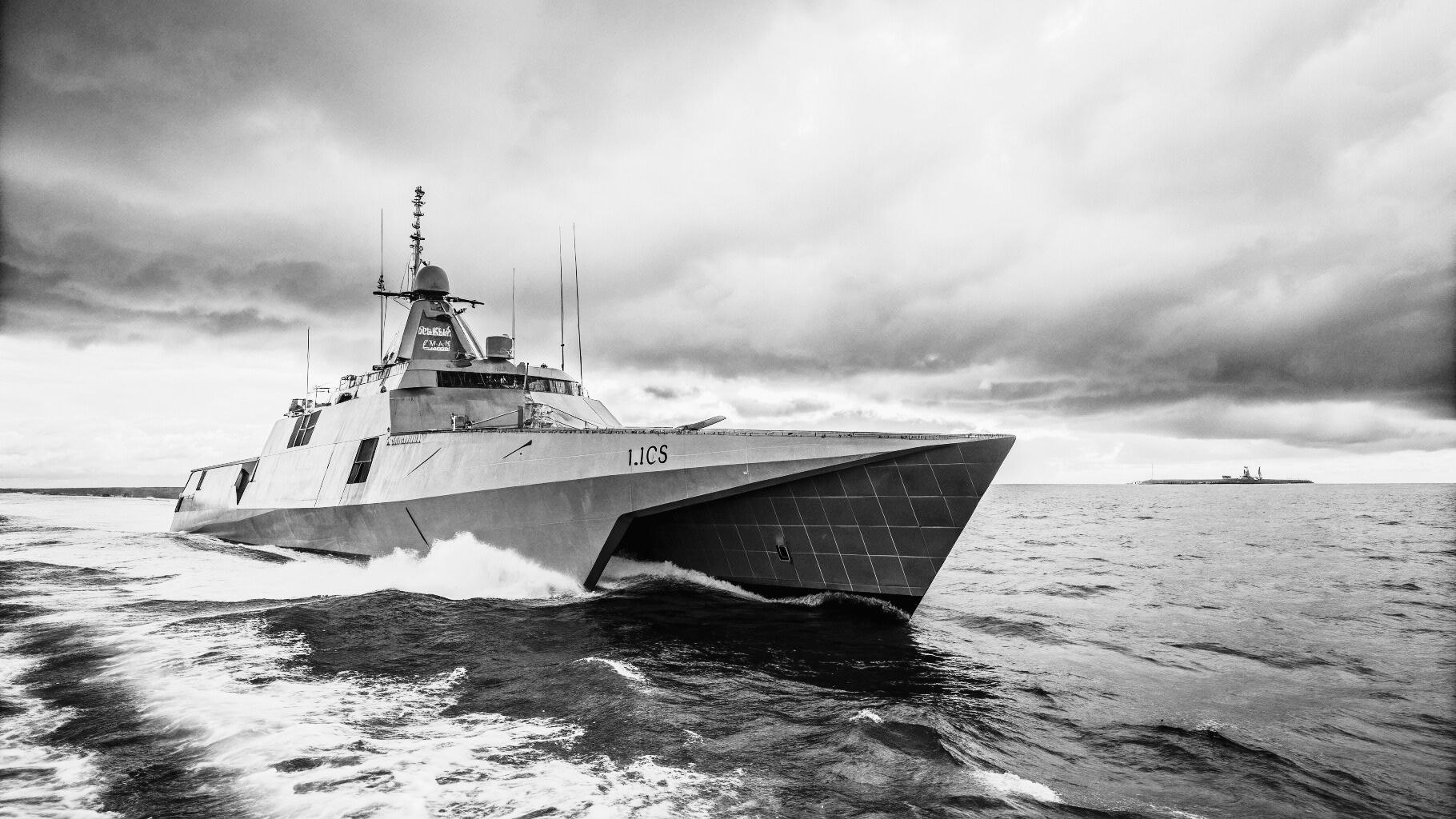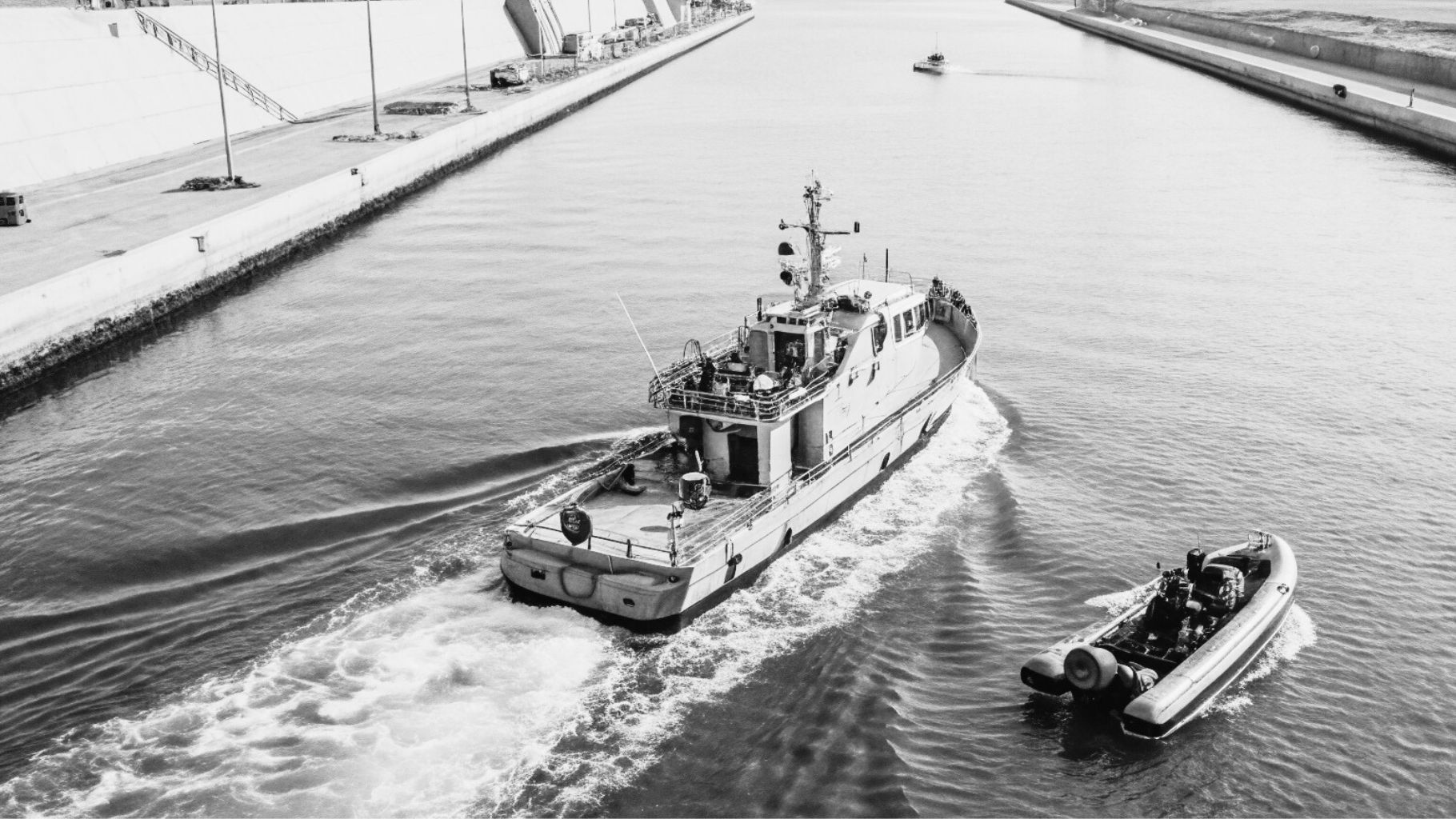
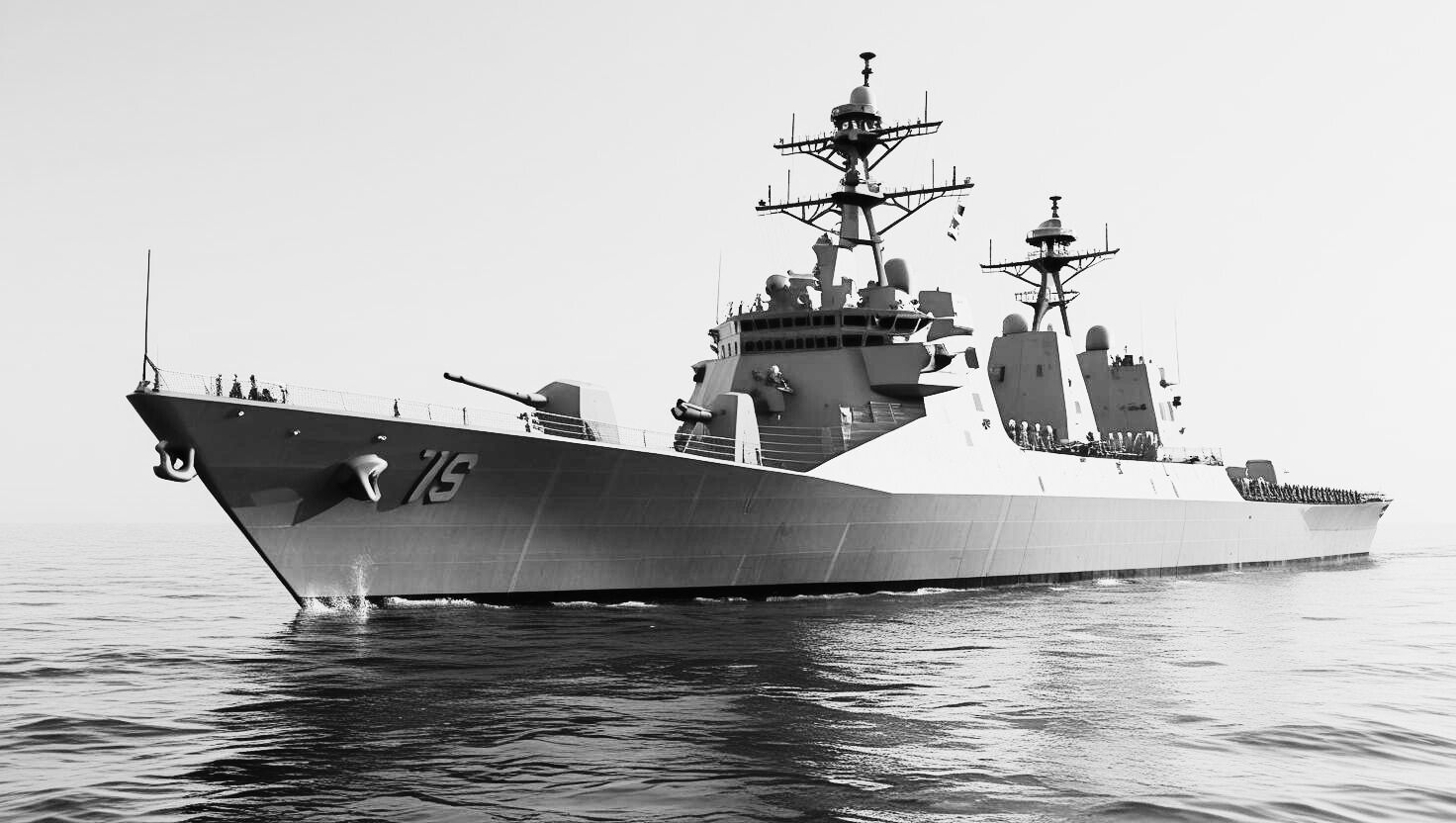
The Belgian Navy has received its first City-class minehunter, the Oostende (M940), during a ceremony at Zeebrugge Naval Base in Bruges.
This delivery represents a key achievement in the 2019 Belgian-Dutch rMCM program, a joint naval effort with the Netherlands to build 12 next-generation mine countermeasure vessels, split equally between the two nations for deployment through the 2030s.
Designed with a stand-off operational approach, the City-class ships can detect and neutralize sea mines remotely, avoiding direct exposure to danger zones.
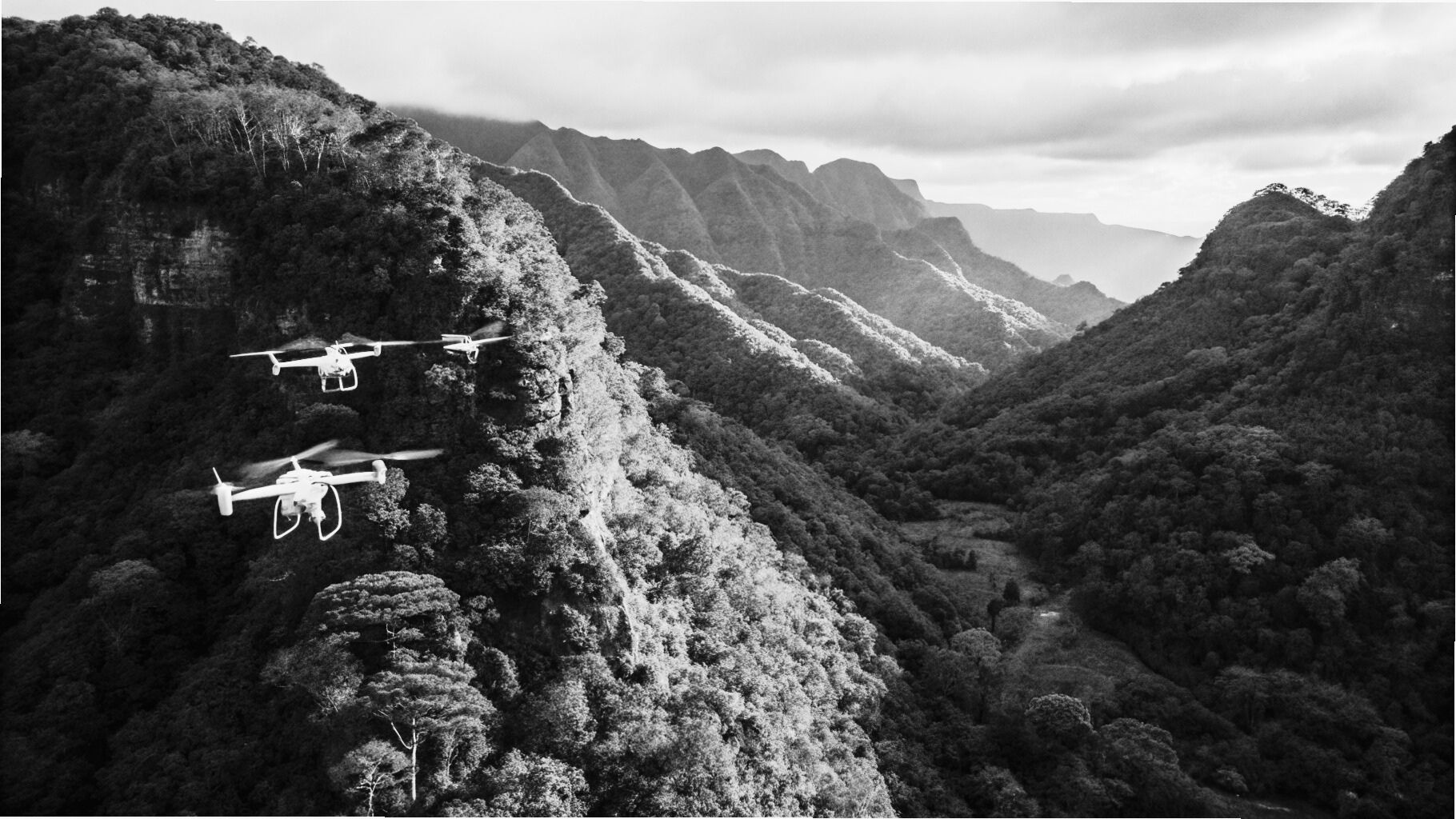
The system integrates unmanned surface, underwater, and aerial vehicles, enabling precise and safe mine disposal operations.
The new vessels will replace aging Tripartite-class and Alkmaar-class minehunters that have served Belgium and the Netherlands since the 1980s, filling a critical operational gap in both fleets.
Each ship measures 82 meters (269 feet) long, with accommodations for more than 60 personnel.
The class is powered by three diesel generators and twin electric propulsion motors, providing speeds of 15 knots (28 km/h) and an operational range exceeding 3,500 nautical miles (6,482 km).
Beyond its advanced drone suite, the vessel is equipped with minehunting equipment such as cranes, inflatable craft, dredging systems, and acoustic tools to enhance mission flexibility.
For onboard defense, the ship carries a naval gun, heavy and light machine guns, water cannons, and long-range acoustic defense systems.
The rMCM program is overseen by Belgium Naval & Robotics, a partnership between Naval Group (France) and Exail.