Hanwha Systems has secured a 200 billion Korean won ($135.5 million) contract to develop the multi-function radar for South Korea’s next-generation Cheongung-III air and missile defense system.
The contract, awarded by the Agency for Defense Development (ADD), covers the development of a prototype radar for the Mid-range Surface-to-Air Missile (M-SAM) Block-III program. The project is scheduled to run until June 2030 and represents the first new Cheongung variant development since the Cheongung-II upgrade completed in 2012.
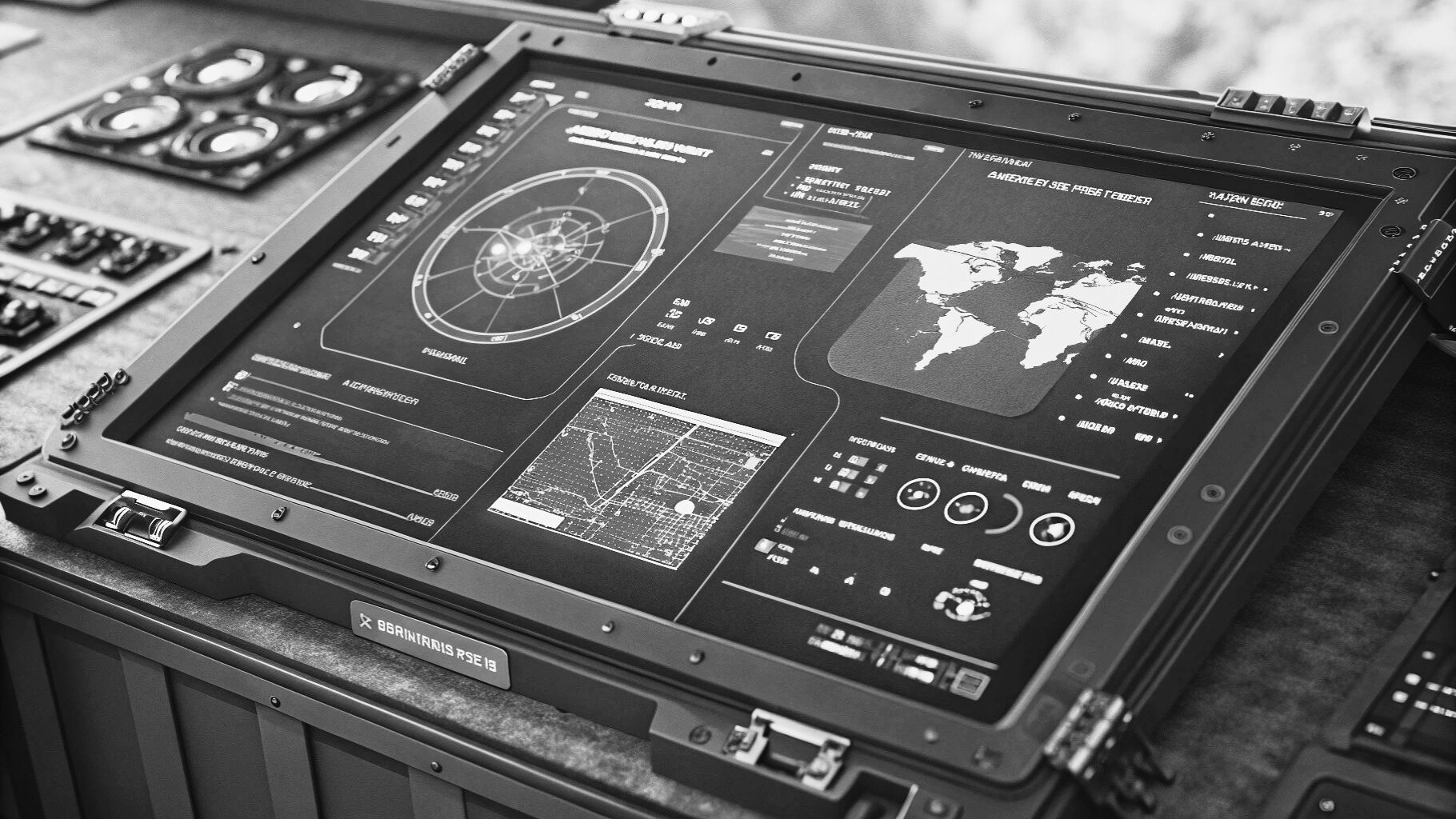
At the core of the system is a multi-function radar responsible for detection, tracking, identification, and fire-control support. Hanwha Systems will employ fully digital Active Electronically Scanned Array (AESA) technology for the Cheongung-III radar.
The AESA architecture enables the radar to perform multiple missions simultaneously, including tracking both aircraft and ballistic missile threats, while delivering faster reaction times and wider coverage compared to conventional mechanically scanned radars.
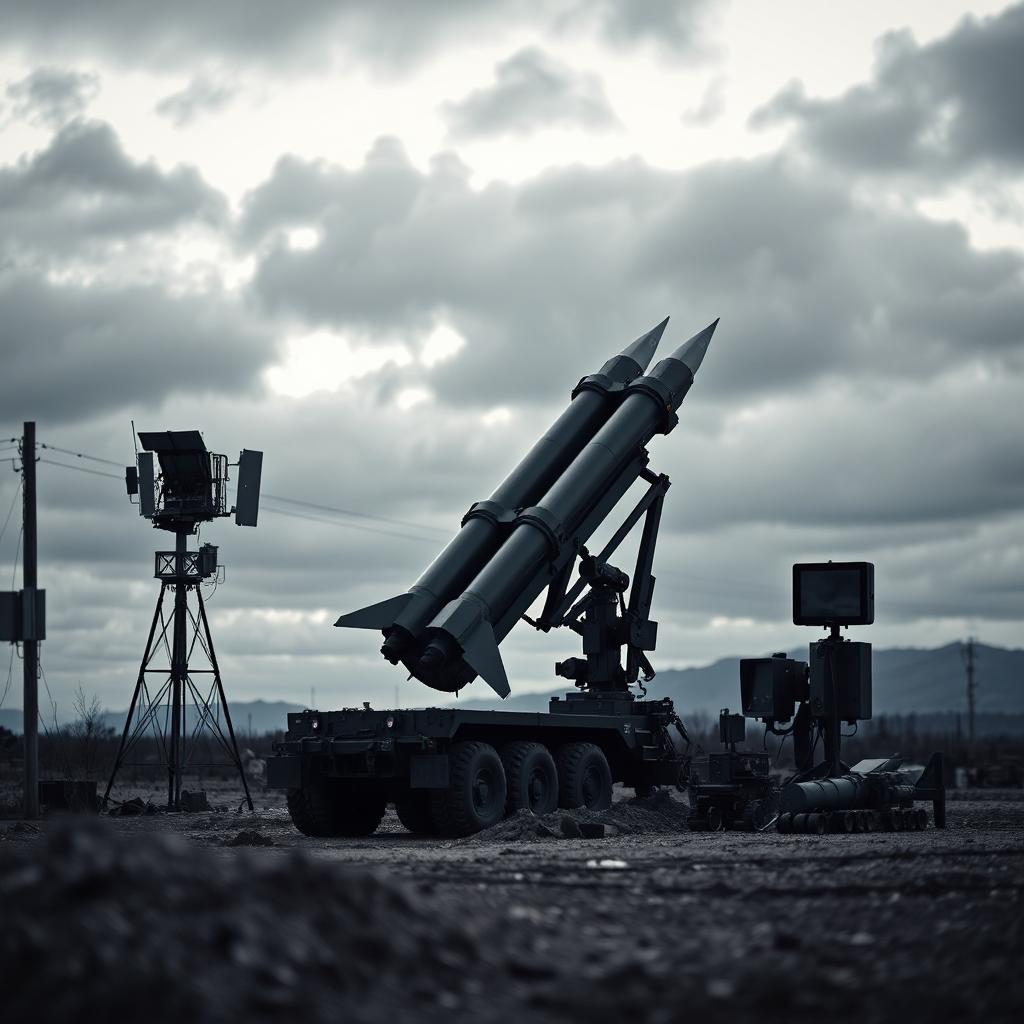
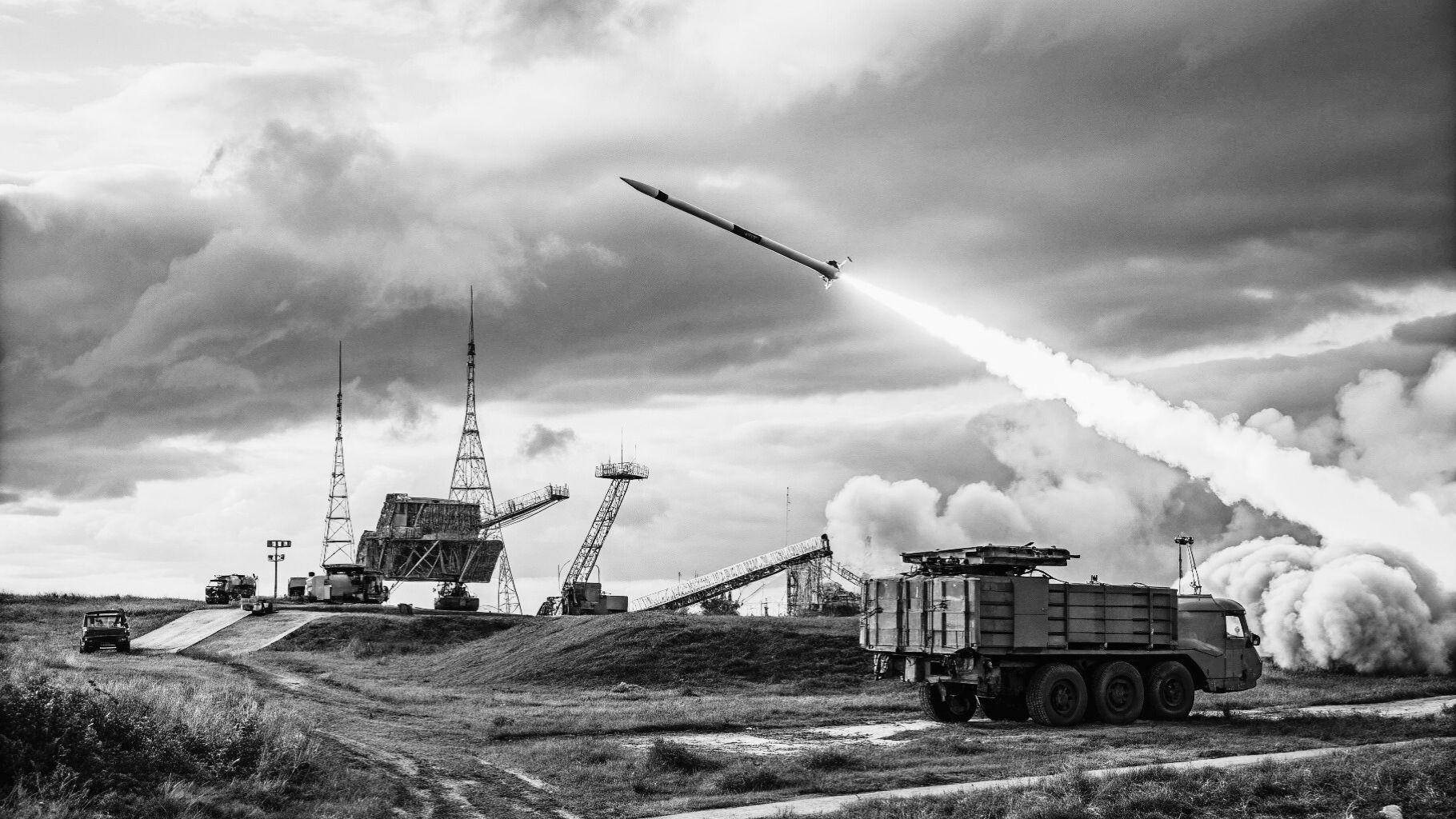
Cheongung-III, also known as M-SAM Block-III, is South Korea’s latest medium-range surface-to-air missile system. It features enhanced detection and engagement performance, expanded altitude coverage, and advanced multi-target tracking, making it a critical component of the nation’s layered air and missile defense architecture.
Serving as the system’s “eyes,” the multi-function radar coordinates real-time threat detection and missile interception. Hanwha Systems leads the radar development, integrating advanced AESA capabilities to support faster responses, broader surveillance, and simultaneous engagement of multiple targets.
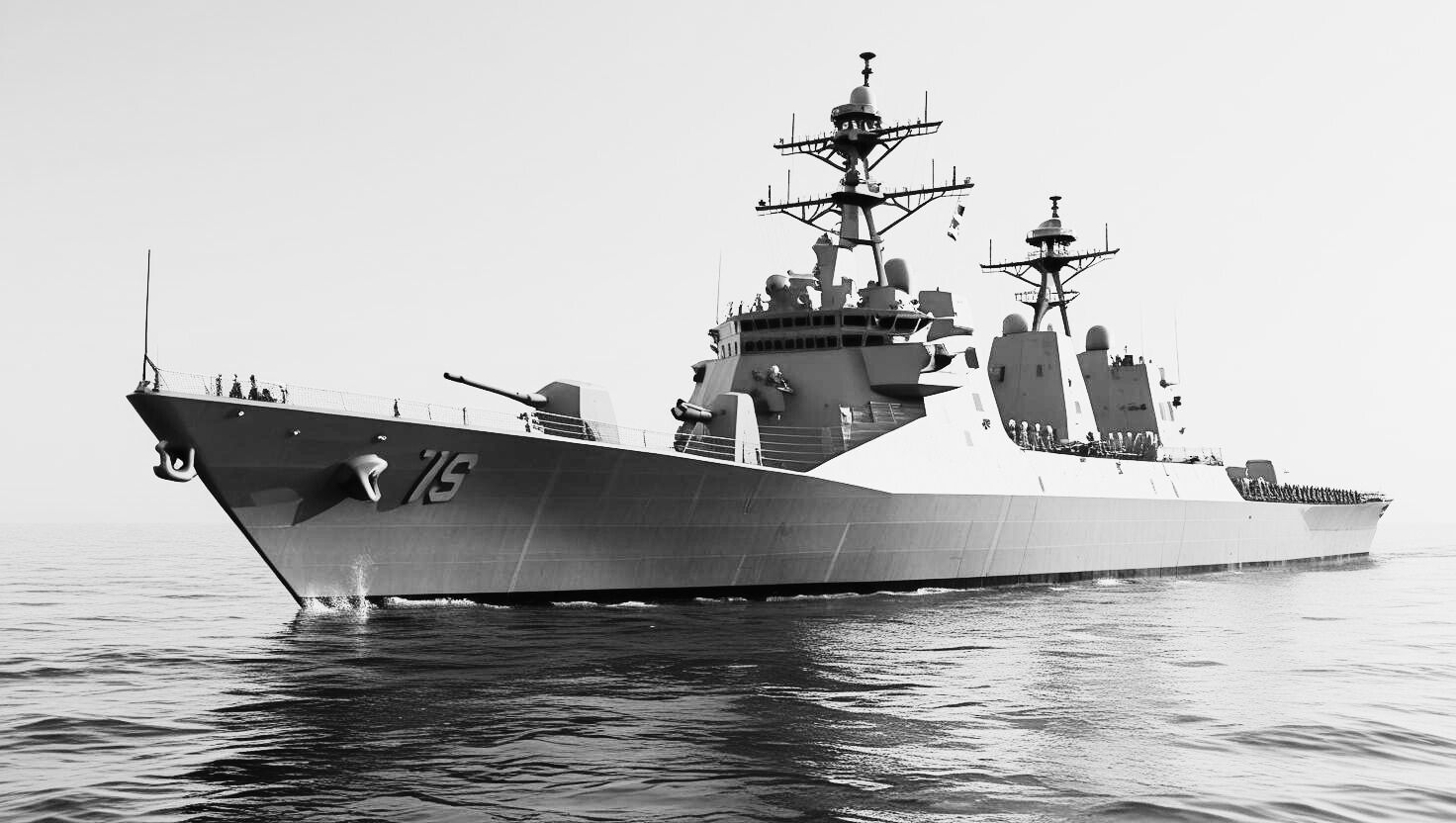
The company’s radar portfolio also includes AESA systems for the L-SAM long-range missile defense program, the Long-Range Artillery Interception System, the KF-21 fighter aircraft, and naval platforms such as Ulsan-class Batch-III frigates and future KDDX destroyers.
Cheongung-III further builds on the export success of Cheongung-II, which has been sold to the UAE, Saudi Arabia, and Iraq since 2022 under contracts valued between approximately $867 million and $1.1 billion.