
The Government of India has signed contracts totaling 2.89 billion rupees ($32.5 million) with Zen Technologies to modernize its anti-drone systems.
Zen will deliver the enhancements within a year, incorporating operational insights from recent missions like Operation Sindoor, a counterterrorism drive in Jammu and Kashmir earlier this year.
The initiative seeks to improve hardware resilience and software flexibility—capabilities often limited in foreign-made systems due to export rules and supplier constraints. The upgrades will primarily mitigate two key risks: hardware compromise and malware infiltration.
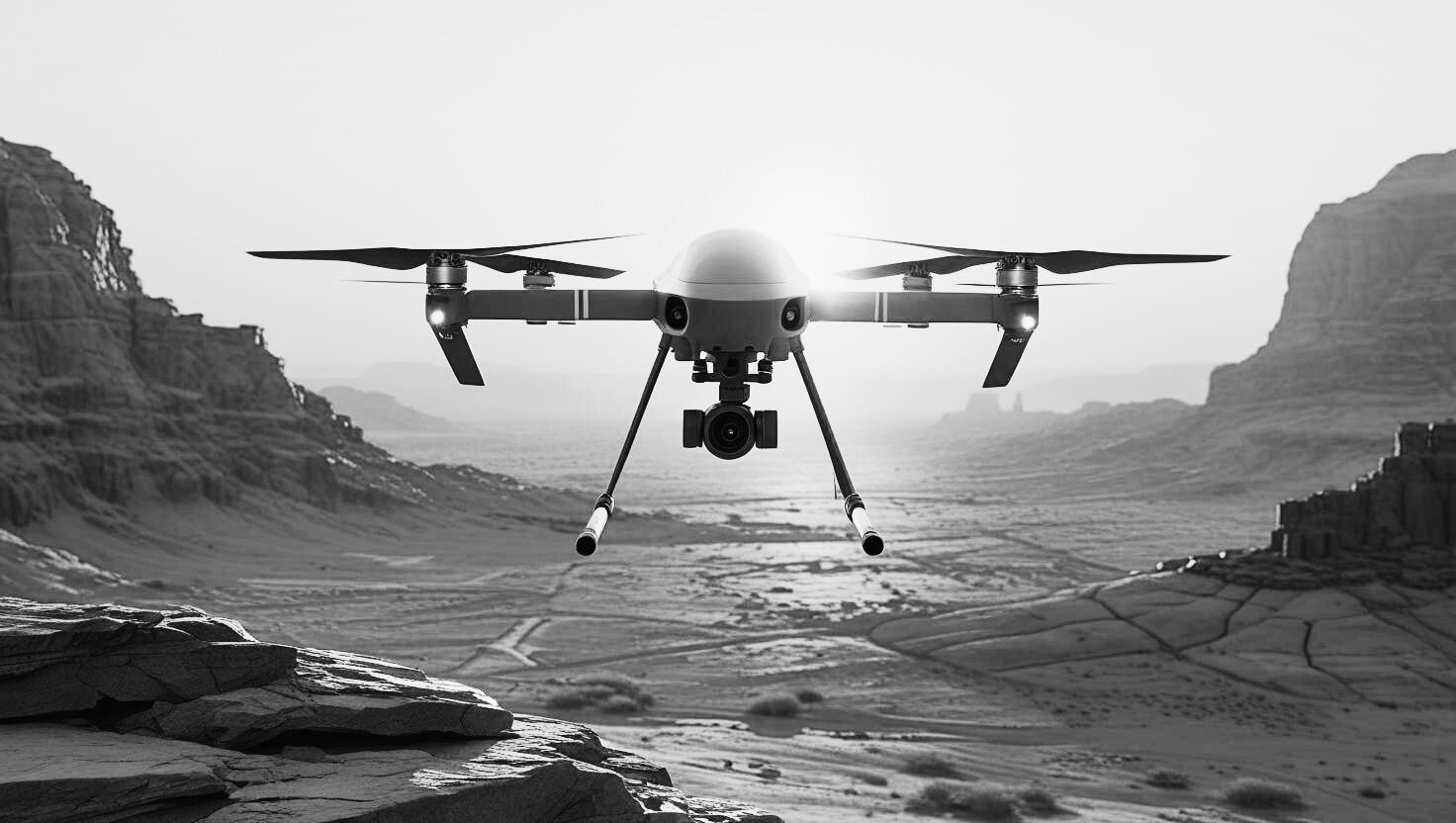
Developed by DRDO in partnership with Bharat Electronics Limited, the D4 counter-drone system integrates radar, RF detection sensors, EO/IR cameras, jammers, and laser-based directed-energy weapons. It can be deployed in both fixed and mobile configurations, ensuring swift integration across the military.
In February 2025, Adani Defence & Aerospace, collaborating with DRDO, rolled out a vehicle-mounted counter-drone platform featuring radar, SIGINT/EO sensors, jammers, a 7.62-mm gun, and a high-energy laser. The system offers protection over ranges of up to 10 kilometers (6.2 miles), adapting to varied terrains and tactical environments.
Meanwhile, private innovators such as Solar Defence and Aerospace Limited are advancing systems like the Bhargavastra micro-missile platform, engineered to neutralize loitering munitions and autonomous drone swarms.
These efforts underline India’s growing self-reliance and technological maturity in tackling complex drone warfare challenges.