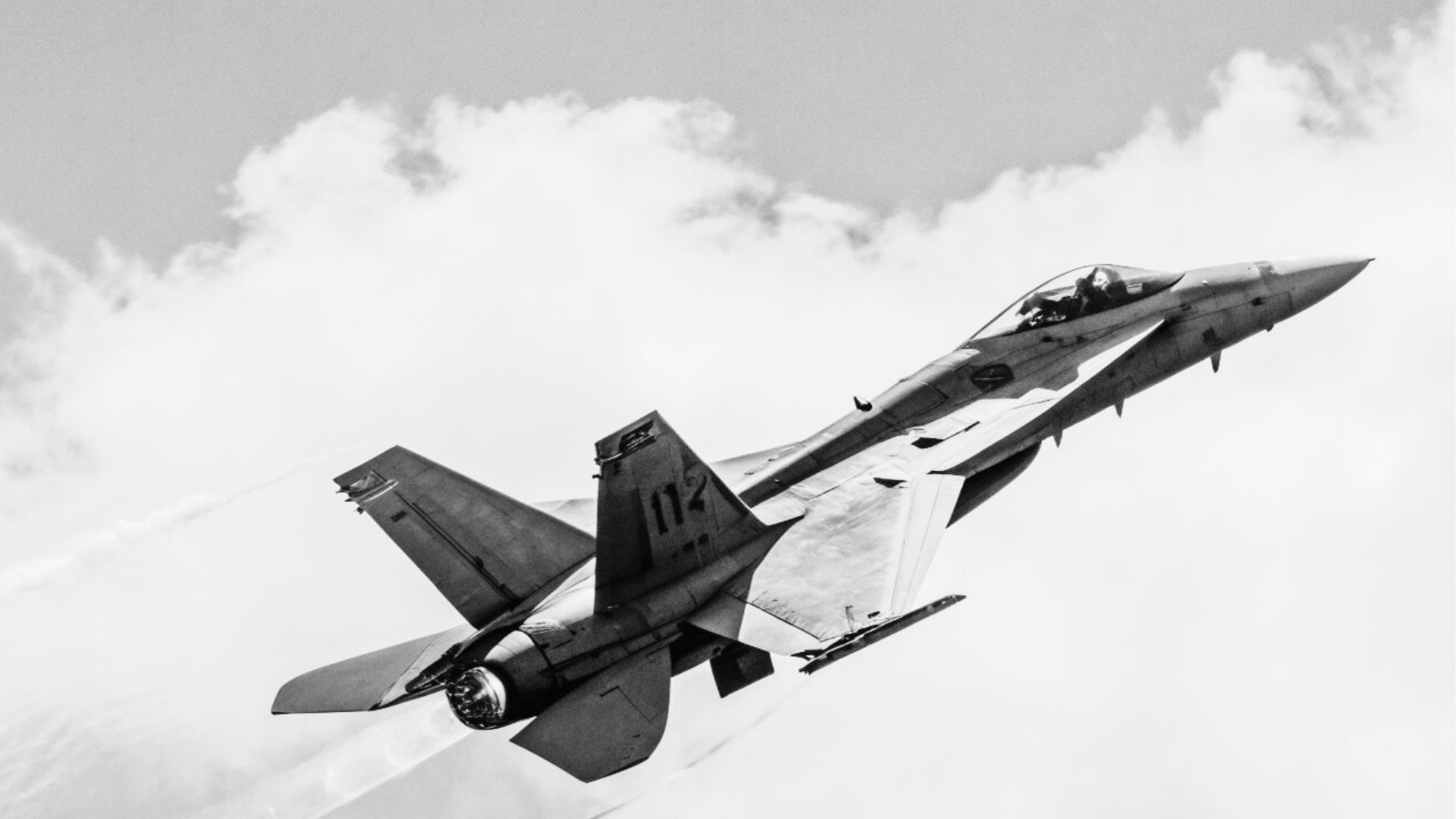
Lockheed Martin reported that the F-35 program delivered a record 191 aircraft in 2025, pushing the global fleet beyond 1,300 jets. The milestone highlights the fighter’s evolution from a developmental platform into the primary combat aircraft for the United States and an expanding network of allied air forces.
According to the company, 2025 marked the most productive year in the F-35 Lightning II program’s history, exceeding all previous annual delivery totals since the aircraft’s inception more than two decades ago. This achievement reflects more than manufacturing output, signaling a broader shift in global airpower as the F-35 becomes the central pillar of coalition air combat capability.
Lockheed Martin confirmed that annual F-35 production now outpaces that of any other allied fighter aircraft by a factor of five, underscoring both the program’s industrial scalability and sustained international demand. The worldwide F-35 fleet, operated by over 19 countries, has surpassed 1,300 aircraft and exceeded one million cumulative flight hours in 2025. Together, these milestones point to a program that has reached operational maturity and is increasingly integral to Western and allied airpower strategies.
Beyond production metrics, the program’s momentum is increasingly defined by operational performance. During 2025, F-35 units from the United States and allied nations saw expanded combat employment across multiple theaters. Lockheed Martin stated that F-35s took part in Operation Midnight Hammer, a joint effort focused on suppressing Iranian integrated air-defense systems. While operational details remain classified, industry sources indicate the campaign marked the first operational testing of TR-3 software in a contested environment, demonstrating the aircraft’s ability to penetrate advanced air-defense networks and deliver precision effects.
In a separate disclosure, Lockheed Martin noted that NATO-operated F-35s neutralized airborne threats over Poland, describing the engagement as the first known instance of fifth-generation fighters intercepting drones within NATO airspace. Although specific operators and target details were not disclosed, NATO officials confirmed the incident occurred along the alliance’s eastern flank and has since prompted broader reviews of integrated air and missile defense tactics.