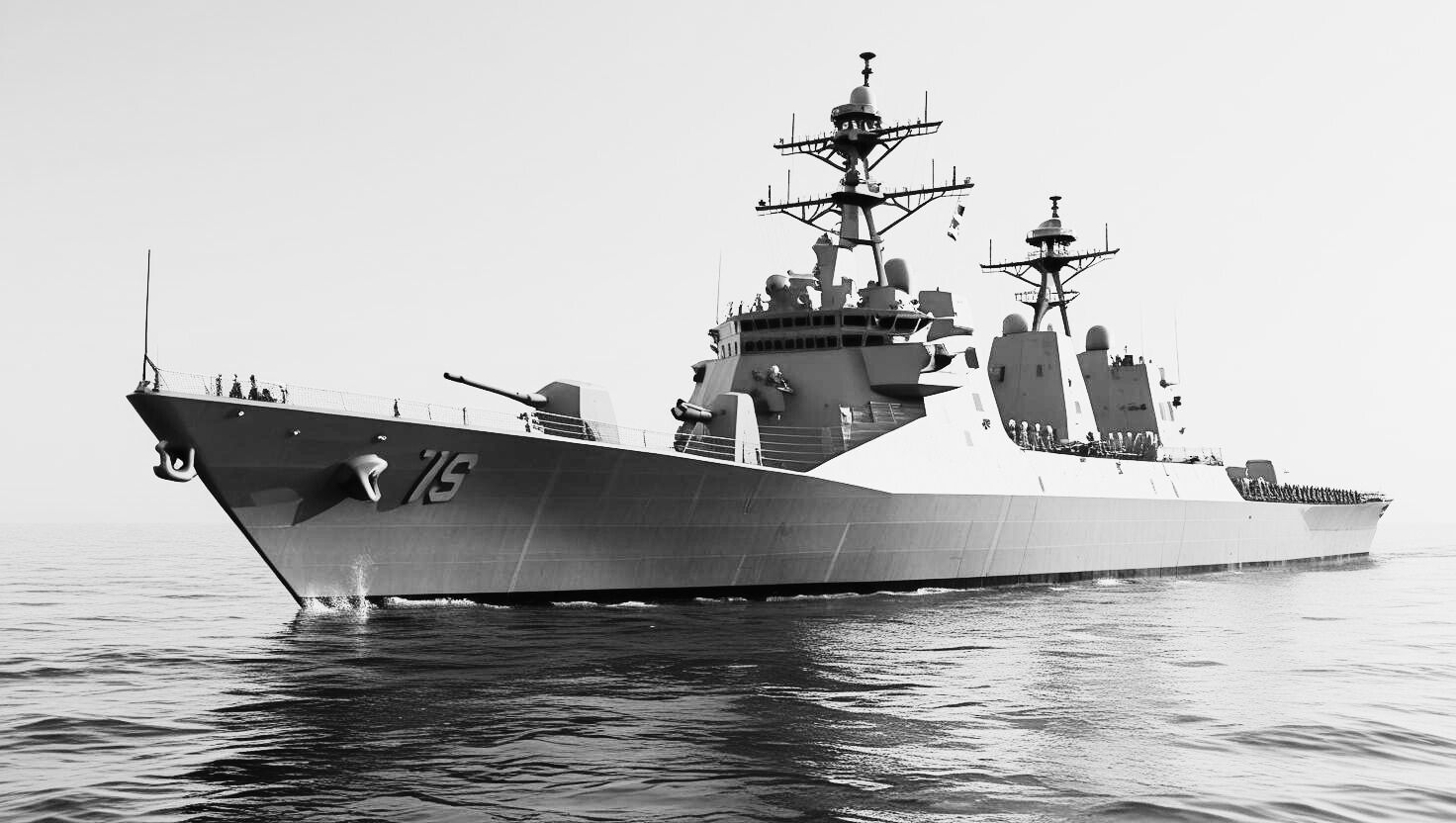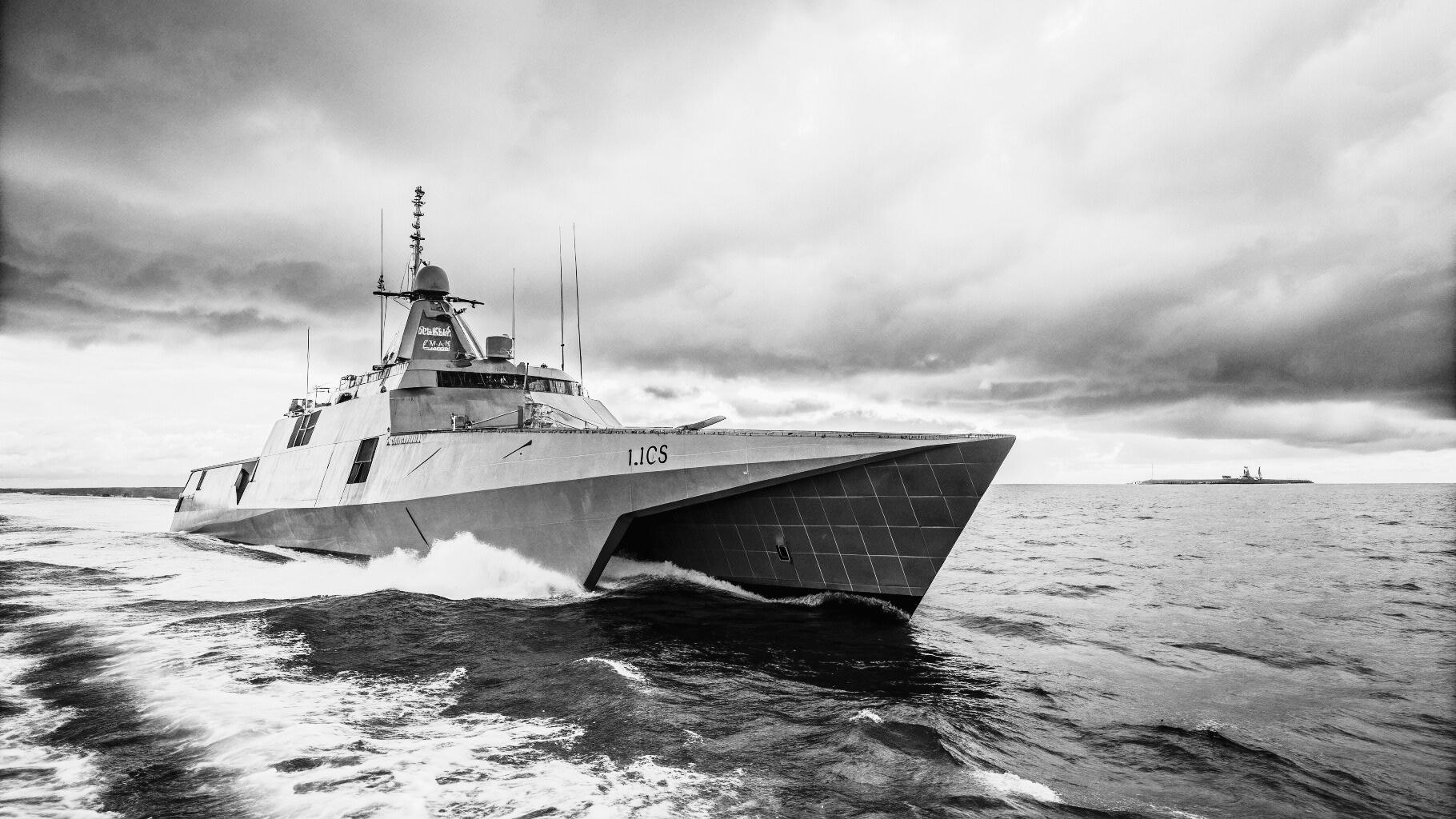
The U.S. Navy has awarded Raytheon a $19.3 million contract modification to continue serving as design agent and providing engineering support for the Rolling Airframe Missile (RAM) program, a critical ship self-defense system used by the U.S. Navy and allied fleets.
The contract extends work through March 2028 and includes participation by Japan, Qatar, South Korea, and Canada under the foreign military sales (FMS) program. Funding comes from a combination of U.S. Navy fiscal year 2025 and 2026 appropriations, along with FMS funds, with most of the work to be carried out in Tucson, Arizona.
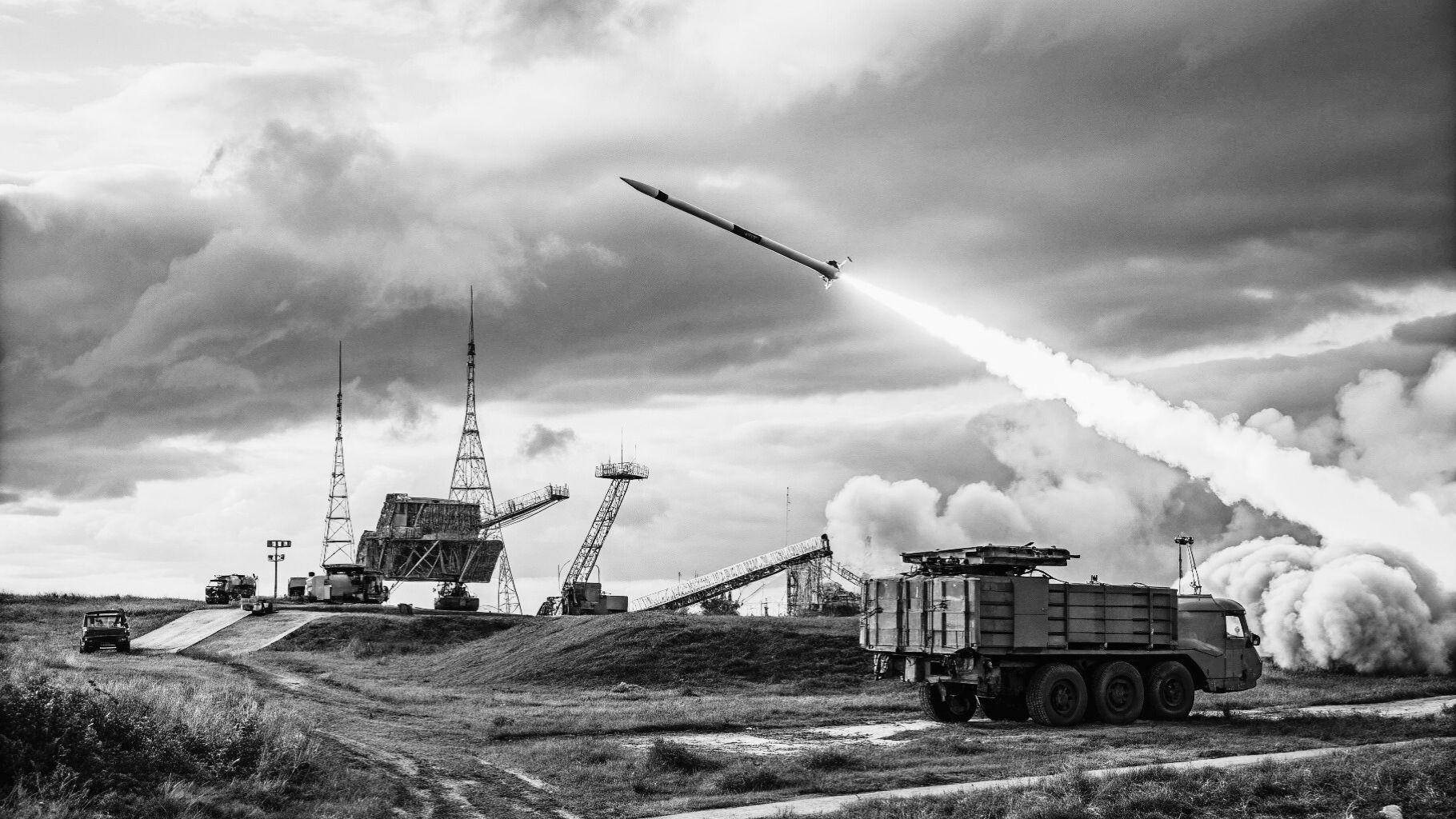
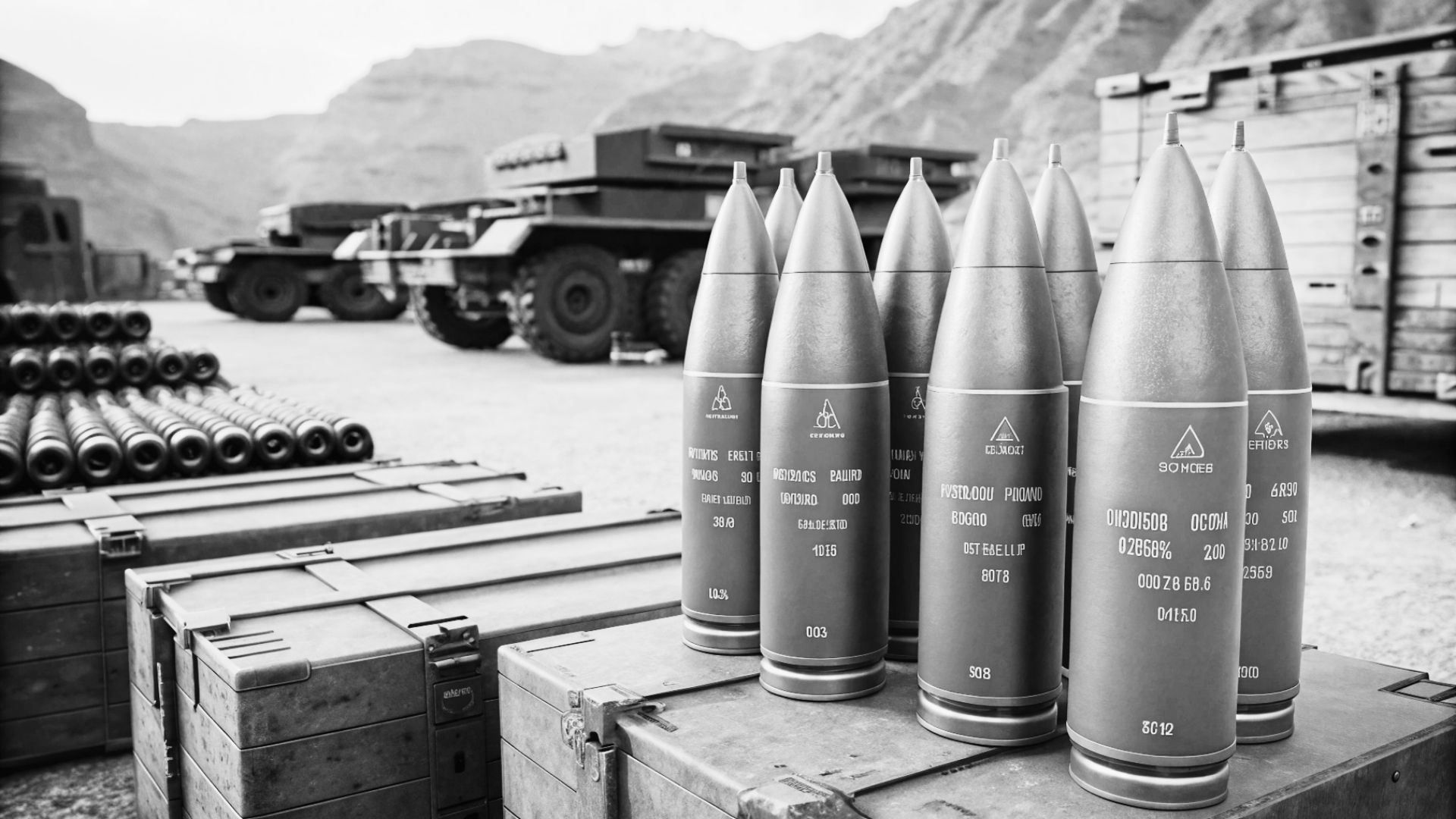
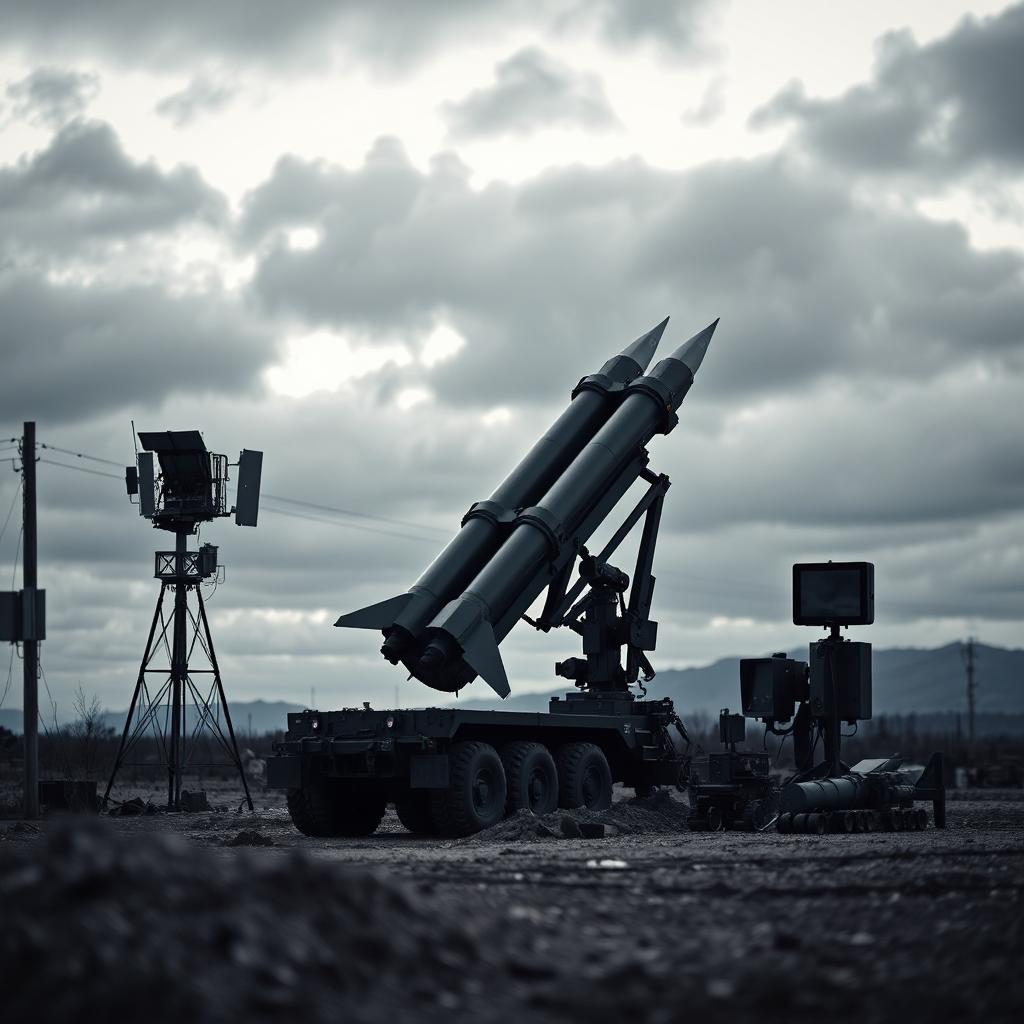
RAM is a lightweight, fire-and-forget surface-to-air missile designed to protect naval vessels from anti-ship cruise missiles, aircraft, and other close-range threats. Its Block 2 configuration combines passive radio-frequency and infrared guidance, enabling rapid engagement without the need for external target illumination.
The missile is deployed across a wide range of ship classes—from amphibious assault ships to destroyers—using the MK49 Guided Missile Launching System or the SeaRAM close-in weapon system.
Raytheon and the U.S. Navy have continued to invest in expanding and modernizing the RAM program. In July 2025, Raytheon received a roughly $74 million contract—the largest single launcher order in more than 20 years—to manufacture new launchers, refurbish existing systems, and deliver upgrade kits for the U.S. fleet.
Program momentum was further underscored in May 2025, when the Navy accepted delivery of its 250th MK49 RAM Guided Missile Launching System, destined for integration aboard ships including the USS Pittsburgh. International demand remains robust, with the U.S. State Department approving a potential $360 million sale to Japan in 2024 for up to 212 RIM-116 Block 2B missiles and associated support.