Senior Canadian defense officials have begun high-level engagements in South Korea as Ottawa advances the Canadian Patrol Submarine Project (CPSP), a next-generation fleet program estimated at approximately USD 45 billion. The visit underscores that Canada is moving into a decisive phase of the procurement process, one that will shape both its undersea warfare capability and long-term industrial partnerships for decades.
Canada has stepped up outreach to South Korea as part of its CPSP, a program valued domestically at around 60 trillion won. Stephen Poirier, identified as Canada’s Minister of National Defence Procurement, is expected to visit major South Korean shipyards to evaluate submarine production capacity and explore industrial collaboration models. Defense industry observers interpret the visit as a sign that Ottawa is conducting late-stage assessments ahead of finalizing requirements and locking in bidder proposals.
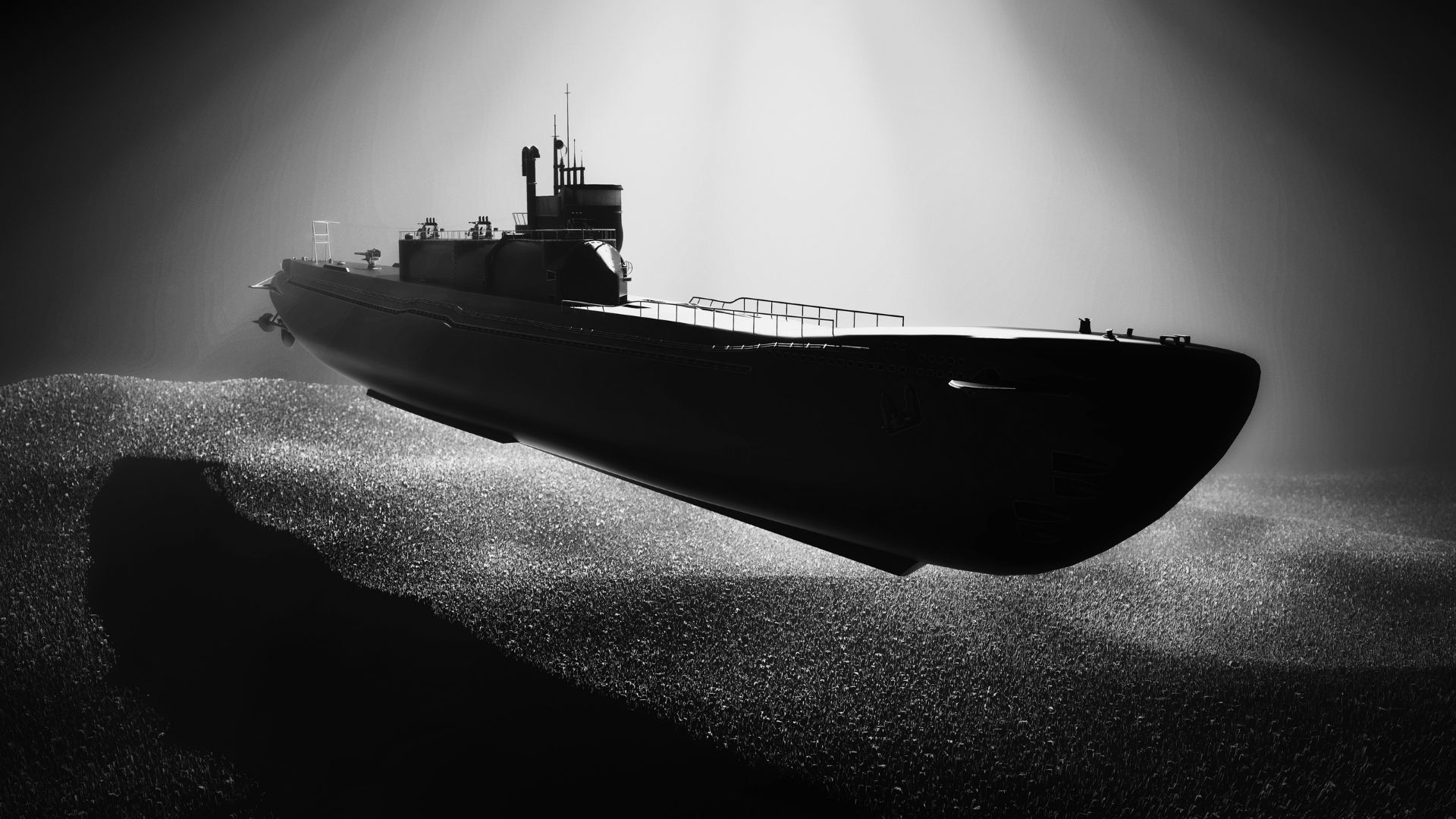
The CPSP is being driven primarily by operational necessity rather than fleet expansion. The Royal Canadian Navy currently operates four Victoria-class diesel-electric submarines acquired from the United Kingdom in the late 1990s and early 2000s. These boats—HMCS Victoria, Windsor, Chicoutimi, and Corner Brook—remain Canada’s sole undersea combat assets. Despite successive modernization efforts, the class continues to suffer from age-related constraints, high maintenance demands, and limited industrial support, often leaving the navy unable to sustain more than a single fully operational submarine at any given time.
From a strategic standpoint, the Victoria-class no longer aligns with Canada’s evolving security environment. Designed for Cold War-era missions, the submarines lack the endurance, growth capacity, and digital architecture required for sustained operations across Canada’s vast three-ocean domain. These shortfalls are especially evident in the Arctic, where diminishing ice cover and increased foreign naval activity have elevated the importance of submarines as discreet tools for surveillance, intelligence collection, and deterrence. For Canadian planners, credible undersea capability is closely tied to sovereignty enforcement and early warning in northern waters.
Under the CPSP, Canada intends to acquire up to 12 conventionally powered submarines, a fleet size aimed at ensuring continuous operational availability rather than intermittent presence. The goal is to support concurrent Atlantic and Pacific operations, maintain a persistent Arctic posture, and retain sufficient hulls for training, maintenance, and surge requirements. The future platform is expected to emphasize long-range endurance, exceptionally low acoustic signatures, and advanced sensors and combat systems optimized for anti-submarine and anti-surface warfare, with full interoperability across U.S. and NATO naval networks.
Against this backdrop, South Korea’s KSS-III Batch-II submarine has emerged as a leading candidate of interest. The KSS-III program represents South Korea’s first domestically designed ocean-going attack submarine, with the Batch-II variant offering enhanced capabilities over earlier units. With a submerged displacement of roughly 3,600 tons, the design is optimized for long-range blue-water operations rather than coastal defense, aligning closely with Canada’s requirement for extended patrols over vast maritime distances. The class also features an improved hull form and advanced acoustic treatments aimed at minimizing radiated noise in contested undersea environments.