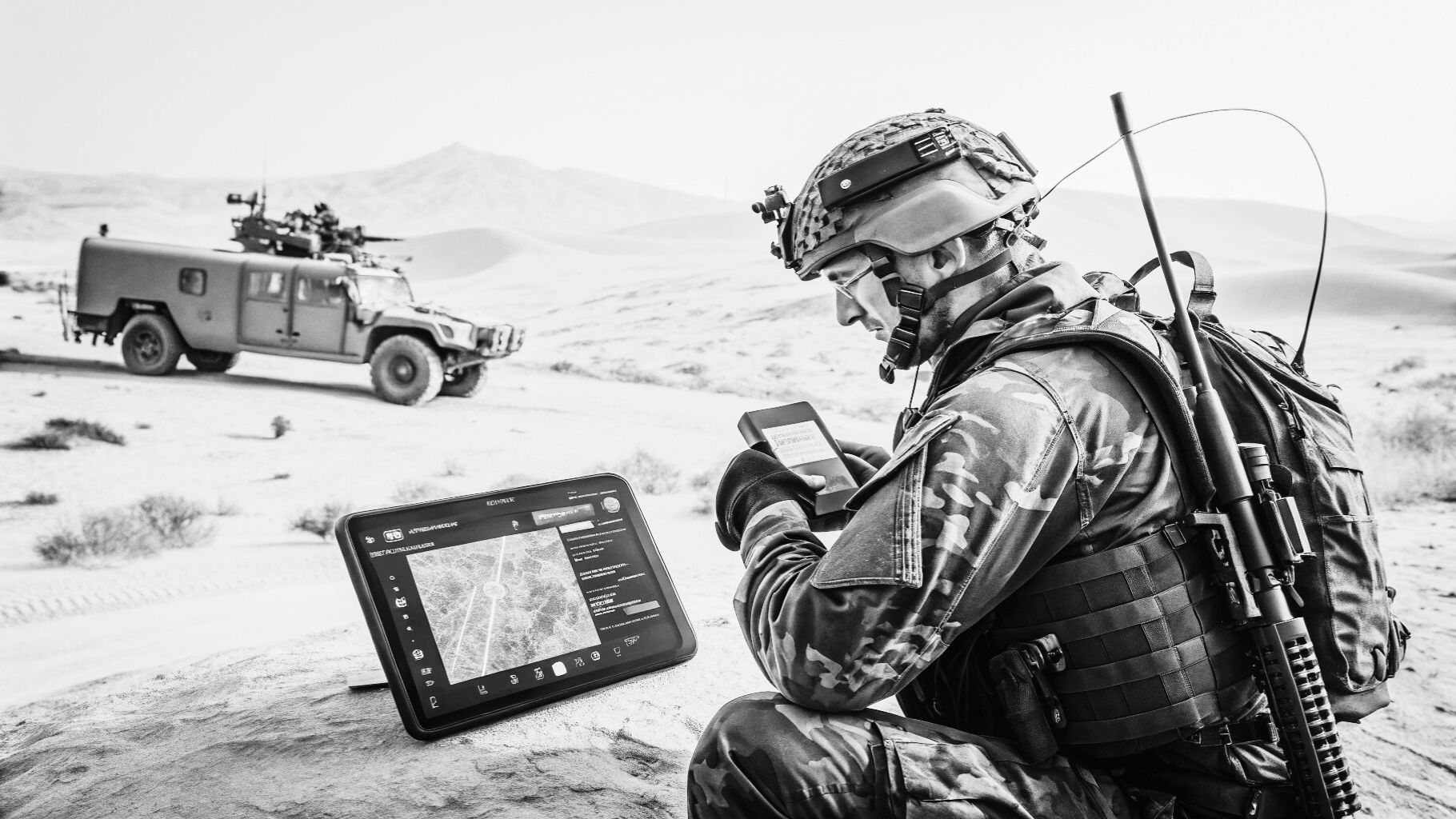

NewSpace Research & Technologies Pvt Ltd has expanded India’s autonomous warfare landscape by unveiling a new family of Unmanned Ground Vehicles (UGVs), marking its formal entry into the land systems domain. Instead of focusing on a single platform, the company is developing a networked suite of interoperable UGVs designed to function within a layered, network-centric combat architecture.
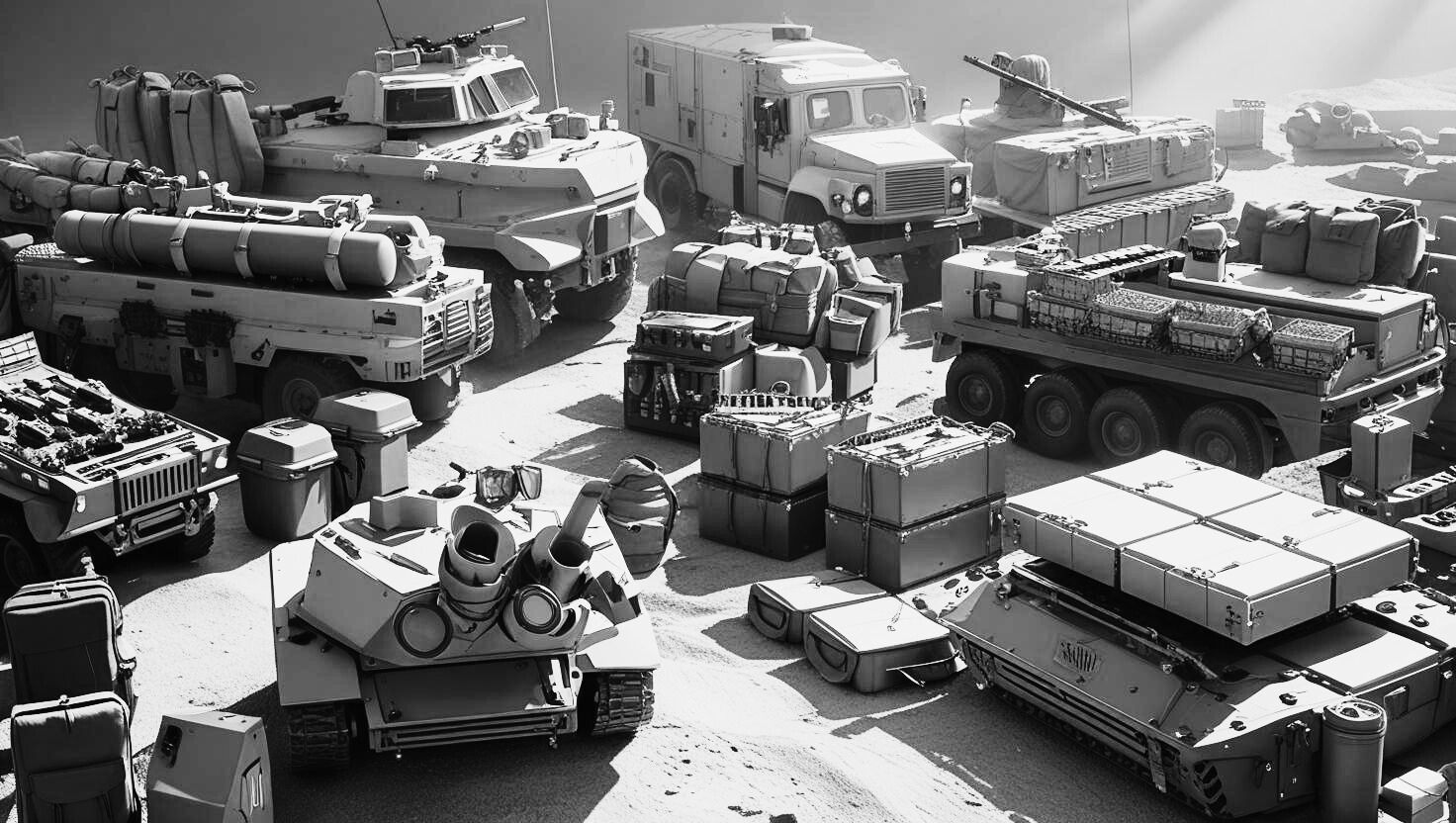
The lineup includes the tracked Vanguard, the wheeled Airawat 6×6 equipped with a Remote Controlled Weapon Station (RCWS), and lighter platforms such as Pioneer and Scout. Each system is tailored to a specific battlefield role, highlighting a transition from standalone unmanned assets to integrated, multi-domain operations.
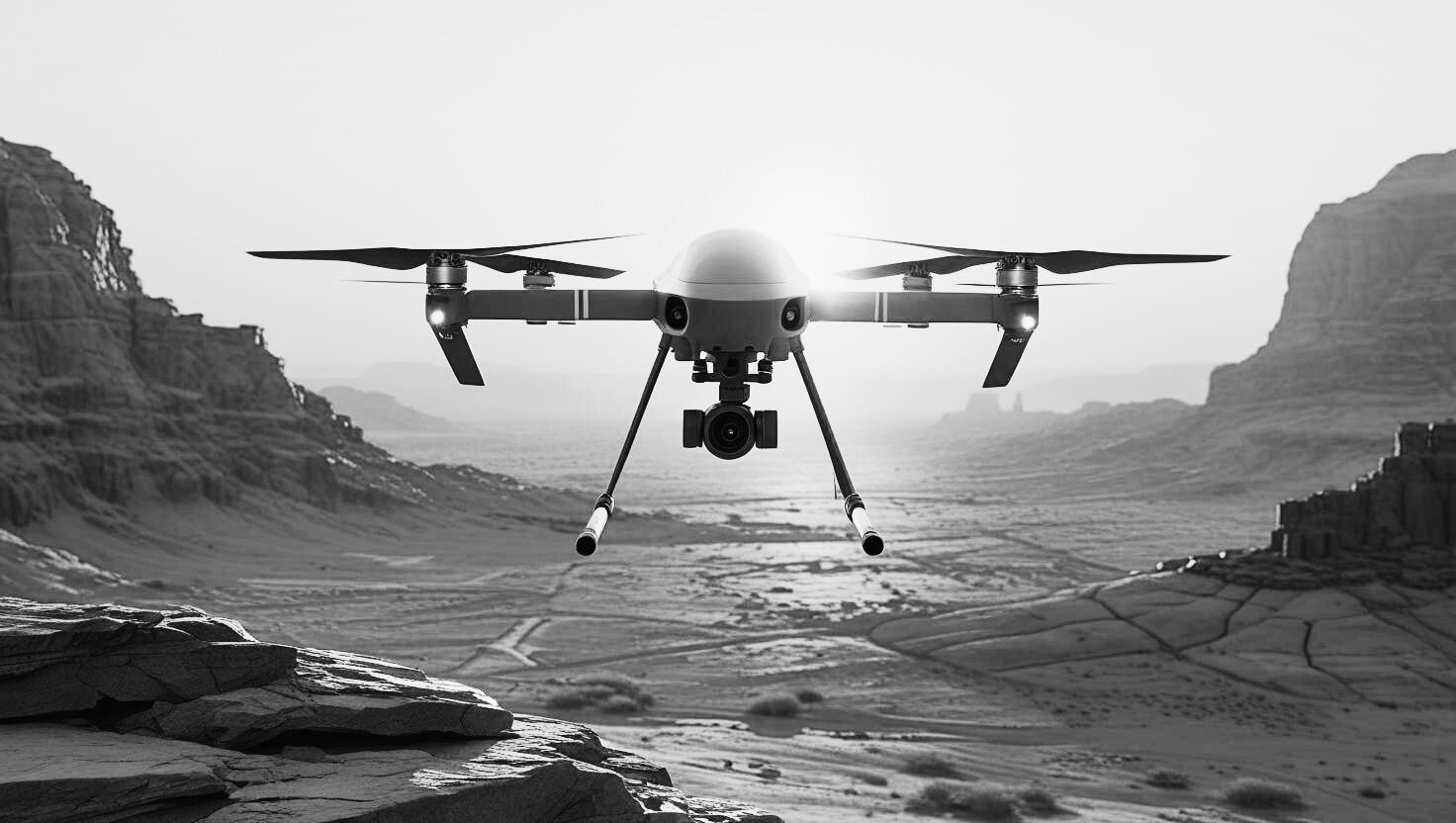
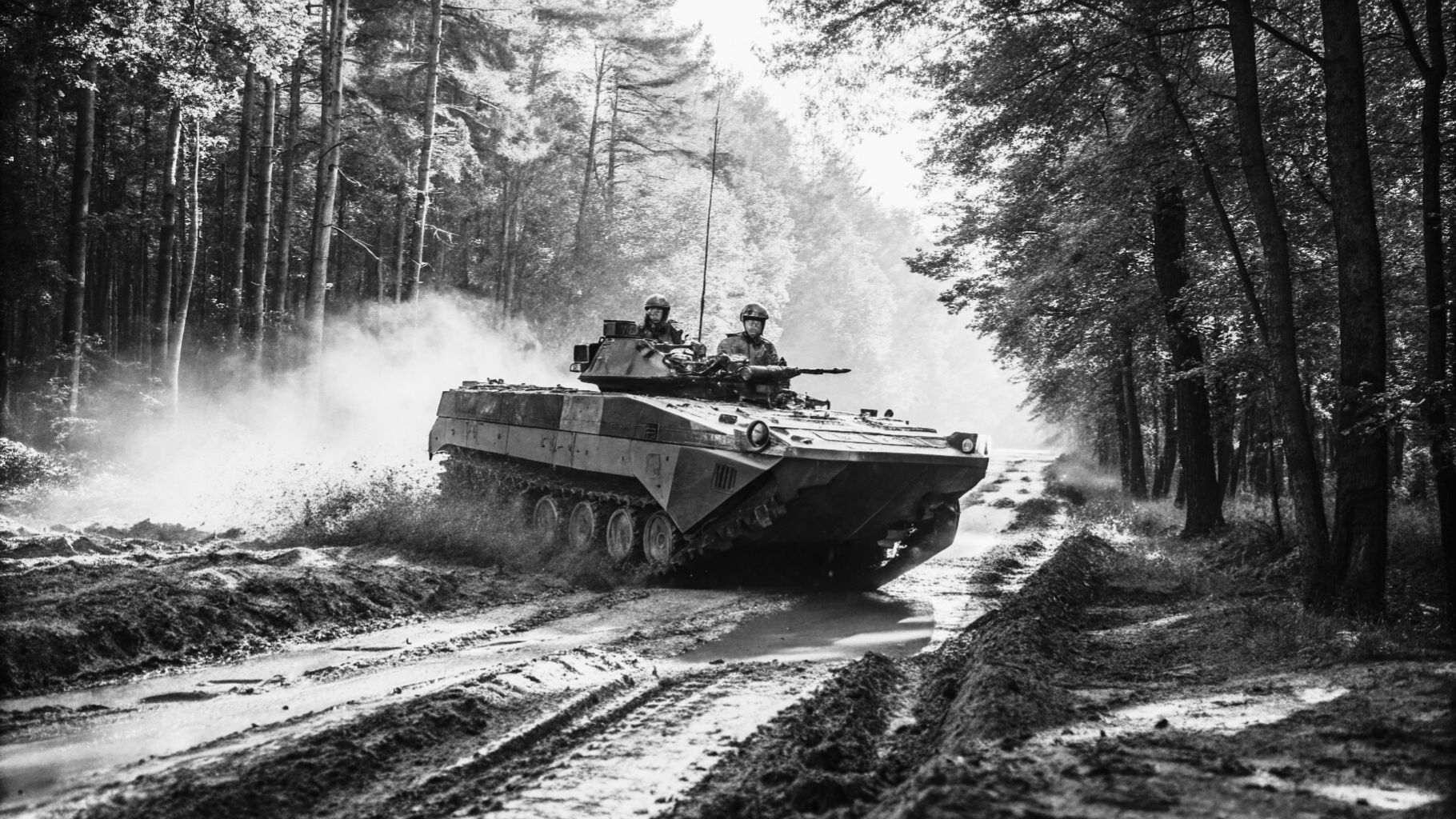
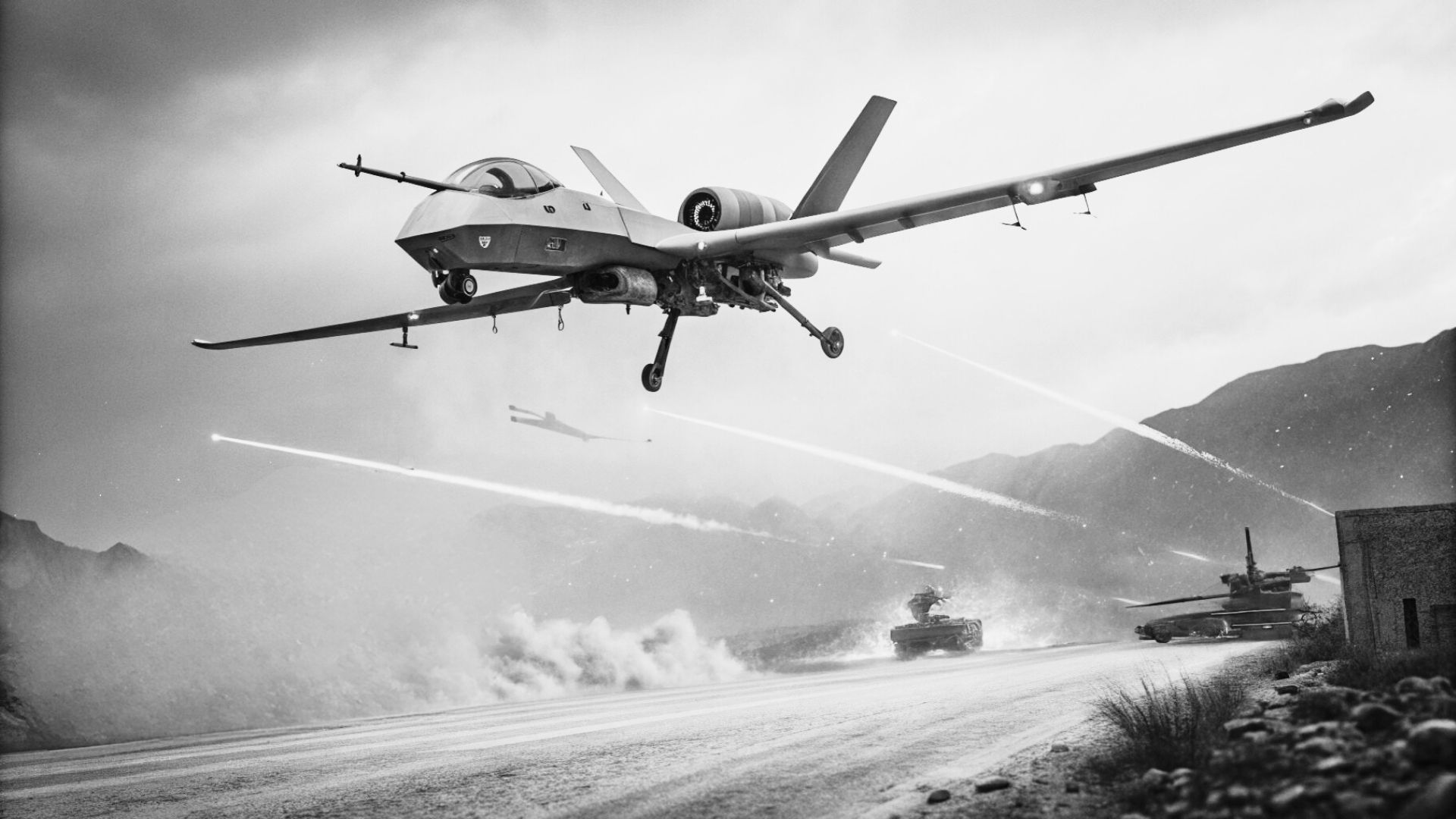
Vanguard serves as the primary kinetic platform, intended for frontline combat roles. It is expected to operate alongside the eSaras tethered aerial system, which provides persistent surveillance, targeting support, and communication relay. Some variants are configured to carry Sheshnaag-20 loitering munitions, positioning Vanguard as a mobile precision strike platform.
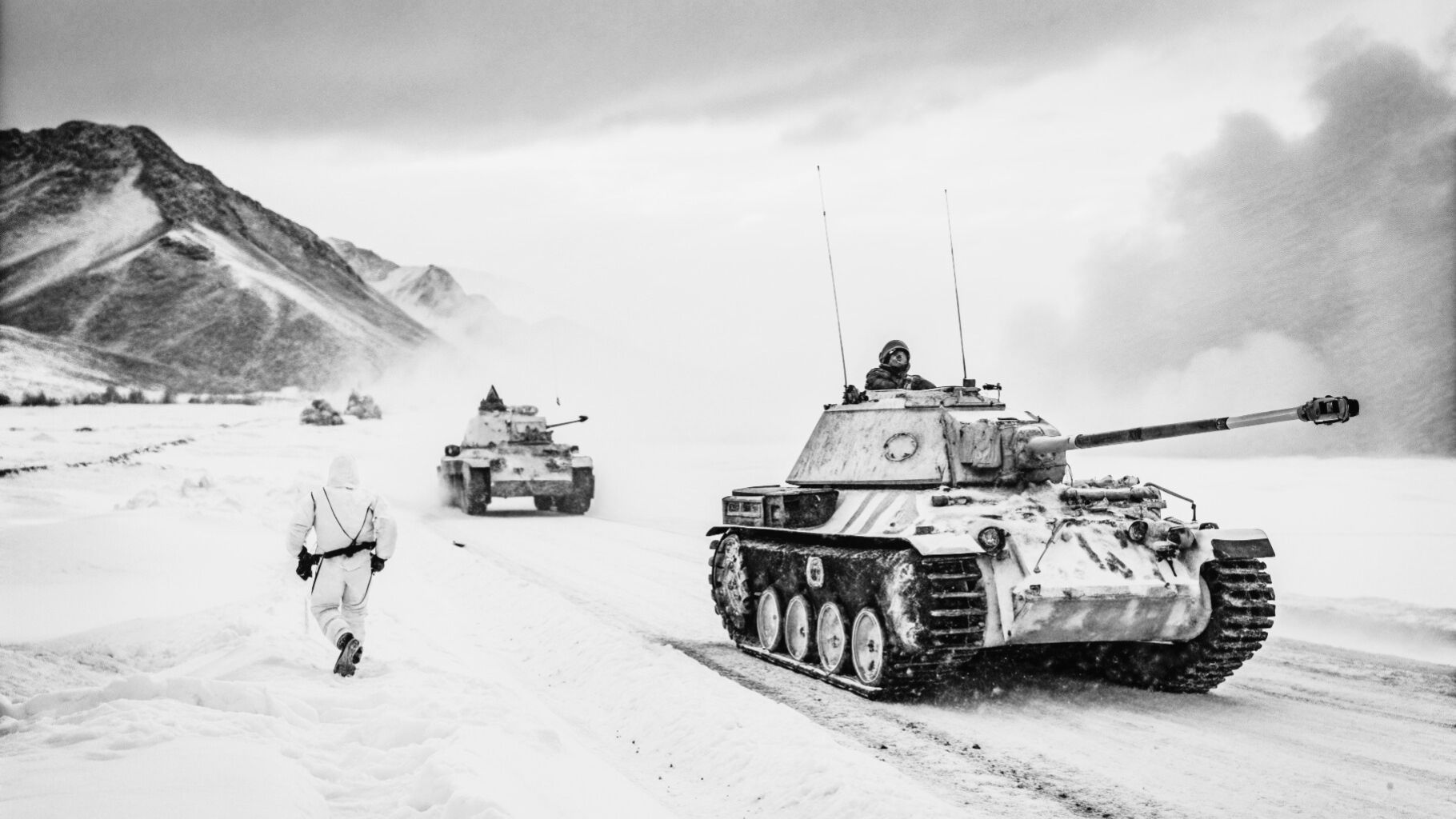
Airawat, with its RCWS configuration, functions as a versatile combat support vehicle capable of delivering direct firepower across varied terrain. It is suited for missions such as convoy protection, perimeter defense, and urban combat. Meanwhile, Pioneer is oriented toward non-kinetic operations, particularly electronic warfare, with jammer-equipped variants designed to disrupt enemy communications, navigation, and drone systems.
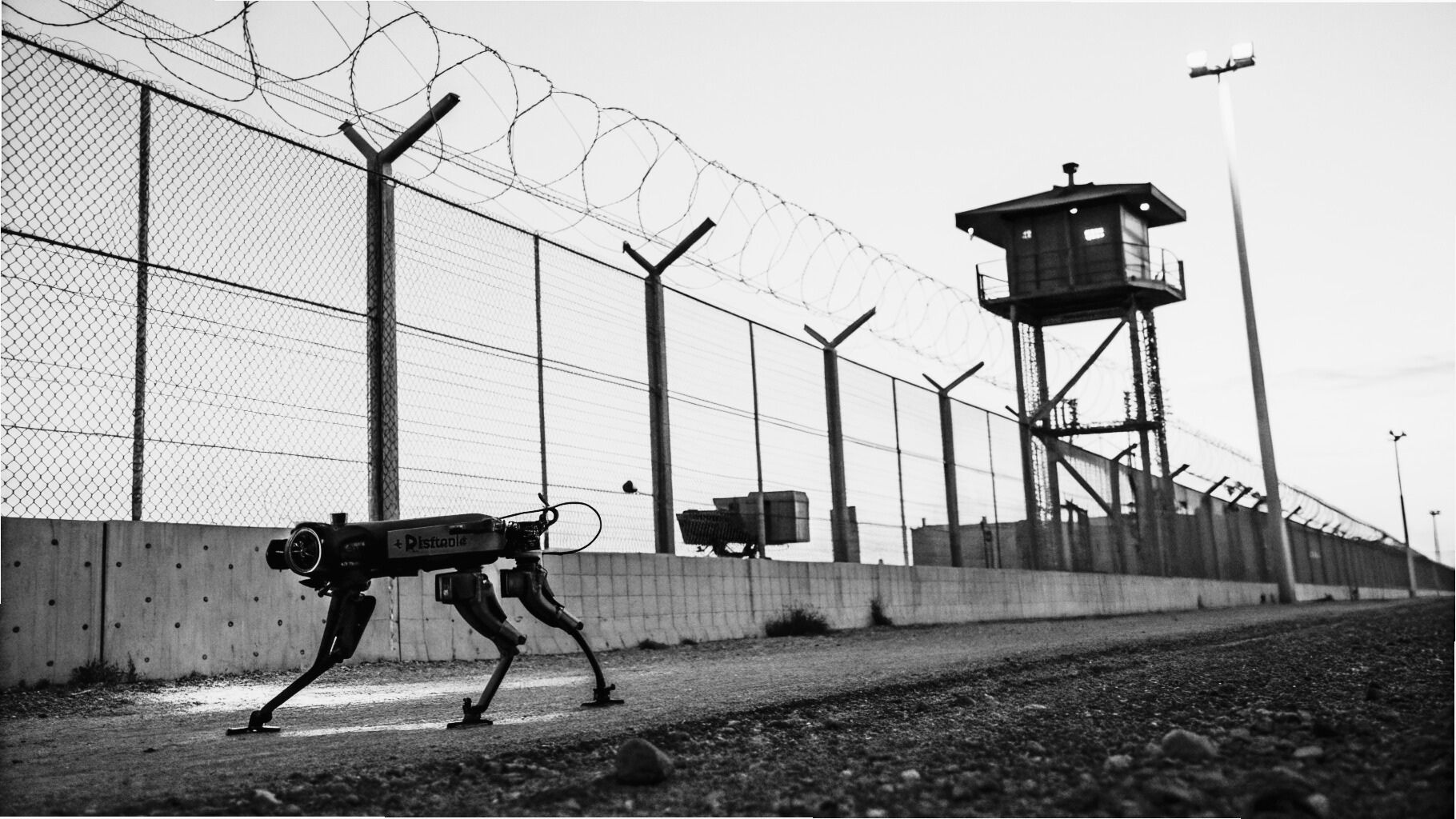
Scout, the lightest platform, is optimized for reconnaissance and early detection, with radar-equipped variants enabling battlefield mapping and threat identification. It operates in conjunction with forward-deployed systems such as quadruped robots and the Nimbus aerial platform, forming a distributed sensor network near the frontline.
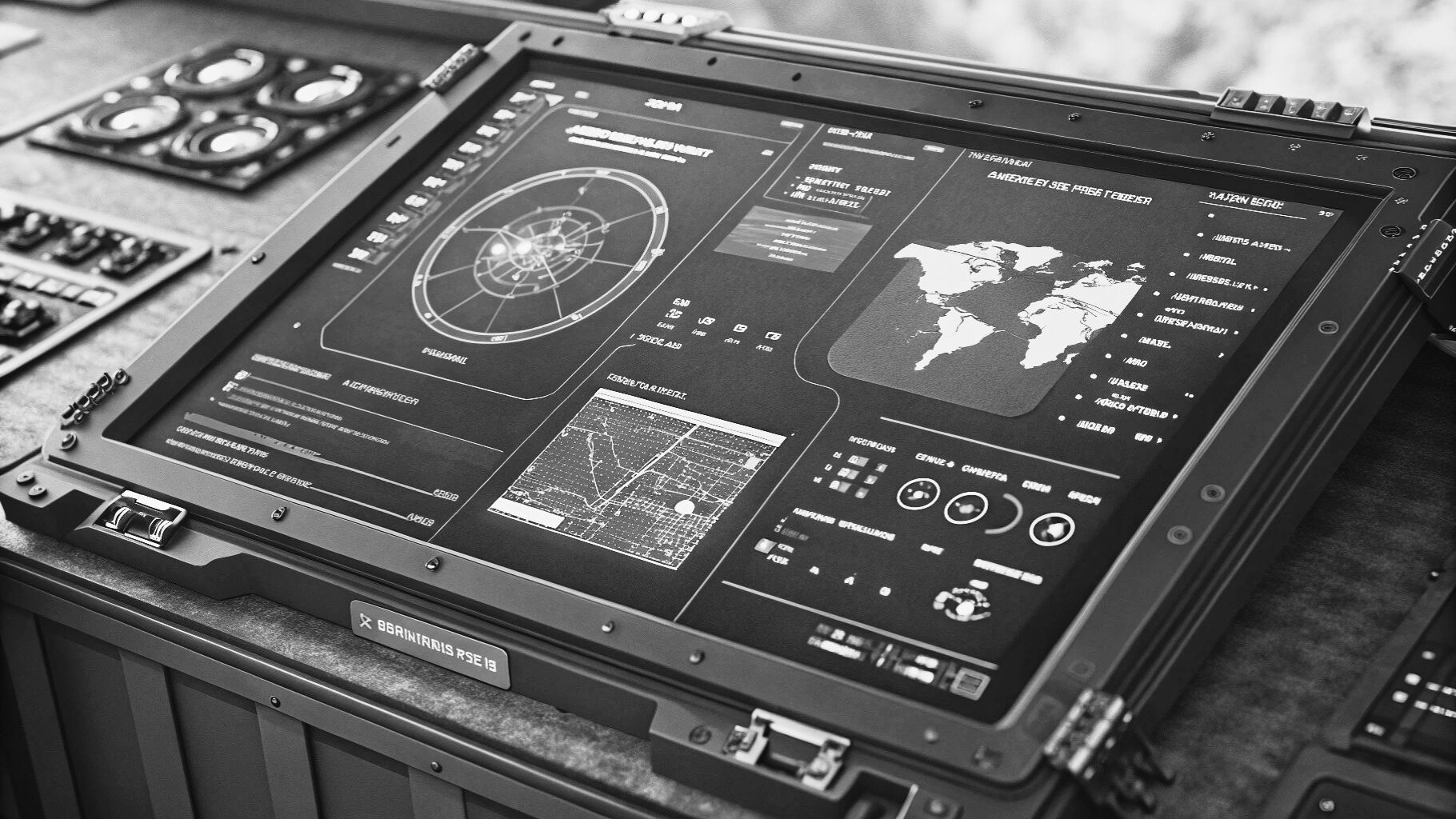
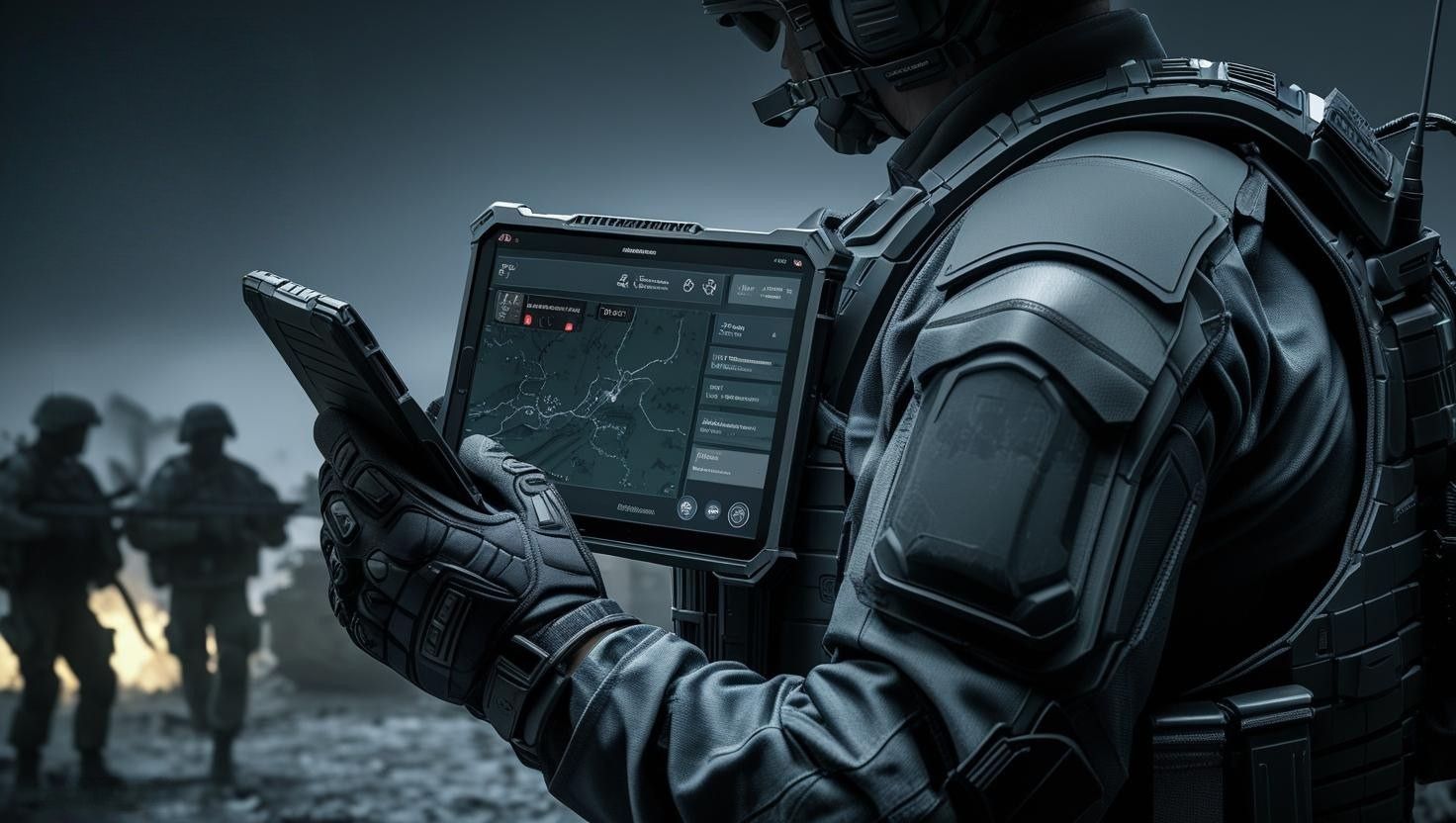
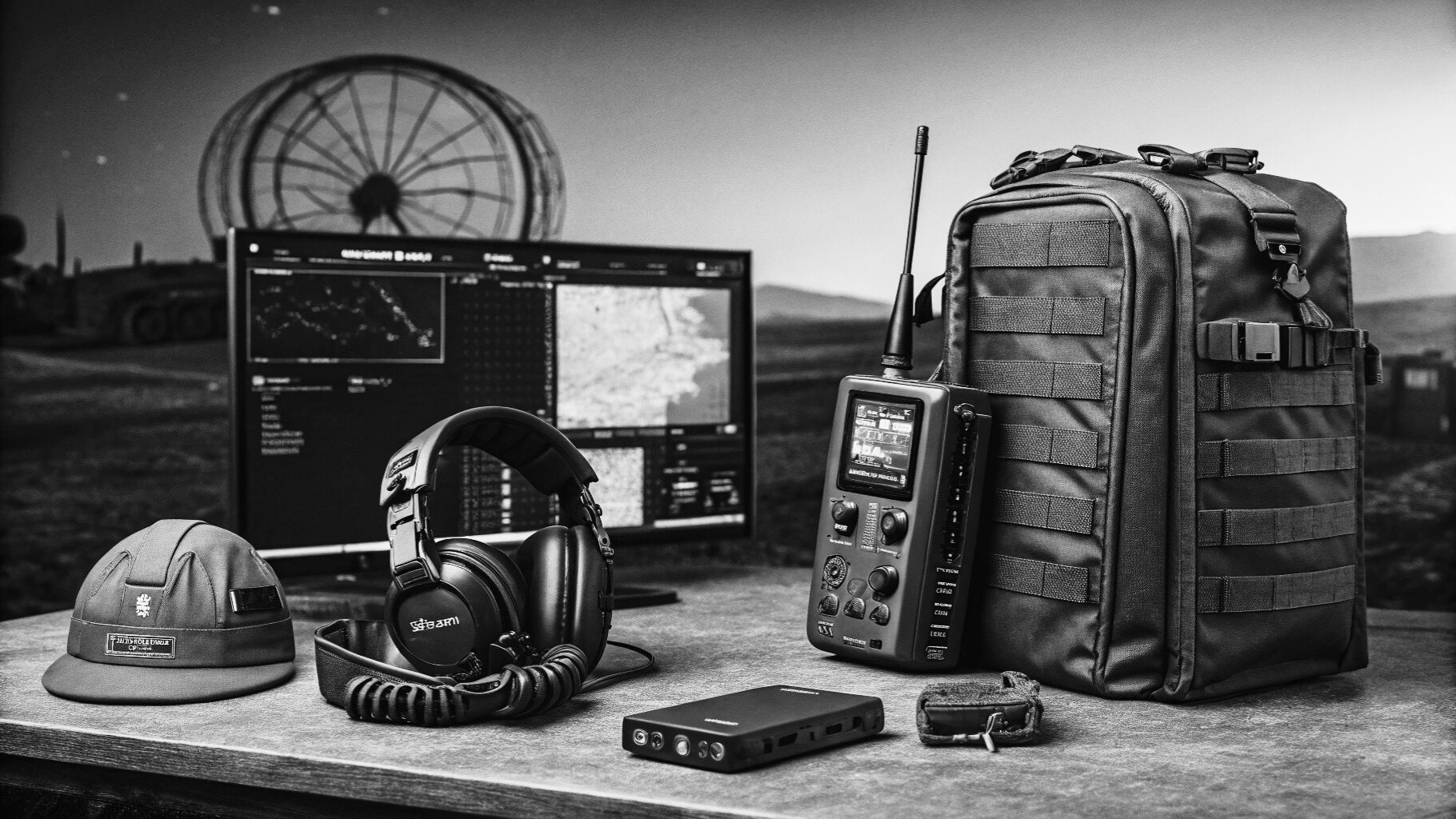
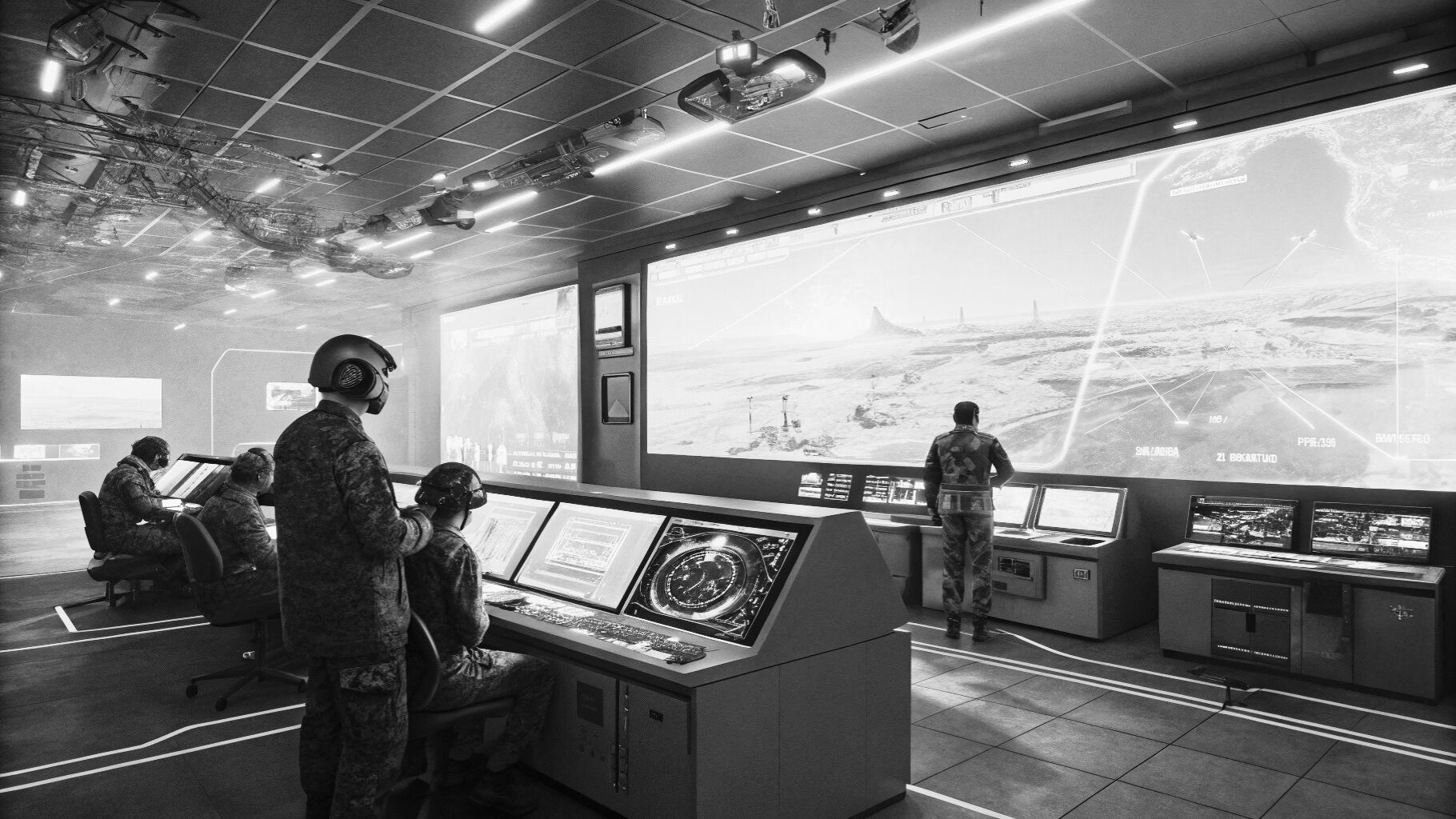
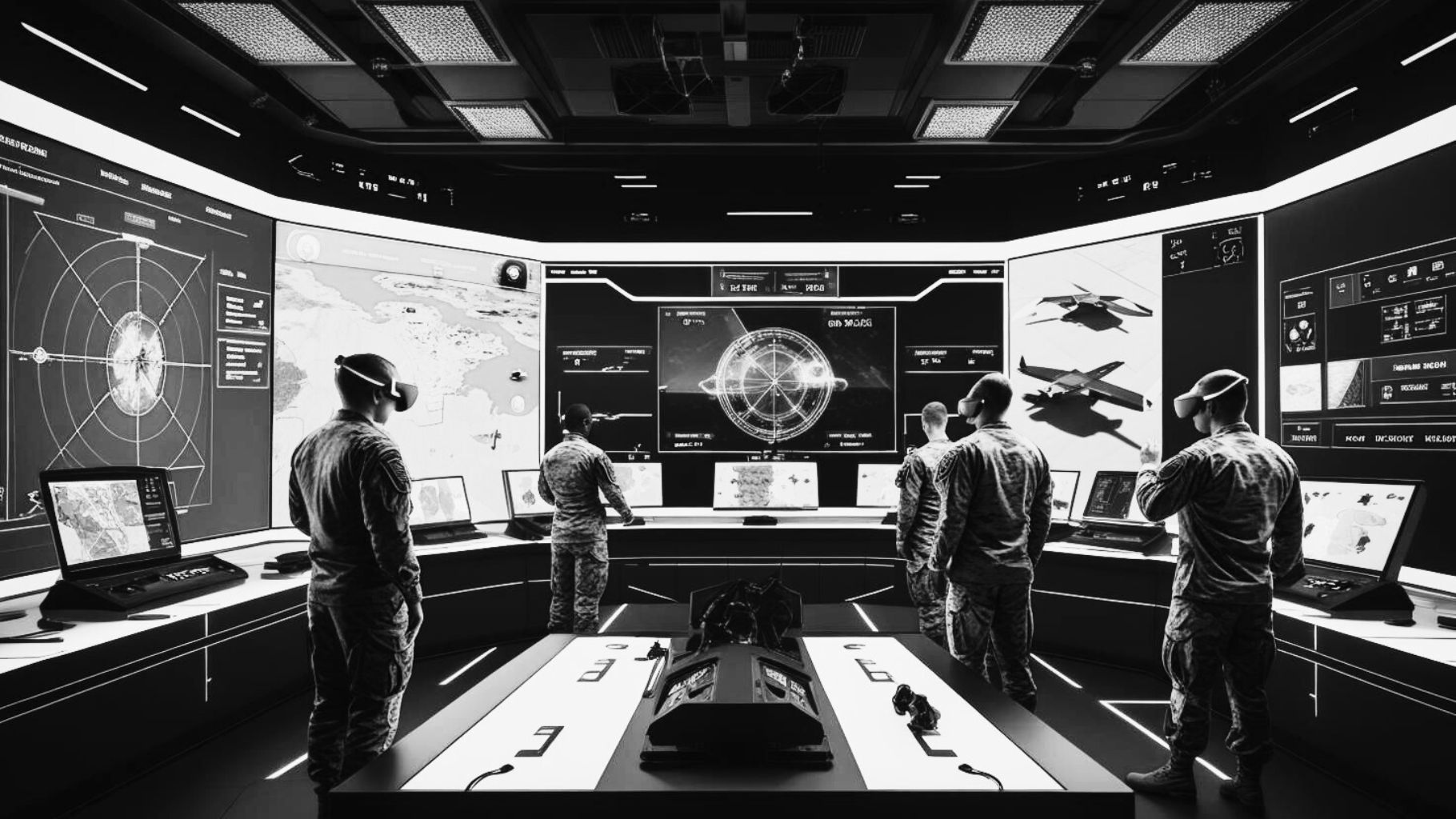
The operational concept is built around a layered battlefield architecture. The forward detection layer includes Scout units, UAVs, and robotic systems for real-time threat identification. This is followed by a non-kinetic layer, where Pioneer platforms degrade enemy capabilities through electronic warfare. The kinetic layer, led by Vanguard systems, delivers precision strikes, while a rear Command and Control (C2) hub coordinates the entire network.
With each layer spaced approximately 3–5 kilometers apart, the architecture enhances survivability, redundancy, and operational depth, reducing vulnerability to enemy fire and electronic attacks while maintaining effective coordination across the battlefield.