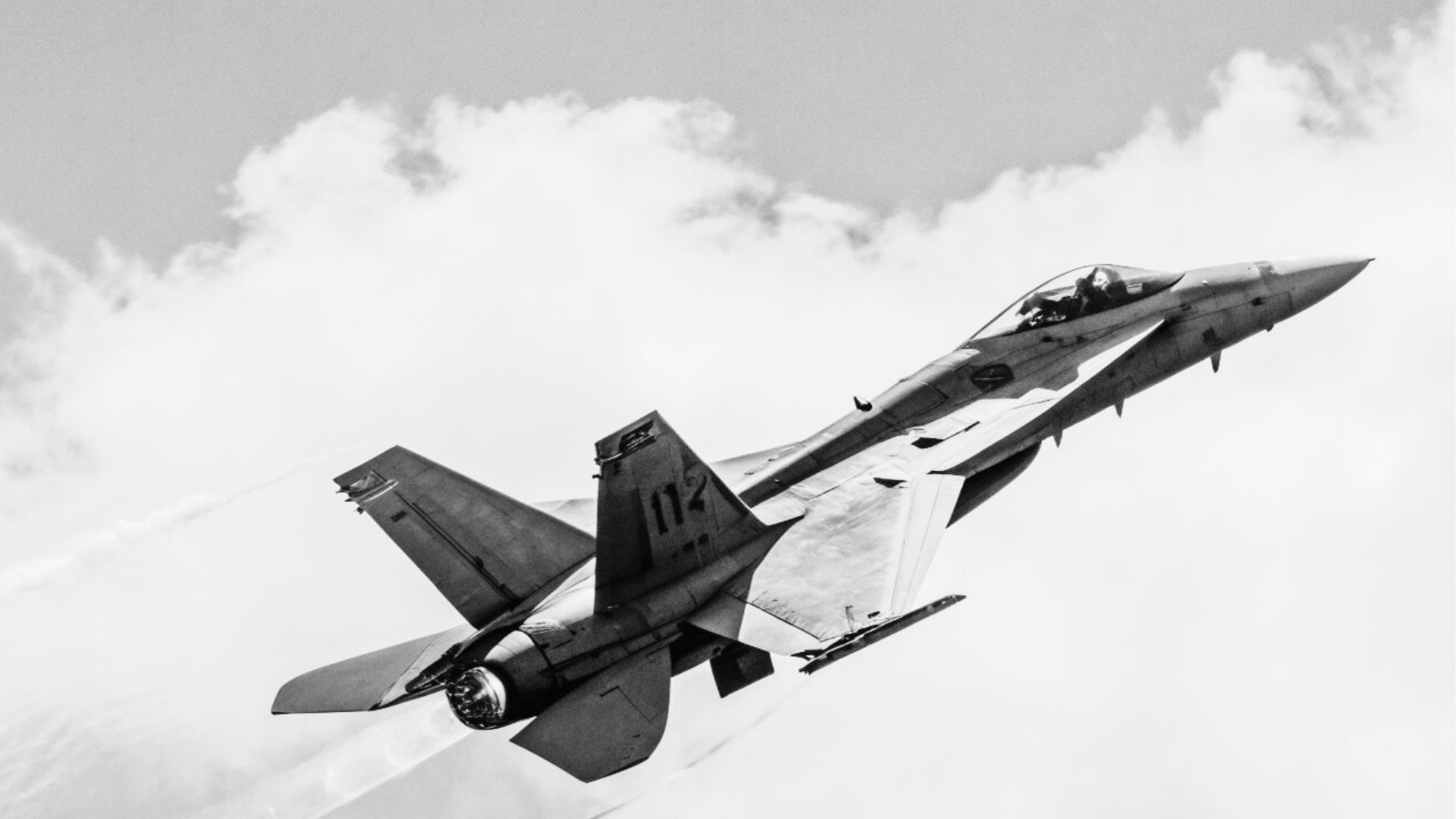
Indian defence electronics company Data Patterns (India) Limited has confirmed its growing role in two of the country’s most important combat aircraft programmes, revealing that it is developing the glass cockpit for the Advanced Medium Combat Aircraft (AMCA) while also supplying the mission management system for the Tejas Mk2 fighter. The technologies being developed for the Tejas Mk2 are expected to form the basis for future integration into India’s fifth-generation stealth fighter.
During its Q4 FY2025-26 earnings call, company officials disclosed that the mission systems currently under development for the Tejas Mk2 are intended to evolve into core technologies for the AMCA programme, highlighting the increasing contribution of private-sector firms to India’s advanced aerospace initiatives.
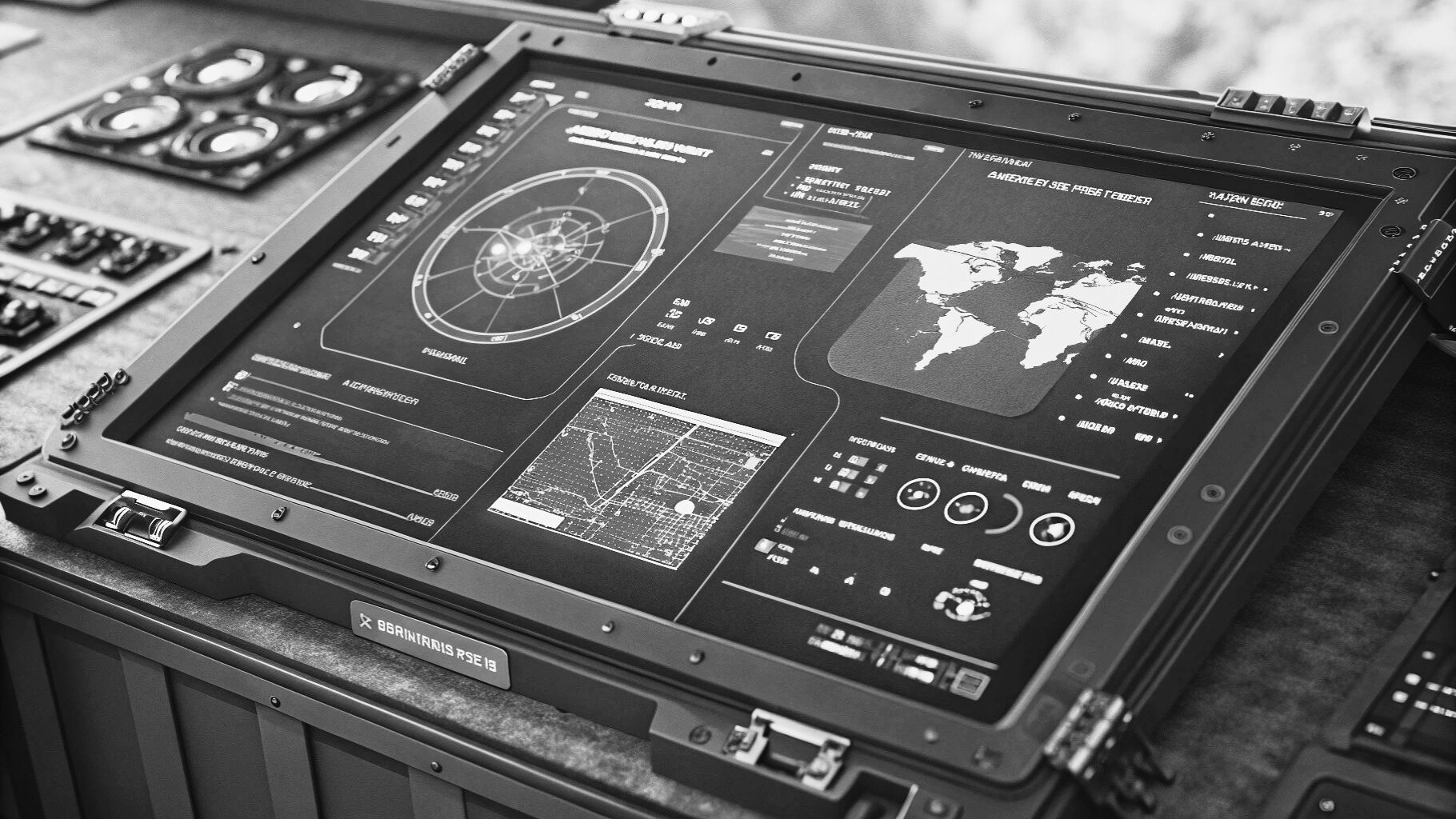
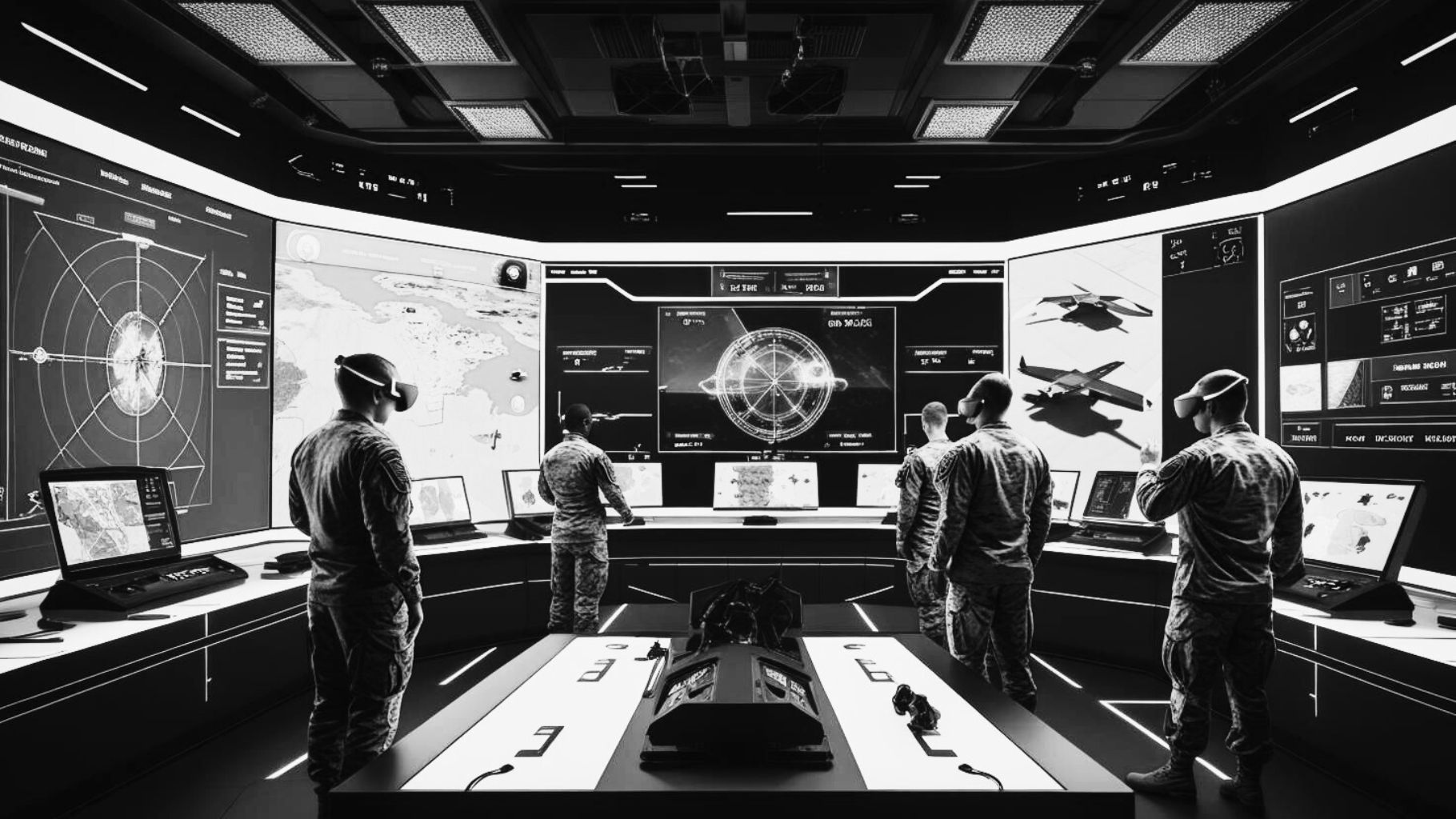
Data Patterns confirmed that it is responsible for developing the AMCA’s glass cockpit, a key subsystem that integrates flight, navigation, sensor, and tactical information into large multifunction digital displays. For a fifth-generation fighter, such a cockpit is expected to incorporate advanced human-machine interfaces, sensor-fusion architecture, mission computing, and enhanced situational-awareness capabilities to support complex combat operations.
The company also revealed that the mission management system designed for the Tejas Mk2 is expected to transition into the AMCA, suggesting a technology-development pathway in which avionics and software validated on the Tejas platform are progressively adapted for India’s future stealth fighter. Mission management systems serve as the central digital backbone of modern combat aircraft, integrating data from radars, electronic warfare suites, communications, navigation systems, and weapons to provide pilots with a unified operational picture.
By leveraging technologies developed for the Tejas Mk2, India could reduce development risks, accelerate integration timelines, and increase commonality across future fighter platforms.
Beyond cockpit and mission systems, Data Patterns indicated plans to expand into other advanced aerospace domains, including sensors, Radar Warning Receivers (RWRs), radar technologies, and potentially electronic warfare systems. Such capabilities are increasingly critical as India seeks to strengthen indigenous expertise in AESA radars, sensor fusion, avionics, and electronic warfare technologies to reduce dependence on foreign suppliers.
The company’s expanding role reflects the broader push to build a robust domestic aerospace ecosystem capable of supporting future programmes such as the AMCA while enhancing scalability, technological self-reliance, and export potential within India’s defence sector.