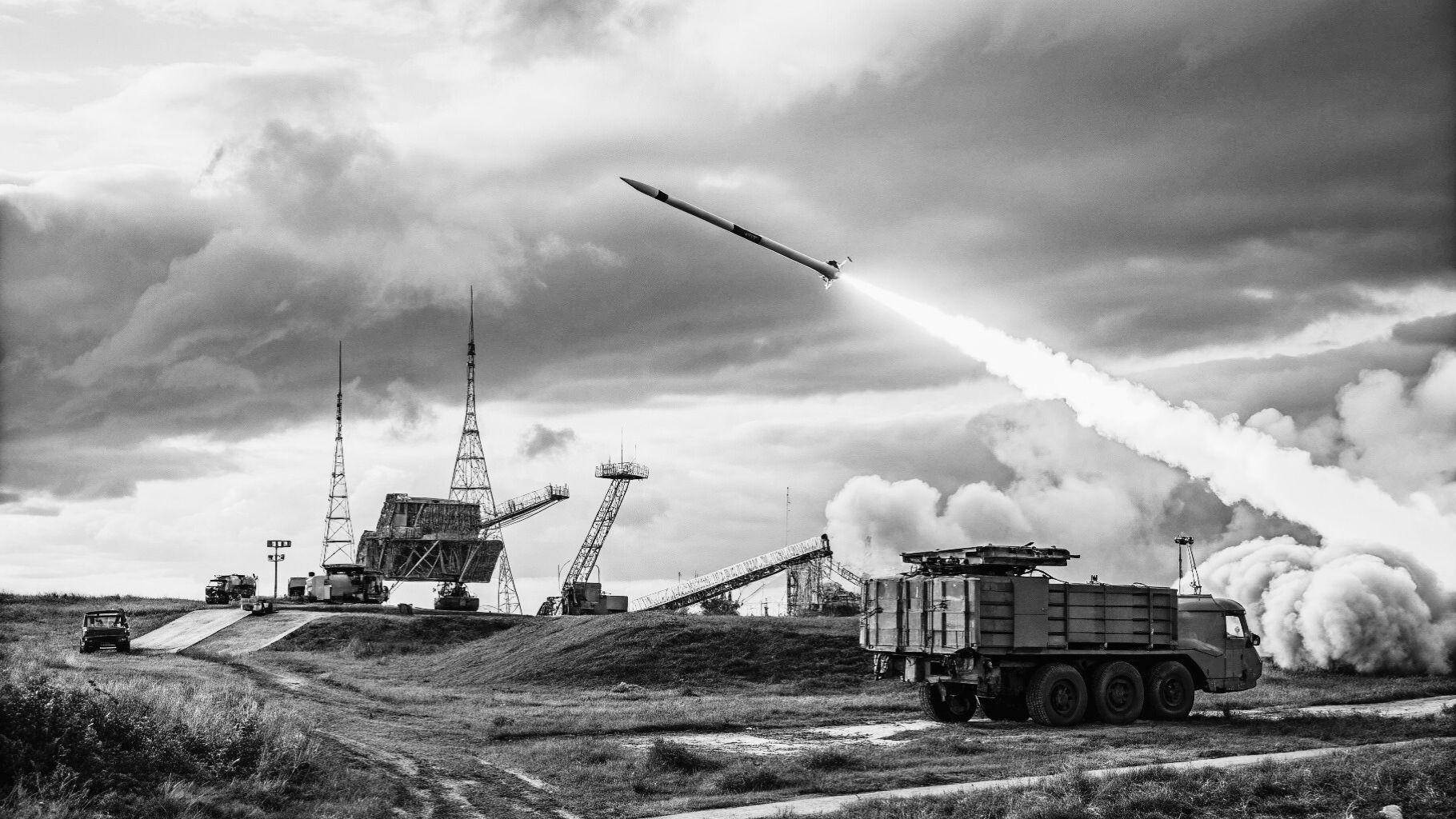
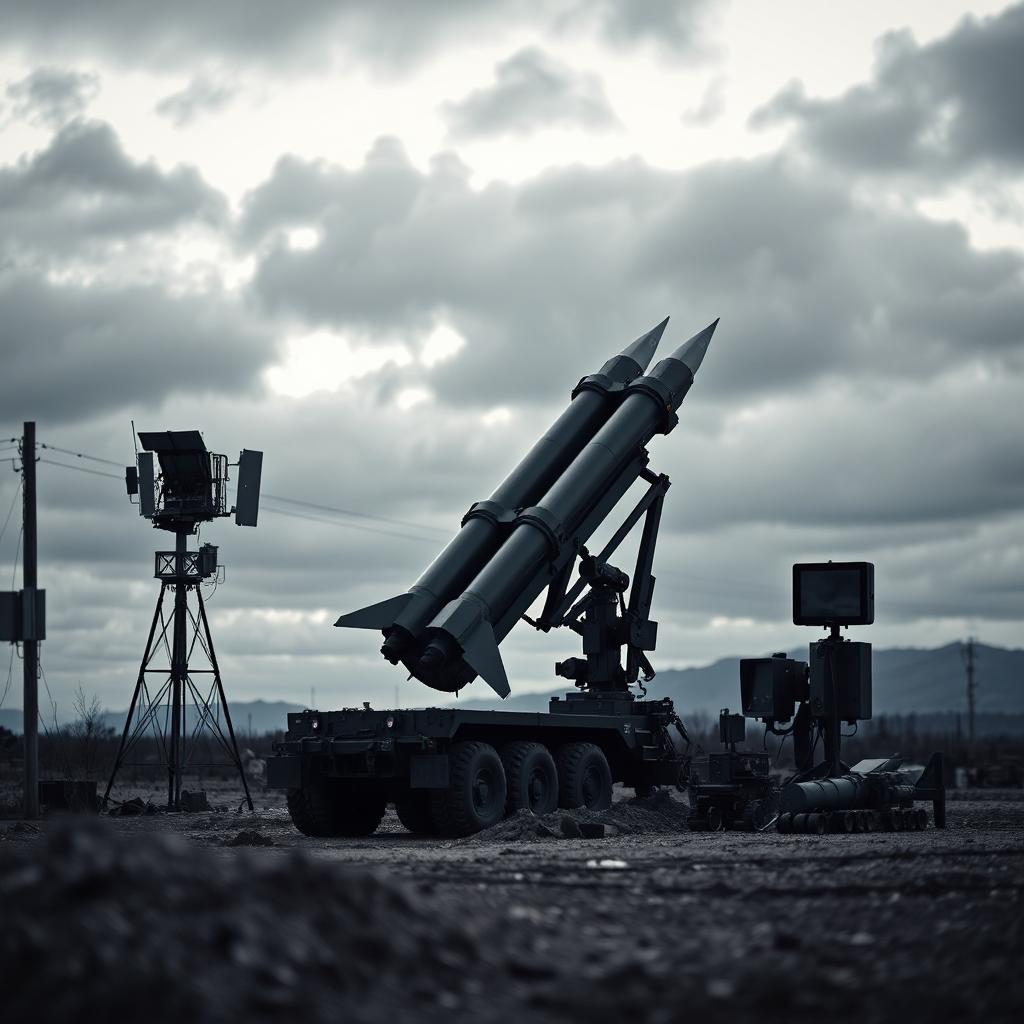
India’s legacy Prithvi-II ballistic missile is undergoing a critical phase of maintenance and modernization, led by the DRDO’s Research Centre Imarat (RCI). As India advances next-generation solid-fuel systems such as Pralay, the Prithvi-II continues to remain operational under the Strategic Forces Command, requiring sustained lifecycle support and targeted upgrades.
A key component of this effort is a major Annual Maintenance Contract (AMC) issued by RCI for a three-year period, focused on maintaining operational readiness of the Prithvi-II fleet. The contract primarily covers technical services, specialized manpower, and system-level maintenance, while major spare parts procurement will be handled separately. The tight tender timeline reflects the urgency of ensuring uninterrupted operational availability for a missile that still contributes to India’s deterrence posture.
Alongside maintenance, a separate tender has been issued to upgrade the Prithvi-II(B) variant, aimed at extending service life and improving system reliability. Although technical specifics are not disclosed, such upgrades typically include enhancements to guidance and control systems, replacement of aging electronics, and improvements in propulsion system integrity. Given the missile’s liquid-fuel design and its induction in the 1990s, addressing component degradation—such as fuel system wear—is essential for safe and reliable operations.
The modernization effort also includes integration with updated ground infrastructure, including newer Ground Mobile Launchers and improved command-and-control networks, ensuring compatibility with evolving strategic systems. This dual-track approach—maintaining legacy systems while developing advanced solid-fuel missiles—ensures continuity in India’s deterrence capability during the transition phase.
Despite its limitations, particularly the need for extensive pre-launch fueling compared to solid-fuel systems, the ongoing upgrades aim to enhance safety, reduce downtime, and streamline operational procedures, keeping the Prithvi-II viable within India’s strategic framework.