Hindustan Aeronautics Limited has launched a new DRISHTI challenge aimed at developing an AI- and Augmented Reality (AR)-enabled visual inspection system for the TPE331-12B engine used in the HTT-40 trainer aircraft. The initiative is designed to modernize inspection workflows by reducing reliance on manual processes while improving accuracy and operational efficiency in engine maintenance.
Currently, inspection procedures and Engine Check List (ECL) management during induction and dispatch phases are largely manual, resulting in inefficiencies and a higher risk of human error. HAL has identified that manual ECL execution is time-intensive and prone to missing critical inspection points, including foreign object debris (FOD). Additionally, manually tracking serial numbers of engine components adds further complexity, increasing the likelihood of inconsistencies.
Visual inspections, which are essential to engine maintenance, are also conducted manually, leading to variations in quality, missed defects, and inconsistent reporting. Given the complexity of modern turboprop engines like the TPE331-12B, even minor undetected issues can impact performance, reliability, and safety.
Through the DRISHTI challenge, HAL aims to integrate AI-based computer vision with AR-assisted tools to overcome these challenges. The proposed system will enable automated defect detection, wear pattern analysis, and identification of components and serial numbers using image-based recognition. Machine learning algorithms will help standardize inspection procedures, ensuring consistent and repeatable results across maintenance teams.
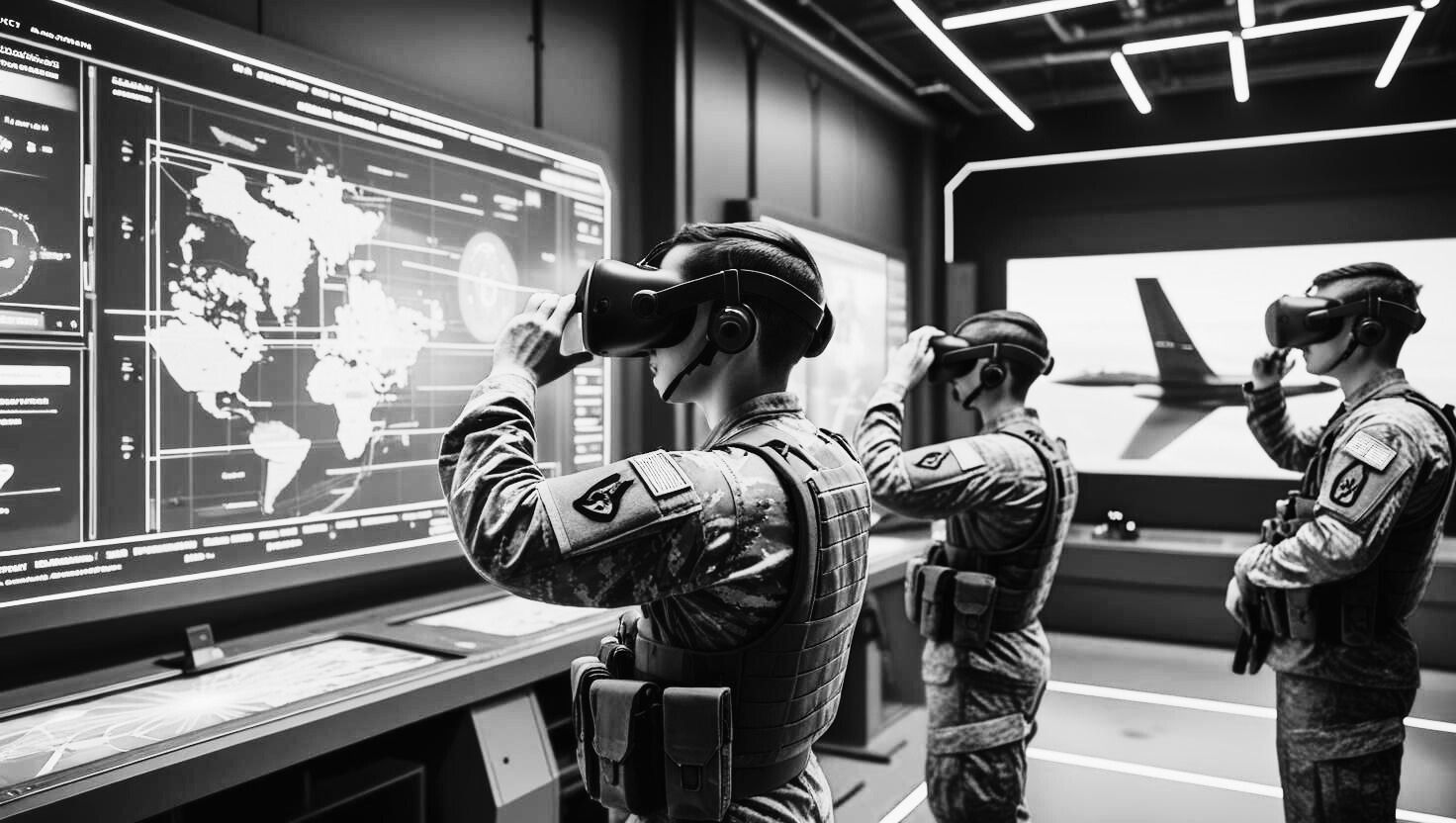
The AR component will enhance efficiency by providing real-time visual overlays, guided inspection steps, and contextual data directly within the technician’s field of view. This will allow personnel to execute complex inspections with greater precision while also enabling remote expert support when needed.
Another key objective is to improve coordination during induction and dispatch processes. The integrated AI-AR system is expected to streamline task management, reduce delays, and minimize missed deadlines through structured workflows, real-time updates, and automated documentation.
By digitizing and automating critical inspection activities, HAL aims to improve turnaround times, reduce maintenance errors, and boost overall fleet readiness of the HTT-40. The initiative also reflects the broader shift toward smart maintenance, repair, and overhaul (MRO) practices in the aerospace sector.