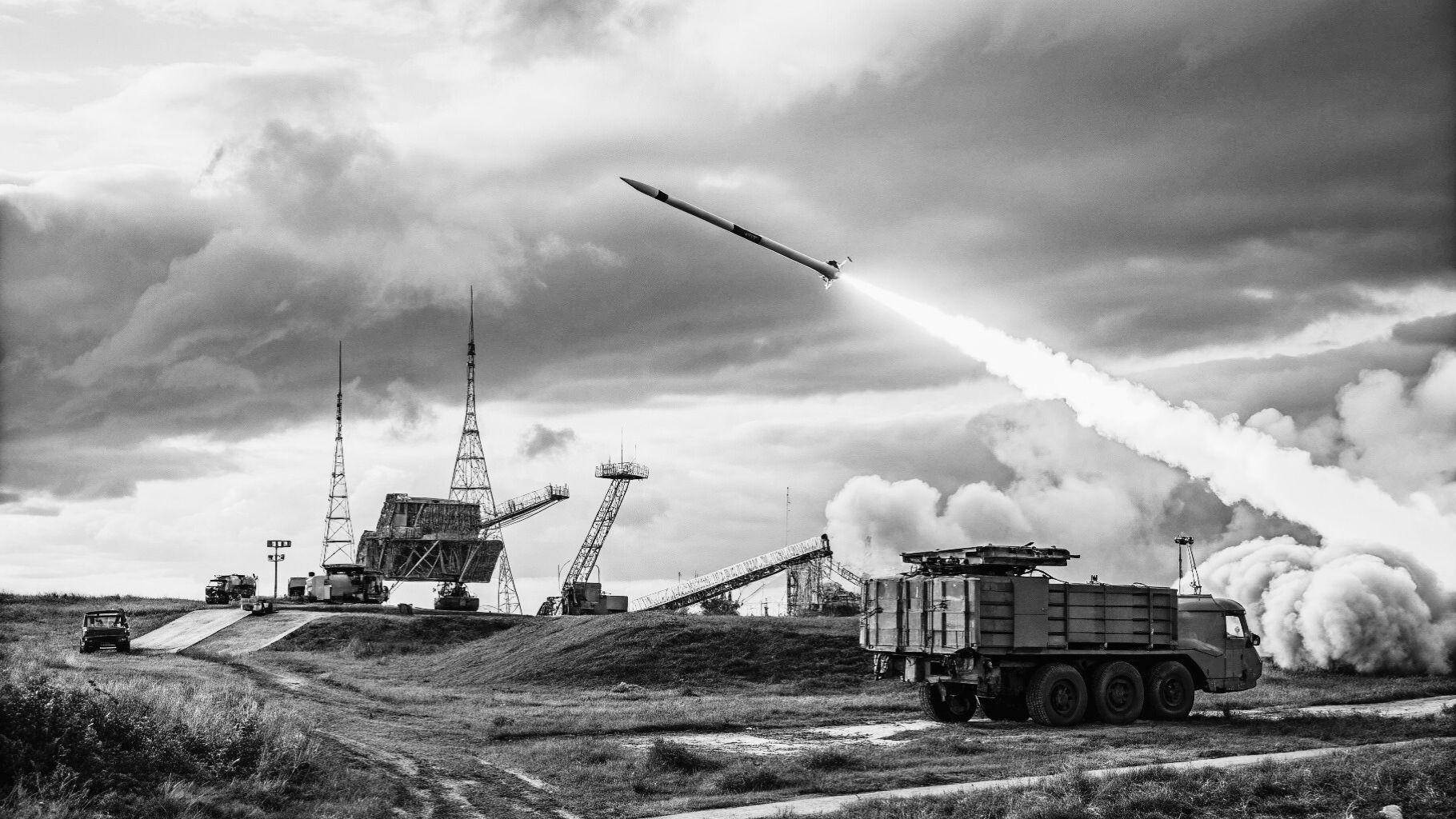
The Indian Army is undertaking a major shift in its rocket artillery doctrine, gradually phasing out legacy Russian-origin Grad systems in favor of expanding the indigenous Pinaka MBRL fleet. Defence sources indicate that the long-term plan aims to scale Pinaka deployment to nearly 22 regiments, significantly enhancing India’s battlefield rocket artillery capabilities.
This transition reflects a broader doctrinal shift toward prioritizing range, precision, and survivability over traditional saturation fire tactics. As a result, earlier plans to induct an indigenous 122mm rocket system—developed by DRDO laboratories such as ARDE and HEMRL—are now being reconsidered. Although the system extended range to around 40 km compared to the 20 km range of legacy Grad rockets, it has not gained significant traction with the Army.
One key reason is the superior performance of the Pinaka Mk1 system, which uses larger 214mm rockets to deliver greater range and firepower. While the 122mm rockets were cost-effective, their accuracy at extended ranges did not meet modern battlefield requirements. In contrast, guided variants of Pinaka provide significantly improved precision and operational effectiveness.
The growing emphasis on precision-guided munitions is also shaping this decision. Systems like Guided Pinaka offer accurate targeting while retaining rapid-fire capability, aligning with evolving artillery doctrines influenced by recent conflicts such as Ukraine. These conflicts have highlighted the declining effectiveness of unguided mass-fire approaches against adversaries equipped with advanced surveillance and counter-battery systems.
Additionally, the Army is seeking capabilities similar to systems like HIMARS, which combine mobility, long-range precision, and guided strike capability. Logistical efficiency is another factor, as the Army aims to streamline ammunition supply chains by reducing the number of rocket calibers in service. Consolidating around systems like Pinaka helps avoid added complexity in production, storage, and distribution.