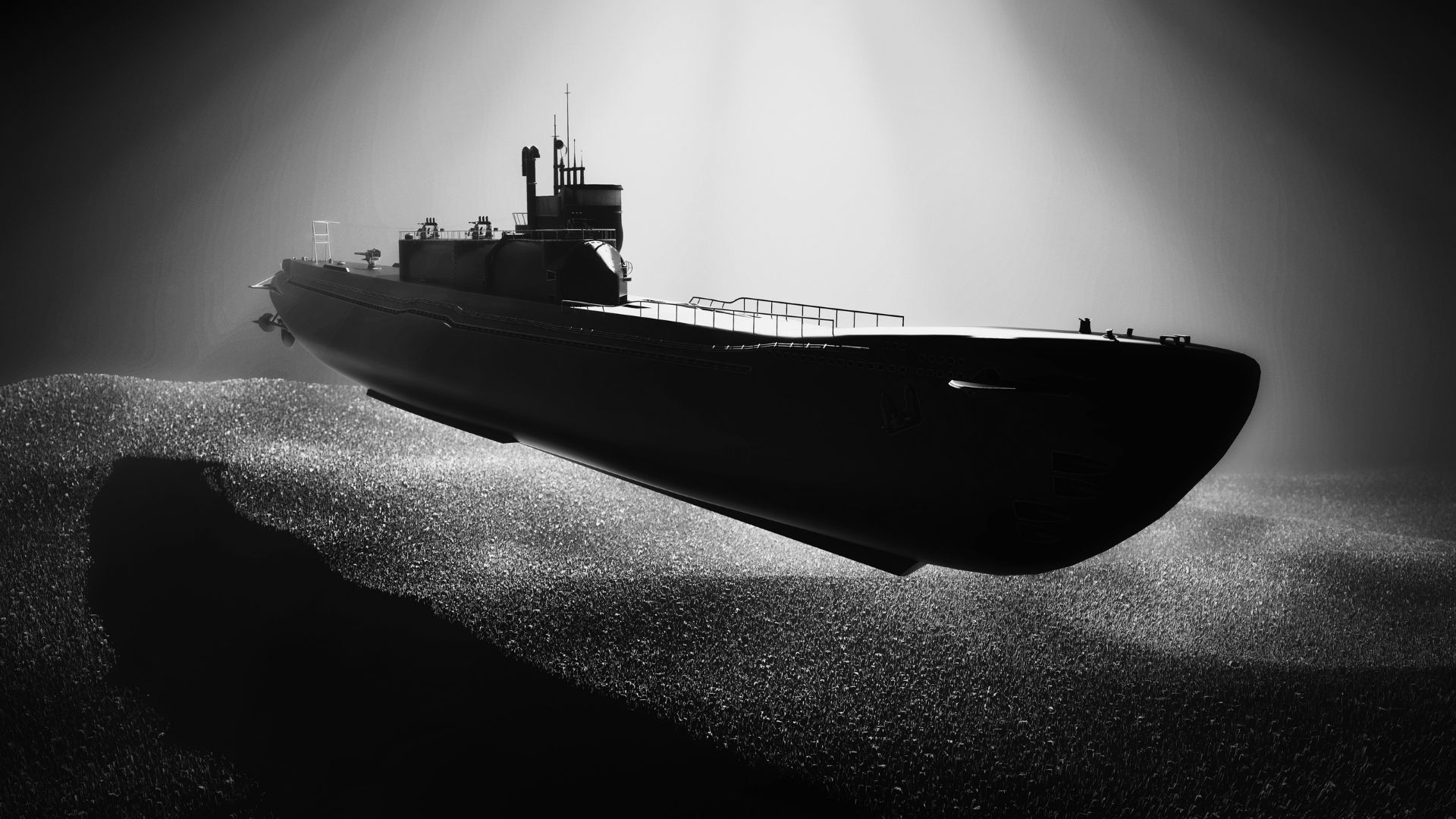
India has been steadily advancing its drive for self-reliance in critical naval technologies, with one of the most strategically important yet underreported achievements being the indigenous development of submarine rubber tiles. These specialized synthetic coatings, applied to the outer hull of submarines, play a crucial role in enhancing acoustic stealth—an essential factor in modern underwater warfare.
Far from being simple protective layers, these tiles are highly engineered, multi-layered systems designed to control how sound behaves in water. Their function is twofold: to absorb and reduce the reflection of incoming sonar waves from adversaries and to suppress the transmission of noise generated within the submarine. This dual capability significantly lowers detectability, both from active and passive sonar systems.
Structurally, the tiles consist of an outer protective layer and an inner sound-absorbing matrix embedded with engineered cavities. These cavities trap and dissipate sound energy across multiple frequencies, weakening reflected sonar signals and reducing the effectiveness of enemy detection systems. At the same time, they dampen internal vibrations and machinery noise, preventing acoustic leakage into the surrounding environment.
The application process is technically demanding. The submarine’s hull must undergo precise surface preparation before the tiles are bonded using high-strength adhesives. Sealing compounds are then applied to ensure durability against extreme underwater conditions such as pressure fluctuations, salinity, and temperature variations. Maintaining adhesion integrity is critical, as any detachment can compromise both stealth and hydrodynamic performance.
From a technical perspective, the tiles operate within a temperature range of +40°C to +300°C and adhere to multiple ASTM standards, ensuring consistent mechanical and environmental properties. Each tile typically measures around 980 mm by 980 mm, with a thickness of approximately 51 mm and a weight of about 51 kilograms. Despite their mass, they are carefully distributed across the hull to preserve balance and hydrodynamic efficiency.
Performance-wise, the tiles provide a minimum insertion loss of 6 dB and an echo reduction of at least 9 dB, significantly reducing the submarine’s acoustic signature. While these figures may appear modest, they translate into meaningful tactical advantages in real-world operations where even minor reductions in detectability can be decisive.
With a service life of up to 20 years, these coatings offer long-term operational benefits, reducing maintenance requirements while ensuring sustained stealth performance across diverse maritime environments. Given that only a few countries have mastered advanced anechoic coating technologies, India’s progress underscores its growing expertise in underwater warfare and complements its broader indigenous efforts in submarine construction and sonar systems.