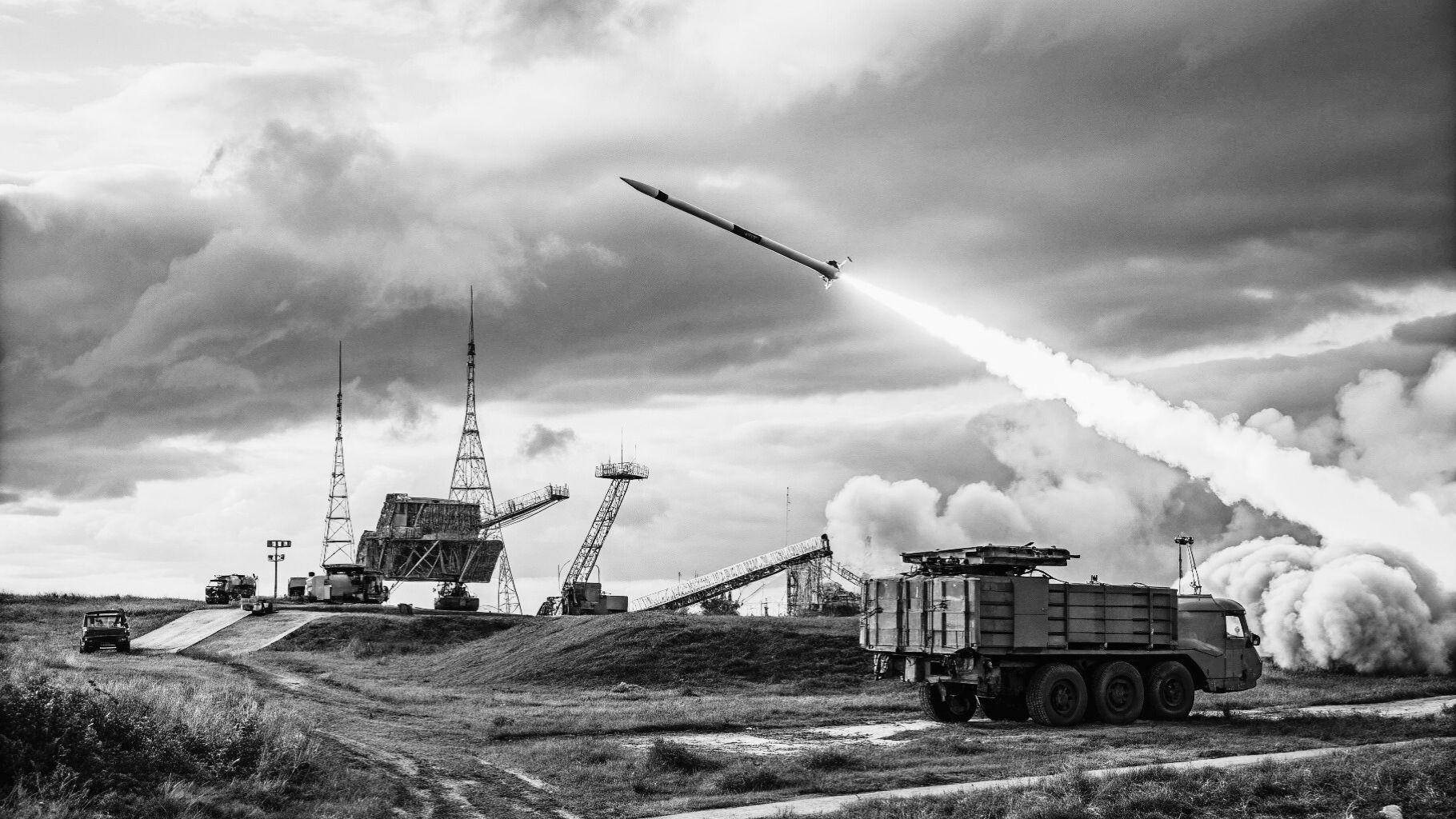
India’s indigenous Rudram-2 is nearing a key milestone, with the system in the final phase of validation trials and expected to receive production clearance soon. Developed by DRDO, the missile is designed to enhance the Indian Air Force’s Suppression of Enemy Air Defences (SEAD) capability, replacing older systems such as the Kh-31.
Following a successful full-configuration test in May 2024, the program has progressed through refinement stages during 2025–2026, focusing on improving seeker performance in complex electromagnetic environments. This ensures reliable detection of hostile radar emissions even amid heavy electronic clutter and countermeasures.
Production is being structured under the Development-cum-Production Partner (DcPP) model, with Adani Defence & Aerospace and Bharat Dynamics Limited playing key roles. Manufacturing is expected to take place in Hyderabad, highlighting increased private sector participation in advanced missile programs.
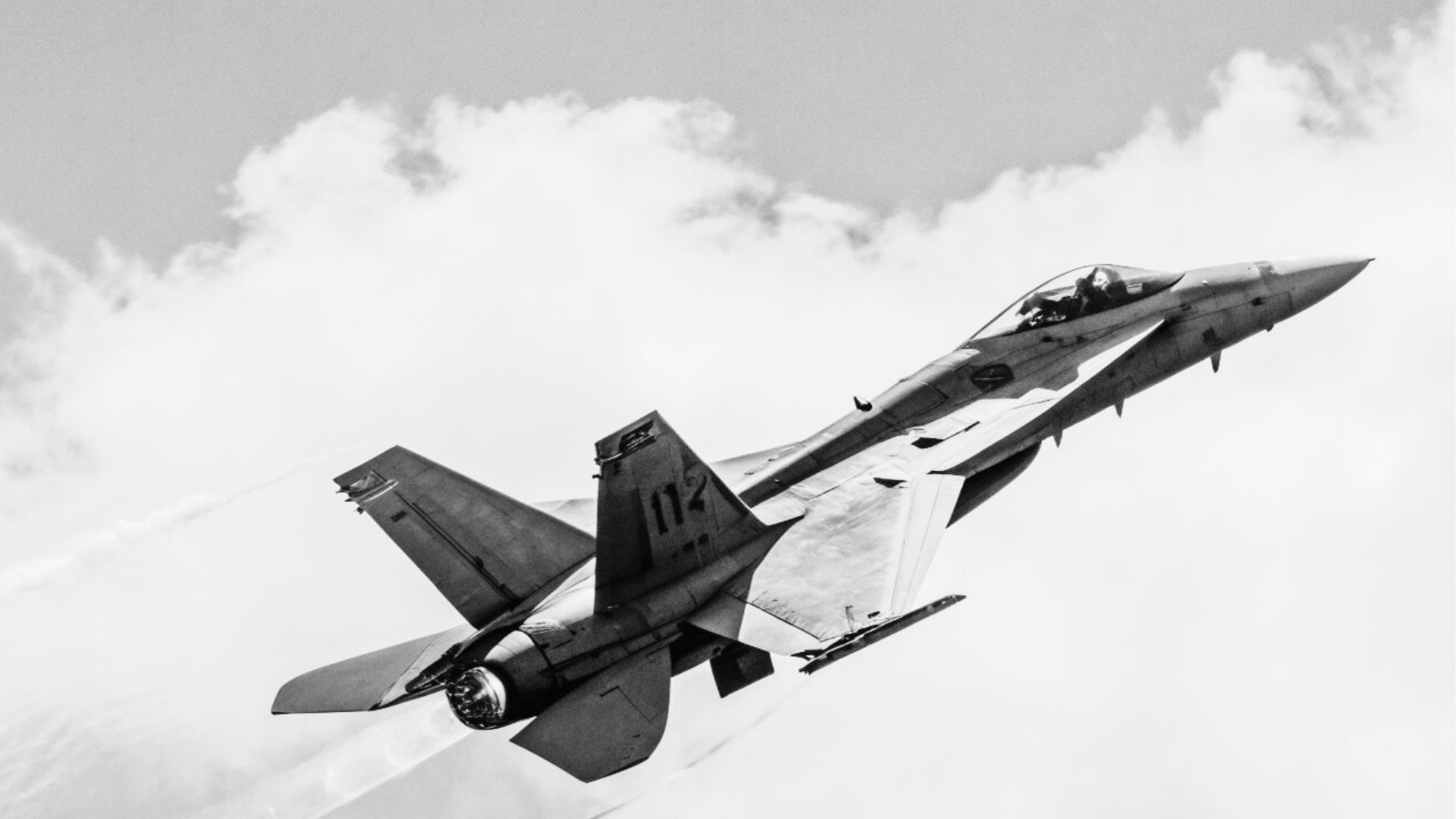
The missile has been tested primarily on the Su-30MKI, which can carry multiple Rudram-2 units, with integration efforts underway for the Mirage 2000 and future platforms such as Tejas Mk2 and Rafale. This multi-platform compatibility ensures flexibility across the IAF’s strike fleet.
With a strike range exceeding 300 km, Rudram-2 enables stand-off engagement of enemy radar systems while keeping aircraft outside hostile air defense envelopes. Its high speed and advanced seeker make it effective against modern, mobile air defense systems using emission control tactics. Strategically, the missile is expected to play a critical role in neutralizing enemy air defenses, enabling follow-on strike operations by both manned and unmanned platforms.