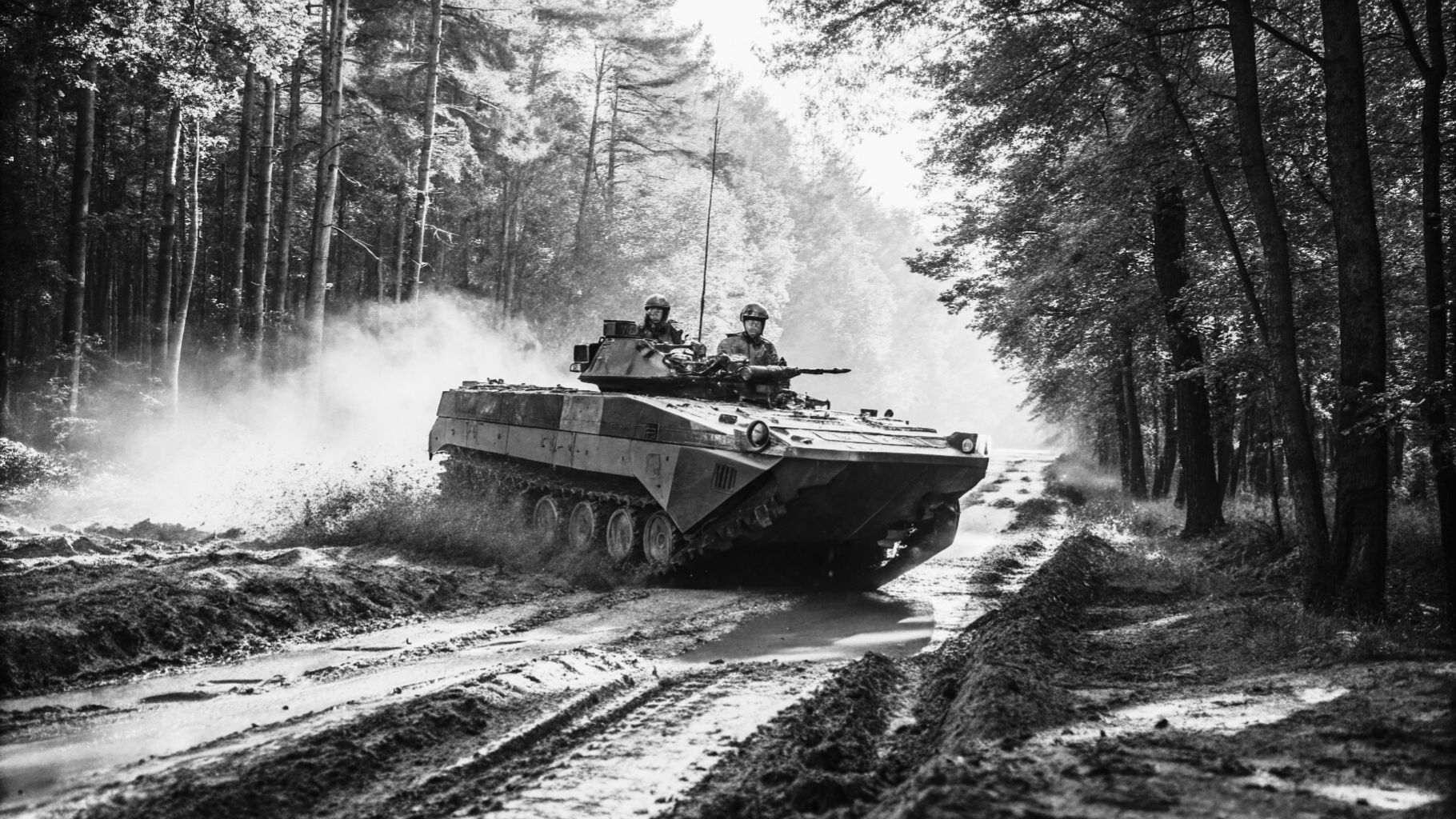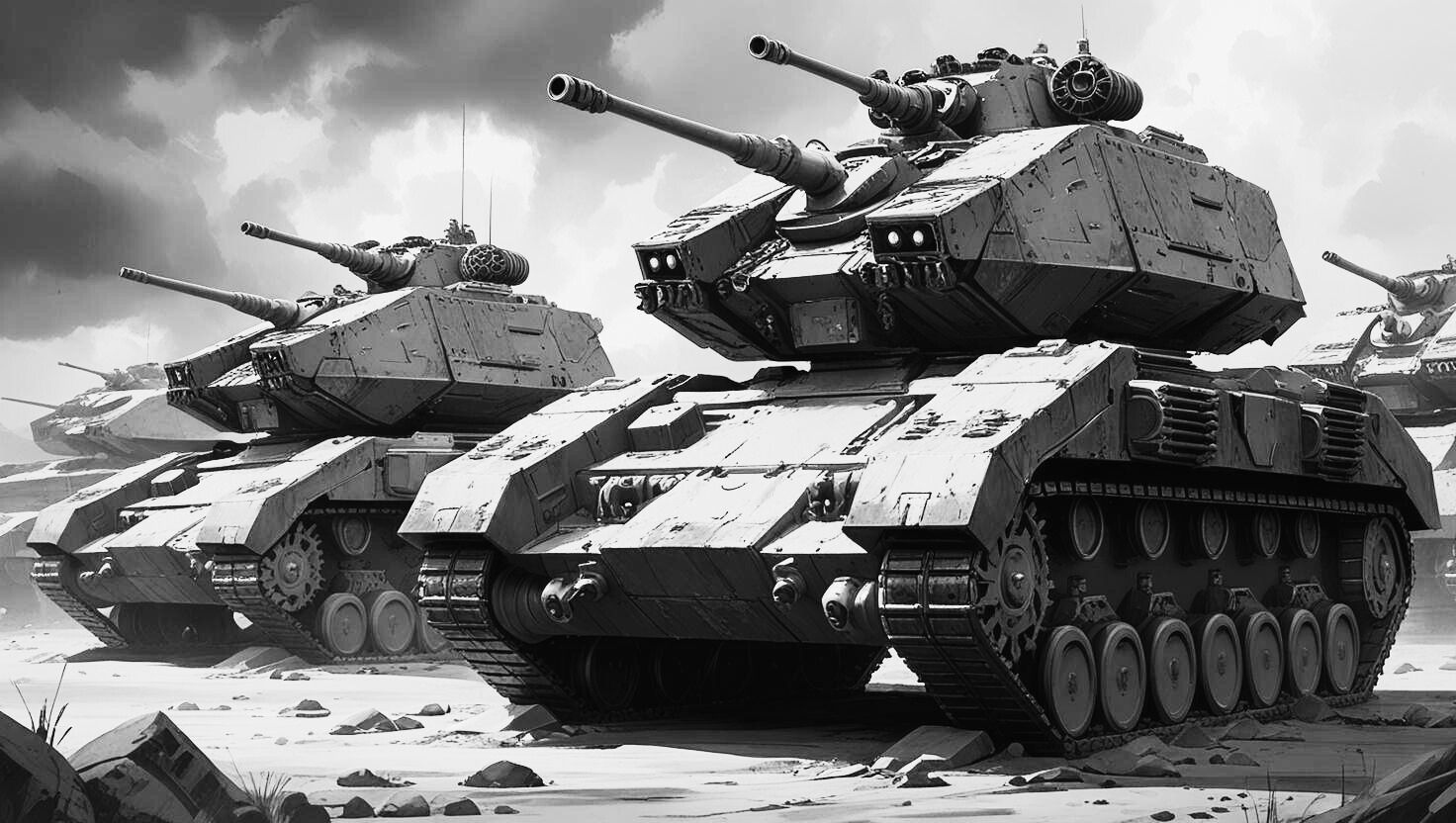
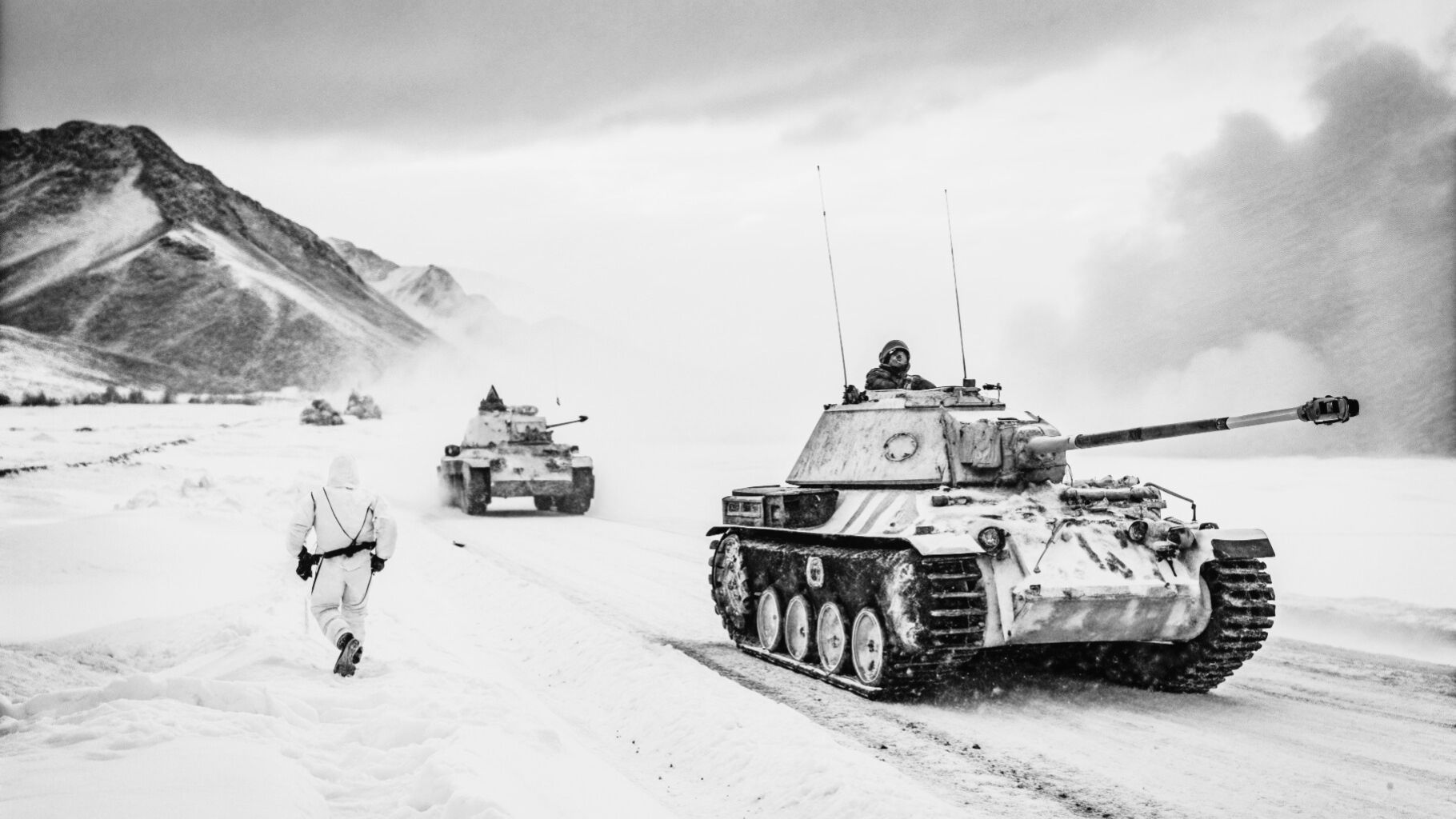
Russia has offered to deepen its long-standing defence partnership with India by proposing the joint production of the T-90MS main battle tank (MBT). The proposal, put forward by Russian state arms exporter Rosoboronexport, builds on more than two decades of successful collaboration in the licensed production of the T-90 series and aims to equip the Indian Army with a significantly upgraded version of its existing frontline tank.
The offer follows India’s achievement of producing its 1,000th T-90S Bhishma under licence, highlighting the country’s growing expertise in armoured vehicle manufacturing. Over the years, India has progressed from importing fully assembled tanks to manufacturing most of the platform domestically at the Heavy Vehicles Factory (HVF), Avadi, demonstrating the maturity of its defence industrial base.
Under the proposed arrangement, India would manufacture the advanced T-90MS locally rather than import fully built tanks. The initiative would extend the successful licensed production model adopted for the T-90S while strengthening defence industrial cooperation between New Delhi and Moscow. It would also enable the Indian Army to field a more advanced variant equipped with the latest technological upgrades.
India’s partnership with the T-90 platform began in 2001, when agreements were signed with Russia to meet the Army’s requirement for a modern MBT capable of operating in diverse environments ranging from the deserts of Rajasthan to the high-altitude northern borders. Initially supplied as complete vehicles, the programme gradually transitioned to licensed assembly and large-scale indigenous production.
Over the past two decades, localisation has steadily increased, with Indian industry manufacturing hulls, turrets, structural assemblies, and numerous subsystems while continuing to source select critical components from Russia. This ecosystem has enabled India to operate one of the world’s largest T-90 fleets while developing substantial expertise in armoured vehicle production.
The proposed T-90MS represents a significant upgrade over the current T-90S Bhishma. Based on technologies developed for Russia’s latest T-90M “Proryv”, the tank incorporates several enhancements designed to improve battlefield performance.
One of the most notable improvements is the installation of a 1,130-horsepower diesel engine, replacing the lower-powered engine used in earlier variants. The increased power enhances acceleration, mobility, and manoeuvrability across challenging terrain while supporting additional armour and protection systems.
The T-90MS also features a newly designed welded turret that offers superior protection compared with the cast turret used on previous models. Combined with upgraded explosive reactive armour (ERA) and enhanced armour packages, the tank provides improved defence against anti-tank guided missiles (ATGMs), kinetic energy penetrators, and shaped-charge warheads—capabilities that are increasingly important on today’s battlefields.
The fire-control system has also undergone major improvements. Equipped with an advanced digital fire-control suite, the T-90MS delivers greater first-round hit probability while on the move. Thermal imaging sights for both the commander and gunner significantly improve target detection and engagement during day, night, and adverse weather conditions.
The commander’s independent panoramic sight enables hunter-killer capability, allowing the commander to identify new targets while the gunner engages another. This dramatically enhances battlefield efficiency by reducing target engagement times.
Another key feature is the integration of a digital battlefield management system, allowing the tank to exchange real-time information with other combat vehicles, infantry formations, artillery units, and command headquarters. This network-centric capability improves situational awareness, coordination, and command effectiveness during combat operations.
Additional refinements include upgraded communications, enhanced electronic systems, improved crew ergonomics, and greater maintainability, all aimed at reducing crew workload while increasing operational readiness.
For India, domestic production of the T-90MS offers several strategic advantages. Since the Army already operates a large fleet of T-90S tanks, existing logistics, maintenance infrastructure, and crew training can support the upgraded platform with minimal disruption.
The proposal also aligns with India’s Make in India initiative by expanding indigenous defence manufacturing. Although Russian technology and certain key components would remain part of the programme, local production would strengthen India’s industrial base, generate employment, and enhance its capability to manufacture advanced armoured fighting vehicles.
Furthermore, the T-90MS could play a key role in the ongoing modernization of India’s armoured corps. While the indigenous Arjun Mk1A remains an important domestic programme, the T-90 continues to form the backbone of the Indian Army due to its proven operational performance and large fleet size. Producing the T-90MS in India would provide the Army with a more capable platform while indigenous next-generation programmes continue to evolve.