The US Air Force has awarded Lockheed Martin Missiles and Fire Control a $53-million contract modification aimed at increasing production capacity for the Long-Range Anti-Ship Missile (LRASM). With the new funding, the total contract value rises to $462.9 million and supports the acquisition of additional tooling and test systems required to expand manufacturing.
Production-related work will take place in Orlando, Florida, and is scheduled to conclude by November 29, 2028. The latest modification follows a previous $130-million adjustment issued in August 2024 that similarly focused on expanding production infrastructure for the missile program.
LRASM is among the long-range strike capabilities the US military intends to produce in greater numbers in the coming years. In 2023, Dominic DeScisciolo, who leads LRASM business development at Lockheed Martin, said the Pentagon plans to increase combined annual purchases of LRASM and the Joint Air-to-Surface Standoff Missile (JASSM) from approximately 500 missiles to about 1,000.
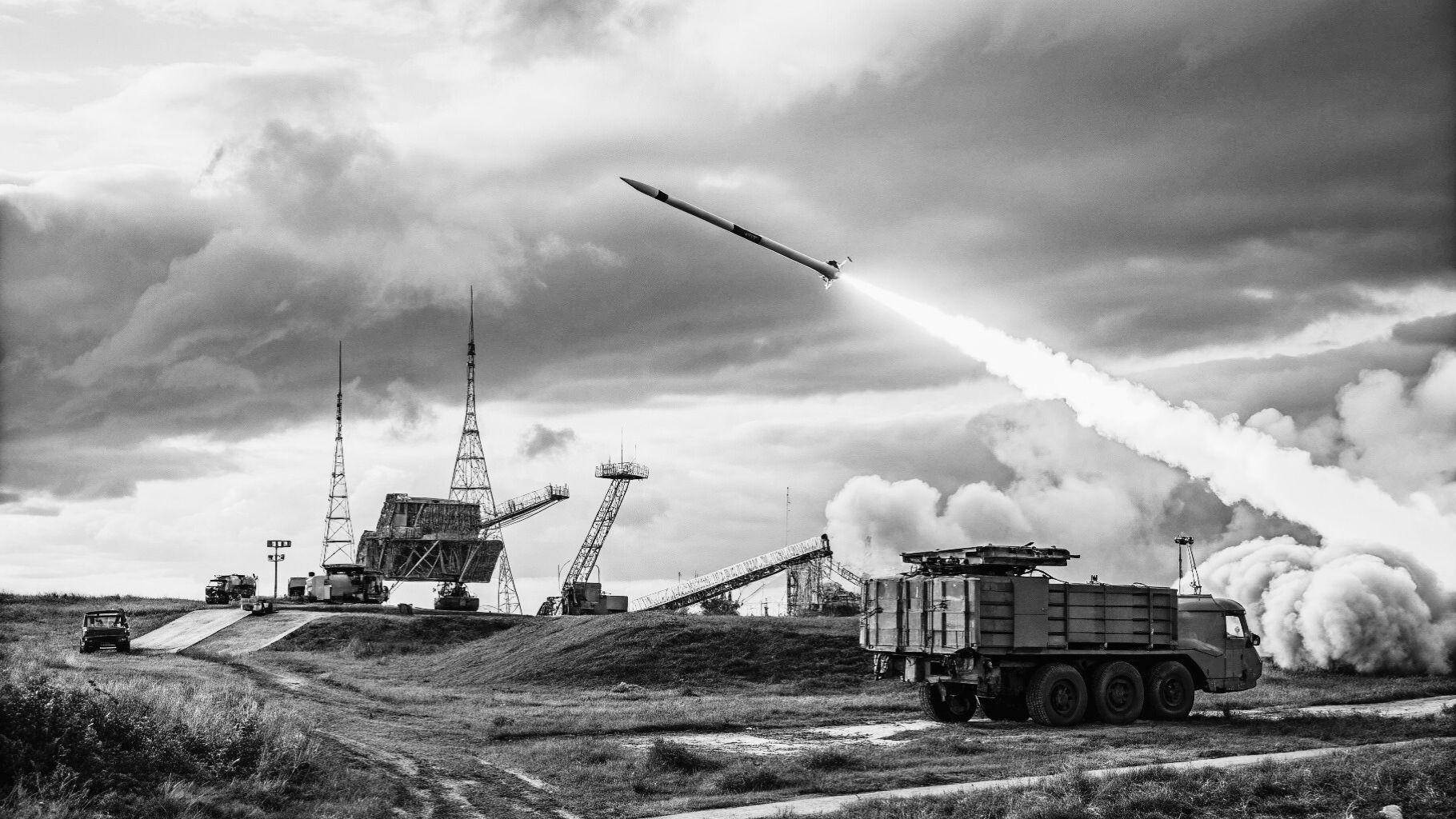
Built to destroy high-value naval targets such as aircraft carriers and guided-missile cruisers, LRASM can strike at distances of roughly 200 nautical miles (370 kilometers). The missile travels at high subsonic speed and carries a 1,000-pound penetrator and blast-fragmentation warhead designed to defeat heavily defended targets.
The weapon relies on GPS-aided navigation for precision guidance and includes onboard autonomous capabilities that allow it to alter its course if new threats are detected during flight.
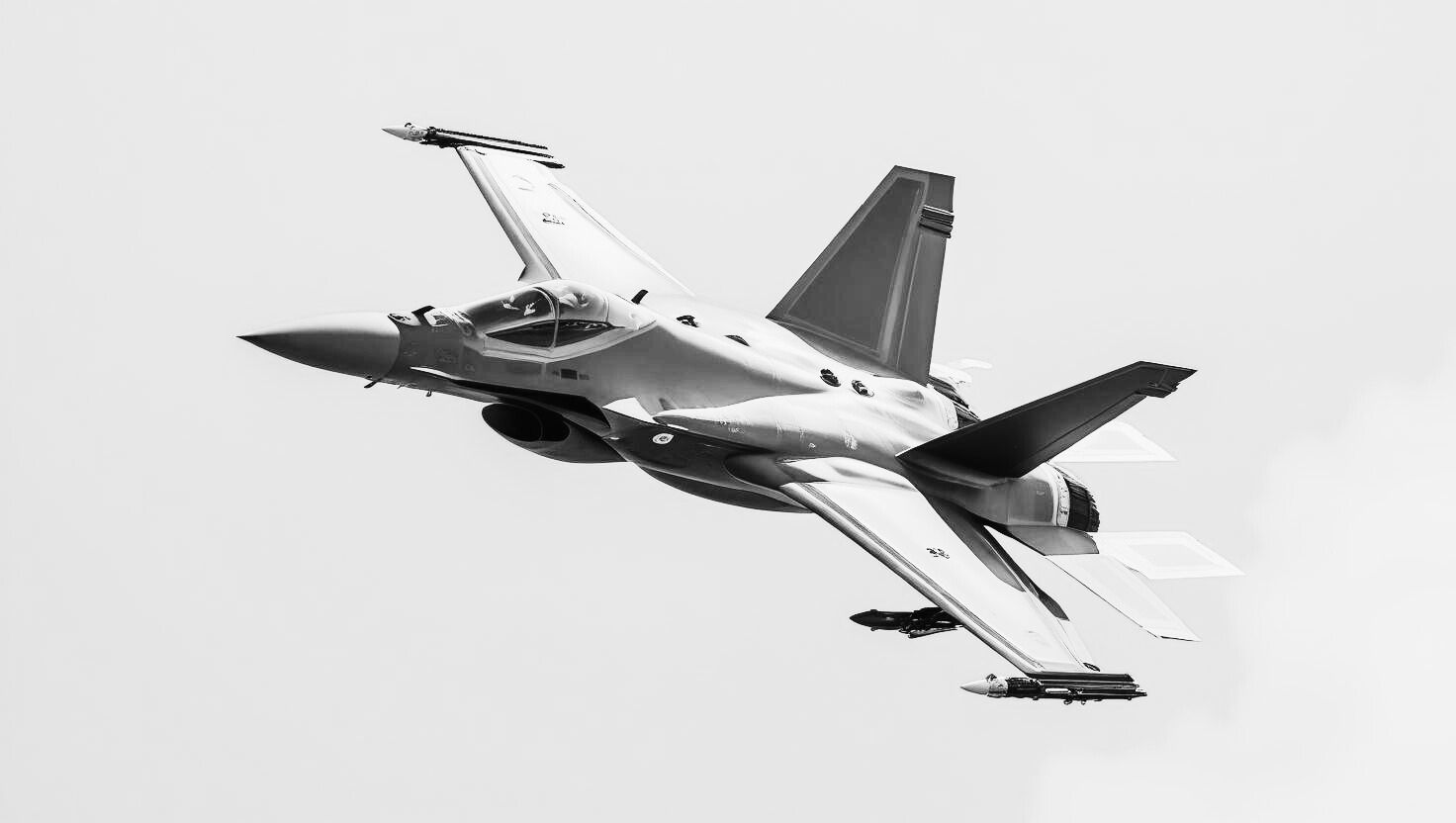
LRASM is currently operational on the B-1B Lancer bomber in US Air Force service and the F/A-18E/F Super Hornet fighter used by the US Navy. Integration with the F-35 Lightning II is in progress, and a surface-launched variant designed for vertical launch systems is also under development.