The US Navy and the Defense Innovation Unit have selected Anduril Industries to support their extra-large autonomous underwater vehicle initiative.
Chosen through the DIU’s competitive Commercial Solutions Opening process, Anduril will provide its Dive-XL AUV to help the Pentagon rapidly prototype and deploy large autonomous underwater drones under the Combat Autonomous Maritime Platform Project.
The program calls for commercially available, demonstration-ready systems capable of traveling more than 1,000 nautical miles (1,852 kilometers) and operating at depths beyond 200 meters (656 feet). The effort supports the Navy’s broader strategy of integrating robotic and autonomous platforms into its fleet, as outlined in its updated “Fighting Instructions” released in February, which emphasize coordinated operations between crewed ships and uncrewed systems.
Under the contract—whose value has not been disclosed—Anduril is expected to conduct a long-duration operational demonstration of the Dive-XL within four months.
The program also aligns with Anduril’s previous work on similar systems, including the Ghost Shark XL-AUV developed for the Royal Australian Navy.
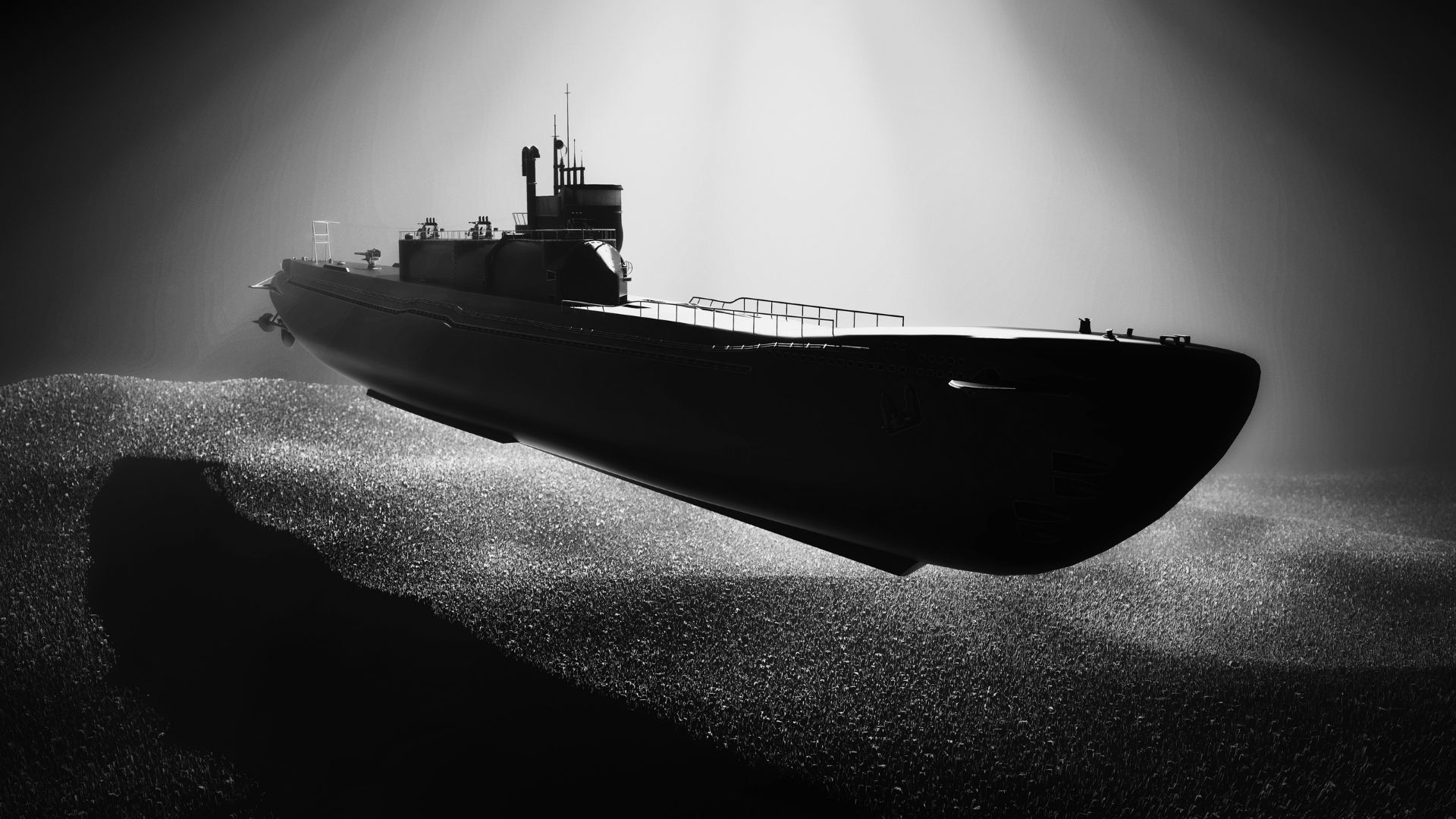
Dive-XL
According to Anduril’s maritime division senior vice president Shane Arnott, the Dive-XL offers very long-range and long-endurance capabilities and can operate either independently or alongside crewed and uncrewed platforms.
During a 2024 demonstration, the vehicle reportedly completed a continuous 100-hour voyage, the longest recorded mission for a system of its class.
Designed with a modular open systems architecture, the platform allows for future upgrades and supports various payloads. These include Anduril’s AI-enabled Seabed Sentry sensing system and the Copperhead torpedo-inspired underwater attack drone.
The Dive-XL features a two-point lift interface that enables launch from different ships or port facilities and can travel up to 2,000 nautical miles (3,704 kilometers).
The platform is intended for a range of defense missions—including seabed surveys, intelligence, surveillance and reconnaissance, and strike operations—as well as commercial roles such as servicing offshore oil and gas infrastructure.