The Vertical Launch Short Range Surface-to-Air Missile (VL-SRSAM) program has entered its final pre-induction stage, representing a key milestone in the Indian Navy’s modernization of shipborne air defence systems. Developed by the Defence Research and Development Organisation, the missile has shown consistent progress through multiple successful trials, including a crucial test conducted on March 26, 2025, at the Integrated Test Range in Chandipur.
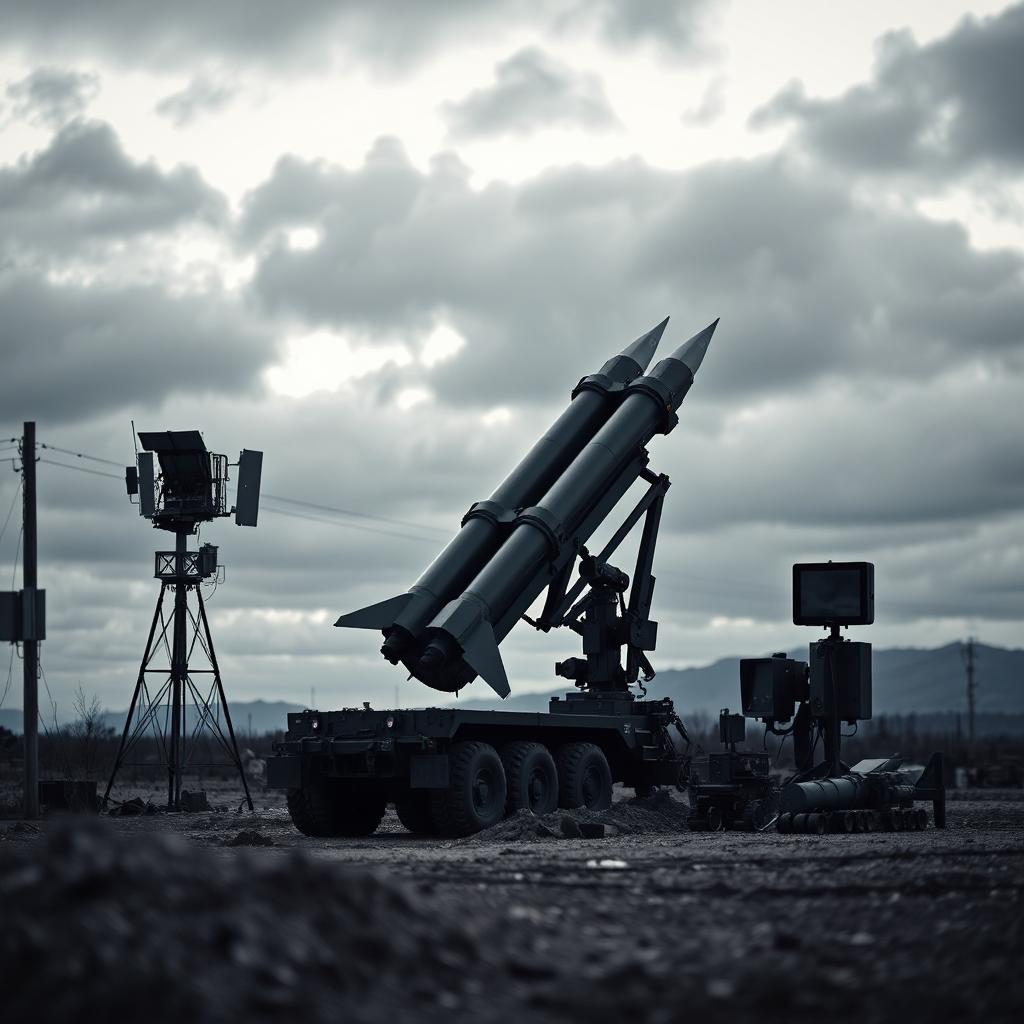
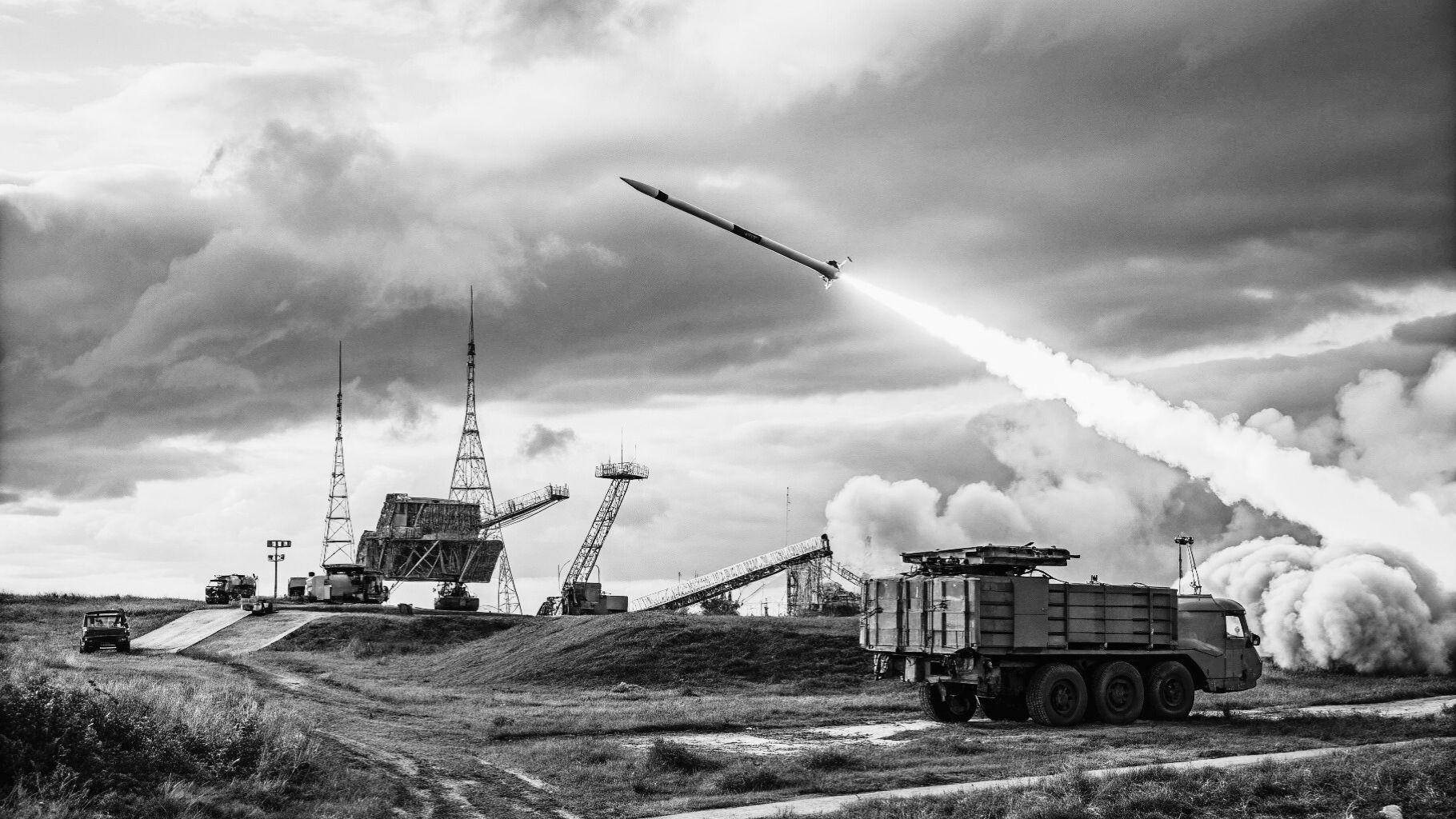
During this trial, the missile was launched from a land-based vertical launcher against a high-speed, low-altitude aerial target at close range. The test successfully validated its ability to intercept near-boundary, sea-skimming threats—an essential capability for countering modern anti-ship cruise missiles.
Originally expected to have a range of around 40 km, a Parliamentary Standing Committee report in early 2026 confirmed that the missile now achieves an operational range of approximately 80 km. It also offers an engagement altitude of up to 16 km, enabling it to tackle a wide spectrum of threats, from low-flying cruise missiles to high-altitude aircraft and UAVs.
This expanded performance allows the VL-SRSAM to bridge the gap between point defence and area defence systems within the naval air defence framework. With a top speed of Mach 4.5, the missile ensures rapid interception with minimal reaction time. Its high-maneuverability flight control system allows it to execute sharp, high-G turns, enhancing effectiveness against agile and evasive targets.
A standout feature of the system is its vertical launch capability, which allows missiles to be fired in any direction without requiring launcher reorientation. This enables simultaneous multi-directional engagement, a critical advantage against saturation attacks involving multiple incoming threats.
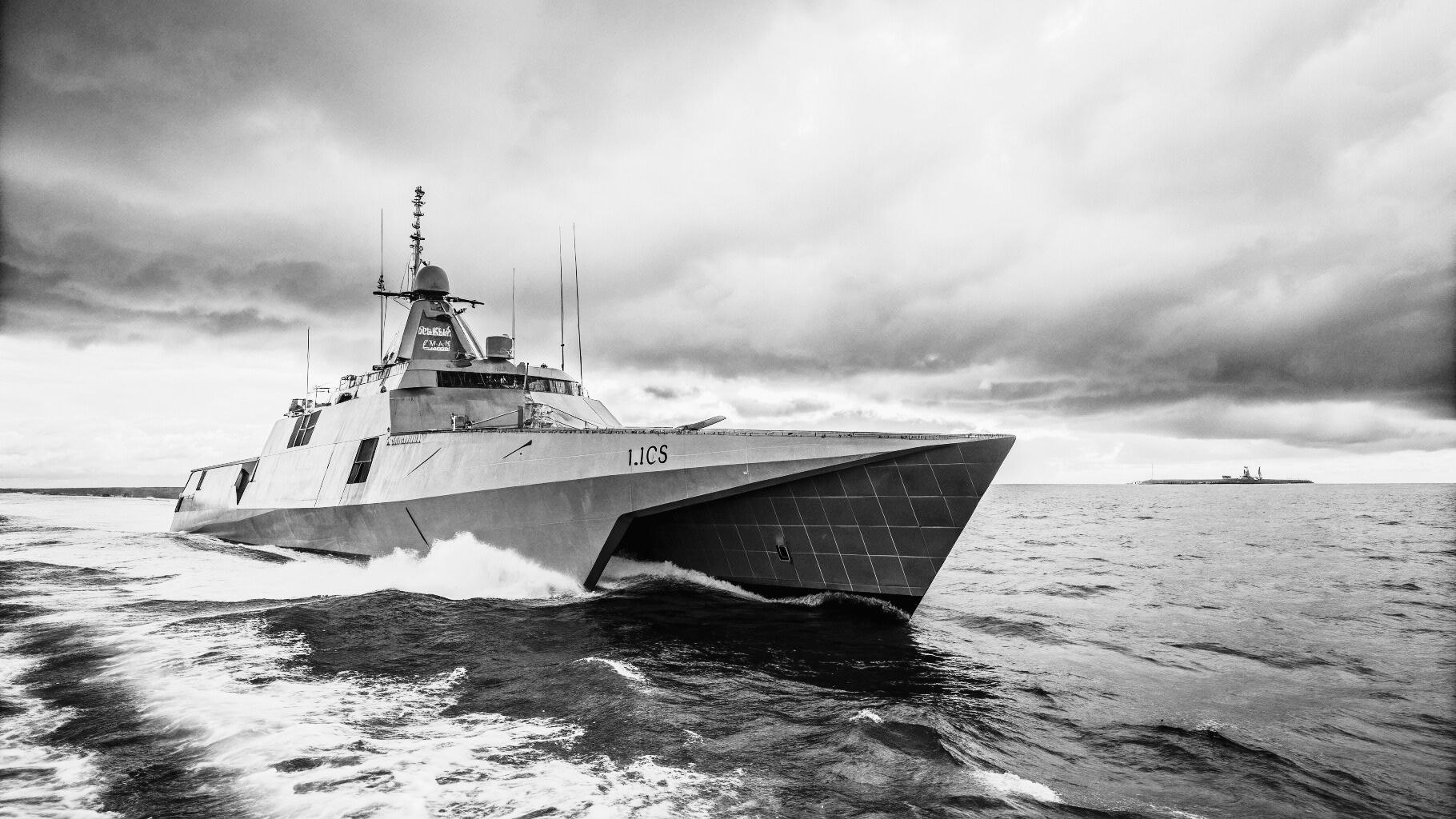
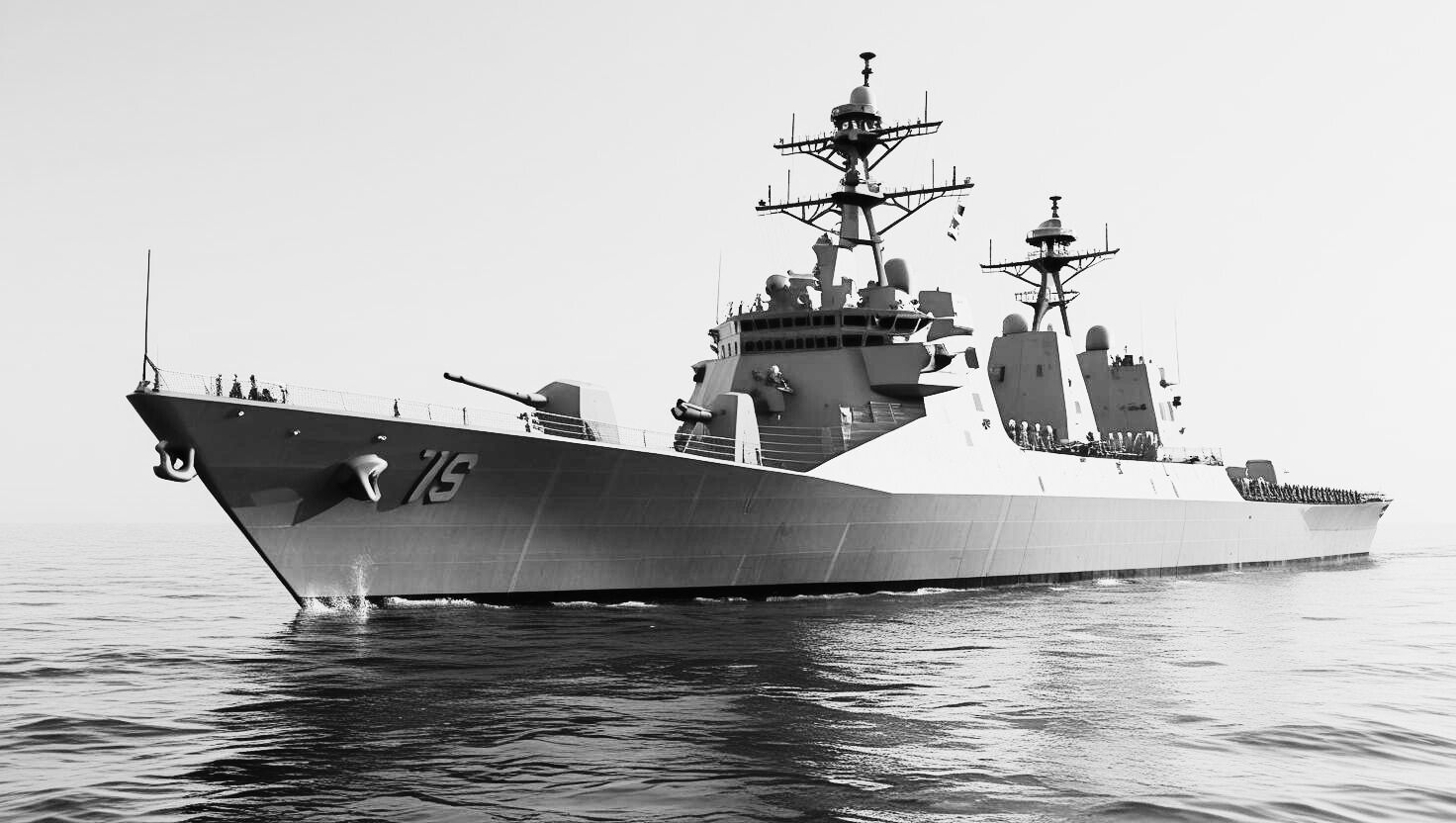
The VL-SRSAM is set to serve as the primary point-defence missile system for upcoming platforms such as Next-Generation Missile Vessels (NGMVs) and Next-Generation Corvettes (NGCs). Integrated into a layered defence network, it will work alongside long-range air defence systems and close-in weapon systems (CIWS) to provide comprehensive protection against drones, loitering munitions, and anti-ship missiles.