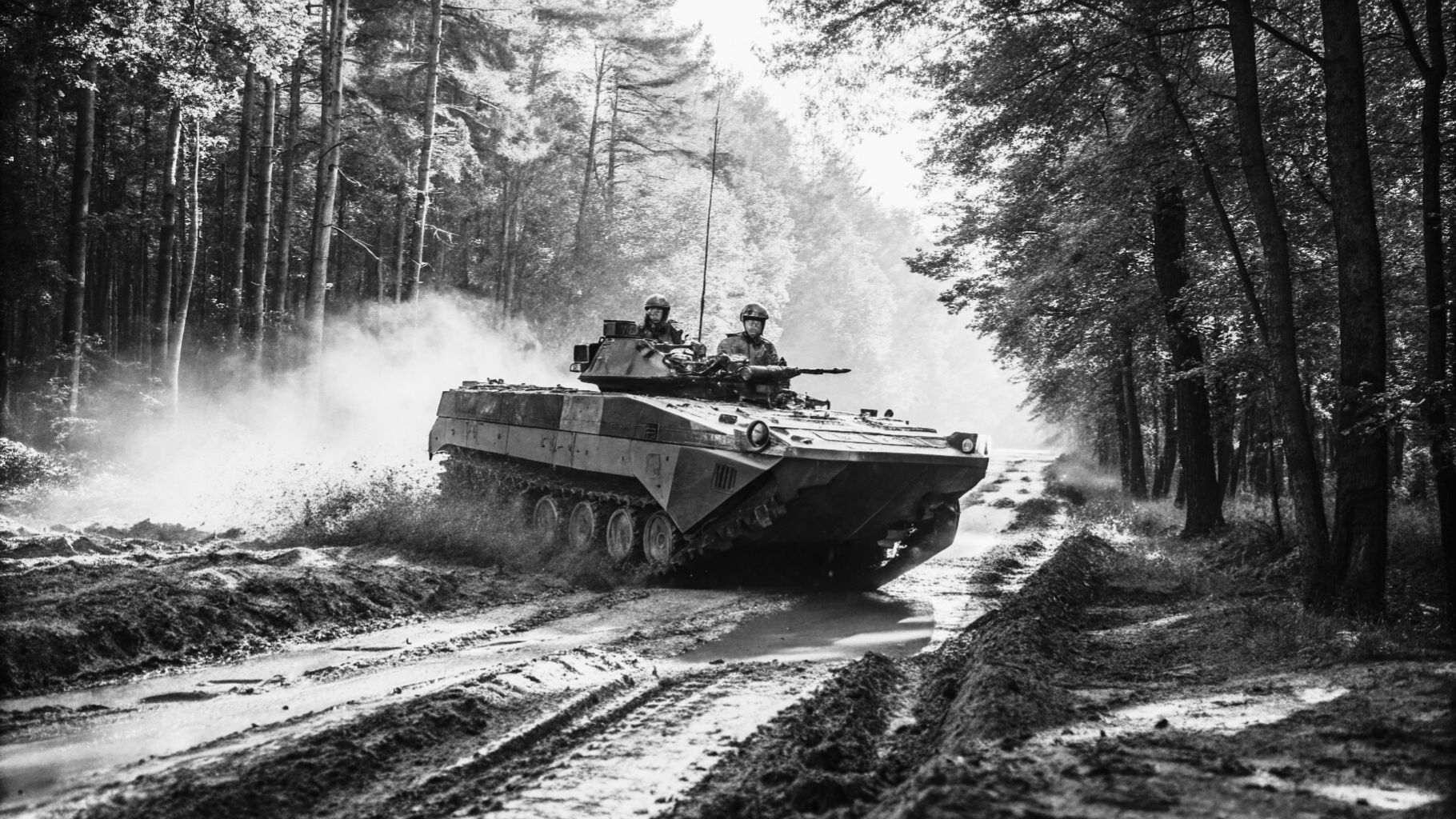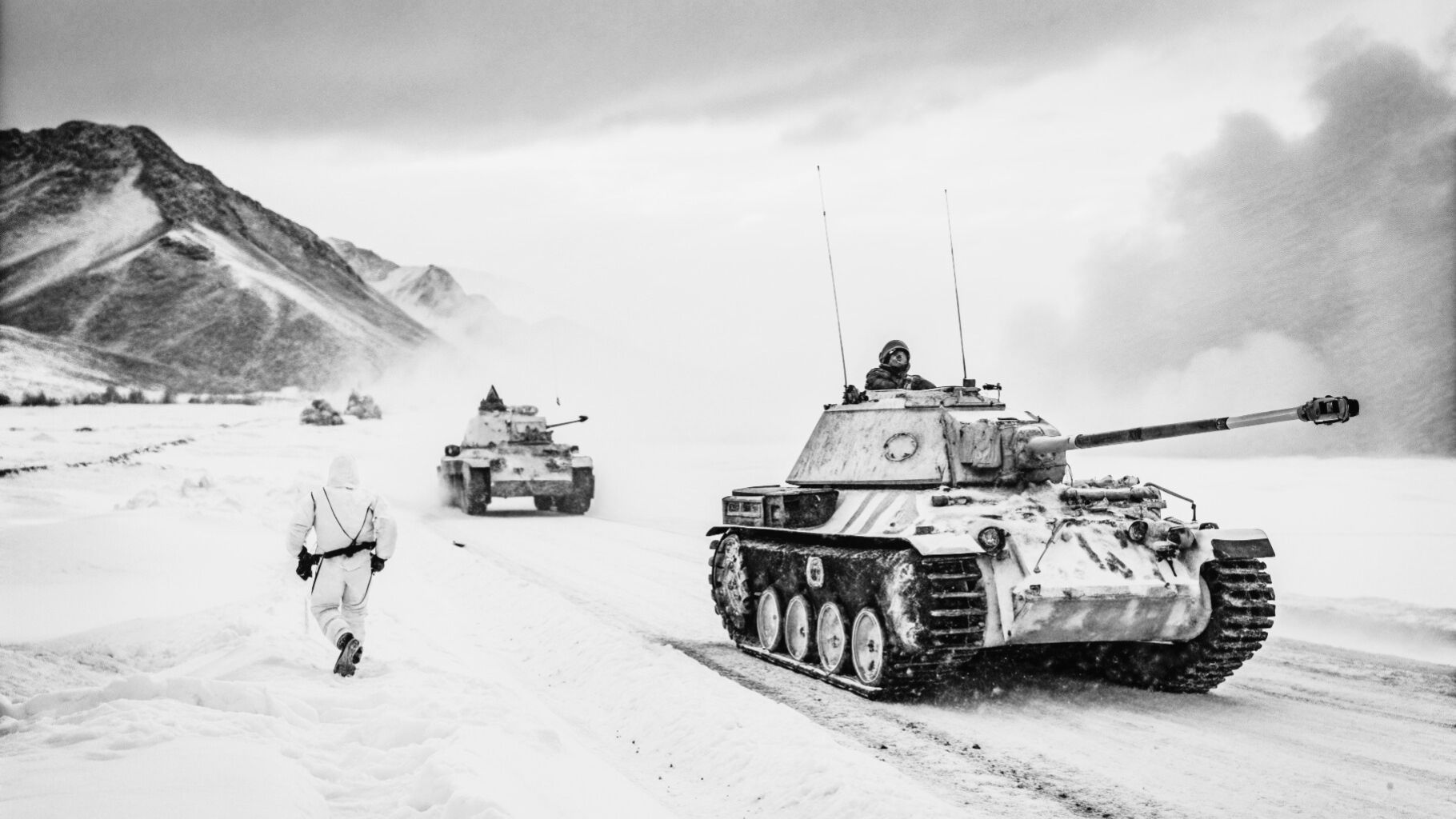
The Indian Army is pursuing an extensive modernization and life-extension strategy for its fleet of T-72 Ajeya main battle tanks, aiming to keep a significant share of the vehicles operational for decades. Defence sources indicate that nearly 50 percent of the Army’s roughly 2,400 T-72 tanks will remain in service even as India prepares for the future deployment of the Future Ready Combat Vehicle (FRCV).
The T-72 has been a cornerstone of India’s armoured forces since the 1980s. Despite the gradual induction of more modern tanks like the T-90 Bhishma, a large number of T-72s continue to form a crucial part of the Army’s combat strength. Because the FRCV program is still under development, the Army has opted to upgrade and refurbish many existing tanks to sustain operational readiness.
According to defence officials, the T-72 fleet is likely to remain a primary component of India’s armoured capability until the FRCV begins entering service around 2030. Some upgraded tanks may even remain active in secondary roles until the early 2040s. The extended development timeline of the FRCV has made interim modernization essential to maintain battlefield capability.
As part of the upgrade drive, India signed a $248-million agreement in March 2025 with Rosoboronexport to procure 1,000 new 1,000-horsepower engines for the T-72 fleet. The replacement engines are designed to restore mobility and operational efficiency to tanks whose original engines have degraded after decades of use.
Defence planners estimate that the FRCV project could take seven to eight years to achieve full production approval, as it involves the development of an entirely new class of armoured vehicles. Even after that stage, it may take several more years before large numbers are delivered. If procurement occurs in batches of around 500 tanks, it could take another six to seven years before the Army receives sufficient vehicles to significantly replace the existing fleet.
To maintain combat readiness during this period, the Army has accelerated modernization efforts for the T-72 platform. One of the key enhancements is the installation of Thermal Imaging Fire Control Systems (TIFCS), which allow tank crews to detect and engage targets in darkness or poor visibility. By February 27, 2026, the Army had installed TIFCS on an initial batch of 96 tanks, marking the beginning of a broader upgrade program.
Thermal imaging technology offers a substantial advantage over older optical systems by enabling crews to identify targets through heat signatures rather than relying on daylight visibility. This greatly improves effectiveness during night operations and enhances survivability on modern battlefields.
India has also strengthened its capacity to maintain and refurbish the aging fleet. In January 2026, Vehicle Factory Jabalpur completed a pilot initiative to overhaul older T-72 tanks and restore them to “zero-hour” condition, effectively resetting their operational lifespan.
Previously, most major tank overhauls were handled by Heavy Vehicles Factory Avadi in Tamil Nadu. The addition of Vehicle Factory Jabalpur significantly boosts overhaul capacity and allows refurbishment work to be distributed across multiple facilities, reducing turnaround times and ensuring greater fleet availability.
Beyond domestic needs, India is also considering opportunities to provide overhaul and upgrade services for international operators of the T-72. With many countries across Africa, the Middle East, and Southeast Asia still operating large T-72 fleets, India aims to position itself as a global center for maintenance, repair, and modernization.
Such services could offer foreign users cost-effective alternatives to replacing entire tank fleets, combining improved fire-control systems, refurbished engines, and extended operational life for existing platforms.