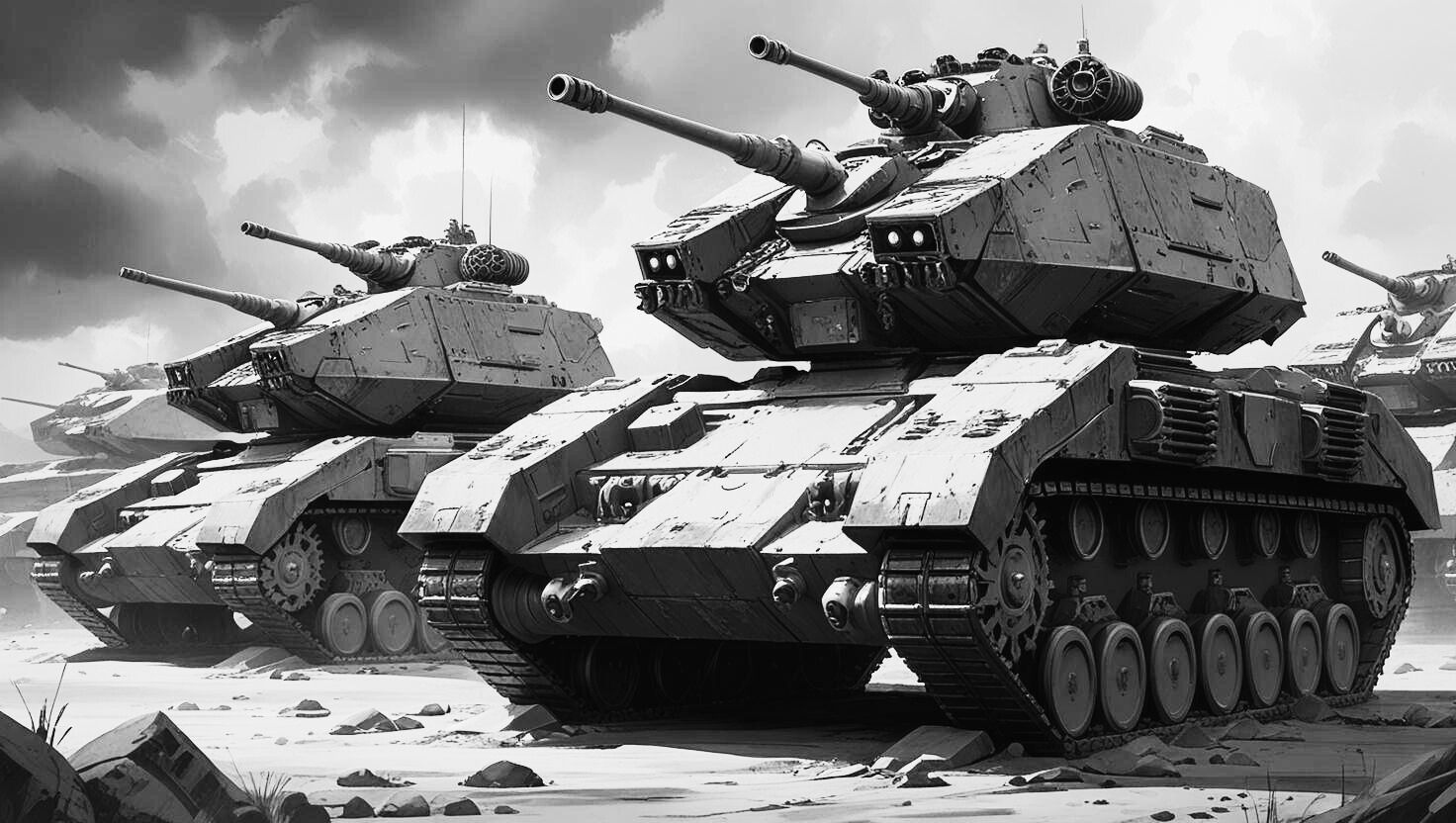
For decades, the Leopard tank has been synonymous with speed, firepower, and adaptability. Evolving from its Cold War roots into a technologically advanced family of network-enabled armored vehicles, the Leopard blends protection, mobility, and precision weaponry, securing its place as one of the most respected main battle tanks in service today. This overview explains how the Leopard series earned its reputation as a global benchmark in armored warfare.
Origins and Design Approach
The Leopard tank program began in the early 1960s in West Germany, during a period when NATO forces were preparing for the possibility of large-scale armored confrontations in Central Europe. The goal was to create a modern tank capable of confronting Soviet armor while maintaining strong battlefield mobility and operational flexibility.
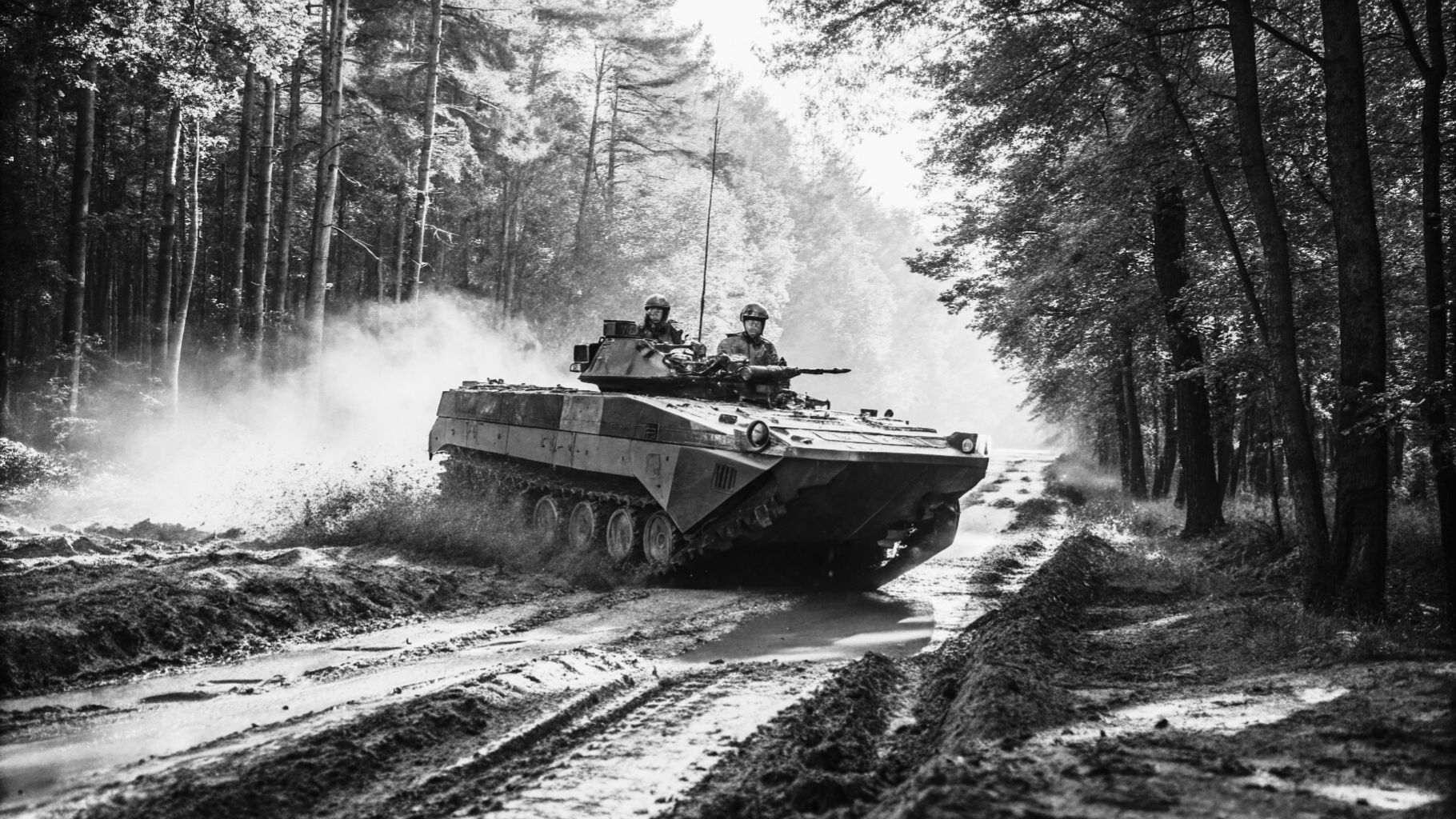
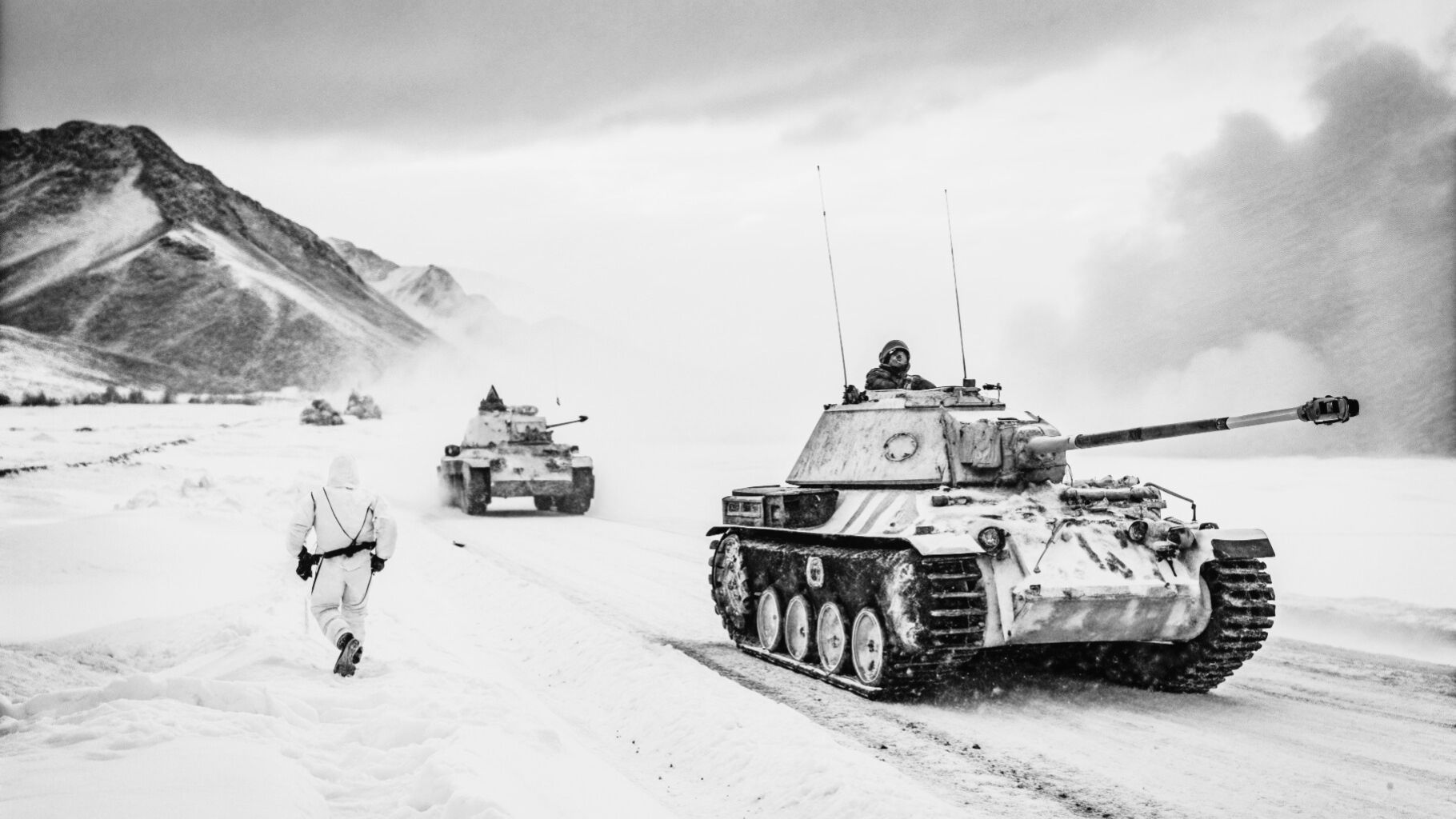
The first operational model, the Leopard 1, entered service in 1965. Its design prioritized speed and firepower rather than heavy armor, reflecting the belief that mobility and accurate long-range engagement could provide a decisive battlefield advantage. This philosophy continued with the introduction of the Leopard 2 in 1979, which added significantly improved armor protection without sacrificing maneuverability.
Evolution of the Leopard Family
Developed by Krauss-Maffei Wegmann—now integrated into the European defense group KNDS—the Leopard series has become Germany’s premier main battle tank line.
The Leopard 1 established the foundation of the program with its 105mm L7 rifled gun and dependable diesel engine, enabling rapid movement across varied terrain. Its widespread export success helped influence tank development across many countries.
The Leopard 2 introduced major technological advancements, including composite armor, a 120mm smoothbore main gun, and sophisticated fire-control technology. Continuous upgrades—from the Leopard 2A4 to the modern 2A7 variant—have improved armor protection, enhanced targeting systems, and integrated digital battlefield networking, allowing the tank to remain effective against modern threats.
Operational Use and Global Adoption
The Leopard tank has been adopted by numerous armed forces around the world, including Canada, Norway, Sweden, Czech Republic, Brazil, Hungary, and Ukraine. Its widespread service reflects strong confidence in the platform’s durability and battlefield performance.
Although it has experienced fewer large-scale combat deployments than the M1 Abrams, the Leopard has been extensively used in peacekeeping operations, training missions, and stabilization efforts. Continuous modernization has also ensured that the platform remains capable of countering emerging threats such as anti-tank guided missiles and improvised explosive devices.
From the agile Leopard 1 to the heavily upgraded and digitally integrated Leopard 2 variants, the Leopard tank family has consistently evolved to meet modern combat requirements. With its combination of mobility, survivability, and upgrade flexibility, the Leopard series is expected to remain a cornerstone of armored warfare for years to come.