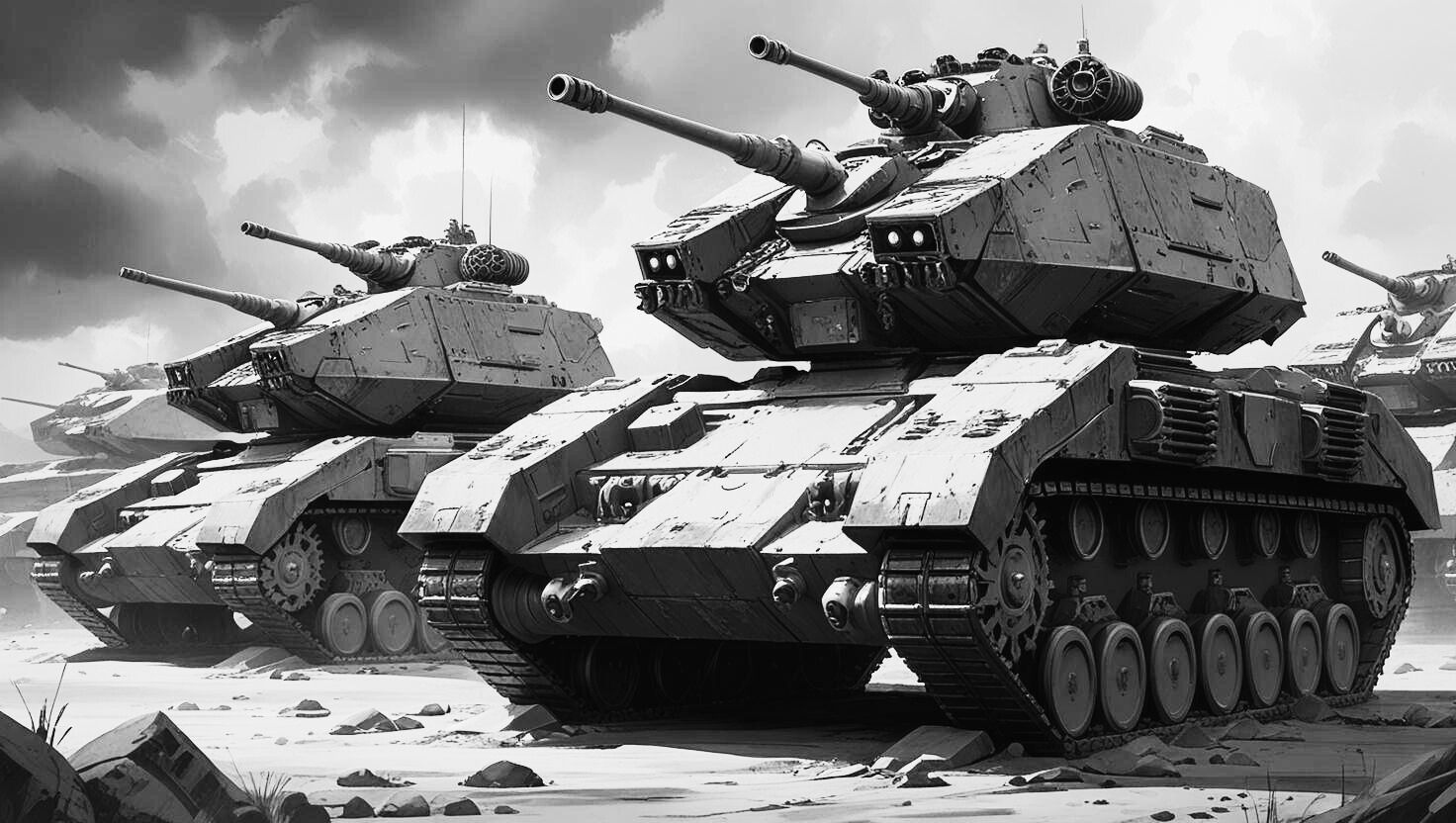
Modern warfare is no longer defined by sheer size alone — survivability, mobility, and precision firepower now determine battlefield success.
Much like the Australian Redback spider that inspired its name, the Redback infantry fighting vehicle (IFV) is engineered to confront larger threats while giving troops the protection and combat advantage needed in high-intensity operations.
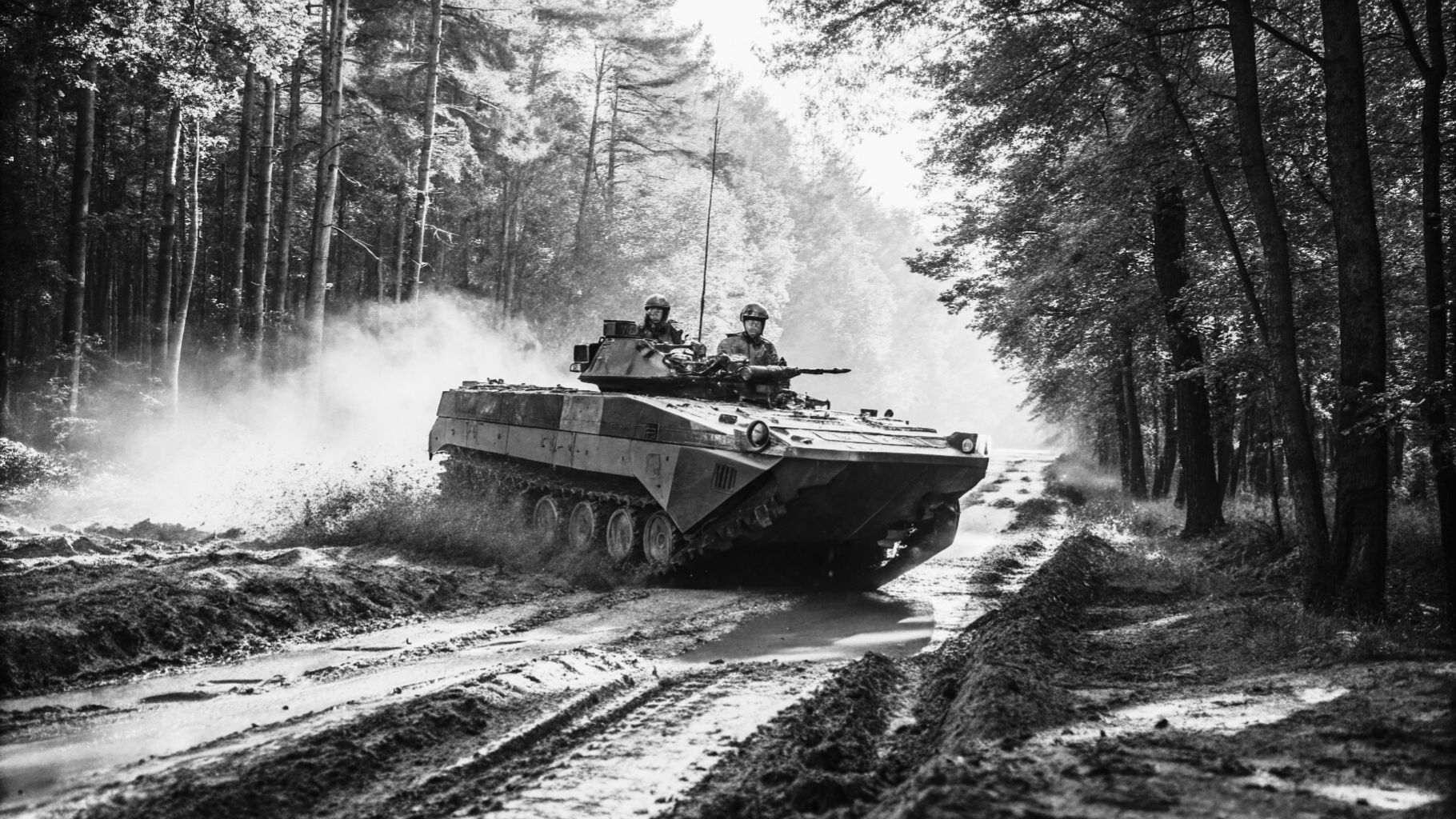
Designed to fight alongside frontline soldiers, the armored platform combines protection, firepower, and adaptability to operate effectively across a range of battlefield conditions.
This overview explores the Redback’s development, capabilities, operational strengths, and its potential role in the future of armored warfare.
Understanding the Redback IFV
The Redback IFV is a next-generation tracked armored combat vehicle developed by Hanwha Aerospace for the Australian Army.
Equipped with advanced sensors and modular weapon systems, the vehicle is designed to rapidly identify and engage threats while maintaining high targeting accuracy.
The platform was developed under Australia’s LAND 400 Phase 3 program, which aims to replace the aging M113 armored personnel carrier fleet with a modern IFV capable of operating alongside main battle tanks in high-intensity and combined-arms warfare environments.
Development of the Redback
The Redback emerged as part of Australia’s effort to modernize its land combat forces.
Rather than modifying an existing platform, Hanwha Aerospace designed the AS21 Redback specifically around Australian operational requirements, emphasizing survivability, digital connectivity, and adaptability across diverse terrain.
Following extensive trials and evaluations against the Rheinmetall KF41 Lynx, the Redback was selected in 2023 as the Australian Army’s future infantry fighting vehicle.
Key Features and Capabilities
Active Protection Systems
The Redback uses a layered protection approach that combines heavy passive armor with an active protection system capable of intercepting anti-tank guided missiles and rocket-propelled grenades before impact.
The vehicle also incorporates blast-resistant seating and a reinforced hull structure designed to reduce injuries from mines and improvised explosive devices.
Firepower and Turret Design
The IFV is typically armed with the Mk44S Bushmaster II 30mm automatic cannon mounted in a remotely operated turret.
The cannon is paired with a coaxial machine gun and can also integrate anti-tank guided missiles, enabling the platform to engage armored vehicles and infantry targets.
In 2025, Hanwha Defence Australia selected EOS to supply R400 Remote Weapon Systems for the fleet.
Digital Battlefield Awareness
The Redback integrates advanced battlefield management systems, cameras, and sensors that provide 360-degree situational awareness for the crew.
Its digital networking capabilities improve coordination between vehicles and command units, while systems such as the PASEO Joint Fires targeting suite enhance survivability and lethality.
Strengths
High survivability through layered armor, active protection systems, and blast-resistant design.
Advanced sensors and digital networking for faster threat detection and improved battlefield awareness.
Modular architecture that supports upgrades, mission-specific kits, and future technologies.
Limitations
Weighing over 40 tons, the vehicle requires significant logistical support and may face mobility constraints in certain terrain.
The platform has limited operational history compared to combat-proven IFVs.
Advanced systems and technologies increase acquisition and lifecycle costs.
Global Interest and Security Concerns
Australia is currently the first confirmed operator of the Redback, with production partially based in Australia to support local industry and sustainment.
The platform may also attract international interest from countries seeking heavily protected IFVs suited for modern high-intensity warfare.
The program has additionally faced cybersecurity concerns after the Iranian-linked hacking group Cyber Toufan reportedly leaked classified plans, including 3D models and technical details, on Telegram.
Future Outlook
As threats such as drones and anti-tank missiles continue to evolve, the Redback has been designed with growth potential to remain effective in future combat environments.
Potential upgrades could include enhanced active protection systems, autonomous functions, and expanded weapon integration options to meet emerging battlefield requirements.