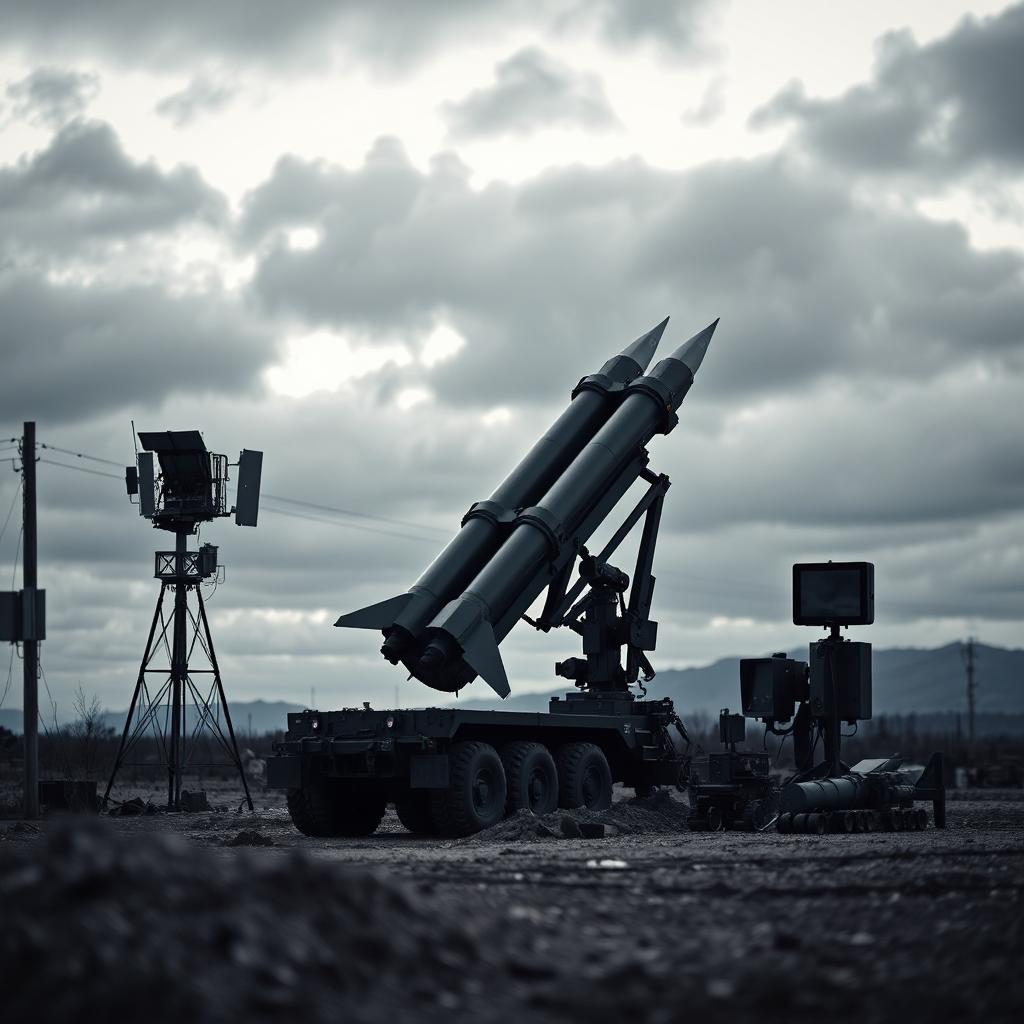
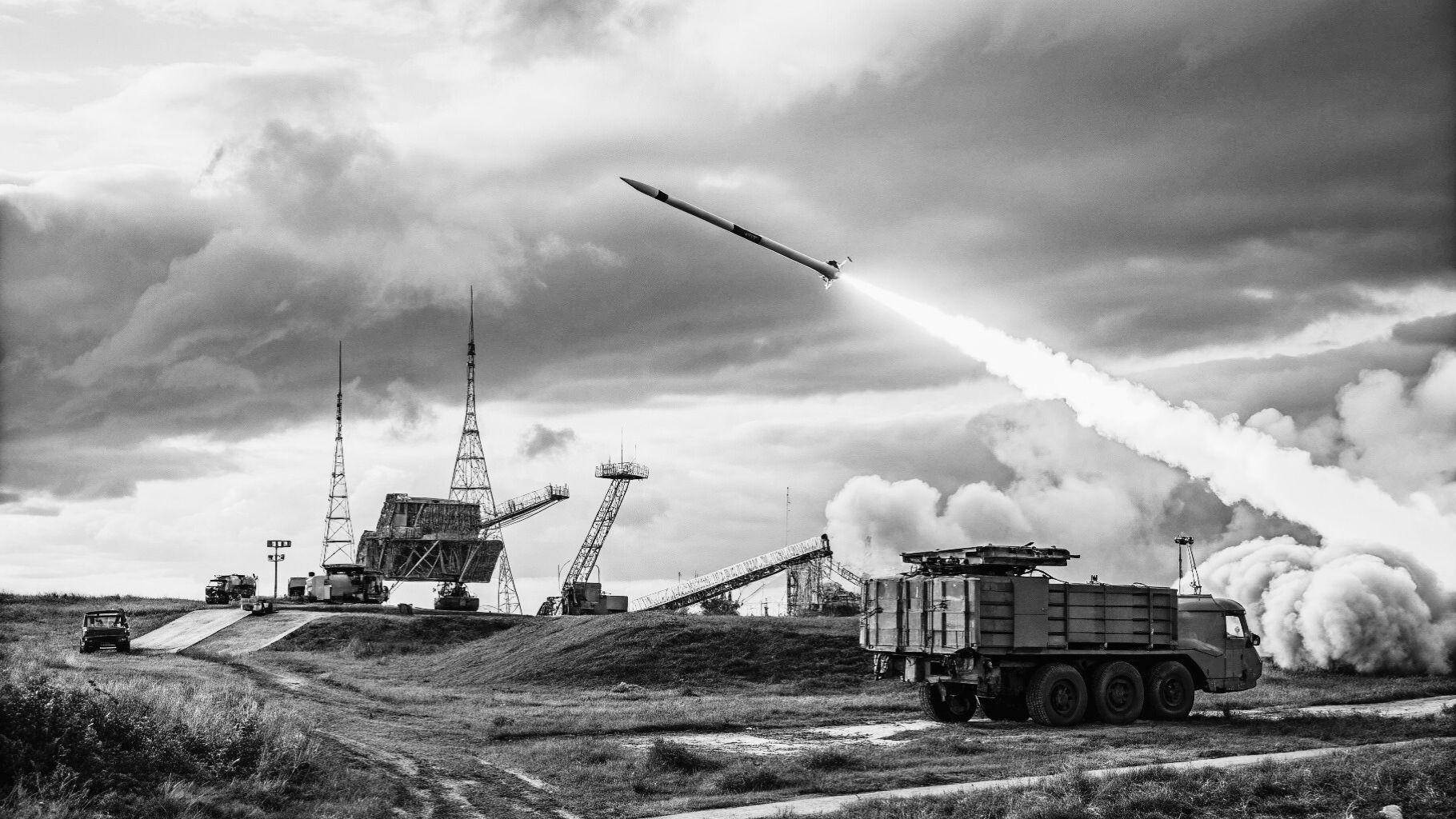
Bengaluru-based defense startup Vertotech Aerospace has unveiled V-RUDRA, an indigenous medium-range Surface-to-Air Missile (SAM) concept intended to strengthen air-defense capabilities against a wide range of aerial threats. The proposed system combines an extended engagement range, high supersonic speed, and dual-mode guidance, highlighting the company’s efforts to develop advanced missile technologies.
According to Vertotech Aerospace, V-RUDRA is designed to engage targets at ranges of up to 120 kilometers and reach speeds of approximately Mach 4.5. The missile is envisioned to counter threats such as fighter aircraft, helicopters, unmanned aerial vehicles (UAVs), cruise missiles, and other airborne targets within its engagement envelope.
A key feature of the proposed missile is its combined radar and electro-optical guidance architecture. Unlike systems that rely exclusively on radar tracking, V-RUDRA is intended to use both radar and optical guidance. This approach could improve target acquisition and engagement flexibility in contested electromagnetic environments where jamming, electronic warfare, or radar deception could affect radar-based systems.
Radar guidance would support long-range target detection and tracking, while the electro-optical seeker could provide additional target identification and terminal guidance. Combining these sensors could improve resistance to electronic countermeasures and enhance engagement performance against maneuvering or low-observable targets.
With a stated range of 120 kilometers, V-RUDRA would fall into the medium-range air-defense category. Systems in this class can provide layered protection for military installations, strategic infrastructure, command centers, industrial facilities, and deployed forces by intercepting hostile aircraft and missiles before they reach their targets.
The reported Mach 4.5 velocity could enable rapid interception and reduce the reaction time available to incoming threats. High-speed interceptors can be particularly valuable against fast-moving cruise missiles and tactical aircraft, allowing air-defense operators to engage threats at greater distances.
However, several technical details about V-RUDRA remain undisclosed. Vertotech Aerospace has not publicly detailed the missile’s propulsion system, dimensions, launch configuration, warhead, seeker specifications, command-and-control architecture, or supporting radar systems. The company has also not announced a development schedule or technology readiness level.
Developing a modern medium-range SAM requires the integration of advanced propulsion, precision guidance, secure communications, sophisticated seekers, command-and-control systems, and surveillance radars. Extensive ground and flight testing would be required to validate these technologies before the system could move toward operational deployment.
India already maintains a layered air-defense architecture that includes systems such as Akash, Akash-NG, MRSAM, QRSAM, VL-SRSAM, S-400 Triumf, and other specialized interceptors. The emergence of private-sector concepts such as V-RUDRA demonstrates the growing involvement of Indian startups in advanced defense technologies.
Government initiatives such as Innovations for Defence Excellence (iDEX), the Technology Development Fund (TDF), and Make-I and Make-II programs have encouraged greater private-sector participation in defense development. These programs have supported innovation across areas including missiles, electronic warfare, autonomous systems, aerospace platforms, and advanced subsystems.
Although V-RUDRA remains a developmental concept, its announcement reflects the increasing ambitions of India’s private defense industry. Successful maturation of the required technologies could allow the program to contribute to India’s expanding indigenous air-defense ecosystem with another potential medium-range interception capability.