Astra Microwave Products expects to receive formal production orders for the first three regiments of India’s Quick Reaction Surface-to-Air Missile (QRSAM) system before the end of 2026. The anticipated orders could create a significant new revenue opportunity for the defense electronics company.
The expectation comes as Astra prepares to enter the QRSAM production phase after supplying critical electronic subsystems for the indigenous air-defense program. Recent analyst research suggests the company has already begun receiving FOPM sub-orders and expects formal production orders once Bharat Electronics Limited (BEL) secures the main contract.
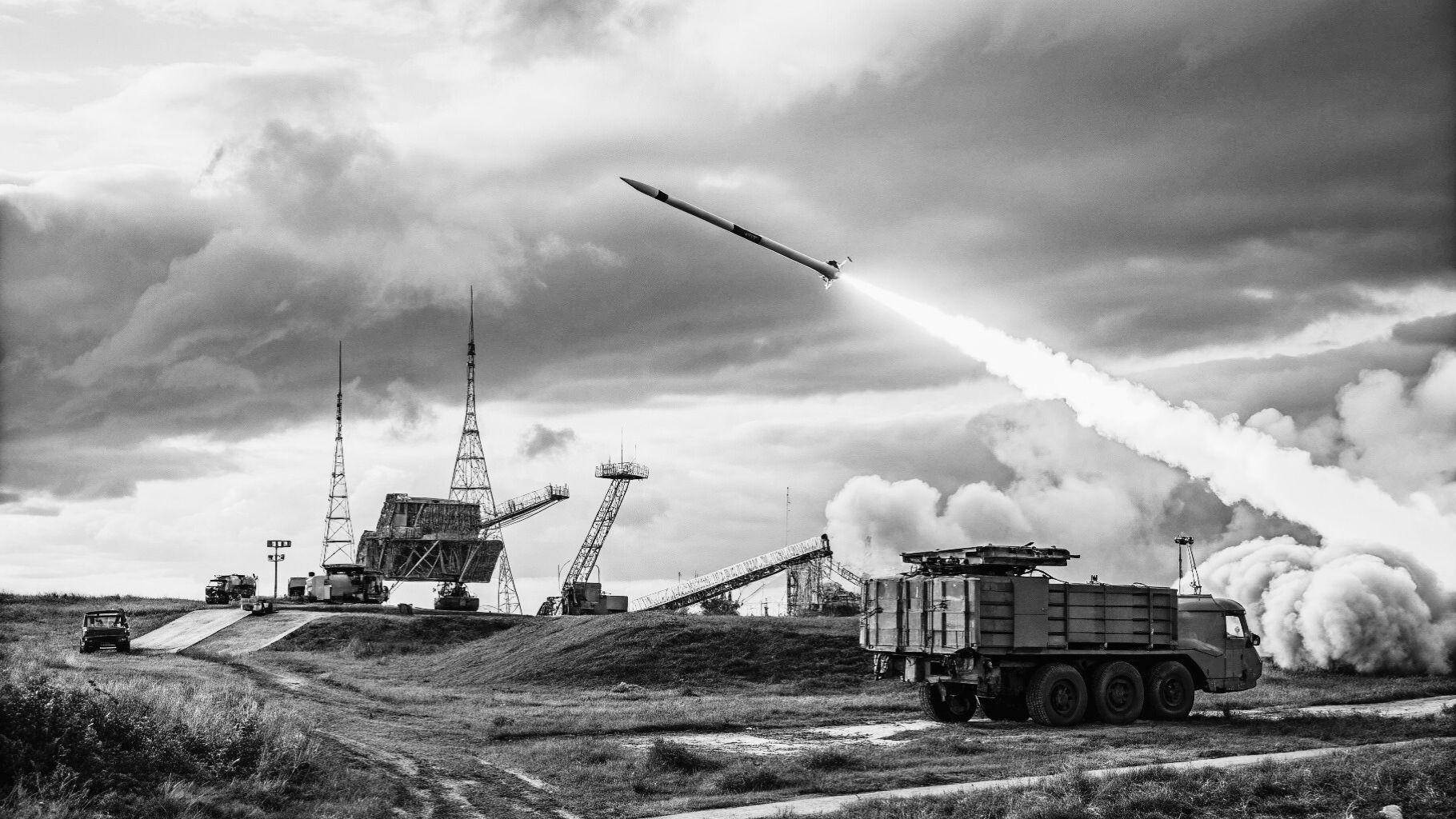
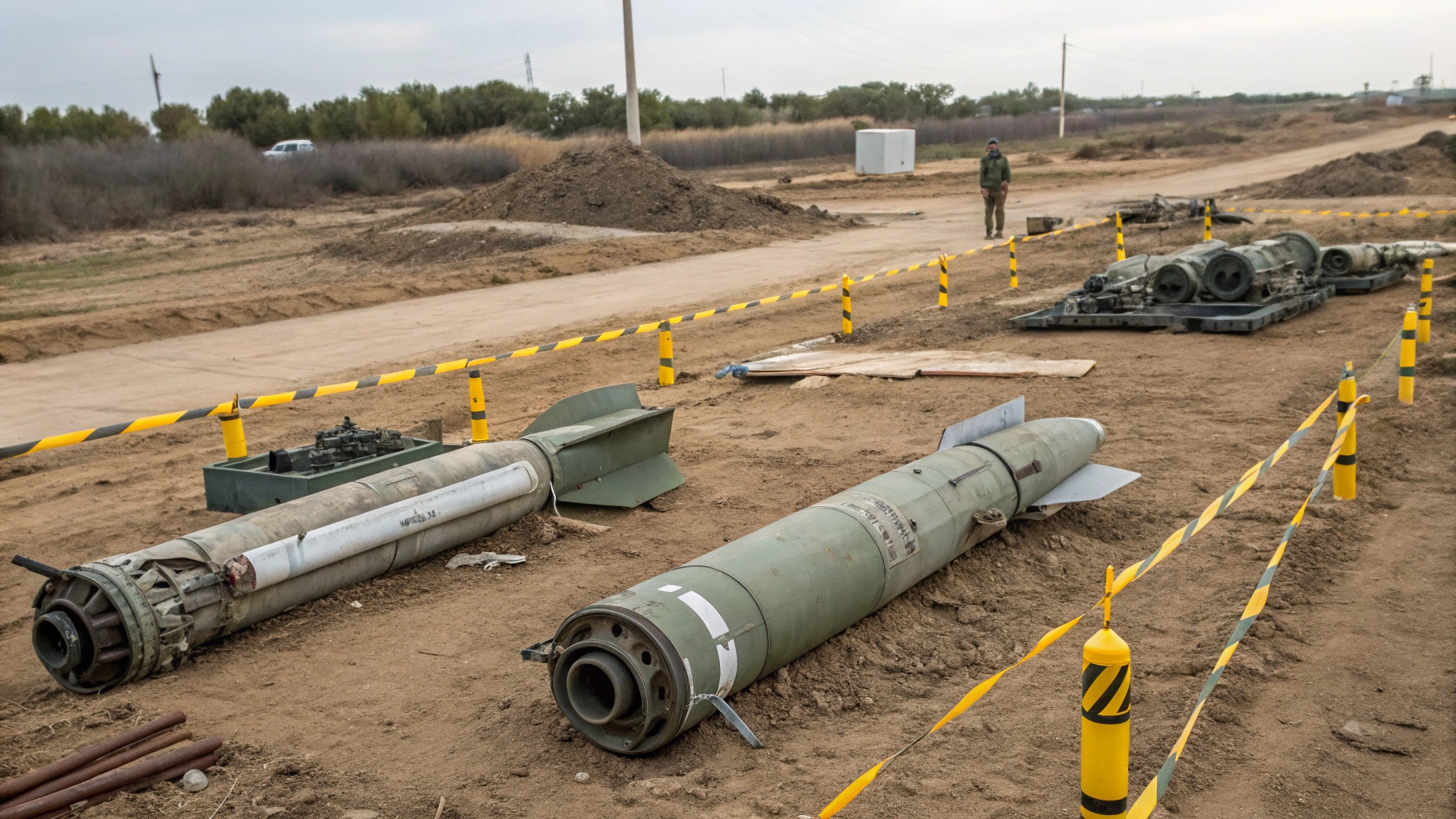
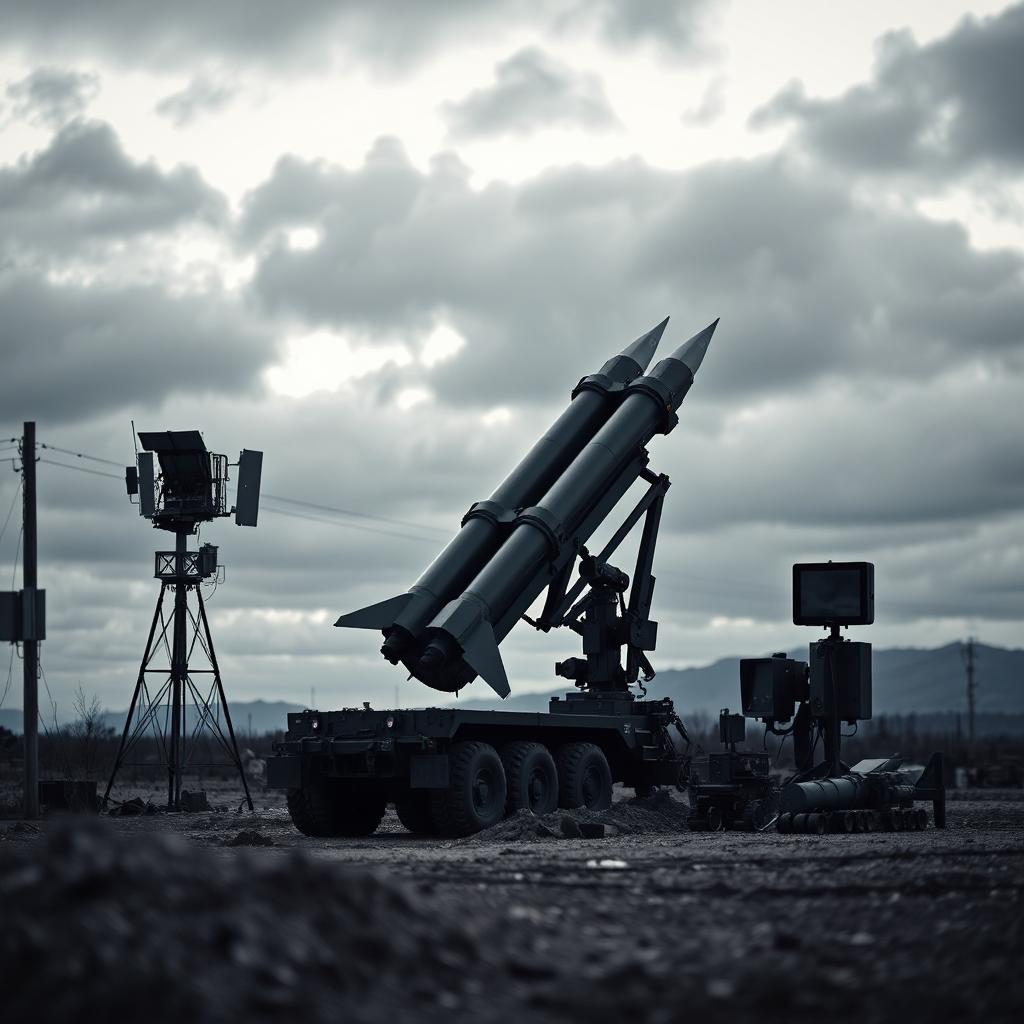
Developed for the Indian Army, QRSAM is a highly mobile short-range air-defense system designed to protect mechanized formations and other high-value assets from various aerial threats. The system integrates mobile launchers, missiles, surveillance and tracking radars, command-and-control systems, and supporting equipment.
For Astra Microwave, QRSAM represents an important production opportunity because of its role in supplying electronic subsystems for the program. The company has previously identified QRSAM as a major defense program expected to transition from development and subsystem deliveries to large-scale production.
The potential three-regiment order is particularly important because it could generate near-term revenue before Astra’s larger Uttam AESA radar program reaches full production. The company recently secured a HAL order worth more than ₹205 crore related to the Uttam radar program and is preparing to increase production capacity.
The QRSAM opportunity also aligns with India’s broader efforts to strengthen its indigenous, layered air-defense network. The armed forces are increasingly focused on countering threats such as aircraft, helicopters, cruise missiles, and unmanned systems. QRSAM’s mobility and rapid-response capabilities make it well suited to supporting maneuvering forces.
Production orders are expected to follow the procurement process being managed through BEL. Previous order-pipeline assessments indicated that Astra could receive production orders around three to four months after the BEL contract is awarded.
Astra’s management has also indicated that QRSAM revenue could begin contributing in FY27 as the program moves toward production. If the first three-regiment orders are secured before the end of 2026, QRSAM could become a key near-term growth driver for the company and demonstrate its ability to convert indigenous defense development programs into recurring production business.