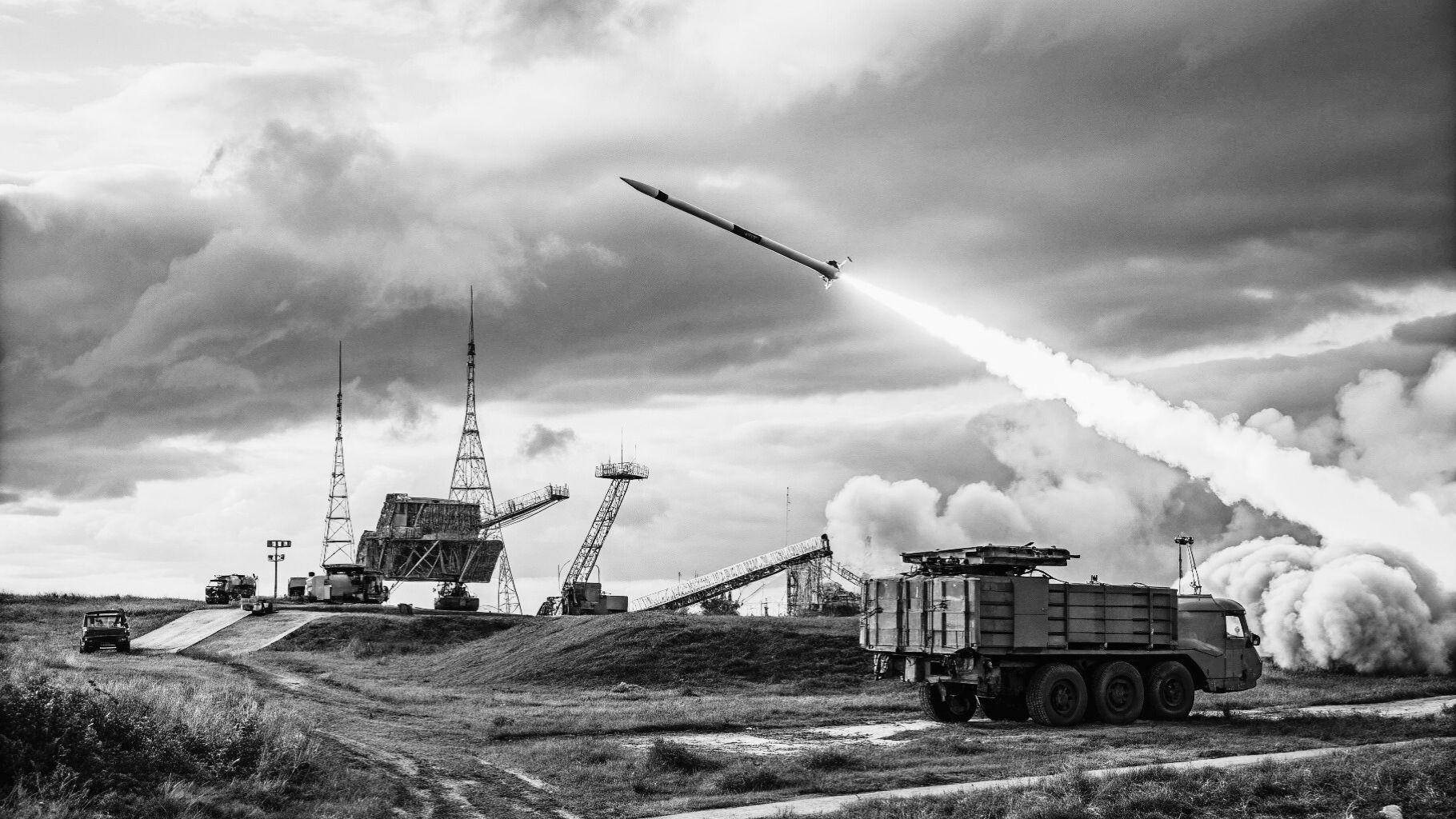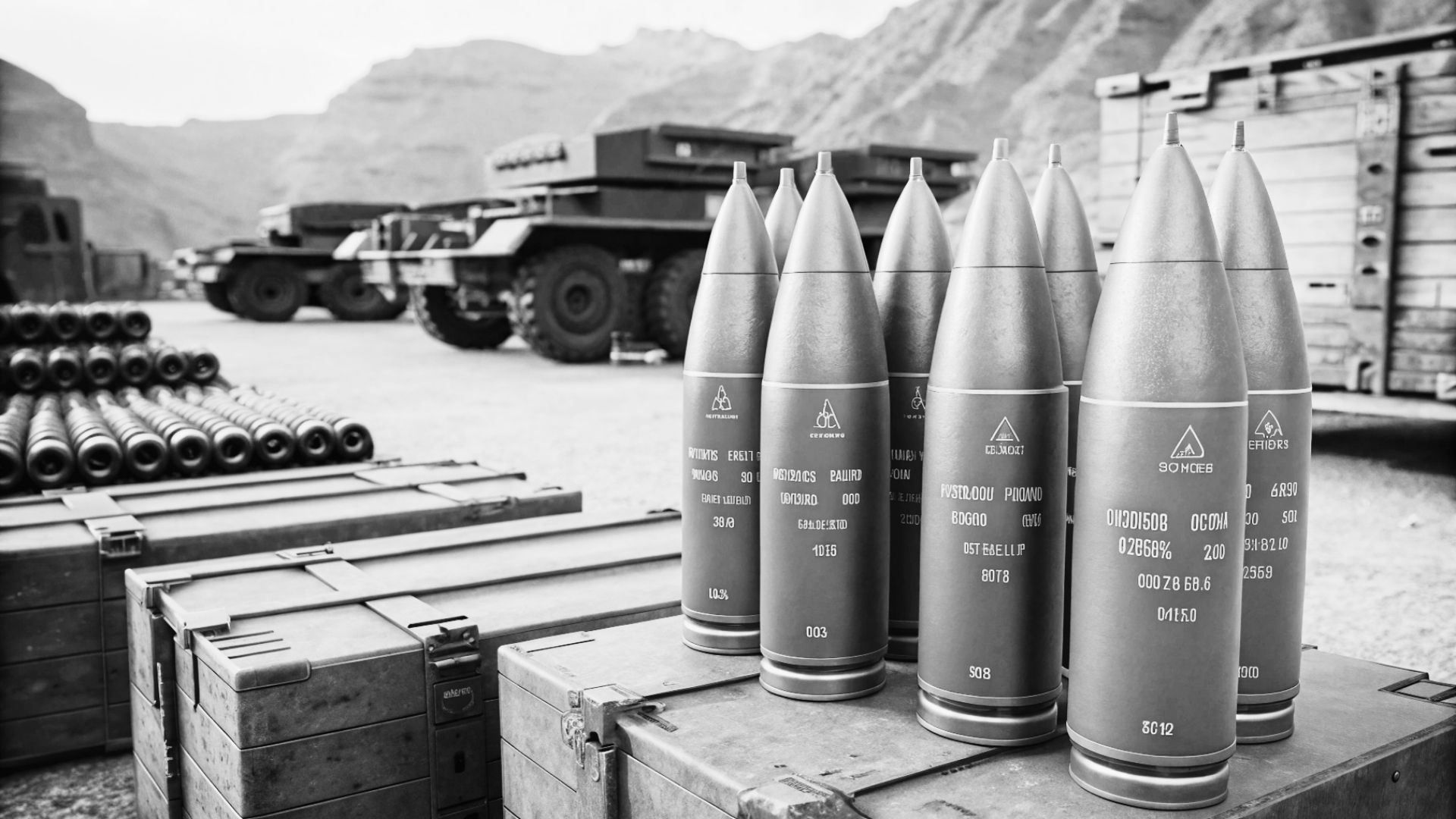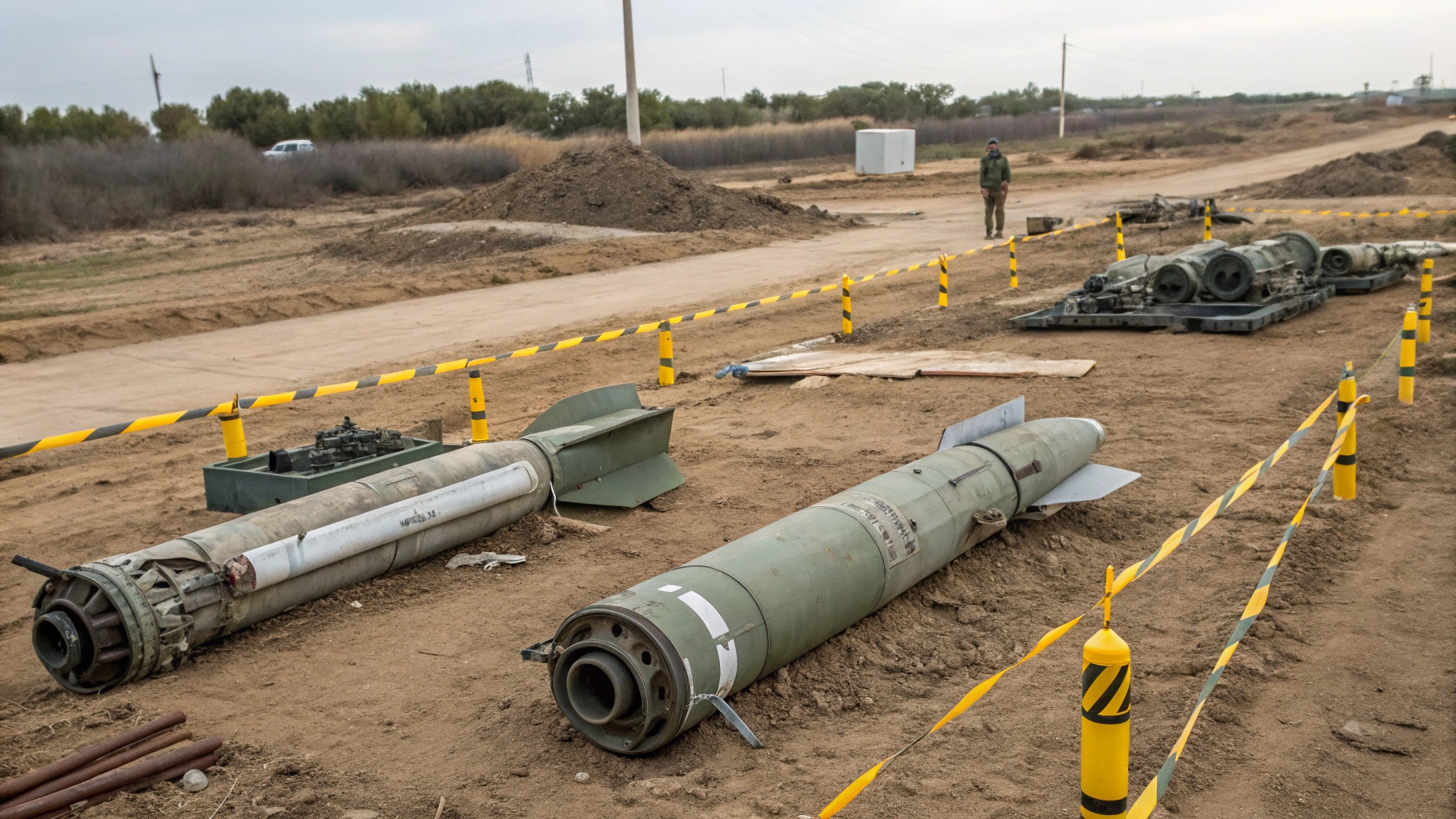

The US Department of Defense has entered into two seven-year framework agreements with Boeing and RTX to boost production of essential components for the Standard Missile-3 (SM-3) Block IB and Block IIA interceptors, which play a key role in the US Navy’s ship-based ballistic missile defense network.
Under the agreements, Boeing will scale up the production of avionics and ejector assemblies for both interceptor variants, supporting higher manufacturing rates for missiles integrated with the Aegis Ballistic Missile Defense System. The framework also enables Boeing to begin component production while the three parties continue negotiations on a multi-year production contract.
Missile Production Expansion
The initiative supports the administration’s “Arsenal of Freedom” program and the Pentagon’s broader efforts to accelerate the delivery of critical defense capabilities. It follows a separate contract awarded to Lockheed Martin, valued at up to $53.86 billion, to increase production of PAC-3 Missile Segment Enhancement (MSE) interceptors through 2033.
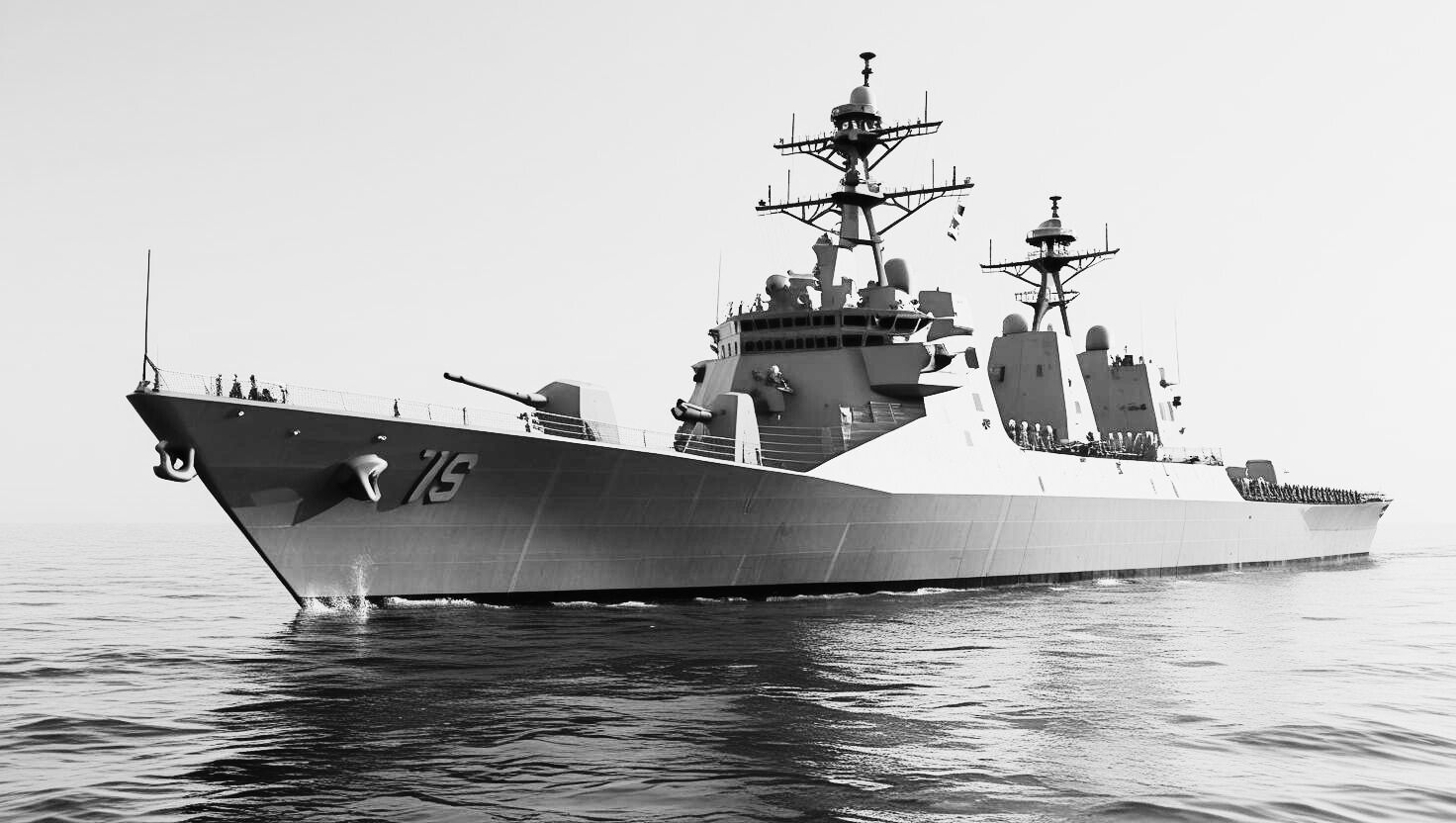
The US Navy and Lockheed Martin are also working to integrate the PAC-3 MSE interceptor, originally developed for the US Army’s Patriot air defense system, with the Aegis combat system deployed aboard Ticonderoga-class cruisers and Arleigh Burke-class destroyers. The integration is expected to strengthen the Navy’s layered air and missile defense capabilities against evolving threats.
Separately, Lockheed Martin has secured another multibillion-dollar contract to expand the production of Terminal High Altitude Area Defense (THAAD) interceptors, designed to destroy ballistic missile threats both inside and outside Earth’s atmosphere.