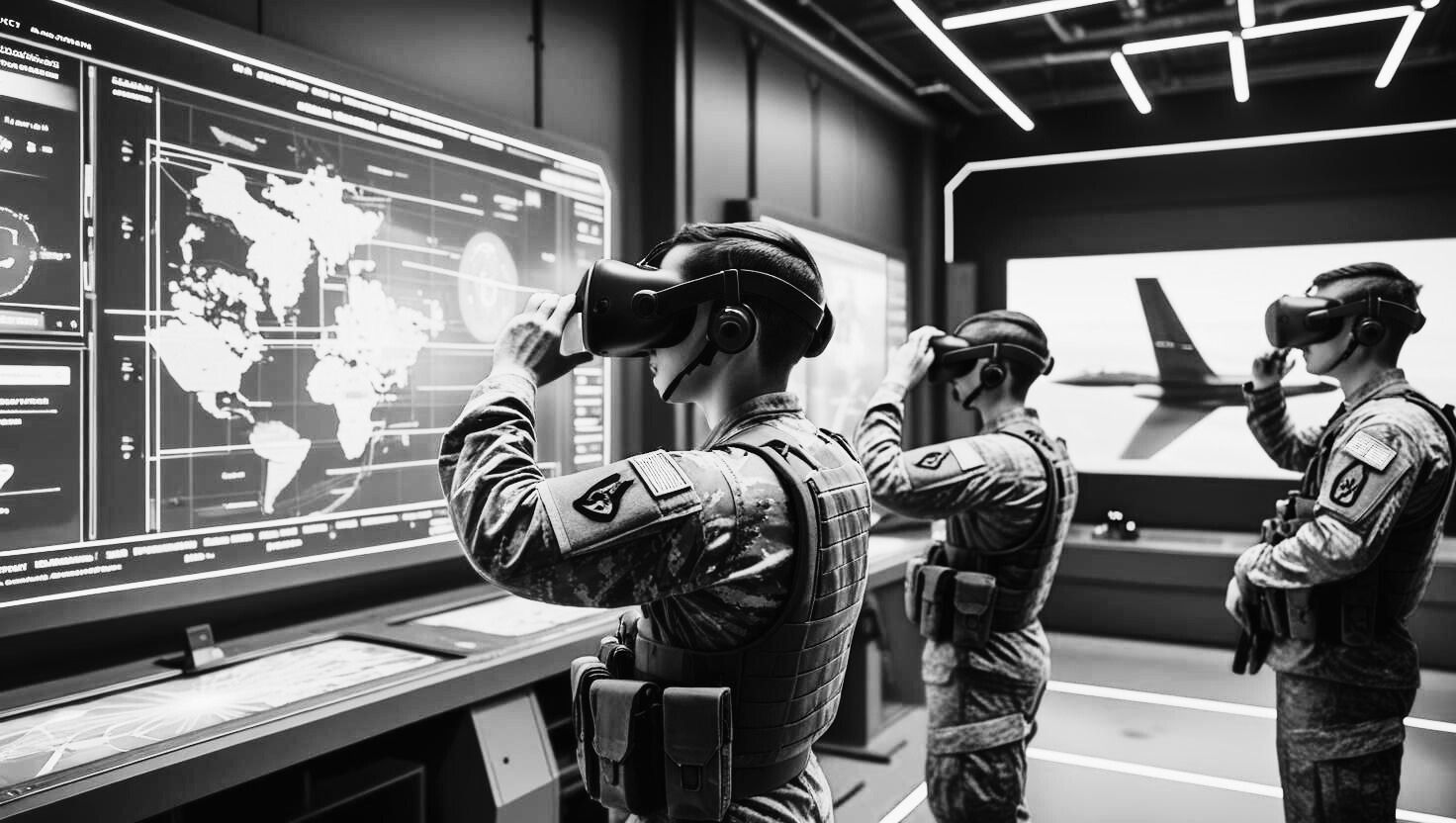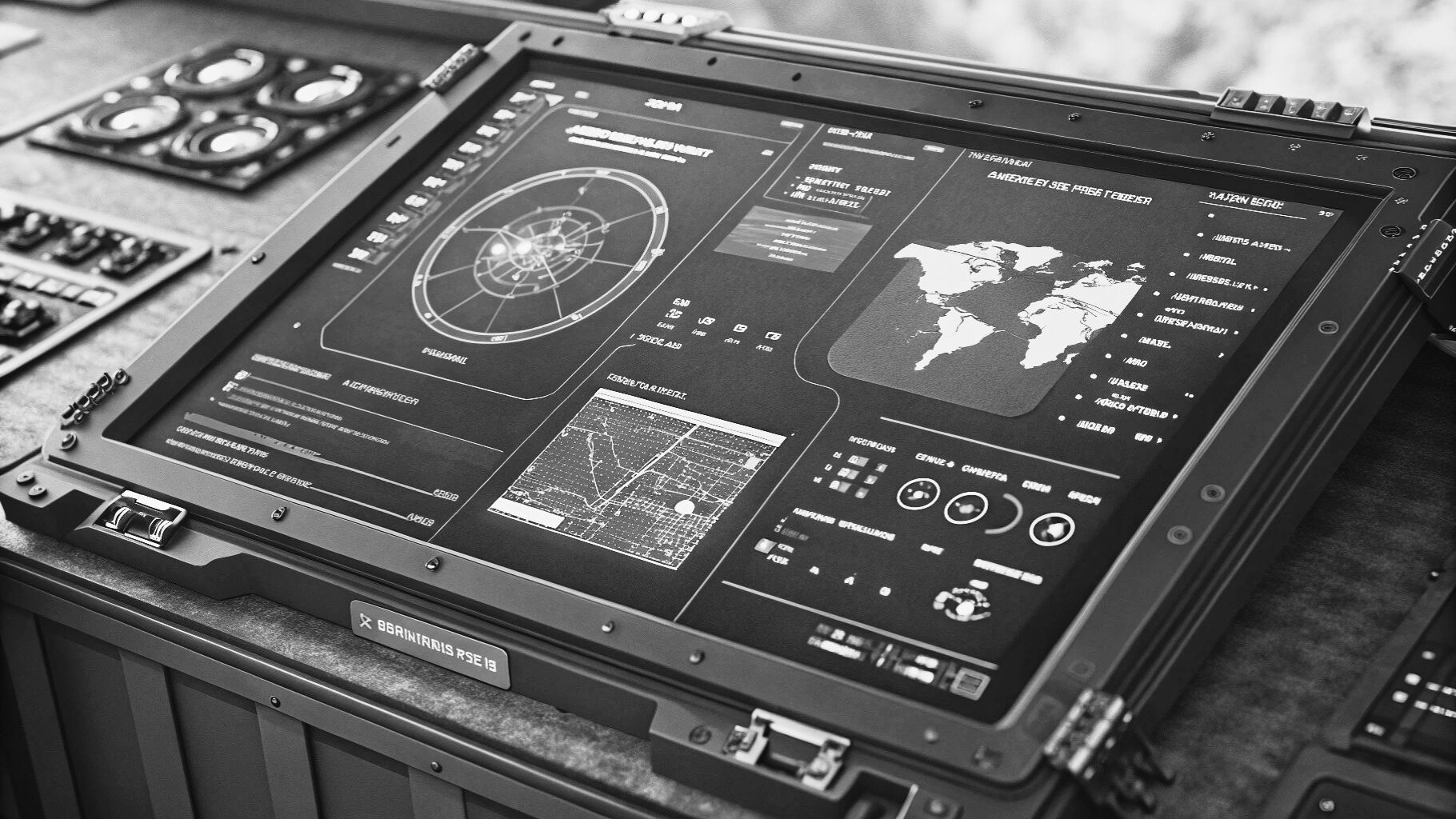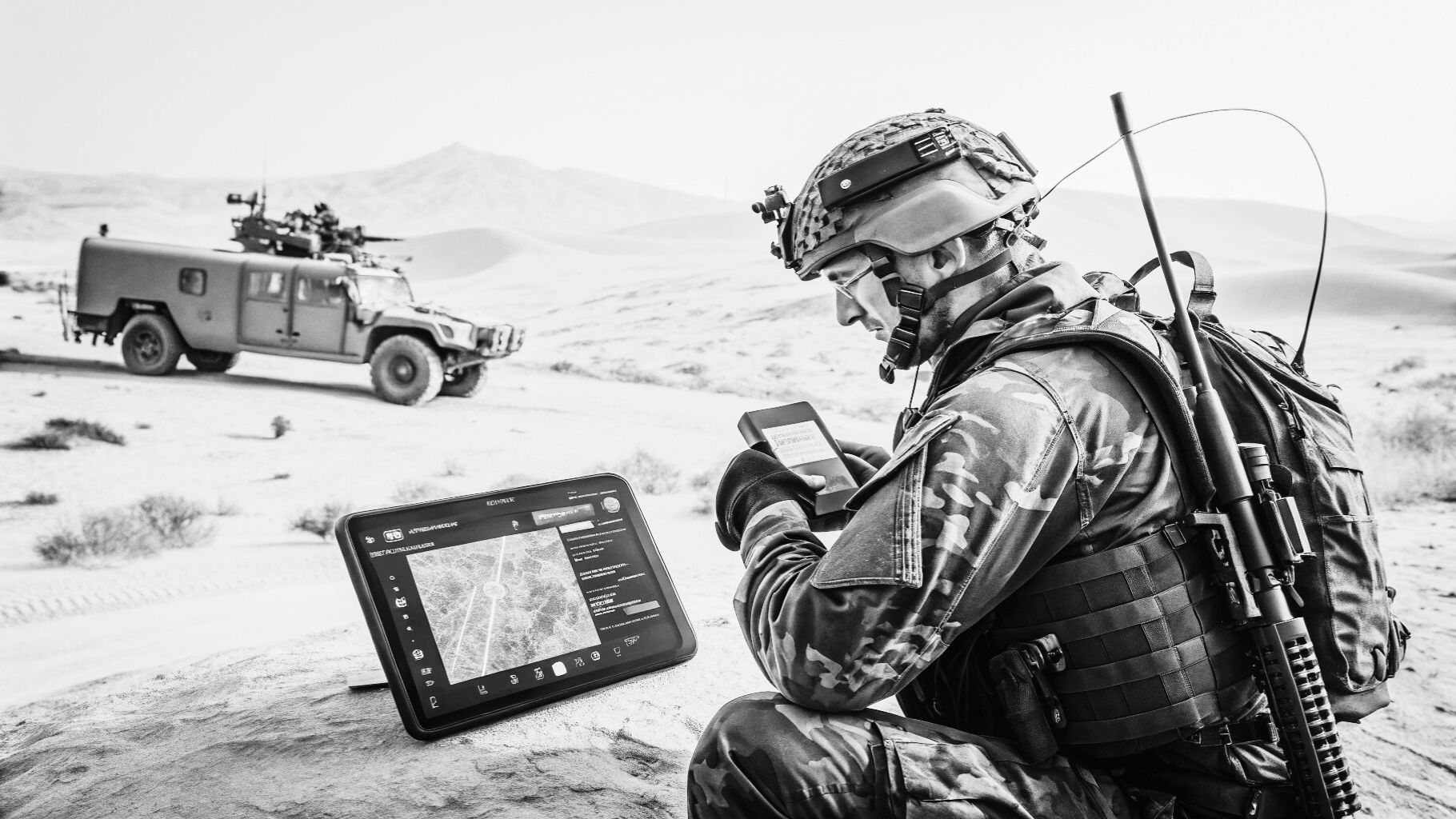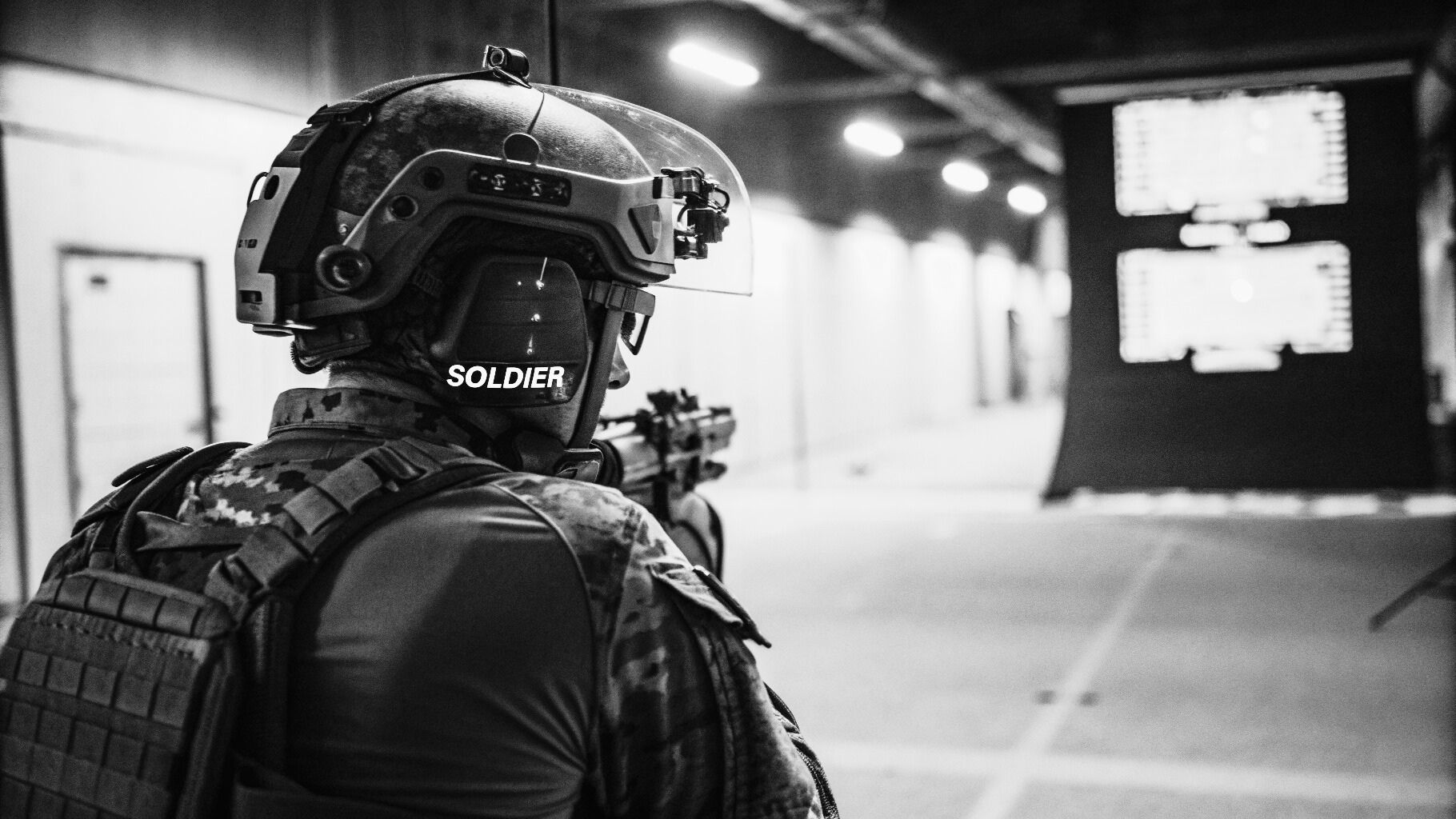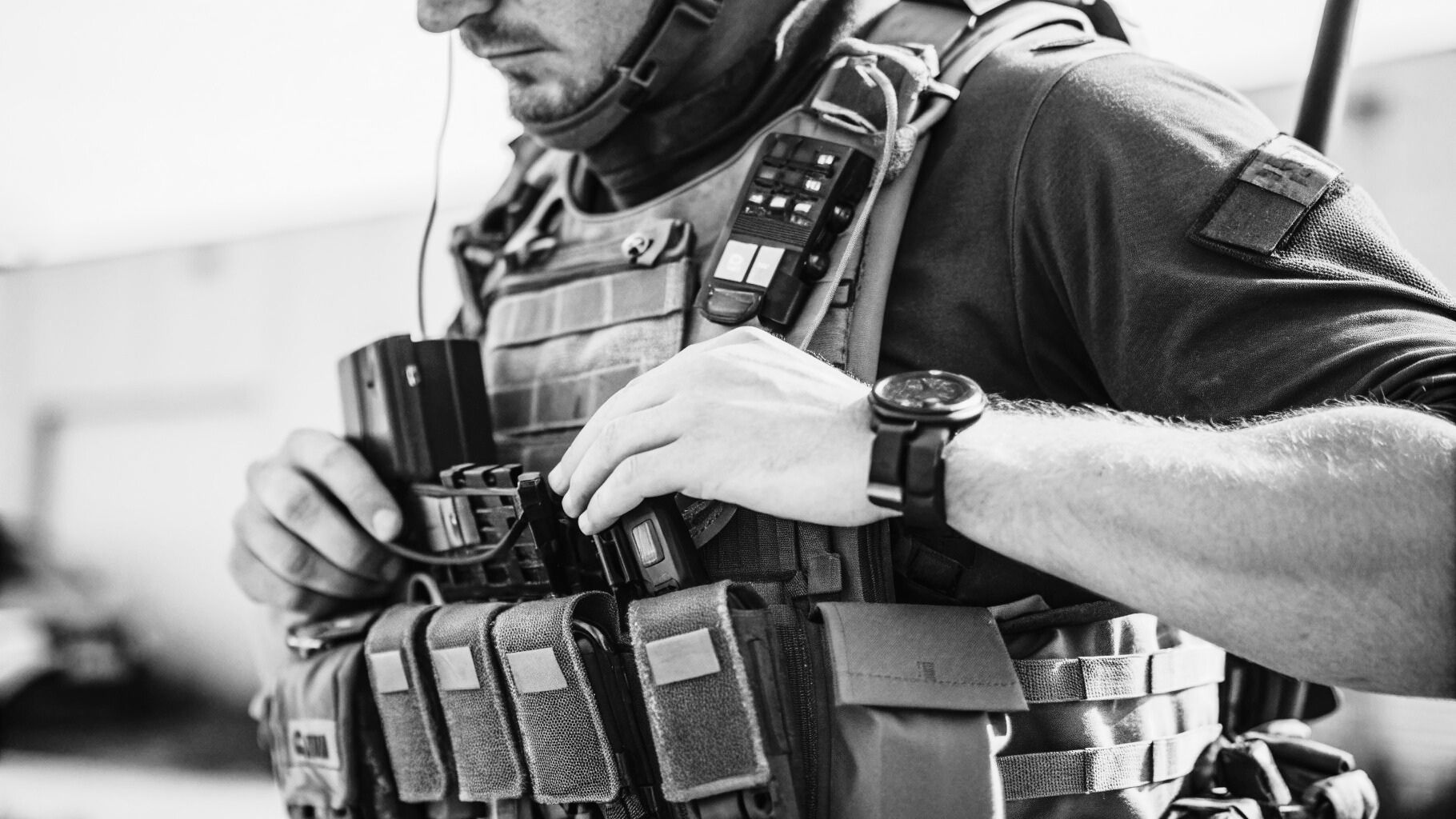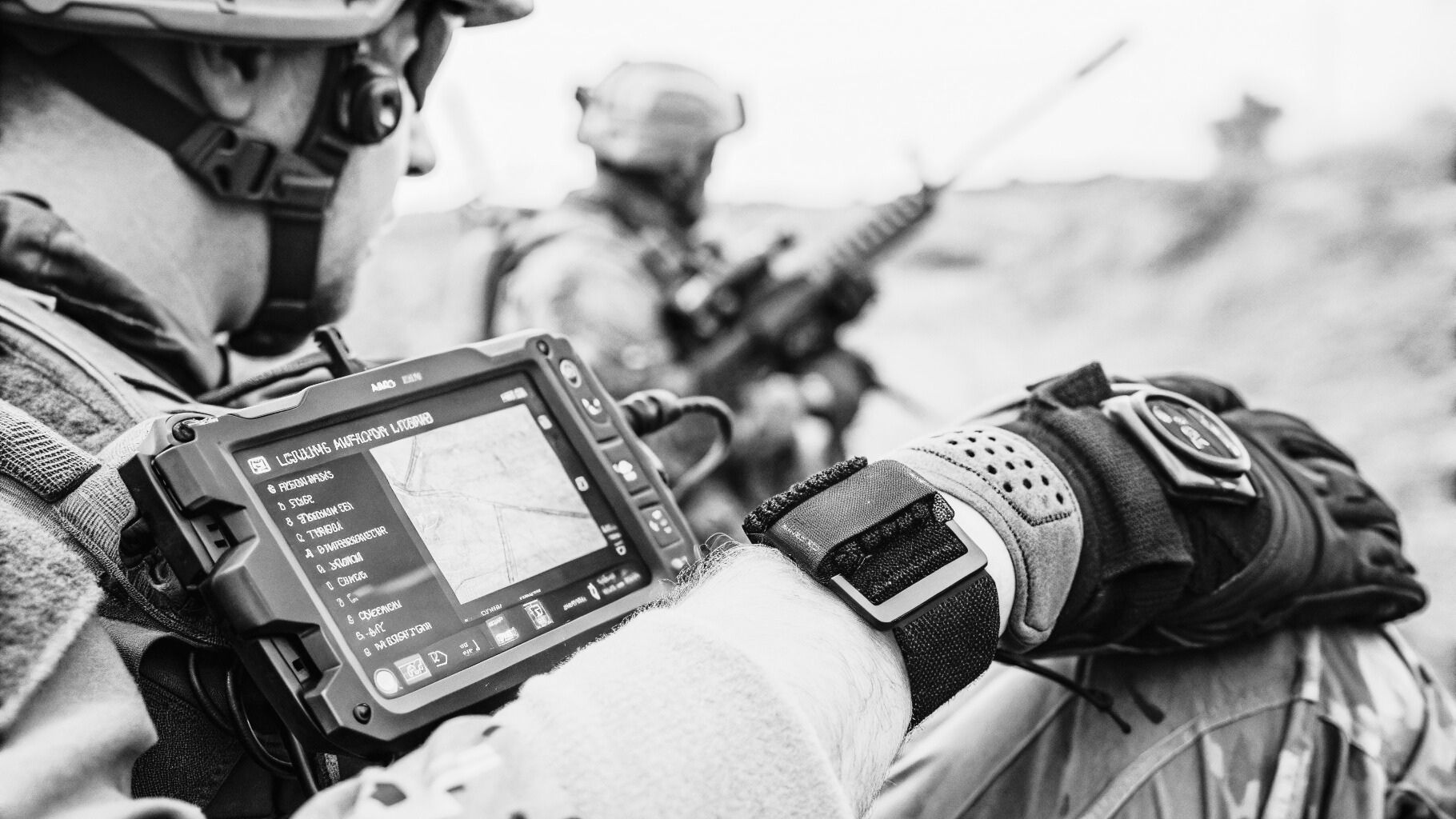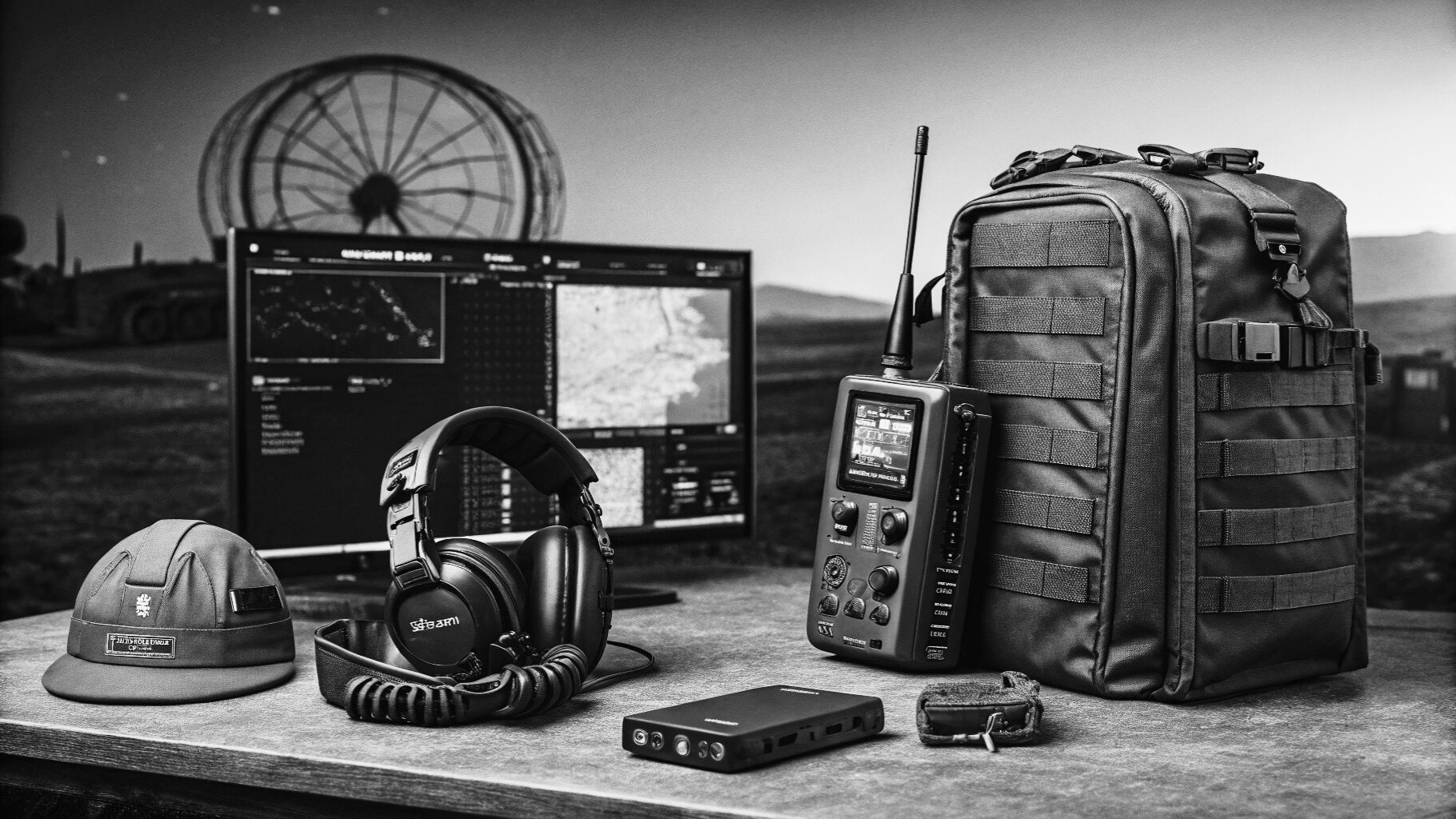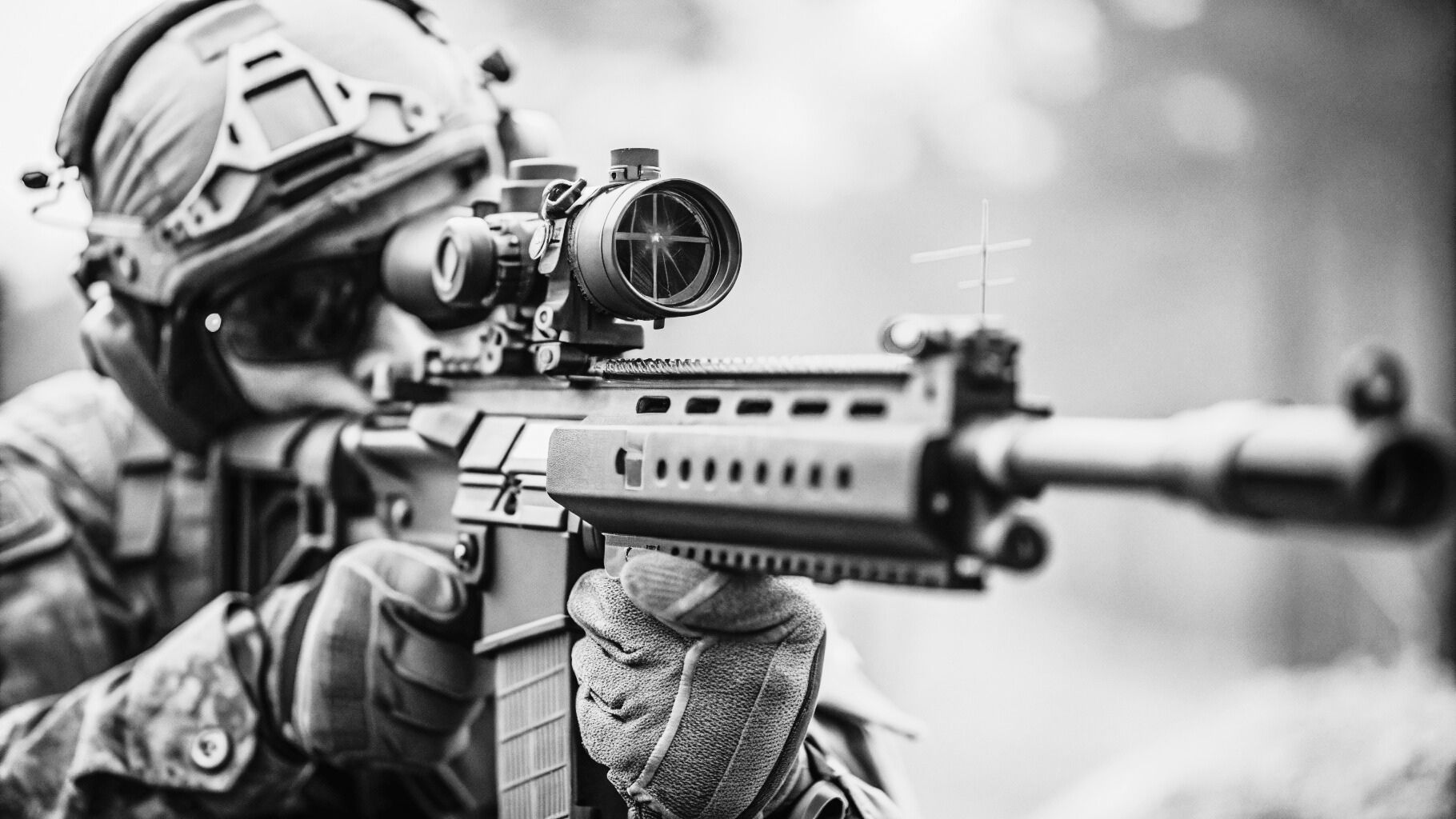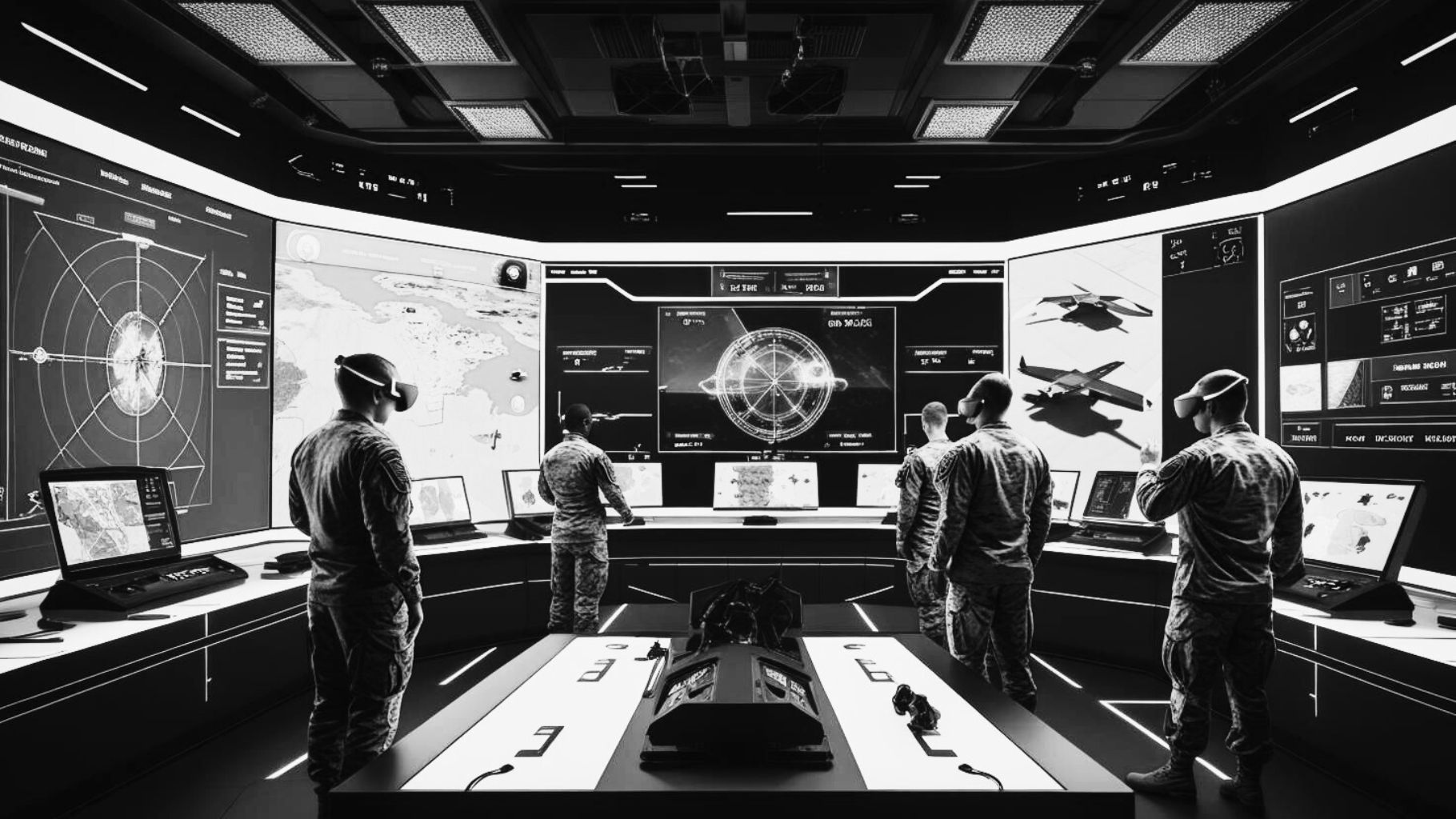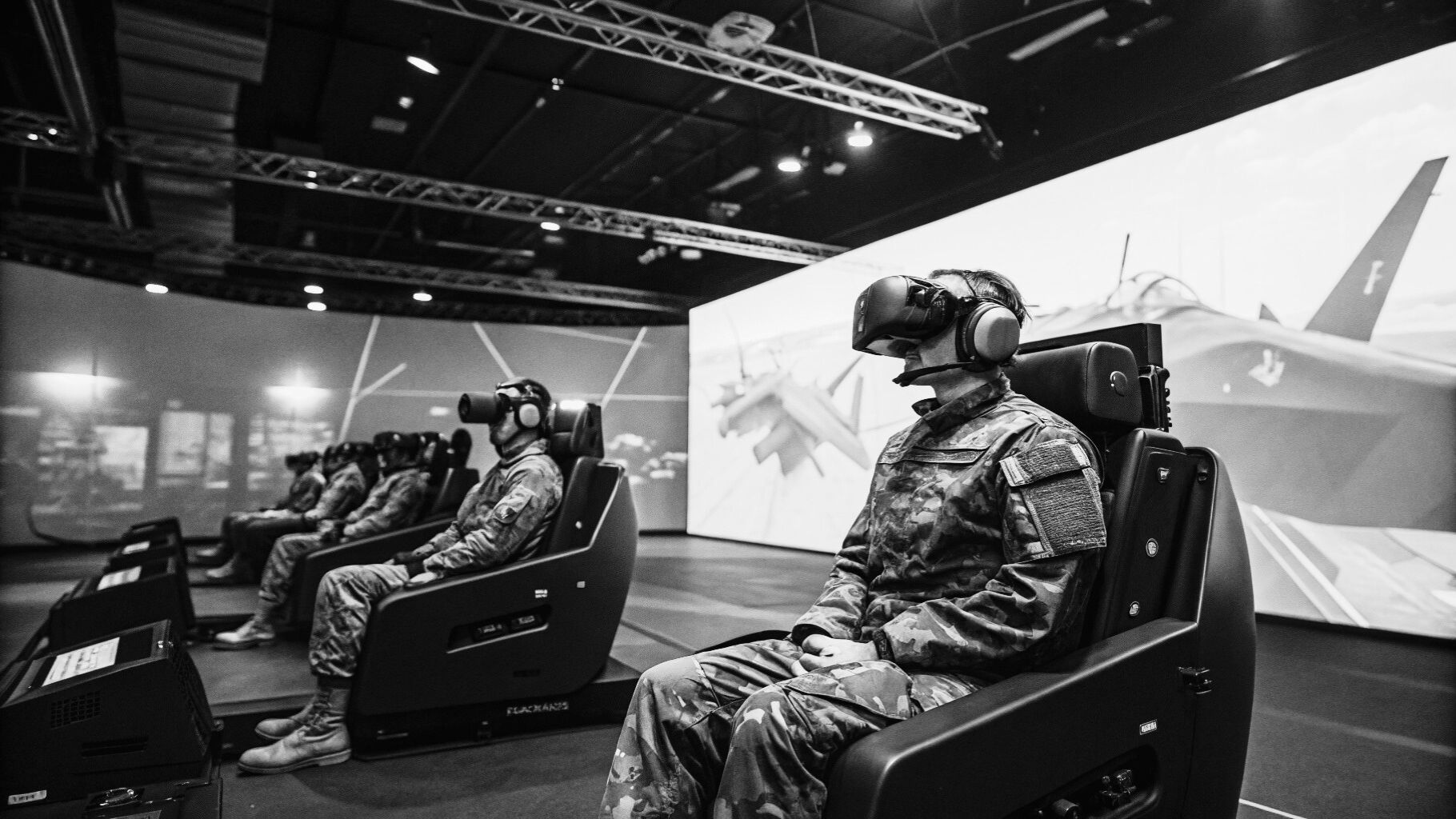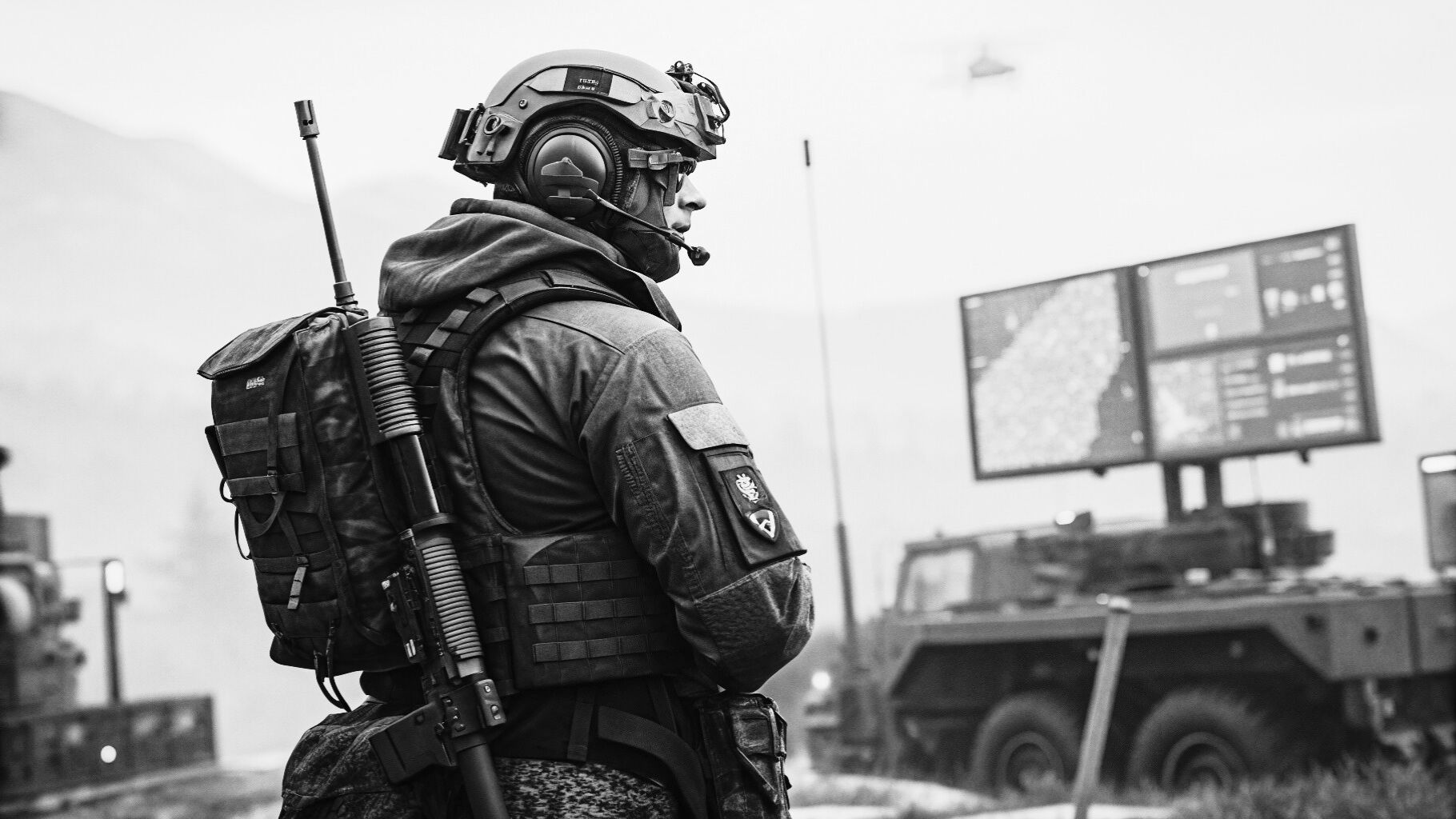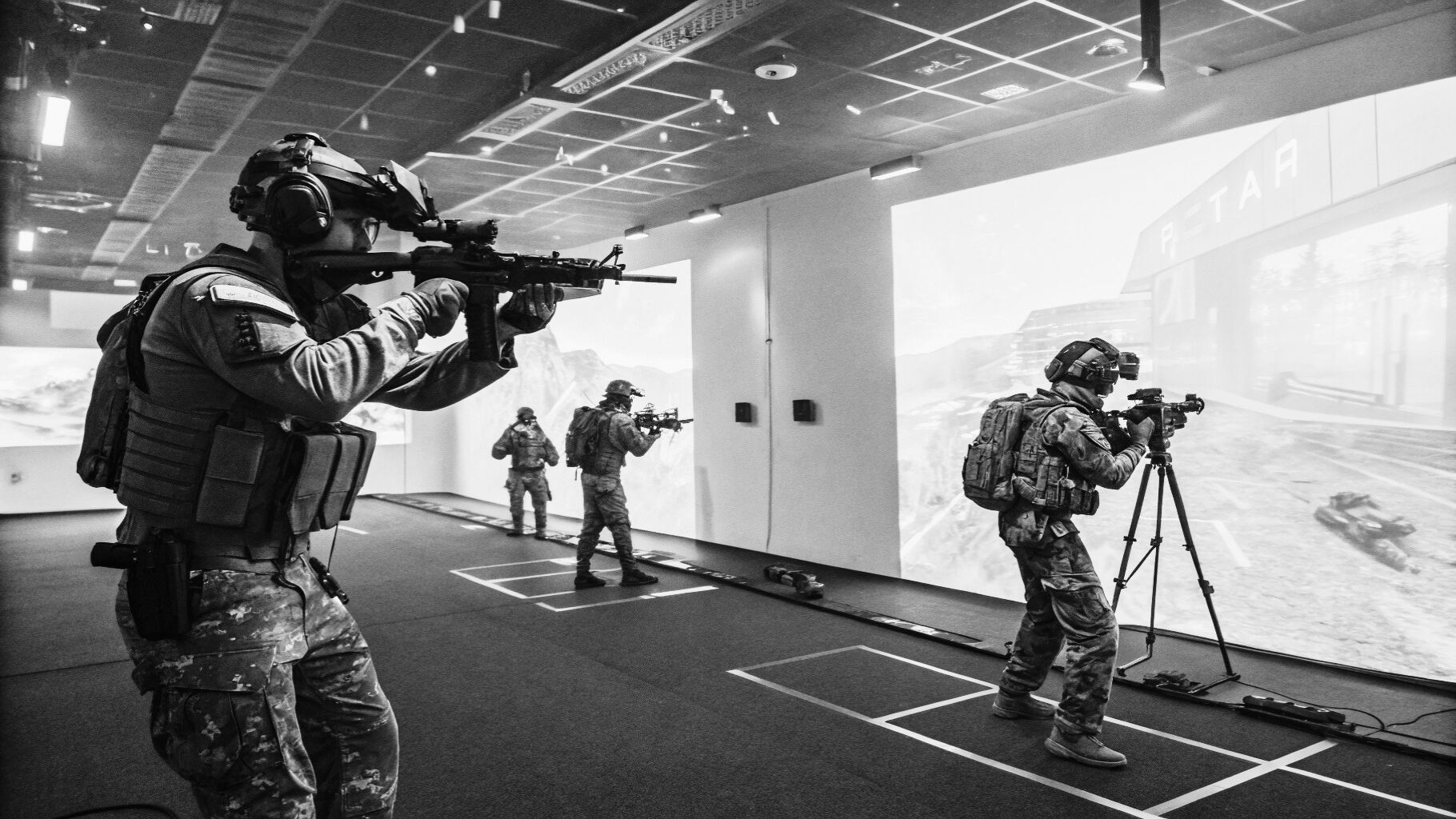
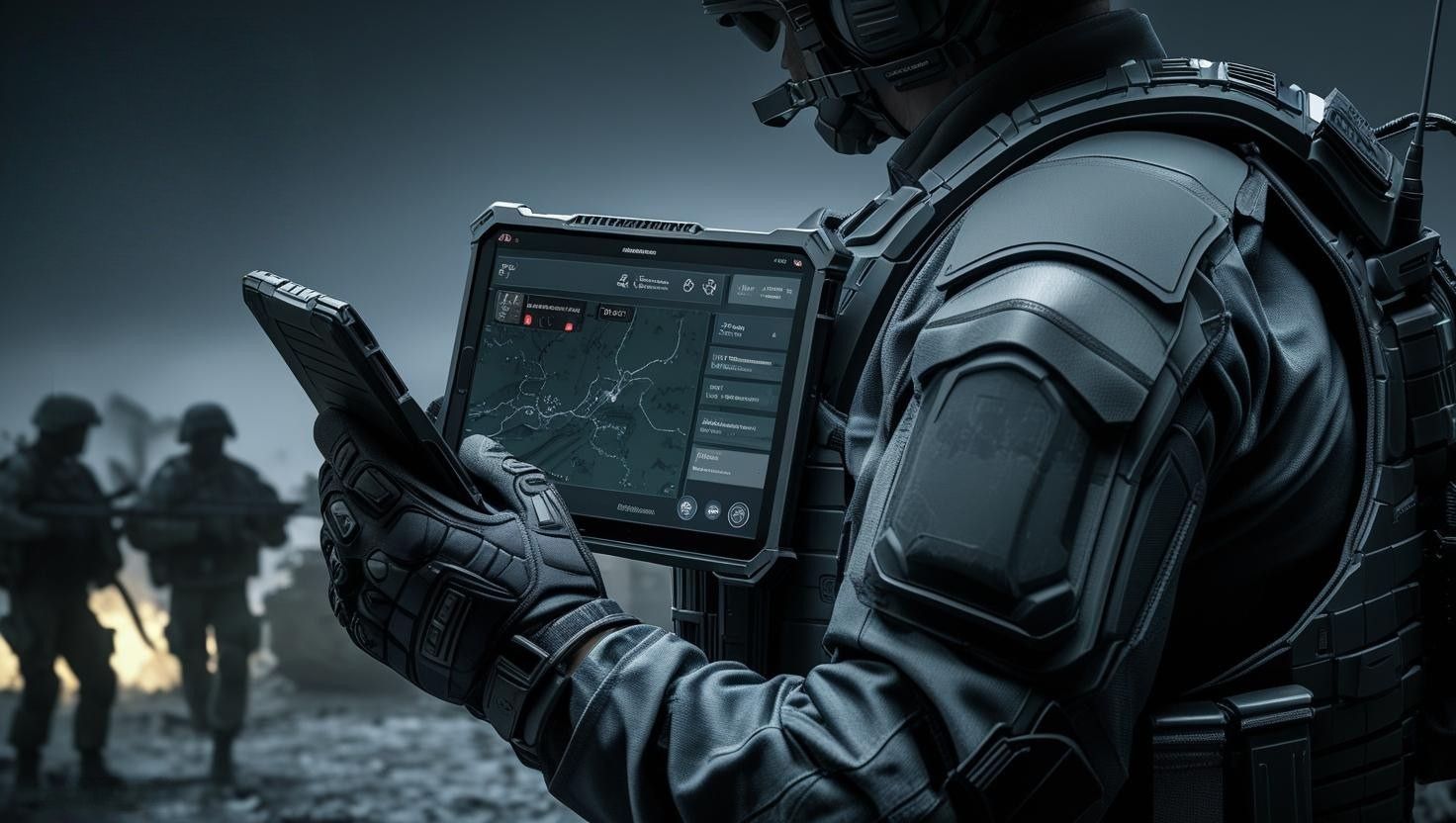
The US Army has awarded Elbit America a $120.5-million contract to develop a helmet-mounted mission command system designed to combine data from multiple battlefield sensors into a single visual display, improving situational awareness for dismounted troops.
Known as the Soldier Borne Mission Command (SBMC) system, the technology will allow soldiers to share visual intelligence and threat information in real time across their units, enhancing the speed and accuracy of collective battlefield awareness.
The company said the system will remain operational even in denied or degraded communications environments.
To support development, Elbit America is working with Booz Allen Hamilton to build the software architecture for SBMC. The platform will integrate extended reality capabilities, network connectivity, and artificial intelligence-driven analytics.
Visual Augmentation System Follow-Up
The SBMC initiative follows the challenges faced by the Integrated Visual Augmentation System program, which experienced several technical and usability problems during testing. Soldiers reported issues such as headaches, nausea, and eyestrain with earlier device versions.
In response, the SBMC program is designed to provide a broader mission-command and sensor-fusion capability rather than focusing solely on an augmented-reality headset.
The program is being developed through rapid prototyping contracts with multiple defense technology firms to speed up next-generation capabilities for soldiers.
Under the effort, Anduril Industries and Rivet Industries have received contracts to develop night-vision and mixed-reality systems. Separately, Anduril has also been tasked with developing the SBMC software framework, enabling the data viewed by soldiers to be integrated with higher command networks.