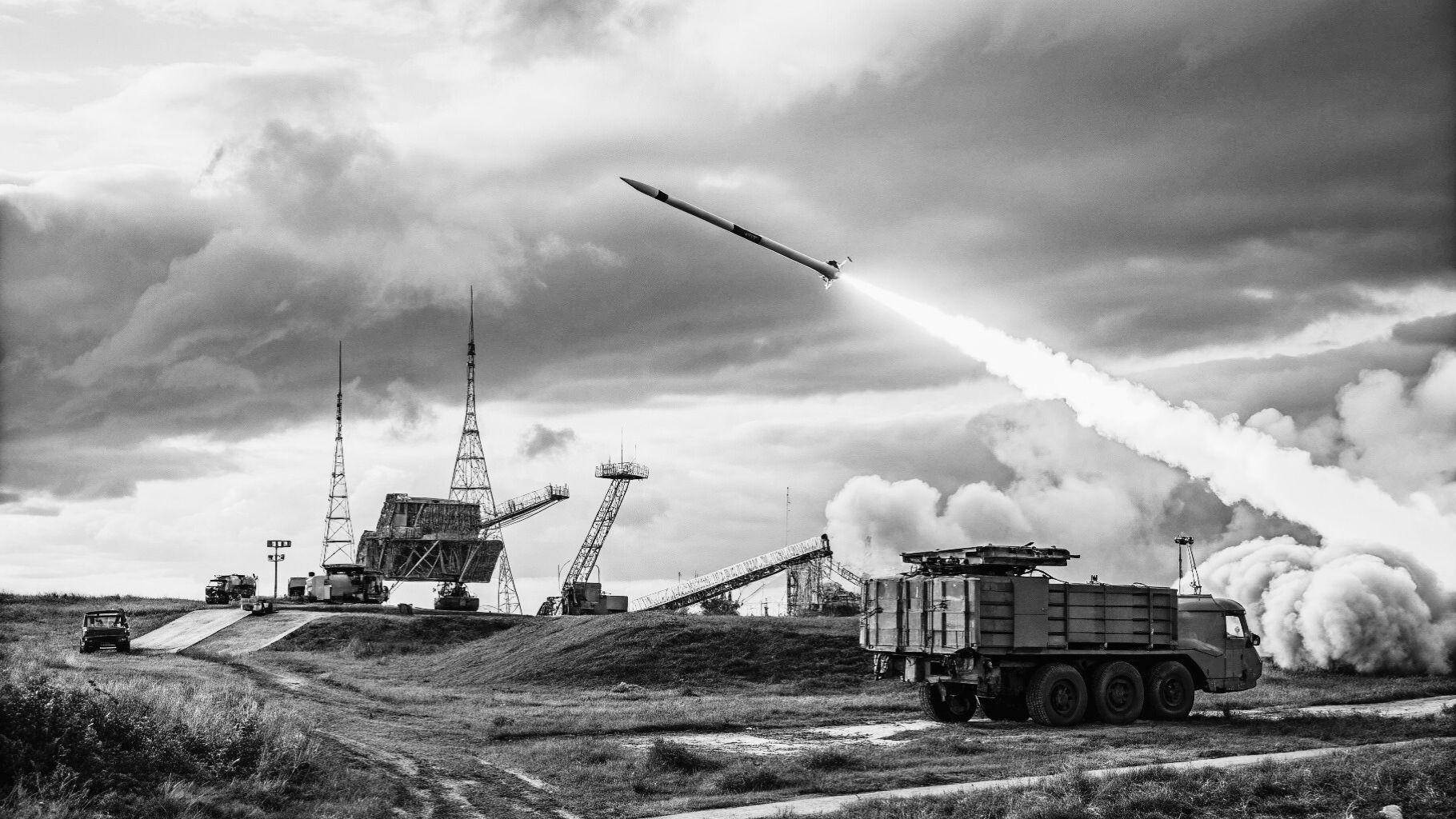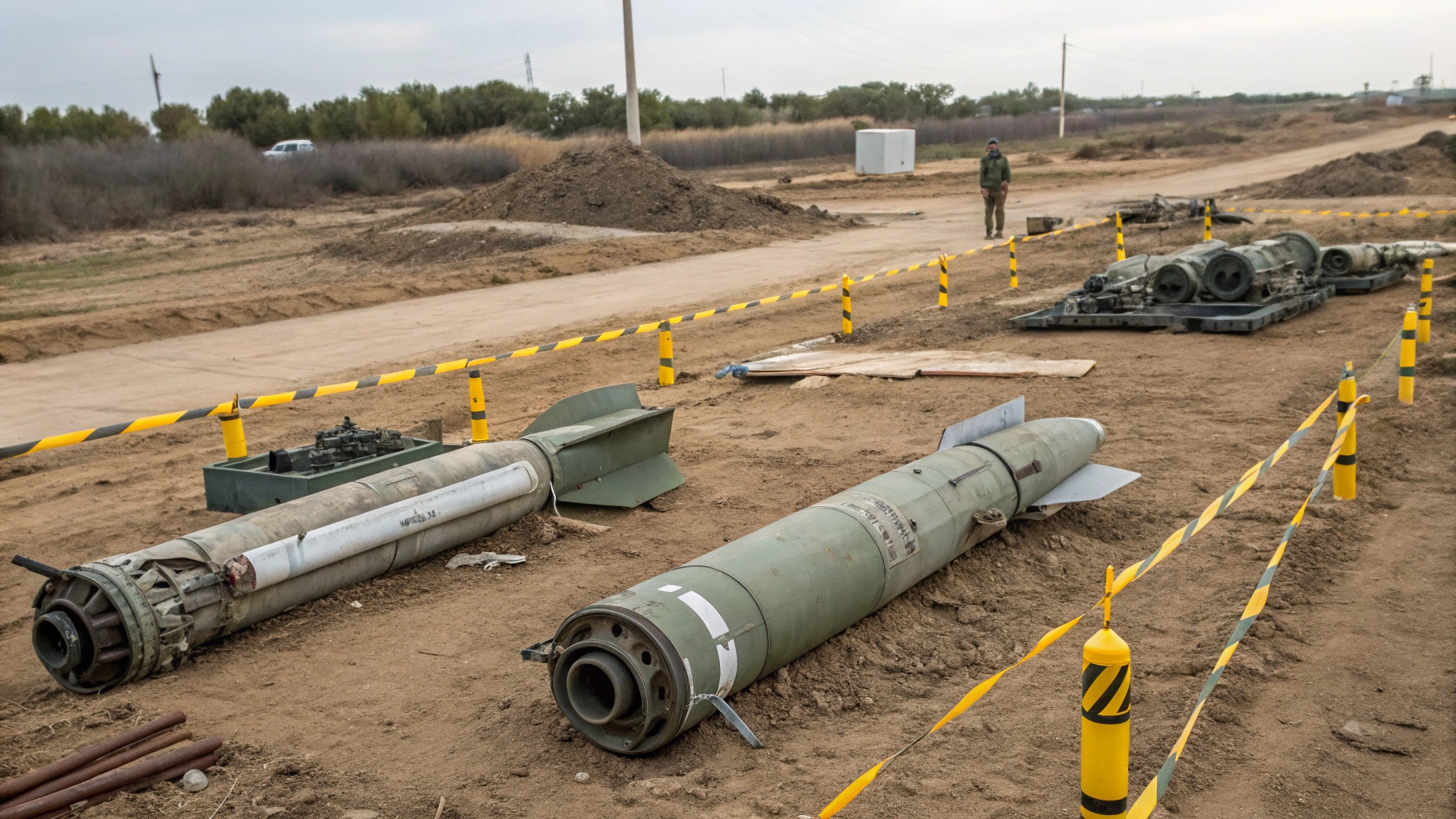
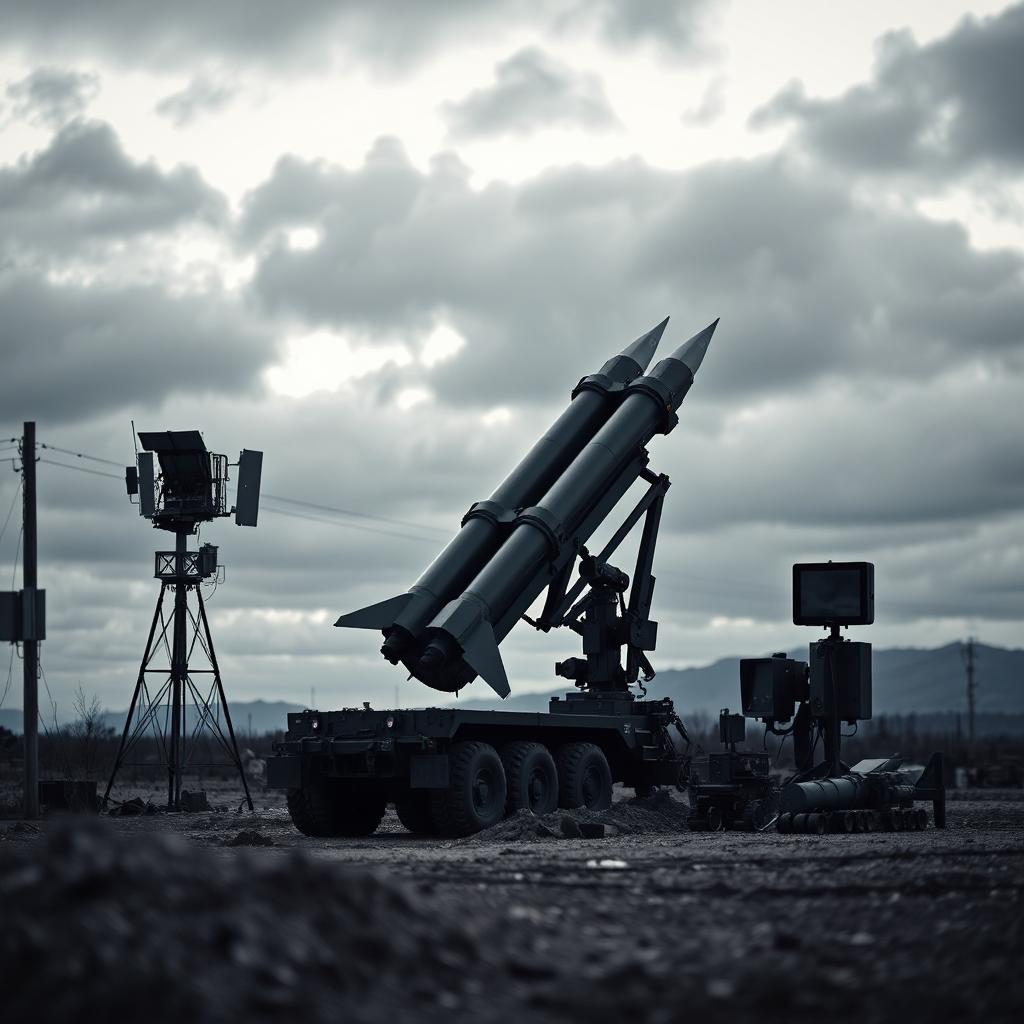
Russian industry sources indicate that Moscow has formally proposed the 3M-14E Kalibr-PL submarine-launched land-attack cruise missile to the Indian Navy in response to its 2026 Request for Information (RFI) for long-range LACMs. The offer is being positioned as a ready-to-induct, high-performance solution that significantly exceeds the Navy’s baseline requirements and could rapidly strengthen India’s underwater strike capabilities.
While the RFI specifies a desired strike range of 50 km to over 500 km, the Kalibr-PL is reportedly capable of reaching around 1,500 km. This extended range would allow Indian submarines to strike deep inland targets from standoff distances far beyond adversary anti-submarine warfare envelopes, marking a major shift in India’s maritime deterrence posture.
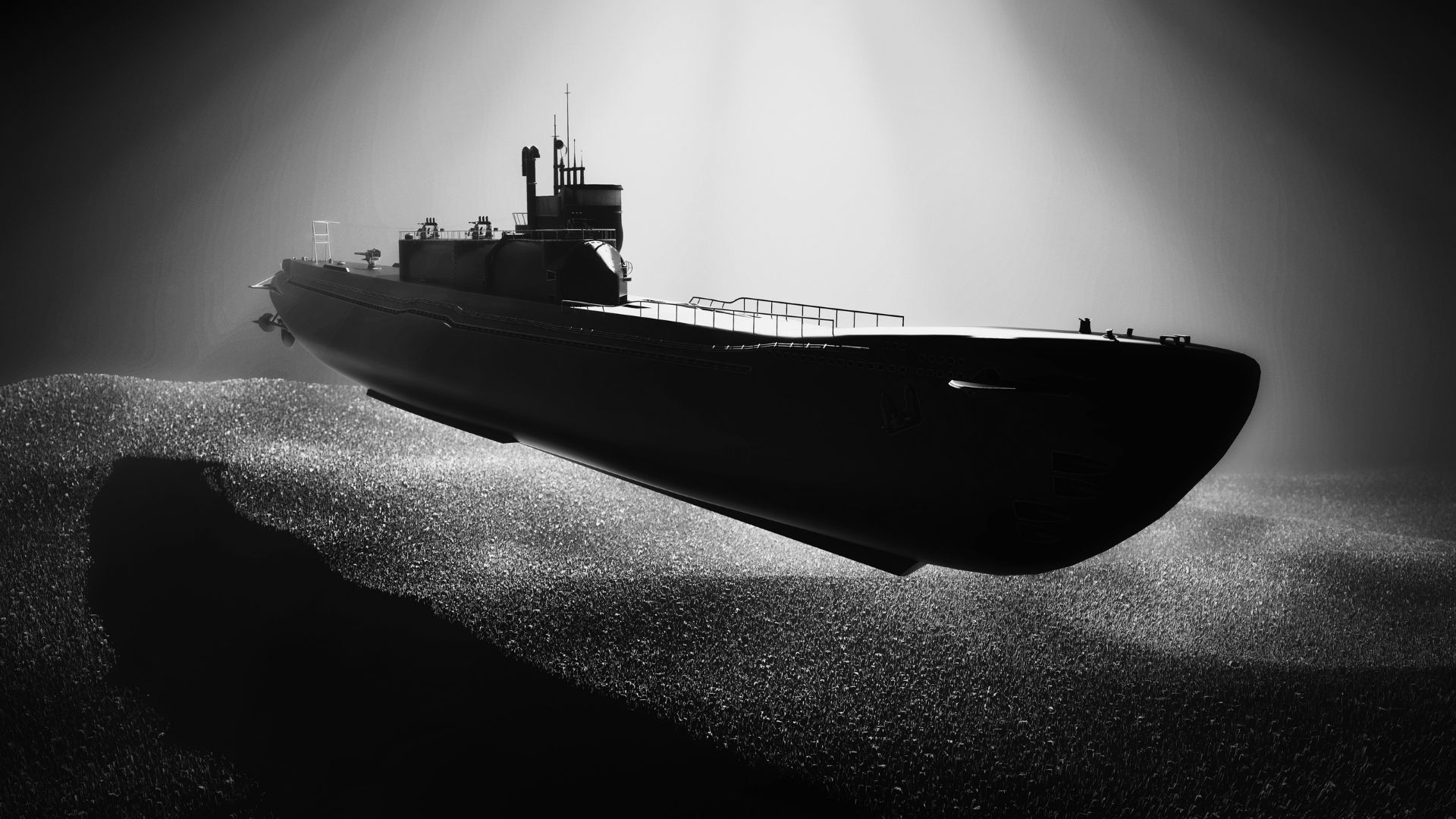
A key advantage highlighted by Russia is the missile’s ease of integration. Designed for launch from standard 533 mm torpedo tubes, the Kalibr-PL avoids the need for major structural modifications or vertical launch systems. This makes it particularly suitable for the Navy’s Sindhughosh-class submarines, which already operate the earlier Club-S system from the same missile family.
Russia has also suggested that the missile could be adapted for the Kalvari-class (Scorpene) submarines with minimal integration work, primarily involving compatibility adjustments with combat management and fire-control systems. If achieved, this would enable the Indian Navy to standardize its submarine-launched strike capability across both Russian- and Western-origin platforms.
From a capability perspective, the Kalibr-PL is a mature and combat-proven system, using inertial navigation, GLONASS satellite guidance, and terrain contour matching for high-precision strikes. In comparison, India’s indigenous submarine-launched cruise missile program led by Defence Research and Development Organisation is still under development, with an expected range of around 500 km and pending full operational validation.
Russia is therefore positioning the Kalibr-PL as an interim “bridge capability” until indigenous systems mature. However, this proposal must be weighed against India’s push for self-reliance under the Atmanirbhar Bharat initiative, as well as geopolitical challenges such as sanctions on Russia, which could affect payments, technology transfer, and long-term support.
Additionally, the RFI has attracted interest from European manufacturers, particularly from France and Germany, which may offer submarine-launched cruise missiles with lower ranges but fewer geopolitical constraints and better compatibility with Western-origin platforms like the Scorpene.