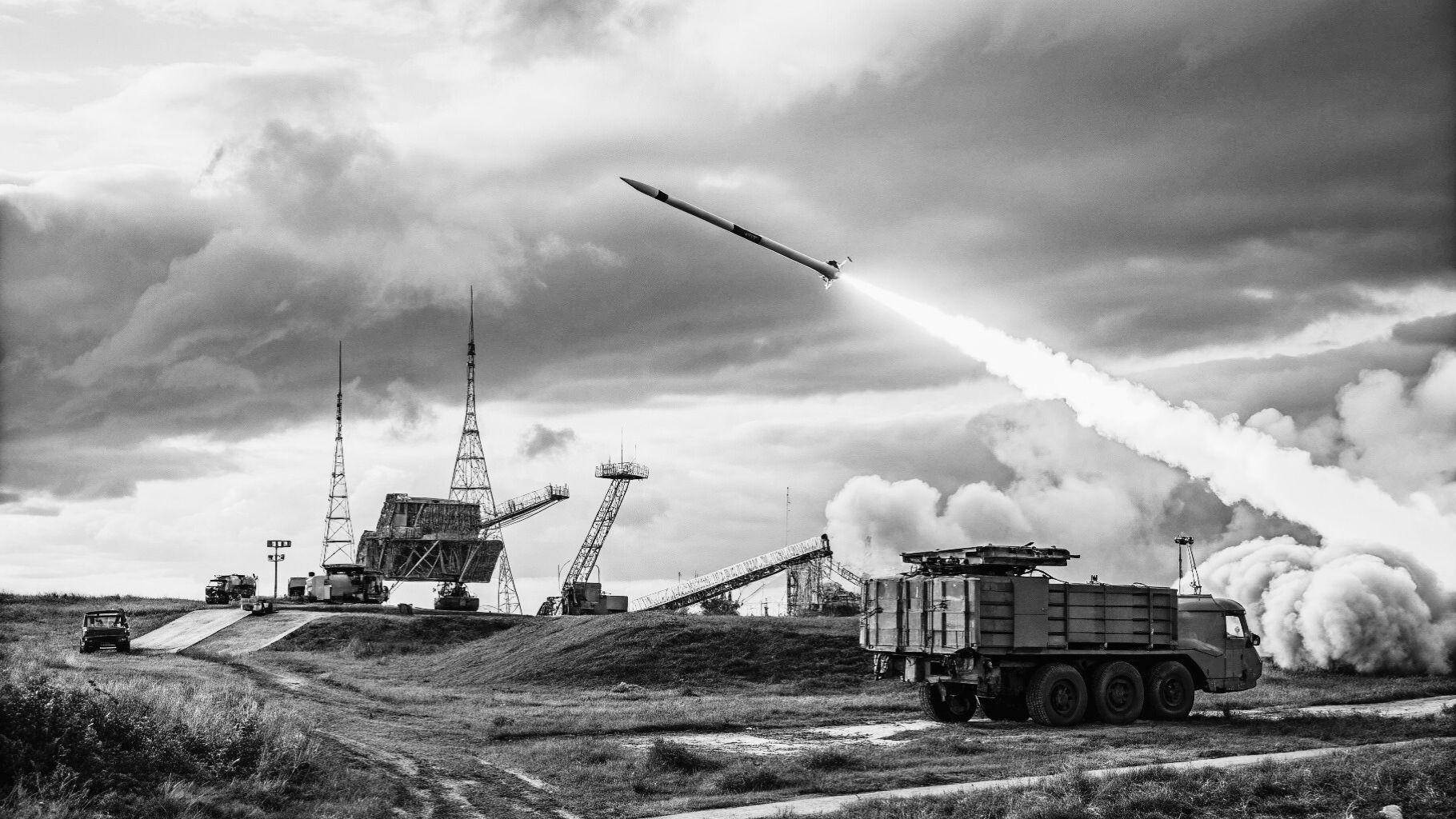
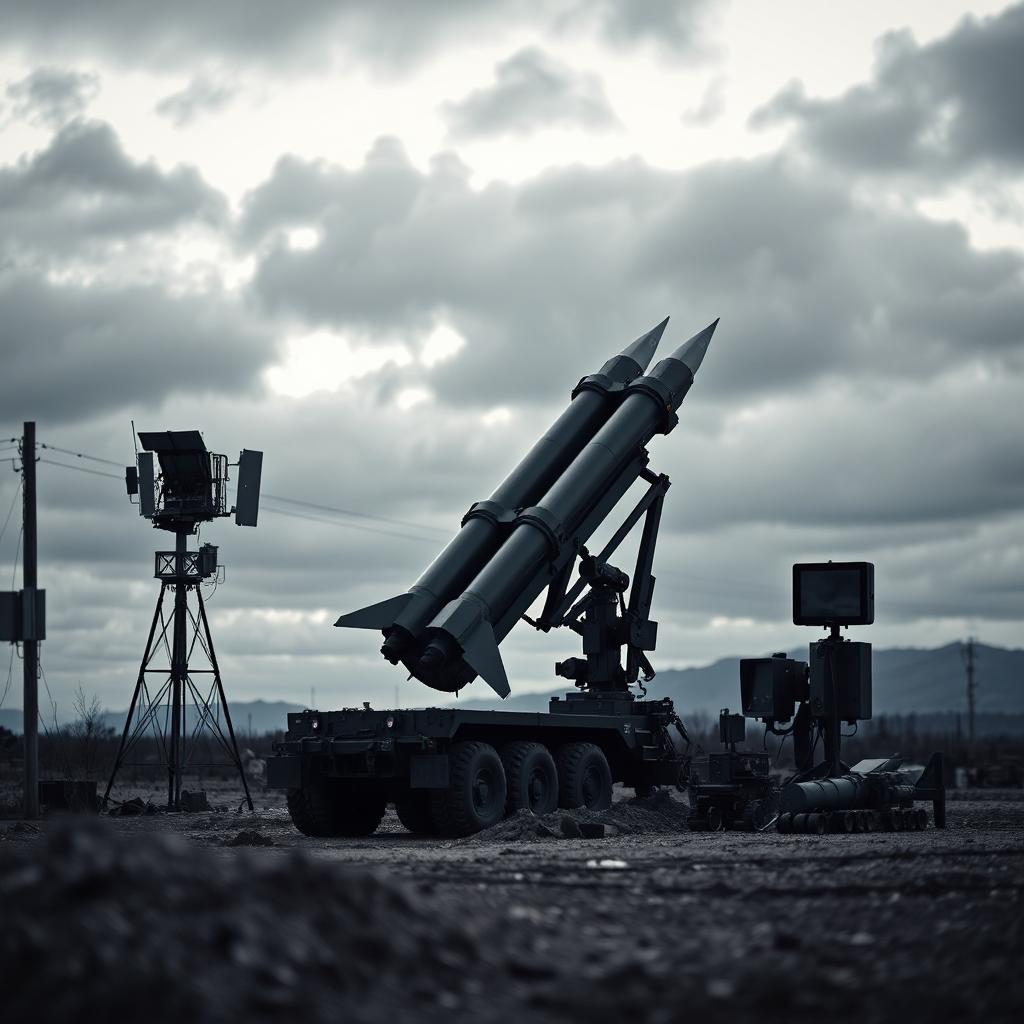
Israel Missile Defense Organization and Rafael Advanced Defense Systems have delivered the first batch of Tamir interceptors for the United States Marine Corps’ Medium-Range Intercept Capability (MRIC) program.
The shipment supports the first operational deployment of an MRIC platoon, restoring a medium-range air defense capability to the Marine Corps for the first time since the retirement of the MIM-23 HAWK system in the late 1990s.
The MRIC system combines Iron Dome technology with the Tamir missile in a mobile defense architecture adapted to Marine Corps expeditionary operations. Designed to protect fixed and semi-fixed positions, the trailer-mounted platform can identify and engage threats such as cruise missiles, rockets, artillery shells, mortars, and drones.
The capability is integrated with the AN/TPS-80 Ground/Air Task Oriented Radar and the Common Aviation Command and Control System. After three successful live-fire demonstrations in 2022, the Marine Corps authorized full system development, with fielding scheduled to begin in 2025. The service plans to equip three Marine Air Wings with MRIC batteries by 2028.
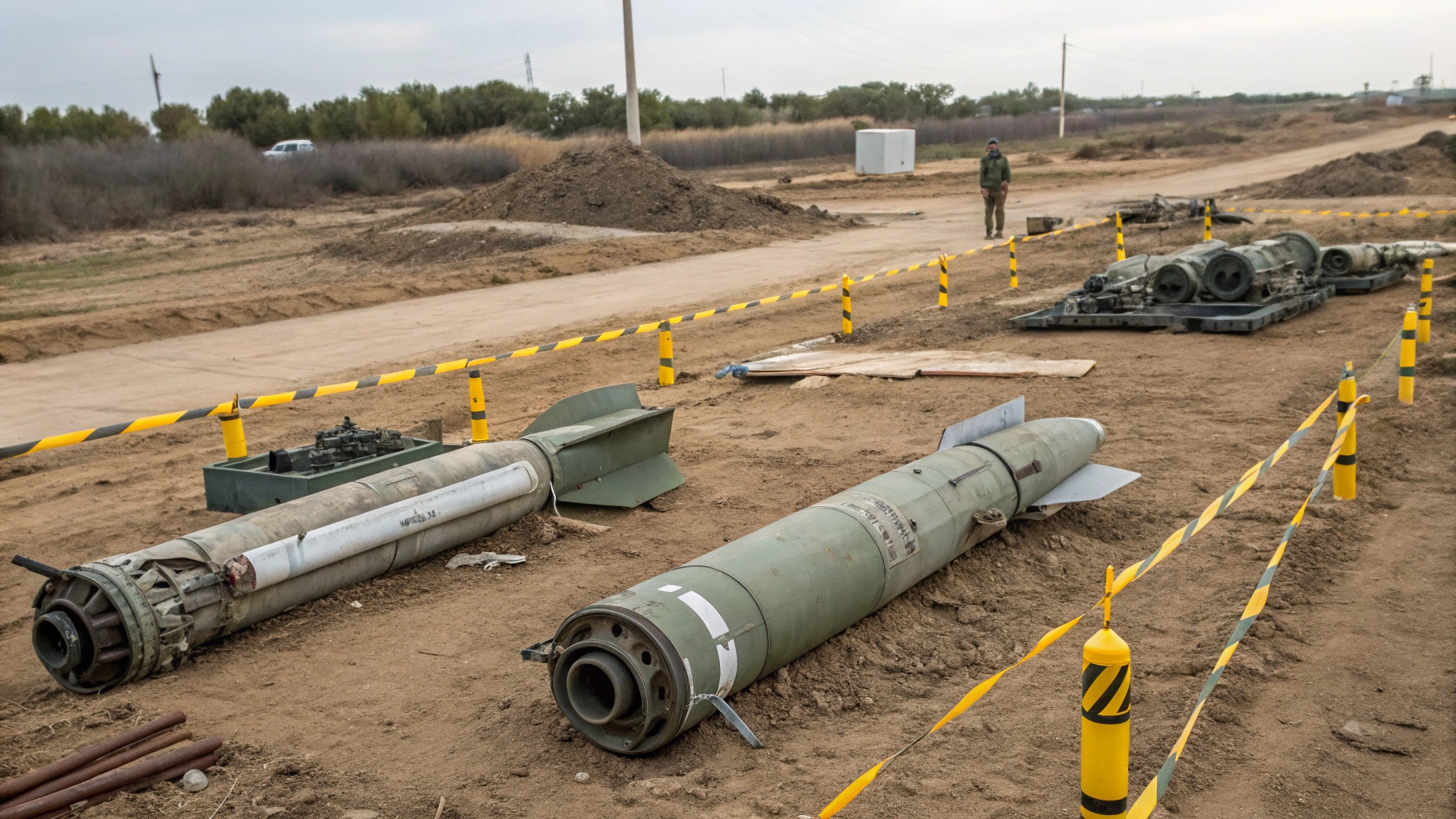
Developed by Rafael Advanced Defense Systems, the Tamir missile is the primary interceptor used by Israel’s Iron Dome shield. Each MRIC launcher can carry up to 20 Tamir missiles equipped with electro-optical sensors, two-way datalink targeting updates, and fragmentation warheads with proximity fuzes. The interceptor has an operational range of 4 to 70 kilometers.
In 2024, Raytheon and Rafael Advanced Defense Systems established the R2S joint venture to manufacture Tamir missiles at a new facility in East Camden. The plant was completed in November 2025 and secured its first $1.25-billion contract to produce Tamir interceptors for Israel.