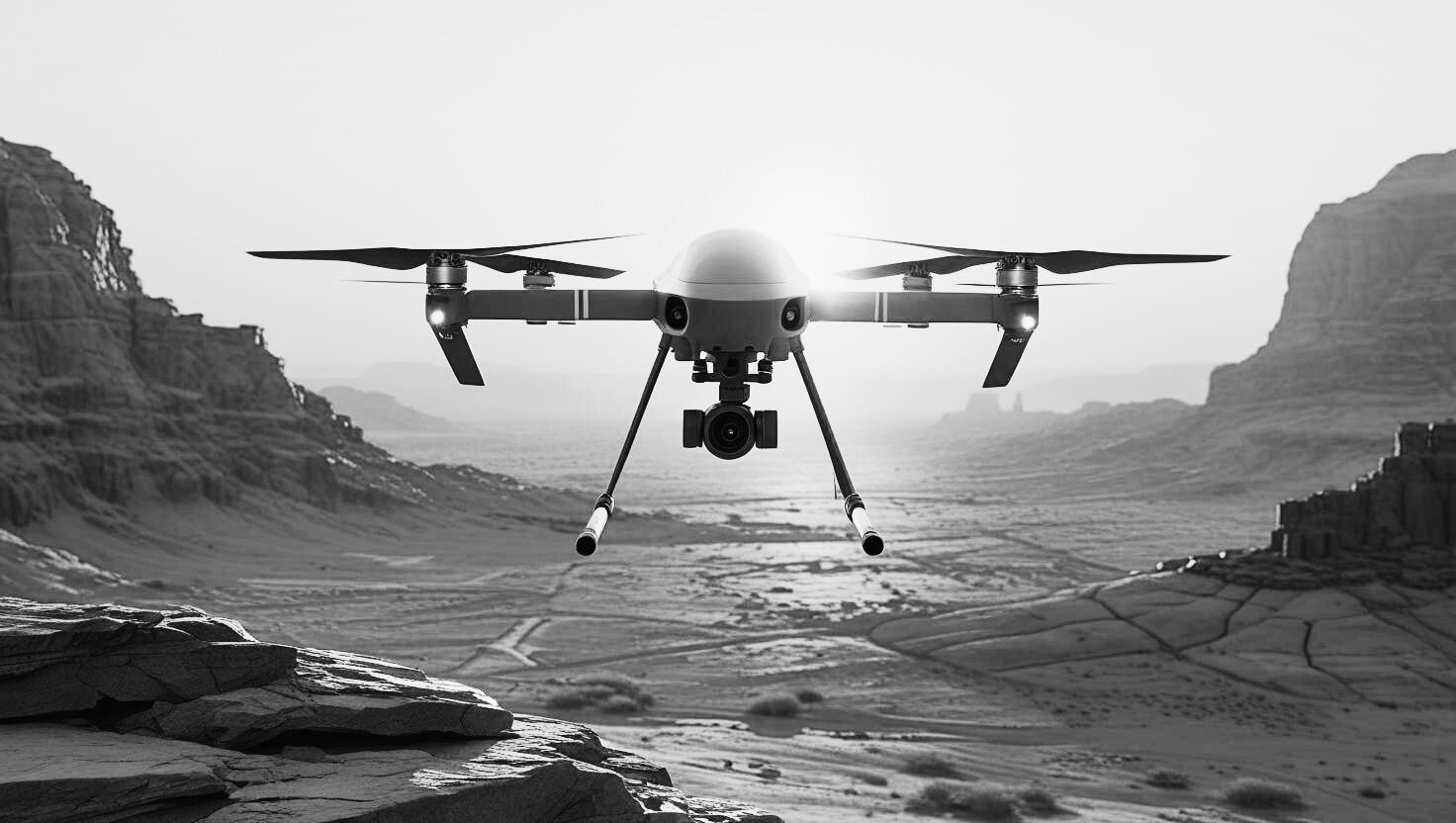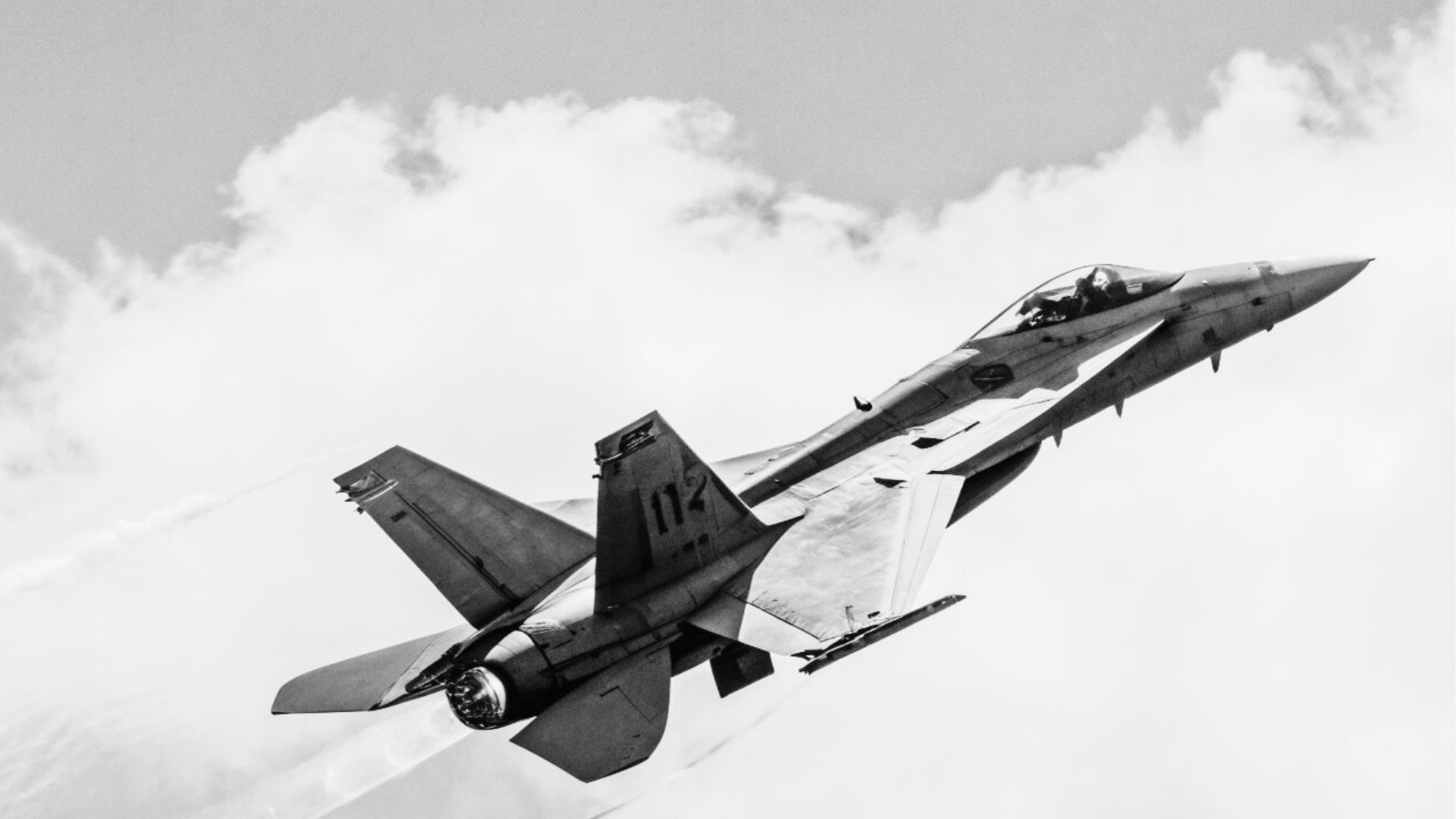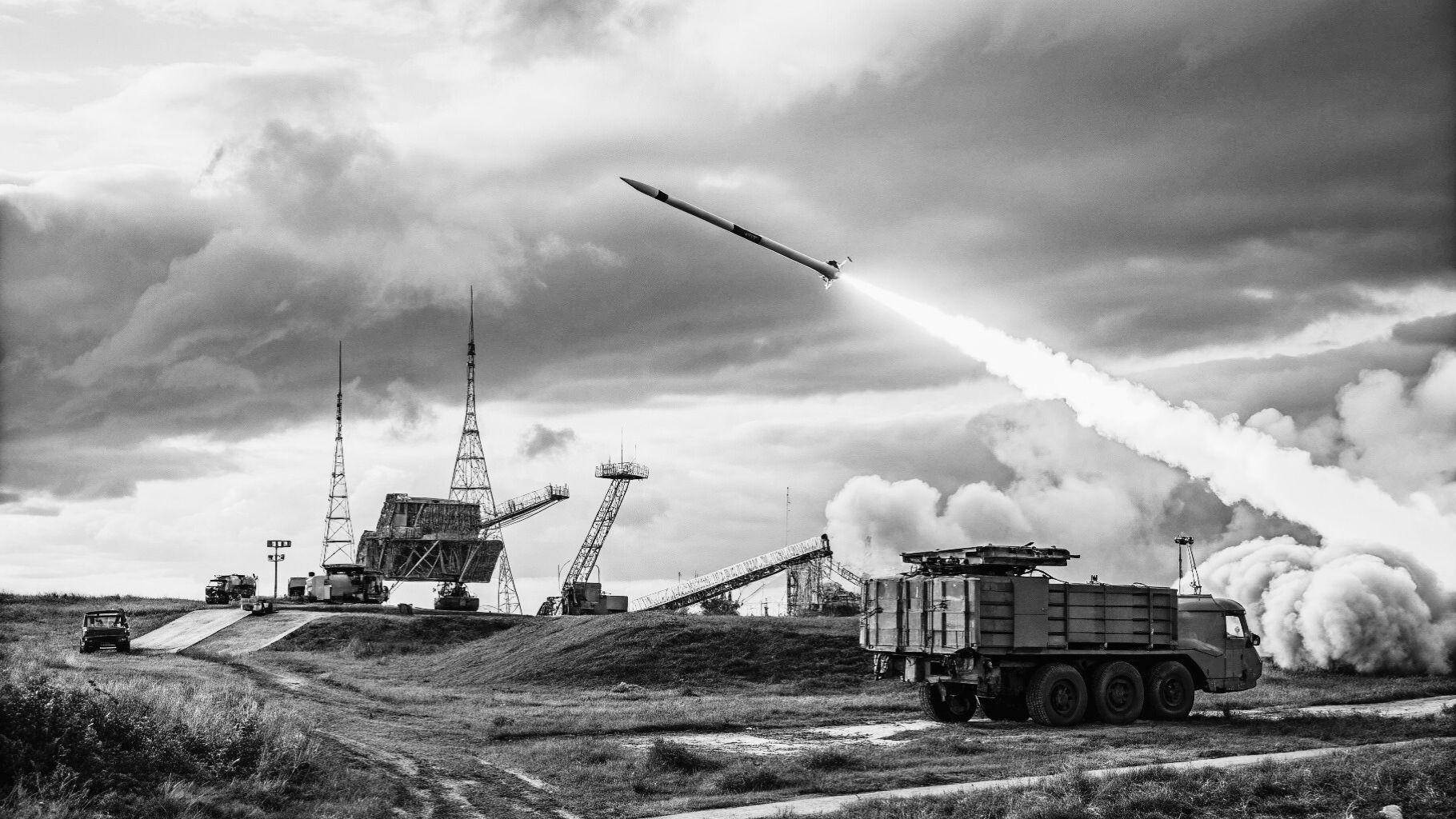

India is continuing to advance its next-generation warfare capabilities as the Defence Research and Development Organisation (DRDO) progresses with the development of a 300 kilowatt Directed Energy Weapon (DEW) system. Designed as a high-power laser weapon with an engagement range of up to 20 kilometres, the project marks a significant step toward fielding precision, speed-of-light combat systems capable of neutralizing modern aerial threats.
The system is being developed by DRDO’s Centre for High Energy Systems and Sciences (CHESS), the organization’s primary laboratory for directed energy technologies. The 300 kW laser weapon is intended to counter a broad range of targets, including drones, loitering munitions, missiles, and potentially high-speed airborne threats, using concentrated laser energy rather than conventional kinetic interceptors.
At the heart of the DEW is a high-energy laser source engineered to produce a continuous 300 kW output. The system employs advanced beam-generation and energy-management technologies such as high-gain supersonic nozzles, centrifugal bubble-based subsystems, and sealed exhaust control mechanisms. These technologies are critical for maintaining beam stability, efficiency, and sustained operational performance.
The weapon also integrates a sophisticated Beam Control System (BCS) that enables accurate long-range targeting. With an optical quality factor of less than 2 (M² < 2), the laser beam maintains high coherence and focus, allowing concentrated energy delivery onto small targets at extended distances. The approximately 60 cm output aperture further supports effective beam projection and precision engagement. One of the system’s most important features is its modular and scalable architecture. The 300 kW configuration acts as a foundational module that can potentially be combined using beam-combining technologies to achieve higher power outputs, including future megawatt-class systems. This modularity allows the weapon to be adapted for a variety of operational roles ranging from tactical battlefield support to strategic air defence missions. The DEW platform is designed for mobility and is expected to be mounted across multiple ground vehicles supported by a dedicated control unit. Its mobile configuration will enable deployment across varied terrains and operational environments, while the projected 20 km engagement range makes it particularly suitable for layered air defence against low-cost, high-volume threats such as drone swarms. Directed energy systems offer several advantages over traditional missile-based air defence systems, including near-instantaneous engagement, deep magazines limited mainly by available power, and significantly lower per-shot costs. These characteristics make laser weapons especially effective against asymmetric threats where conventional interceptors may prove economically unsustainable. Despite these advantages, technical challenges remain in areas such as power generation, thermal management, and atmospheric interference, all of which can impact laser performance over long distances. DRDO is currently working on advanced cooling systems and adaptive beam-control technologies to overcome these limitations and ensure reliable field performance.