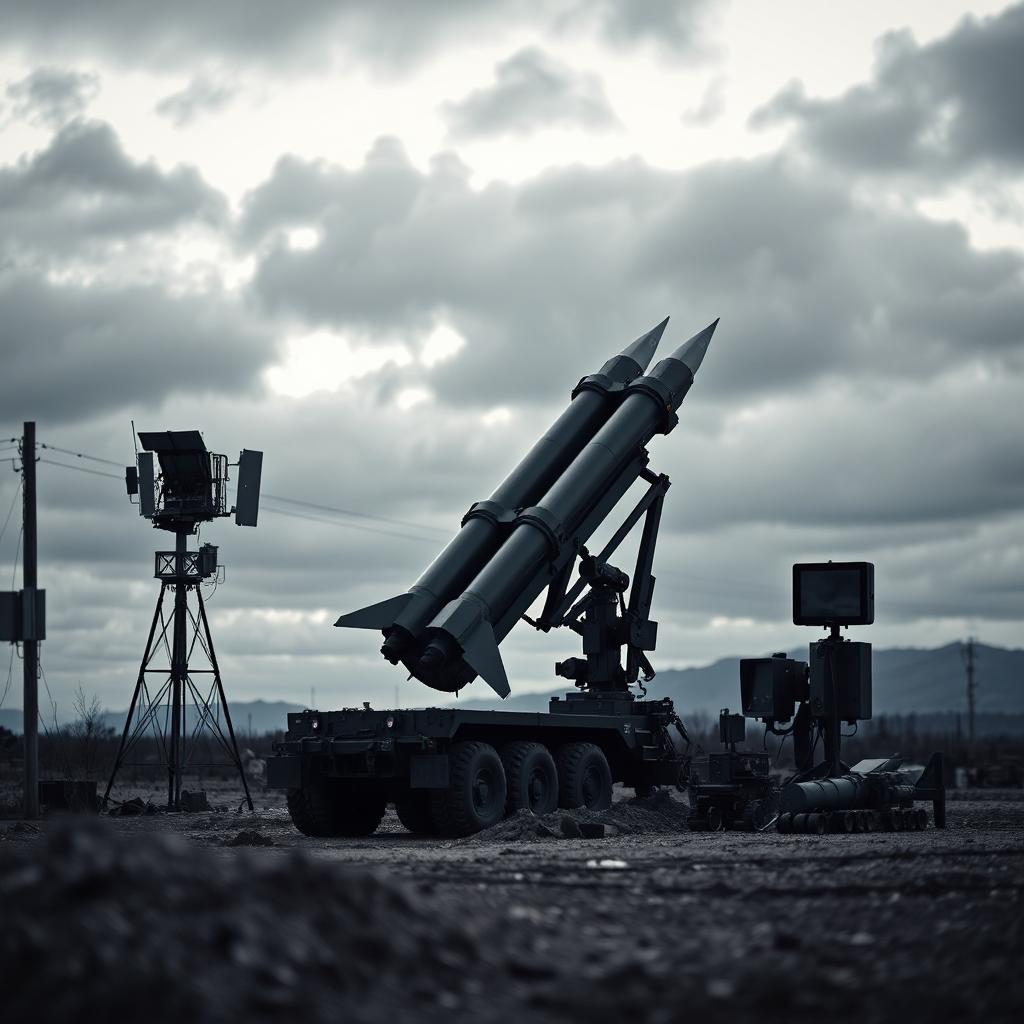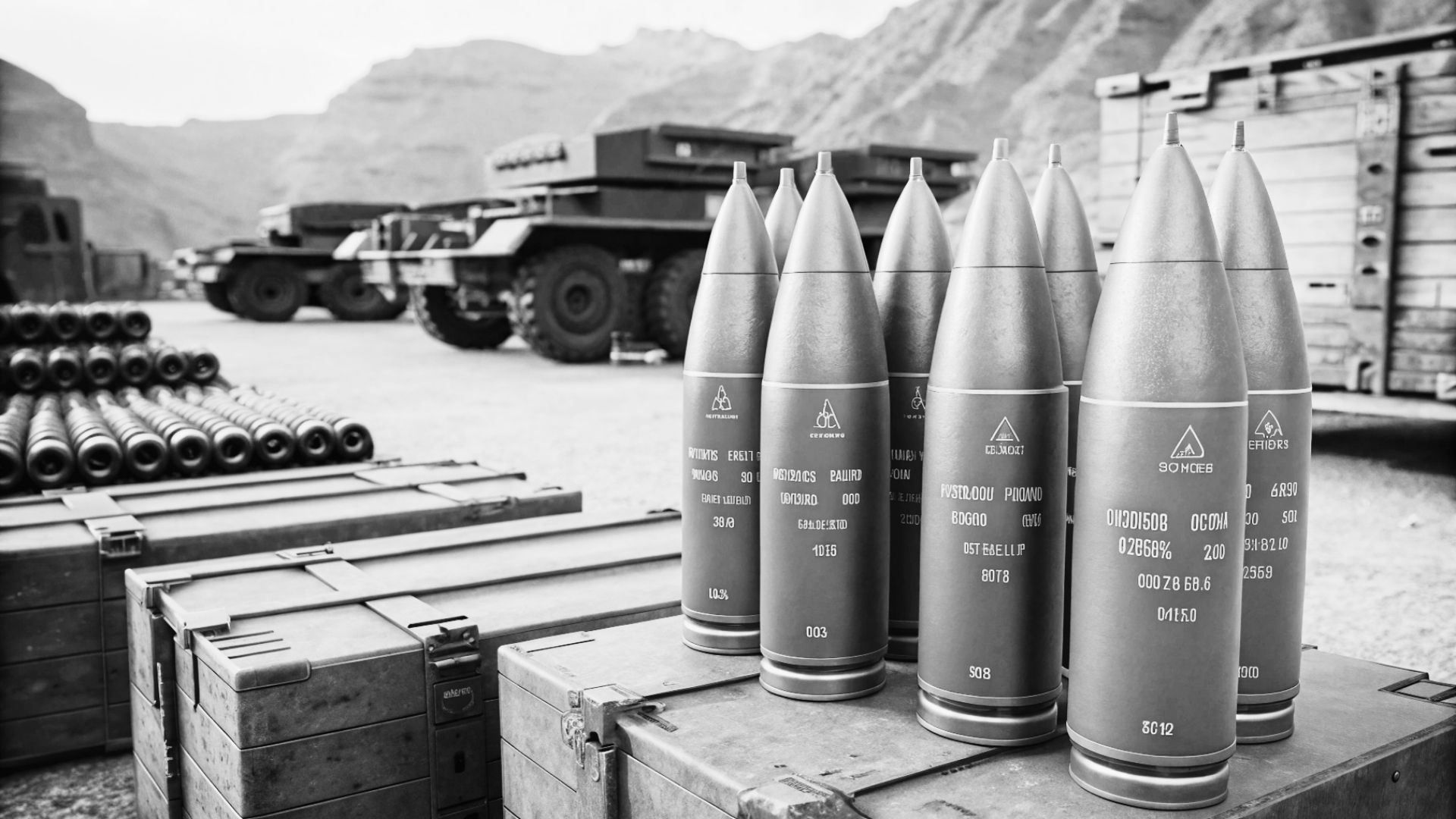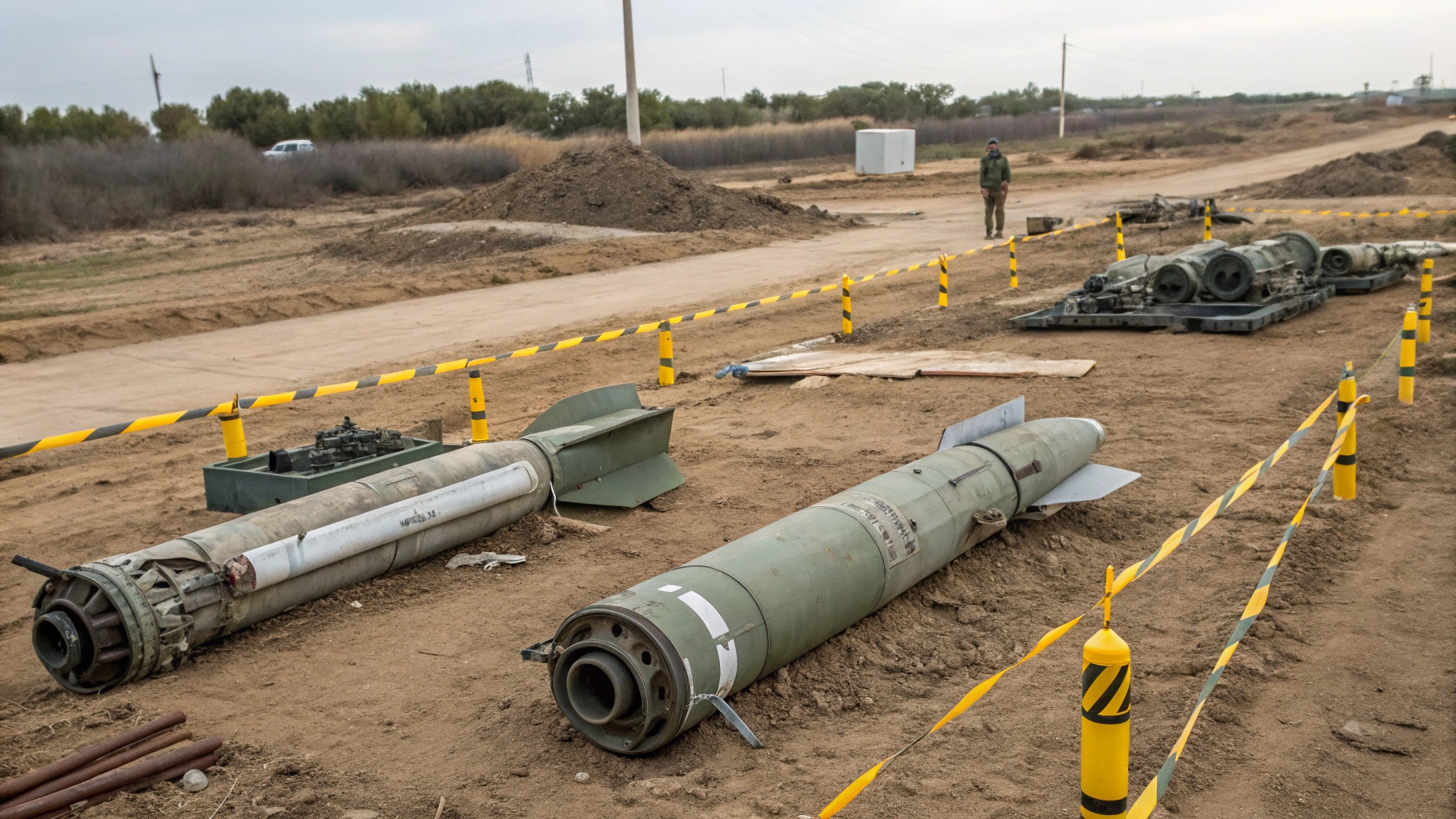
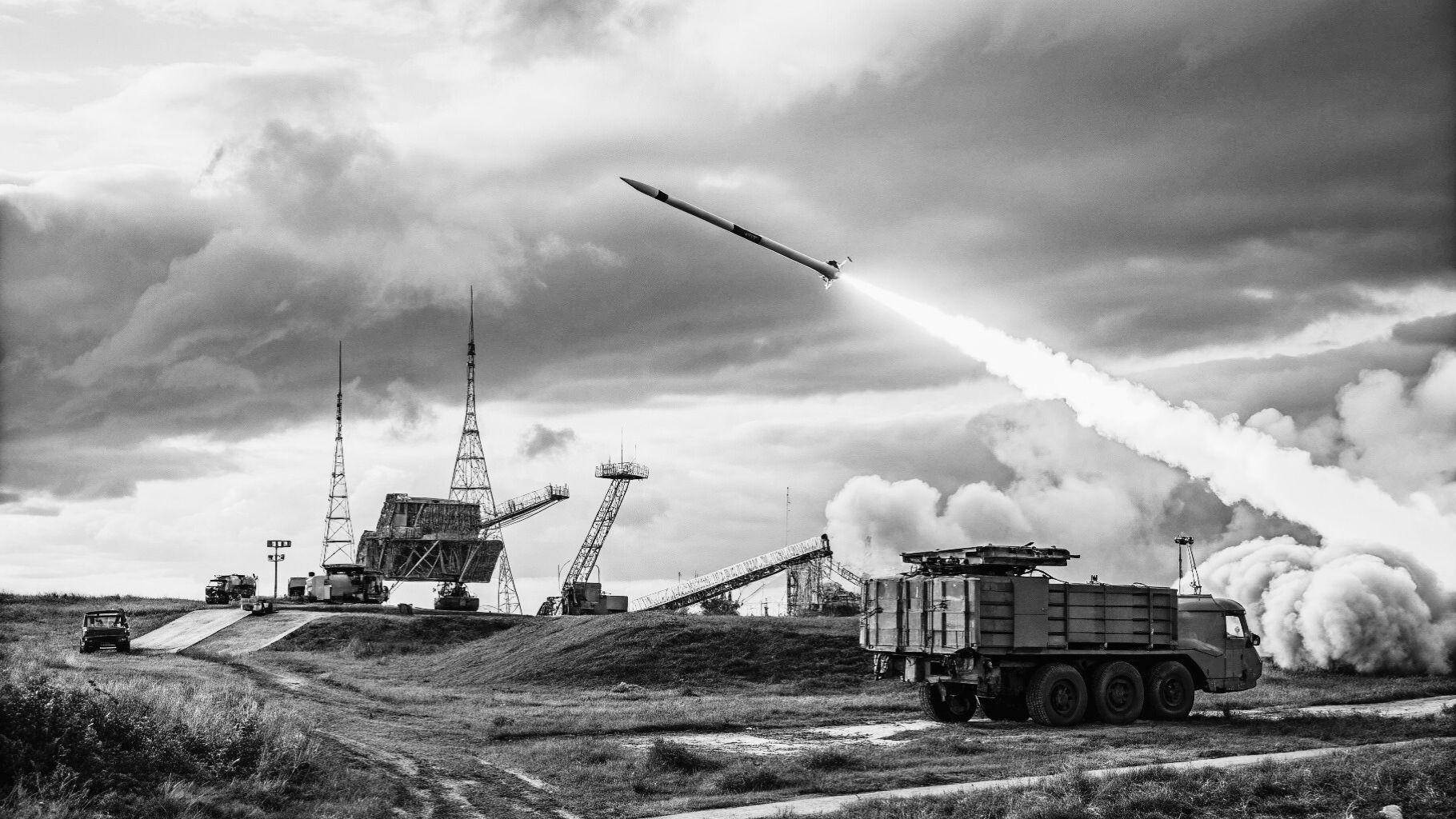
The United States is allocating new discretionary funding under its Fiscal Year 2026 acquisition plan to maintain and expand the Terminal High Altitude Area Defense (THAAD) missile defense system. The plan includes the procurement of 25 additional interceptors, along with continued investment in interceptor obsolescence mitigation and the Stockpile Reliability Program. U.S. defense officials have underscored that sustaining THAAD readiness is increasingly critical as adversaries deploy more advanced ballistic missile systems and strain existing missile defense inventories.
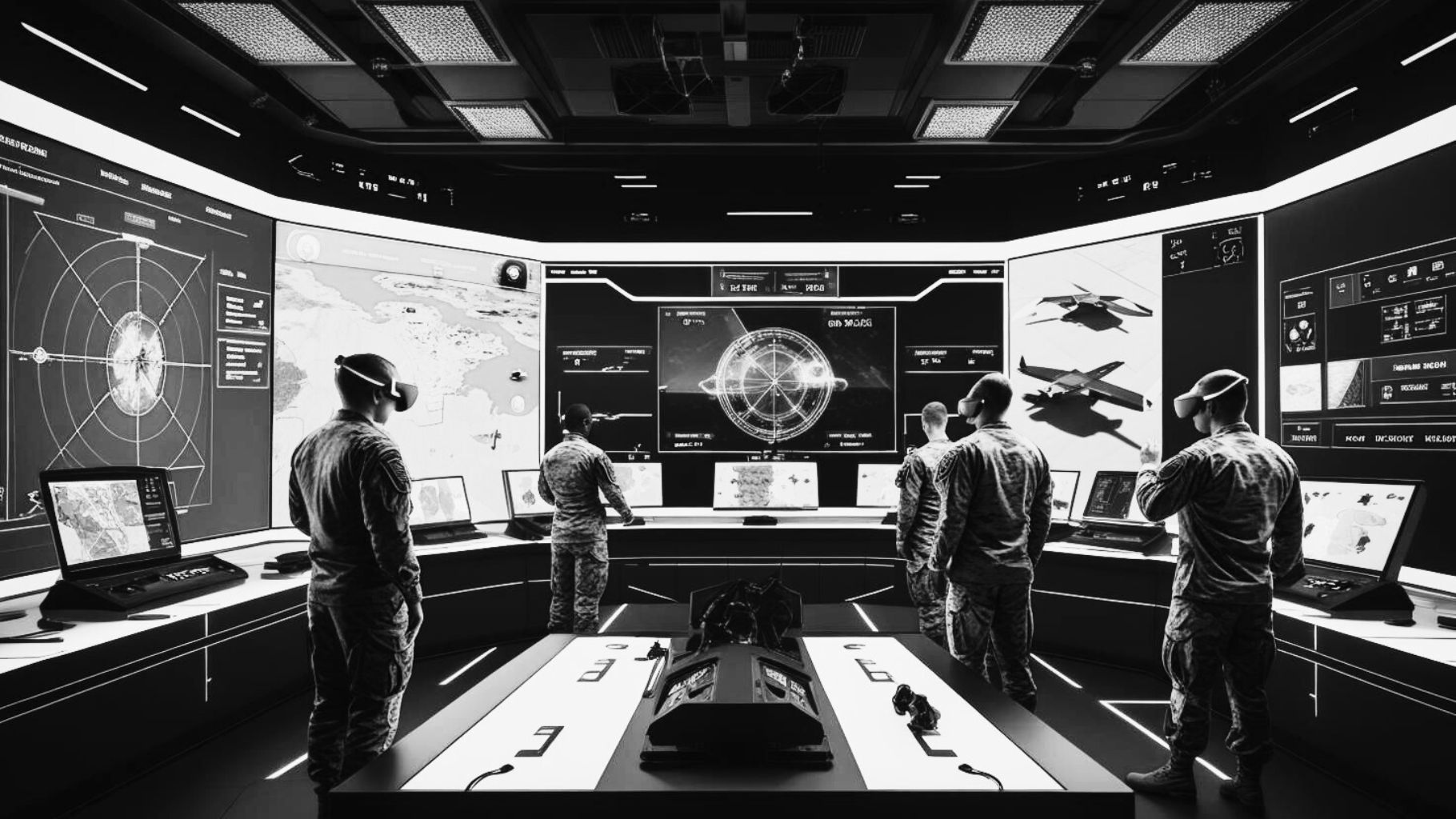
In parallel with interceptor procurement, the FY2026 plan prioritizes modernization of THAAD Battery Ground Components to address hardware and electronics obsolescence that could otherwise degrade operational availability. These upgrades are closely linked to efforts to integrate THAAD into the U.S. Army’s Integrated Air and Missile Defense Battle Command System (IBCS). Once integrated, THAAD will transition from a largely standalone capability into a fully networked component of the IAMD architecture, enabling it to receive and act on sensor data from joint and coalition sources and significantly expand its engagement flexibility and survivability in contested environments.
The acquisition strategy also supports continued enhancement of THAAD interceptor and weapon-system performance against evolving threats. Engineering initiatives focus on improving seeker discrimination, guidance accuracy, software robustness, and propulsion reliability to counter advanced ballistic missiles equipped with decoys, maneuverable reentry vehicles, and other countermeasures. These upgrades take on added importance as potential adversaries accelerate the fielding of hypersonic glide vehicles, which compress engagement timelines and challenge traditional missile defense concepts.
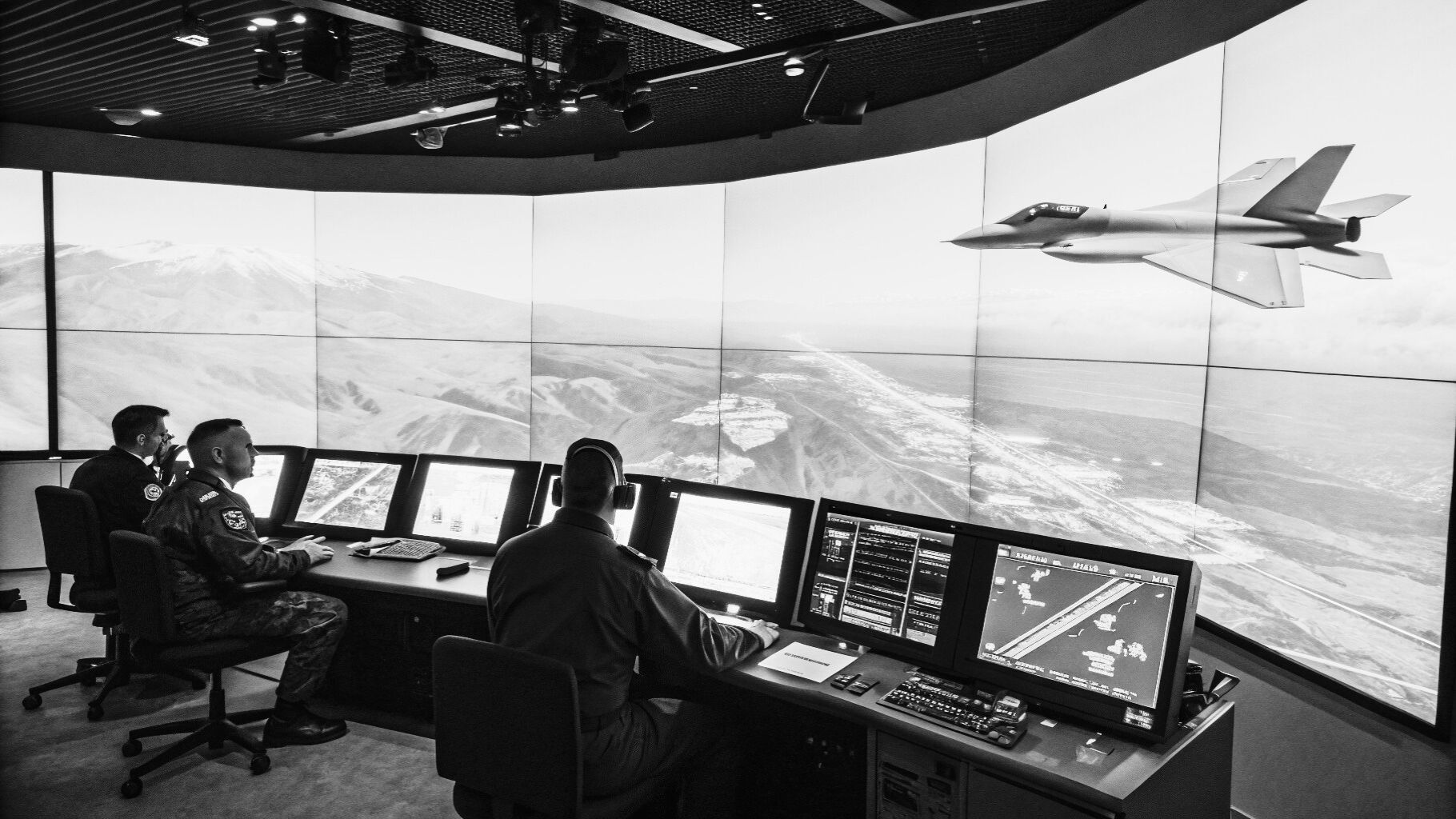
To validate these improvements, FY2026 funding supports a comprehensive program of flight tests, ground testing, test operations, and infrastructure upgrades aligned with the Integrated Master Test Plan. The plan also funds war games and large-scale exercises designed to assess THAAD performance in realistic operational scenarios, including multi-axis attacks and dense threat environments. These activities aim to verify system performance while refining tactics, techniques, and procedures for integrated air and missile defense operations.
Alongside discretionary funding, the FY2026 budget includes mandatory resources for the procurement of an additional 12 THAAD interceptors and for critical obsolescence mitigation efforts. This mandatory funding accelerates the development and fielding of THAAD Next Generation capabilities, ensuring modernization continues even under budget constraints. The next-generation initiative is expected to deliver improved digital processing, enhanced threat discrimination, and greater kinematic performance, extending THAAD’s operational relevance into the 2030s.